




Start typing to see results...
Find the perfect solution
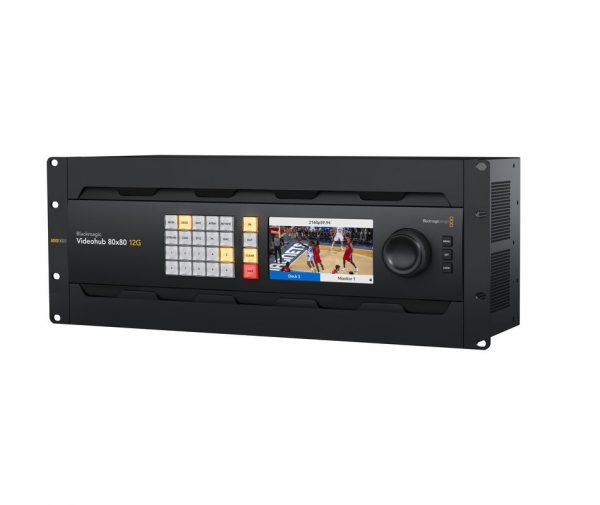
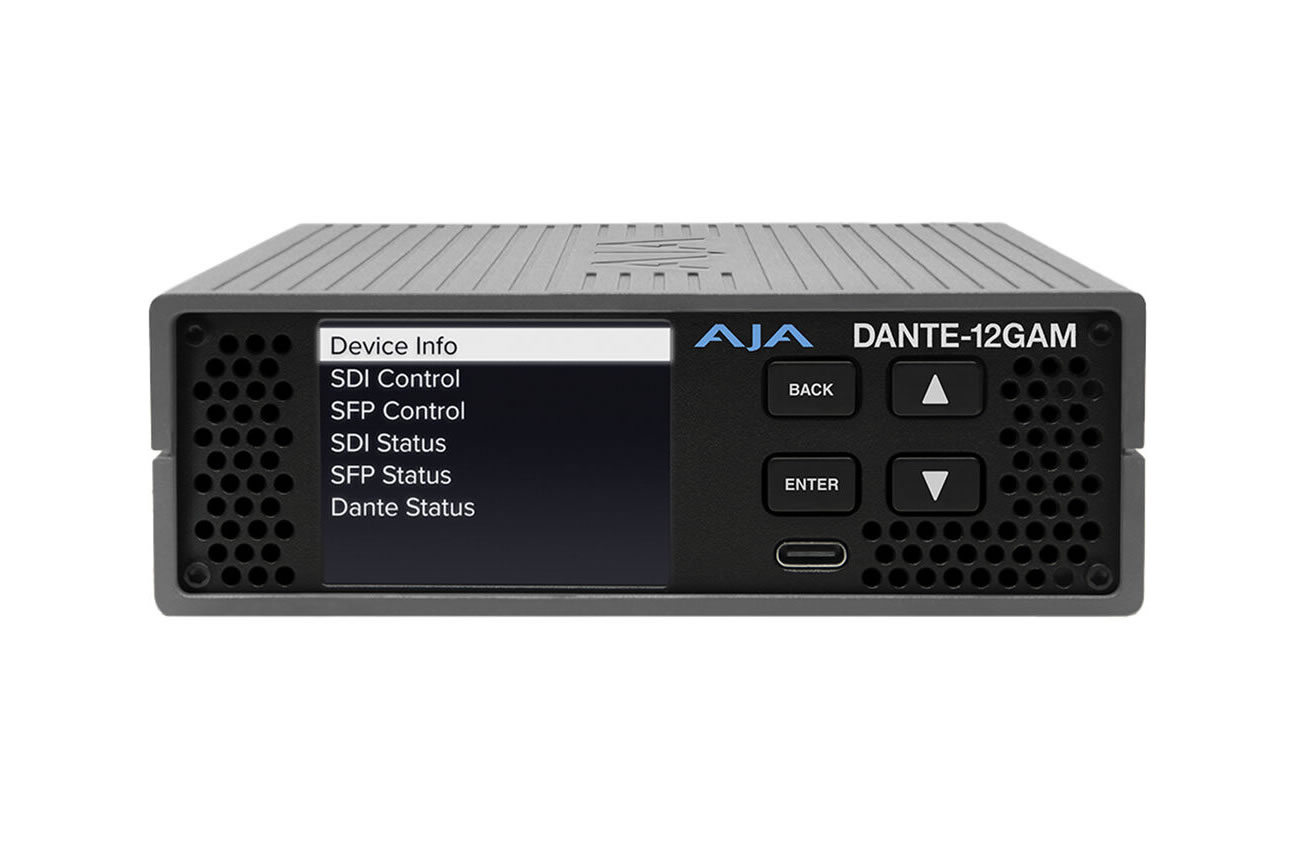
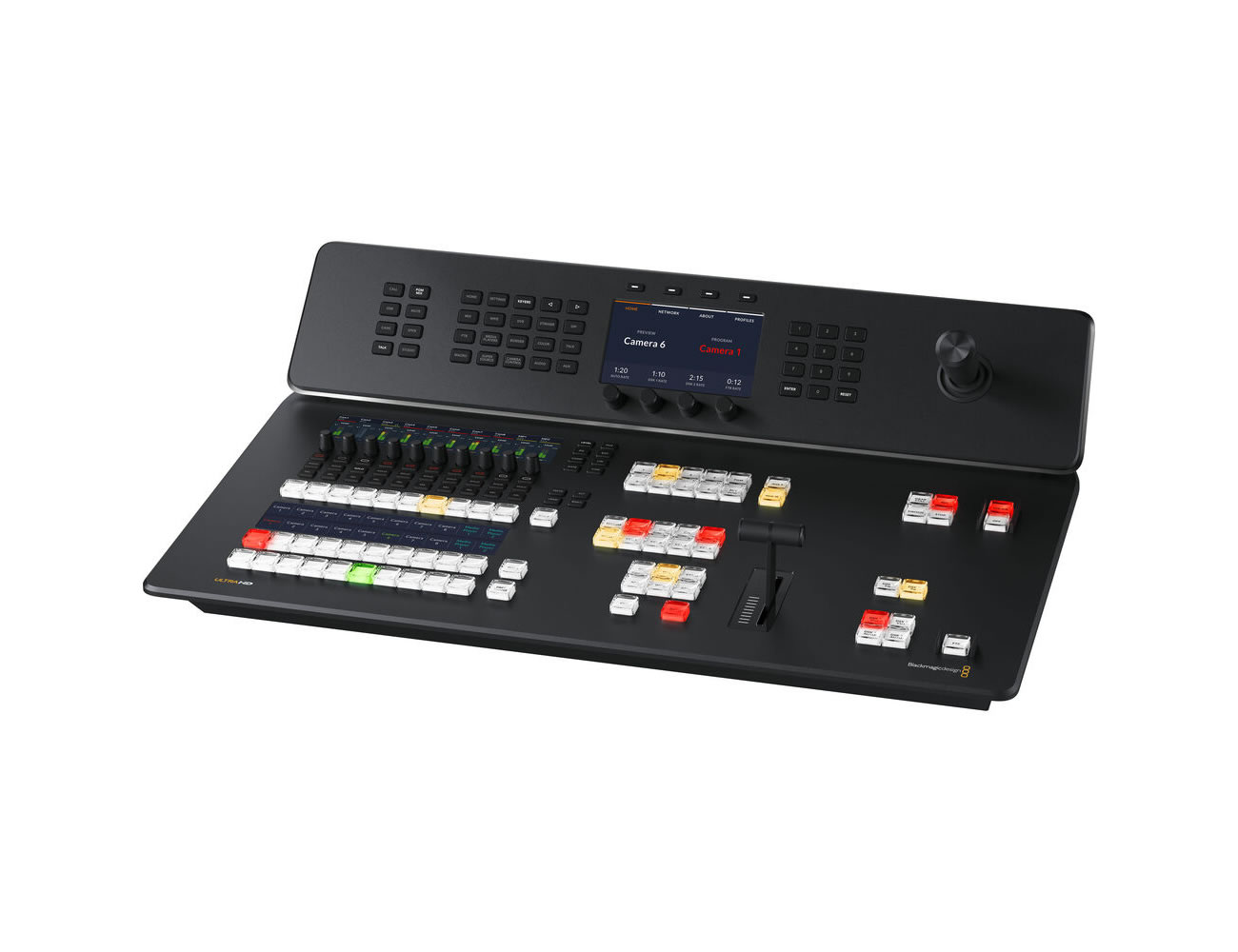
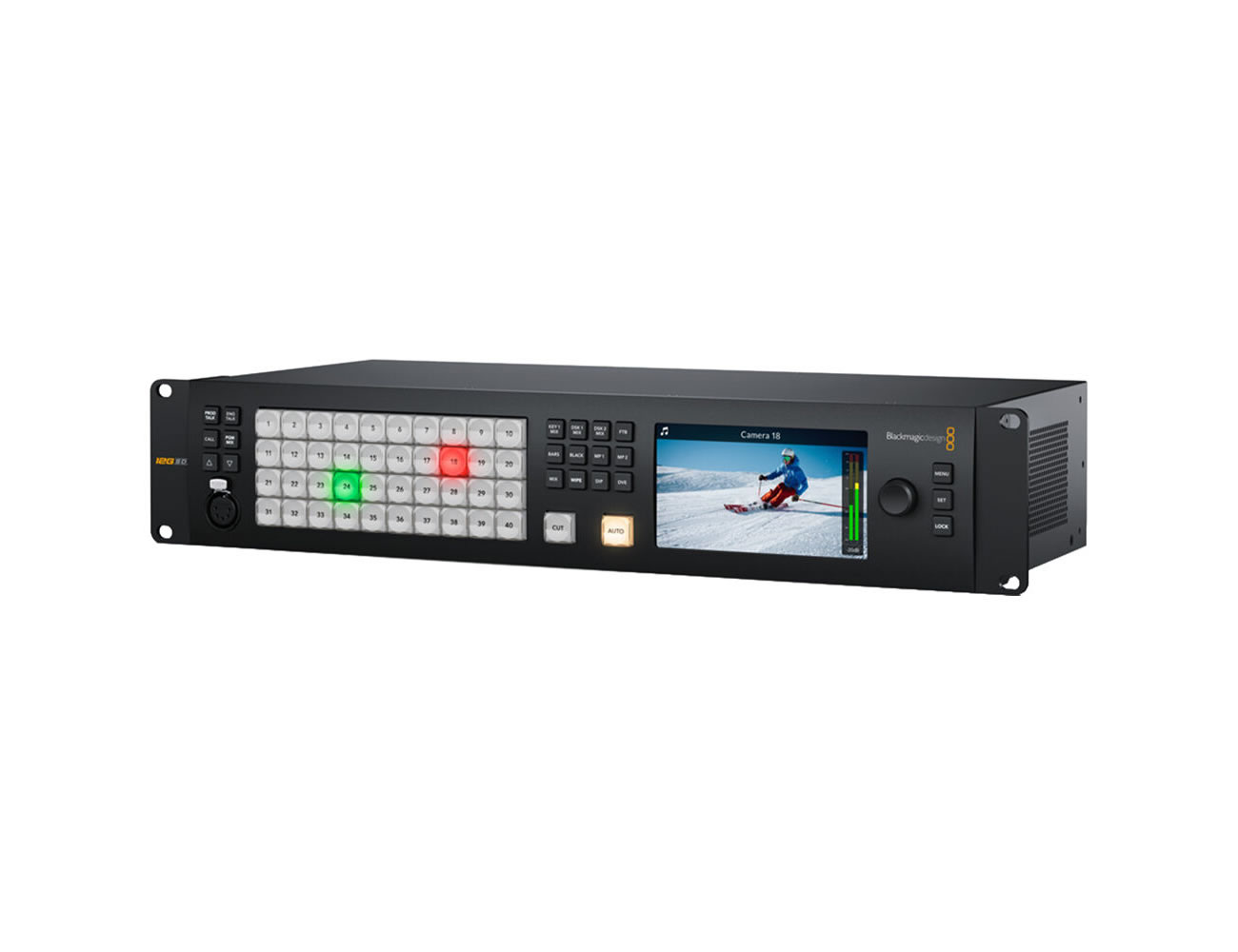
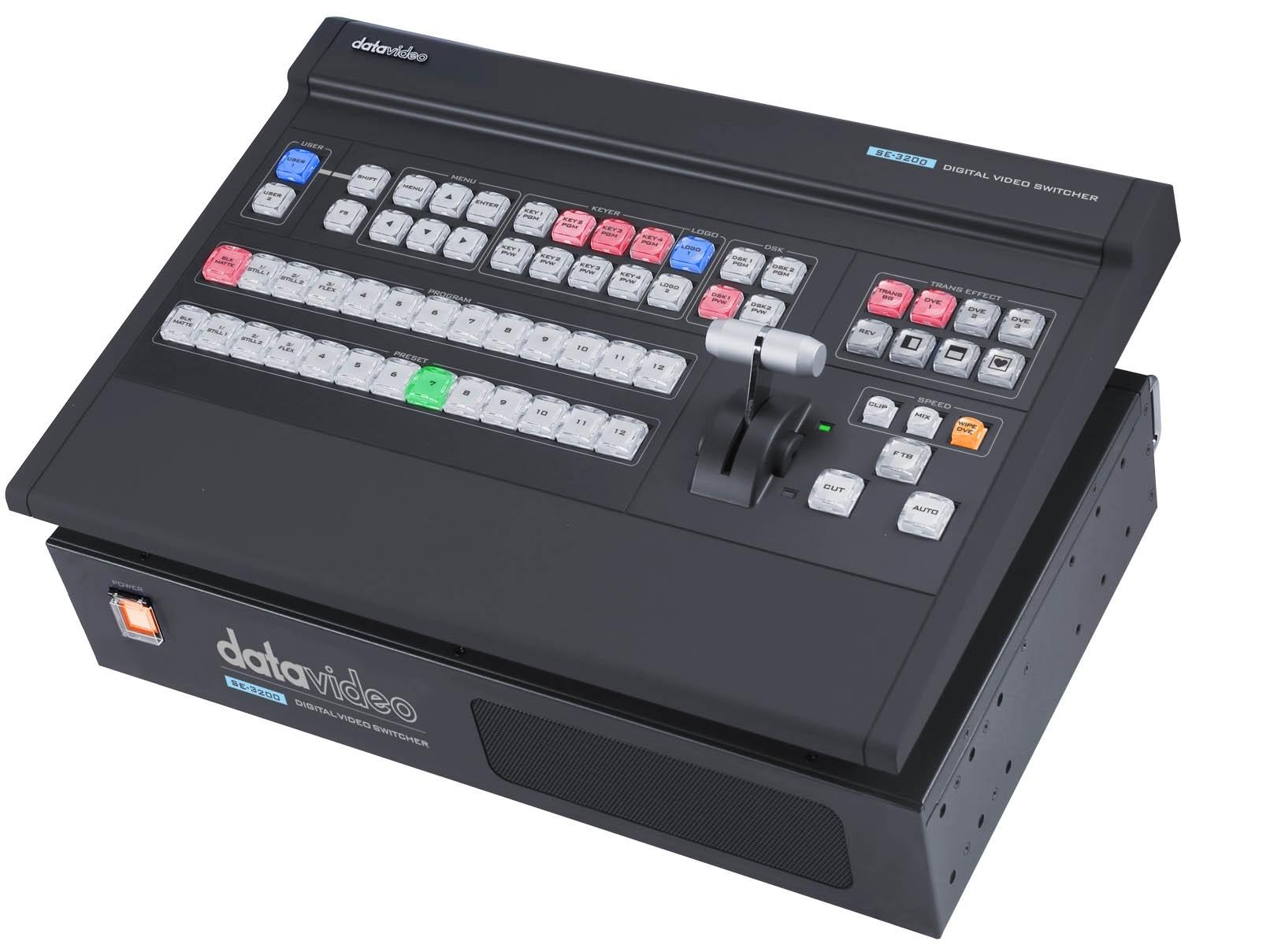
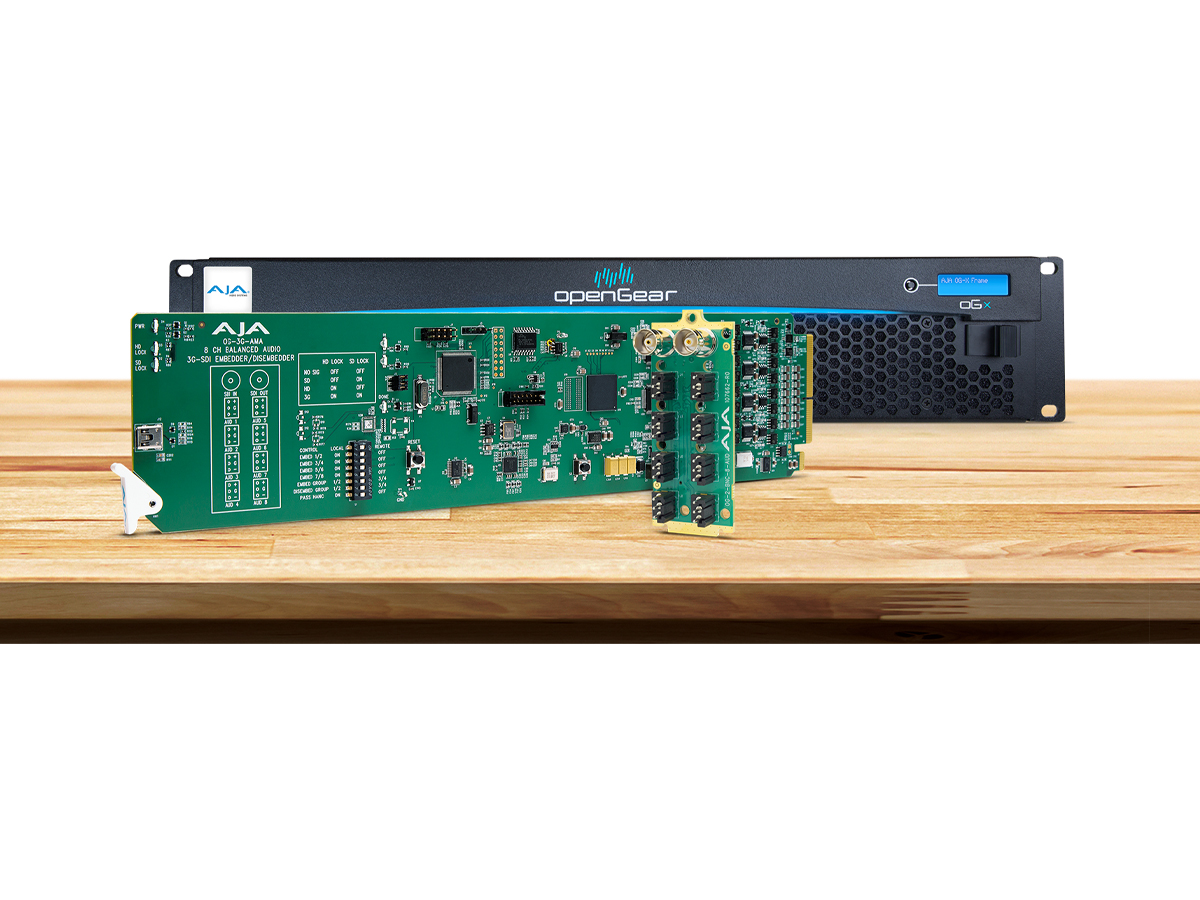
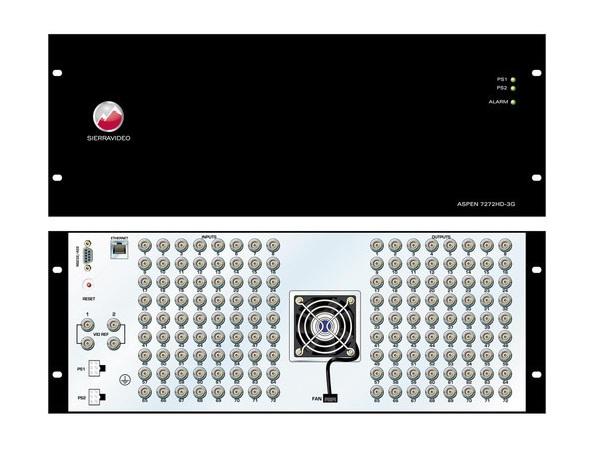
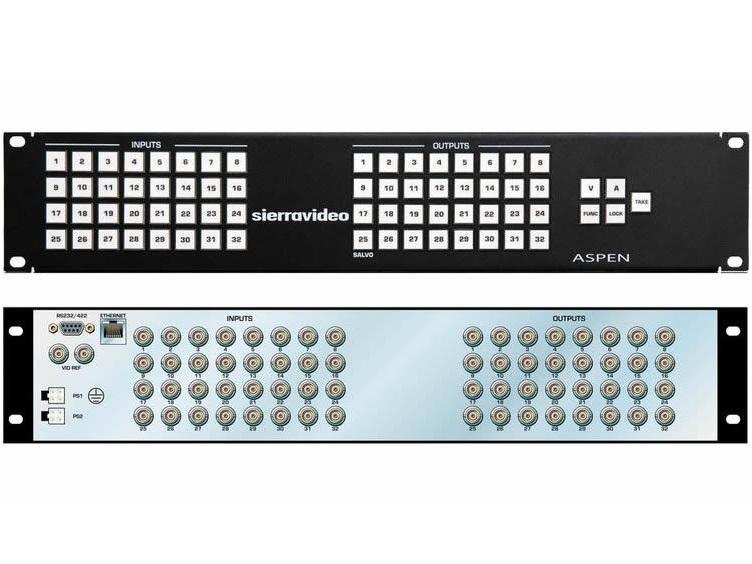
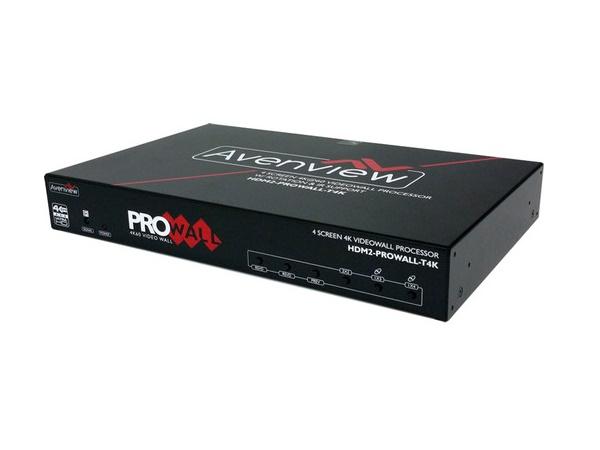
SDI (Serial Digital Interface) is a digital interface first standardized by SMPTE (the Society of Motion Picture and Television Engineers). The SDI standard allows transmission of uncompressed and unencrypted digital video signals in broadcast-grade video, studio, live staging, and post-production applications. SDI uses 75-ohm coaxial cable with locking BNC connectors and comes in several variants: SD-SDI, ED-SDI, HD-SDI, Dual Link HD-SDI, 3G-SDI, 6G-SDI, and 12G-SDI for various resolutions and bandwidths.
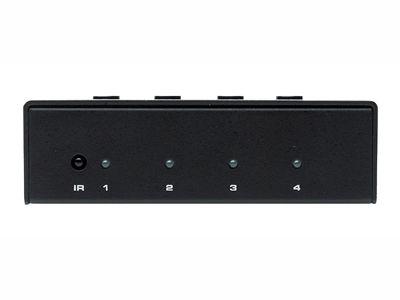
The most basic SDI switcher has 4 SDI inputs and 1 SDI output, with the user selecting which input feeds the output. Common configurations: 2x1, 4x1, 8x1. These switchers serve installations where multiple SDI sources share one destination: a broadcast monitoring station, a recording position, a streaming encoder. Basic SDI switchers handle the routing for moderate-complexity SDI installations without the cost of full matrix switching.
Fixed I/O SDI matrix switchers route any SDI input to any SDI output. They come in standard chassis configurations: 4x4, 8x8, 16x16, 32x32, 64x64, and larger. Fixed matrix switchers serve broadcast facilities, live event production, and any installation with multiple SDI sources and destinations needing independent routing. The "fixed" refers to the I/O count being set at purchase: you cannot expand a fixed 8x8 matrix beyond 8 inputs and 8 outputs.
Modular SDI matrix switchers let the user customize the chassis with the desired number of inputs and outputs. The chassis accepts modular input and output cards: start with a smaller configuration (4 inputs and 4 outputs in a chassis that could support 32x32, for example) and add input/output cards as the installation grows. Modular matrices are common in broadcast facilities where production needs evolve over time, in installations expecting future expansion, and in environments where the I/O mix may change.
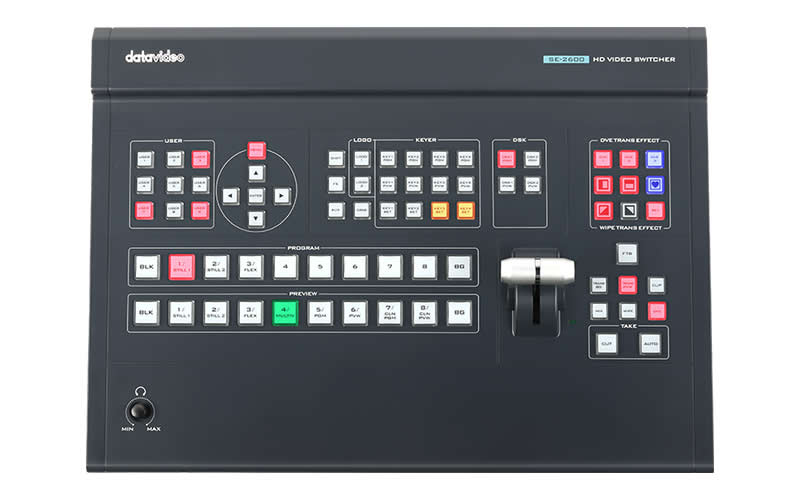
Seamless SDI matrix switchers with picture-in-picture (PIP) features are advanced products that provide high-performance switching with no visible disturbance during transitions. True seamless switchers allow the user to select transition effects when switching, adding professional appeal to broadcast and live production. They handle the resolution conversion and re-timing required to switch between different sources without any visible disruption on the destination. Seamless switchers cost significantly more than traditional SDI switchers but are essential in broadcast production where switch glitches would be unacceptable.
When working with SDI switchers, reclocking is an important concept. Reclocking is synonymous with refreshing a signal: when an SDI signal runs over a long cable, the signal can suffer from degradation taking the form of noise and decreased amplitude. High-performing SDI switchers are equipped with reclocking technology that decodes the incoming SDI signal, re-times it precisely, and outputs a clean signal as if from the original source. Reclocking is essential in installations with long cable runs into the switcher; without it, accumulated jitter and timing errors can cause downstream equipment to fail.
SDI embeds up to 16 channels of audio along with the video signal. SDI switchers route the embedded audio with the video automatically: no separate audio routing needed. Benefits include audio taking the same route as video (keeping them synchronized), simplified routing (one patch cable carries both video and audio), and reduced rack space requirements. Trade-offs: no audio breakaway (audio cannot be routed independently of video through the matrix), audio cannot be adjusted once embedded (no level control in the switcher), and in some cases embedded audio may not pass through specific devices in the chain. For broadcast and production where video and audio always travel together, embedded audio is a major convenience.
SDI switchers support multiple control interfaces. Front panel buttons for manual selection at the switcher. IR remote control for handheld operation. IP control for network-based integration with control systems and operator workstations. RS-232 serial control for legacy control system integration. Quality SDI switchers support multiple control methods simultaneously, integrating with the broadcast facility's specific control architecture.
SDI switchers are essential in broadcast facilities (master control, studio production, post-production), live event production (concerts, sports, theater, corporate events with multi-camera production), houses of worship with serious video production (multi-camera switching for streaming and broadcast), security and surveillance with SDI cameras (high-end installations with broadcast-quality video), and any installation where uncompressed broadcast-quality video must be routed between multiple sources and destinations.
SD-SDI: 270 Mbps, standard definition video (480i, 576i). ED-SDI: enhanced definition variant. HD-SDI: 1.485 Gbps, 1080i and 720p HD video. Dual Link HD-SDI: combined for higher bandwidth applications. 3G-SDI: 3 Gbps, 1080p60 HD video. 6G-SDI: 6 Gbps, 4K UHD at 30 fps. 12G-SDI: 12 Gbps, 4K UHD at 60 fps. Higher rates require shorter cable distances on the same coaxial cable type. Always match the switcher's SDI rate capability to the highest-bandwidth signal in your installation. Modern broadcast facilities typically use 3G-SDI minimum, with 12G-SDI for 4K UHD work.
Reclocking decodes the incoming SDI signal, re-times it precisely against the switcher's internal clock, and outputs a clean signal as if from the original source. SDI signals running over long coax cables accumulate jitter (timing errors) and amplitude loss; reclocking eliminates these issues and produces a clean signal for downstream equipment. Without reclocking, multiple stages of SDI infrastructure (cable, switcher, distribution amplifier, more cable) can compound errors until downstream equipment fails. For broadcast facilities and long-cable-run installations, reclocking SDI switchers are essential. For short-cable installations, simpler (non-reclocking) switchers may be adequate.
SDI embeds up to 16 channels of audio plus timecode and metadata along with the video signal. When you connect an SDI source with embedded audio to an SDI switcher, the switcher routes the entire signal (video plus all embedded audio) to the selected output as a unit. There's no separate audio switching: video routing automatically routes audio. The benefits: video and audio stay synchronized, one cable carries both, no separate audio routing infrastructure. The trade-offs: no audio breakaway (you can't route audio independently of video through the matrix), no level adjustment in the switcher, occasional compatibility issues with downstream equipment that doesn't pass embedded audio through.
Choose fixed matrix switchers when the I/O count is well-known and unlikely to change significantly: a broadcast control room with a specific defined channel count, a security installation with a known camera count. Fixed switchers cost less per I/O than modular alternatives. Choose modular matrix switchers when the installation may grow over time, when the chassis must accommodate different I/O mixes (more inputs than outputs, or vice versa), or when future expansion is anticipated. Modular allows starting smaller and adding input/output cards as needed, without replacing the chassis. For installations expecting growth, the cost premium of modular pays back in flexibility.
A seamless SDI switcher changes from one source to another instantly with no visible disturbance: no black screen, no resync delay, no visible glitch at the destination. Traditional SDI switchers may briefly show a moment of disruption during switching as the destination resyncs. Seamless switchers use internal scaling and re-timing to produce a continuous output regardless of source changes, with selectable transition effects (cut, fade, dissolve). They are essential in broadcast production where switching glitches would be visible to the audience, in live event production where polish matters, and in any application where switching artifacts are unacceptable.
Broadcast facilities (master control routing all program feeds, studio production with multi-camera SDI switching, post-production routing edit feeds), live event production (concerts, sports, theater, corporate events with multi-camera production using SDI cameras), houses of worship with serious video production (multi-camera SDI switching for streaming and broadcast), security and surveillance with high-end SDI cameras (broadcast-quality installations in casinos, large retail, transportation hubs), educational broadcasting (school TV studios), and any installation where uncompressed broadcast-quality video must be routed between multiple sources and destinations.

On order over $300 and more for US and US territory

We Offer a 30-Day Money Back Guarantee

Full manufacturer's warranty and quality assurance

Safe checkout with trusted payment providers