




Start typing to see results...
Find the perfect solution
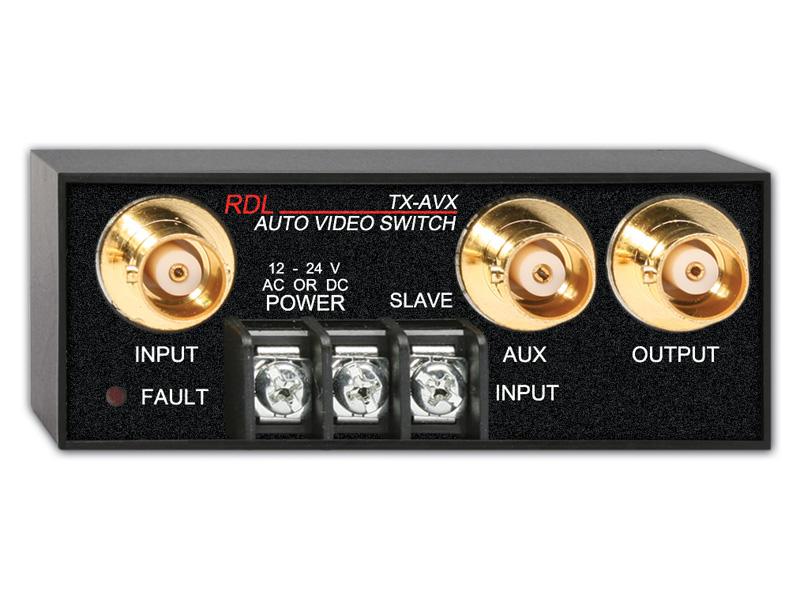
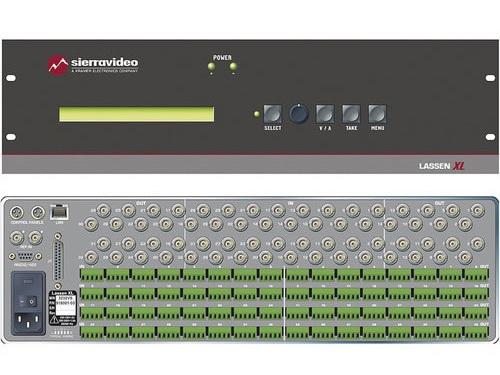
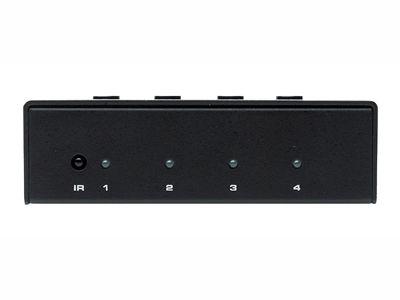
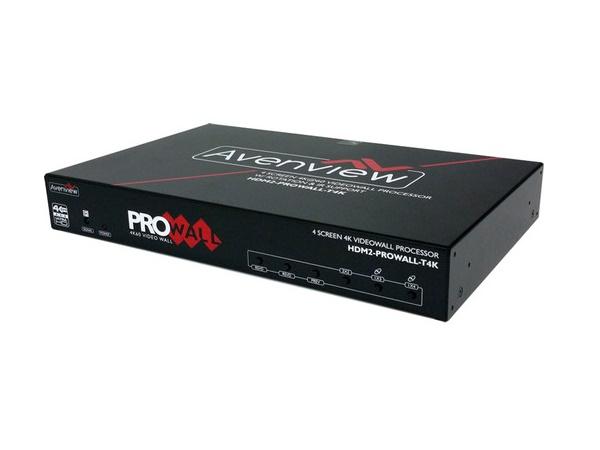
Composite video switchers route multiple composite video sources to one or more composite outputs. Composite video is the most common analog video interface and carries standard-definition video quality at 480i (NTSC) or 576i (PAL) resolution. Composite switchers come in different configurations including simple 4x1 input-to-output switching, fixed input/output matrix switchers, modular matrix configurations, and seamless switchers for professional applications.
When searching for the right composite switcher, keep in mind that composite uses two types of connectors: RCA and BNC. RCA is the consumer standard (red-yellow-white connector arrangements, with yellow specifically for composite video). BNC is the professional standard, with a locking quarter-turn mechanism preferred in broadcast and security applications. The switcher's connectors must match the source and destination equipment; mismatched connectors require adapter cables. Some switchers include both RCA and BNC connectors for flexibility.
Composite video comes in regional standards. NTSC is the standard in North America, Japan, and parts of South America. PAL is used in most of Europe, Asia, Africa, Australia, and parts of South America. SECAM is the standard in France and some Eastern European countries. The switcher and connected equipment must all use the same standard, or the switcher must include format conversion (less common). Modern composite switchers often auto-detect NTSC and PAL; SECAM is rarer.
Composite switchers come in several configurations. Simple switchers are basic 4-input by 1-output (or similar small configurations) for installations where multiple composite sources share one display. Fixed input/output matrix switchers come in standard sizes (4x4, 8x8, 16x16, 32x32) for multi-display installations. Modular matrix switchers let installers customize input and output counts in one chassis. Seamless switchers provide high-performance switching with no visible disturbance, important for professional presentations and broadcast applications.
Controlling composite switchers is simple. Front panel buttons allow manual selection at the switcher itself. IR remote control provides convenient operation from the viewing position. RS-232 serial control enables integration with control systems and automated operation. Some newer composite switchers also include IP control for network-based management, though this is less common for composite given that composite itself is a legacy format. Quality switchers support multiple control interfaces simultaneously.
The composite era is nearing its end with the rise of HDMI and other digital interfaces, but composite switchers remain in use in specific applications. Gaming centers preserving original consoles on period CRT displays. Training facilities with VHS and DVD source material that hasn't been migrated to digital. Commercial applications with legacy infrastructure that operates reliably and doesn't justify replacement. Security and CCTV installations with analog cameras still in service. Broadcast monitoring of SD program feeds in older facilities. Museums and exhibits with period equipment.
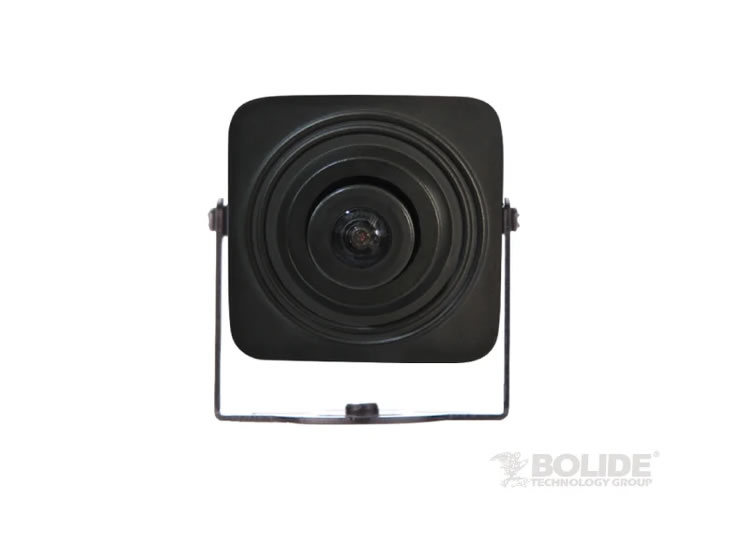
The largest single use of composite switching today is security CCTV with analog cameras. Many existing security installations have dozens or hundreds of analog cameras feeding a central monitoring location, with composite switching used to display selected cameras on monitoring screens. While modern security installations have migrated to IP cameras, the analog installed base remains large and continues to use composite switching for monitoring and recording.
Composite switchers serve legacy commercial AV installations: gaming centers (multiple original consoles sharing displays), training facilities (VHS and DVD source equipment with composite output to displays), commercial applications with legacy infrastructure (older retail, hospitality, and corporate installations), security CCTV (analog cameras to monitoring stations via matrix composite switching), broadcast SD monitoring (composite signals in older broadcast facilities), museum AV exhibits (period equipment preserving original viewing experience), and any installation where composite video equipment continues to operate and needs to share displays or route between multiple destinations.
Composite switchers use two main connector types: RCA (the consumer standard, the yellow-red-white connectors found on most consumer video equipment, with yellow specifically for composite video) and BNC (the professional standard, with a locking quarter-turn mechanism preferred in broadcast and security applications). Some switchers include both types for flexibility, accepting RCA from consumer sources and BNC from professional sources, with corresponding output options. Always match the switcher's connectors to the source and destination equipment, or use adapter cables for mismatched setups.
These are regional composite video standards. NTSC is used in North America, Japan, and parts of South America (525 lines at 30 fps). PAL is used in most of Europe, Asia, Africa, Australia, and parts of South America (625 lines at 25 fps). SECAM is the standard in France and some Eastern European countries (625 lines at 25 fps with different color encoding than PAL). The switcher, sources, and displays must all use the same standard; mismatches produce no picture, monochrome only, or distorted color. Modern composite switchers often auto-detect NTSC and PAL; for SECAM installations, verify the switcher supports it.
Composite remains in use in several specific applications. Security and CCTV with installed analog camera infrastructure (still in use in many existing systems, though new installations have moved to IP cameras). Gaming centers preserving original consoles on period displays. Training facilities with VHS and DVD source material. Legacy commercial AV with infrastructure that operates reliably and doesn't justify replacement (older retail, hospitality, corporate). Broadcast monitoring of SD program feeds. Museum AV exhibits. As long as the installed base exists, composite switching continues to serve these applications.
Use a basic composite switcher (4x1, 8x1) for installations where multiple composite sources share one display: a training room with multiple DVD and VHS players to one projector, a small monitoring station with multiple cameras to one monitor. Use a composite matrix switcher (4x4, 8x8, 16x16) for installations where multiple composite displays need to show different content from multiple sources: security operation centers with multiple cameras feeding multiple monitoring stations, training facilities with multiple source rooms feeding multiple classroom displays. Modular matrix switchers let you customize input and output counts in one chassis for installations expecting future expansion.
Most composite switchers include separate audio handling, typically with stereo RCA audio inputs and outputs paralleling each composite video input and output. The audio routes alongside the corresponding video, so selecting composite input 3 also routes audio input 3 to the audio output. This keeps video and audio synchronized through the switcher. Without parallel audio handling, video and audio paths need separate switchers, complicating the installation. Always verify audio support when choosing a composite switcher; some budget switchers handle video only.
Security CCTV (analog cameras to monitoring stations via matrix composite switching; this is the largest single use today), legacy commercial AV installations (gaming centers with original consoles, training facilities with VHS and DVD source equipment, older retail and hospitality with composite infrastructure), broadcast SD monitoring (composite signals in older broadcast facilities), museum AV exhibits (period equipment preserving the original viewing experience), and any installation where composite video equipment continues to operate. While new installations rarely use composite, the existing installed base of composite equipment continues to require composite switching for the foreseeable future.

On order over $300 and more for US and US territory

We Offer a 30-Day Money Back Guarantee

Full manufacturer's warranty and quality assurance

Safe checkout with trusted payment providers