




Start typing to see results...
Find the perfect solution
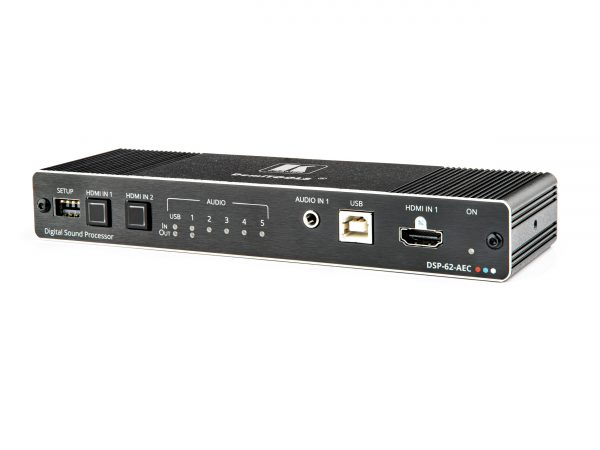
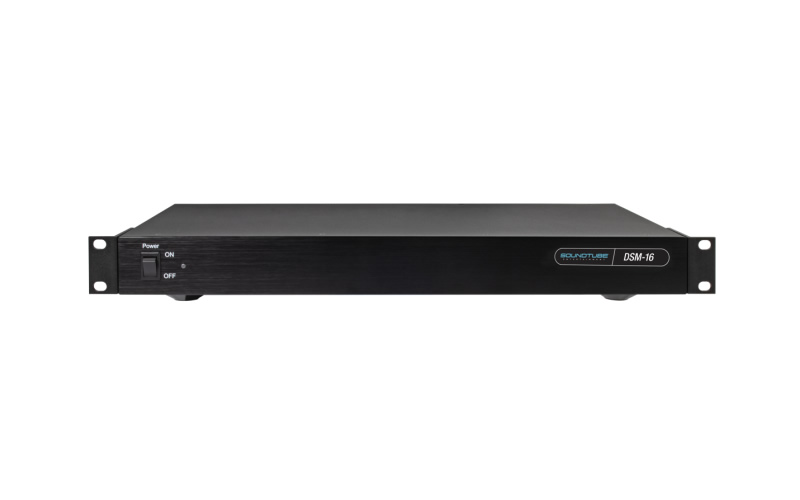
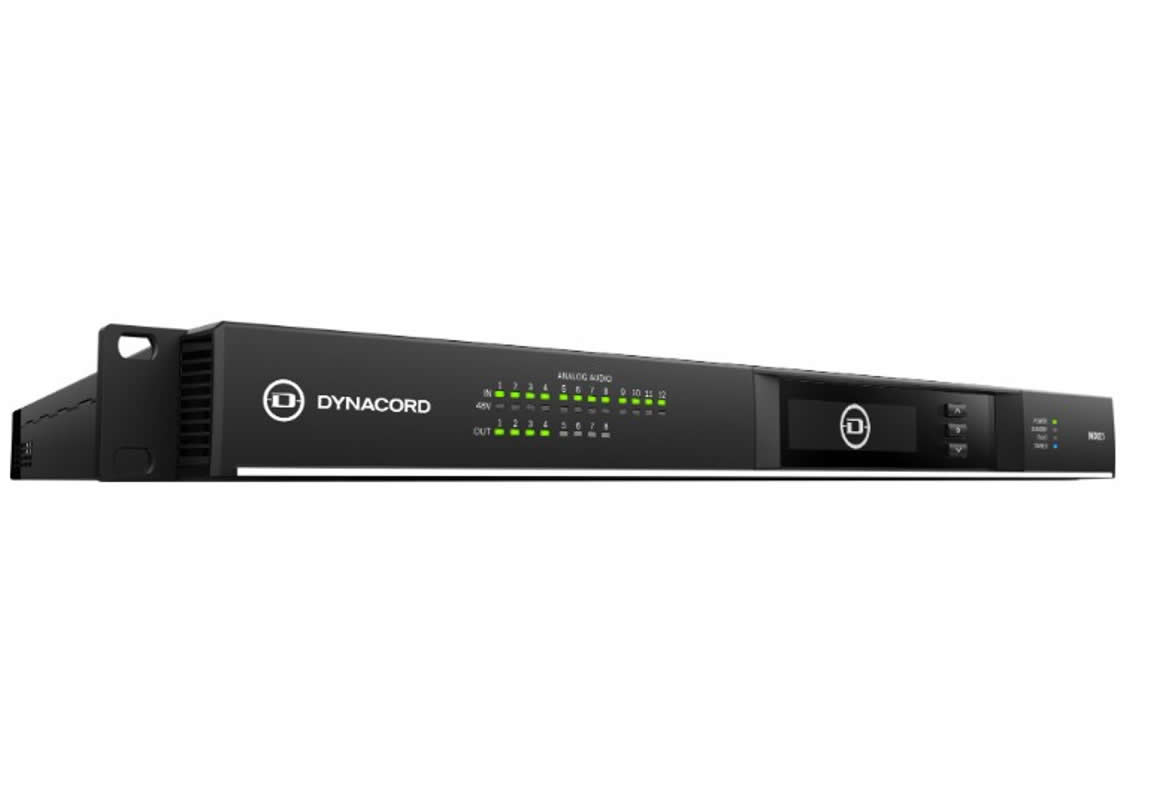
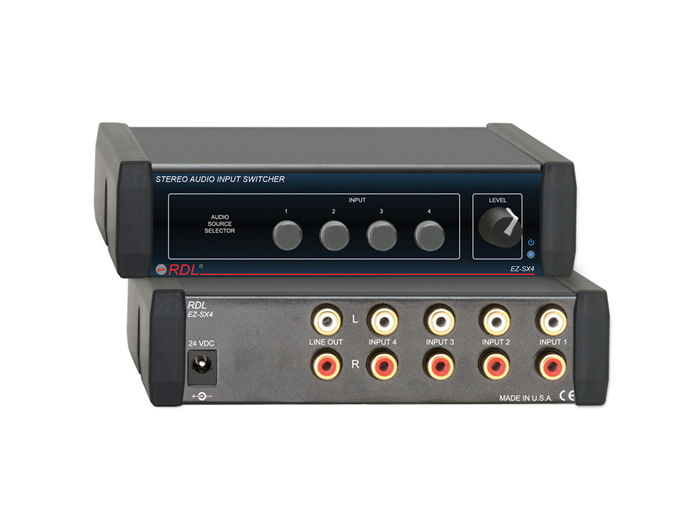
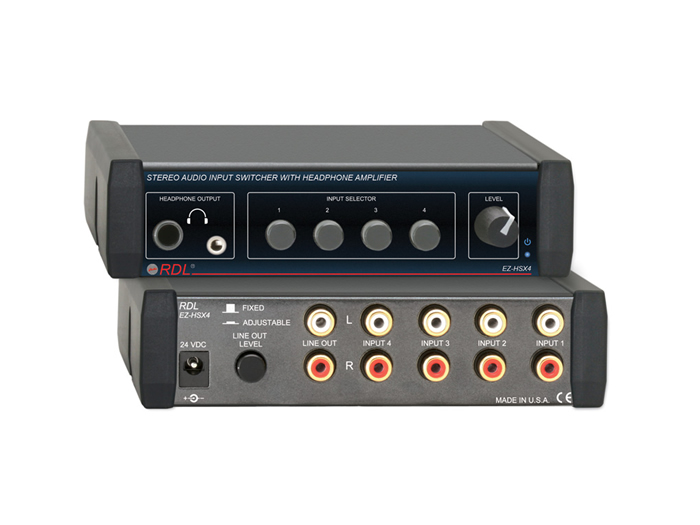
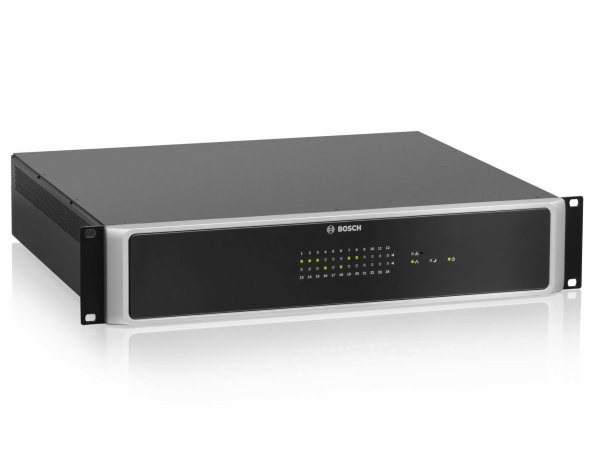
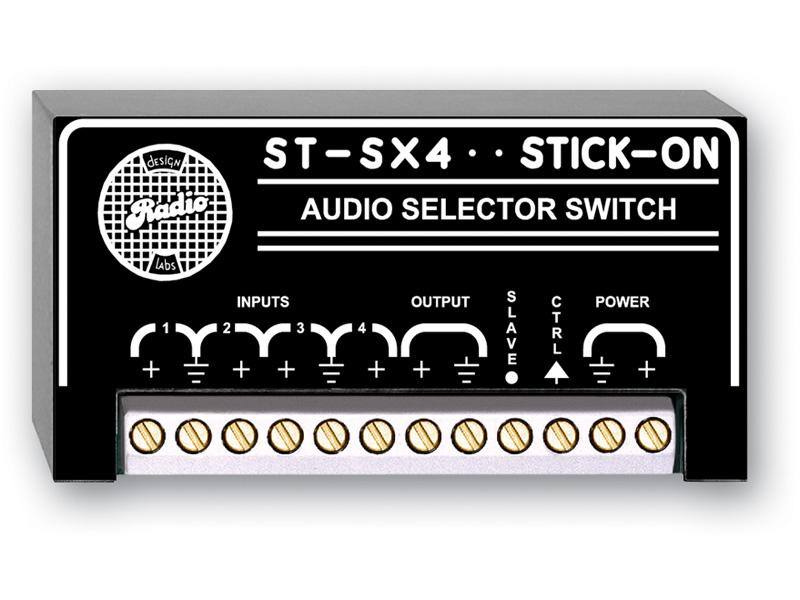
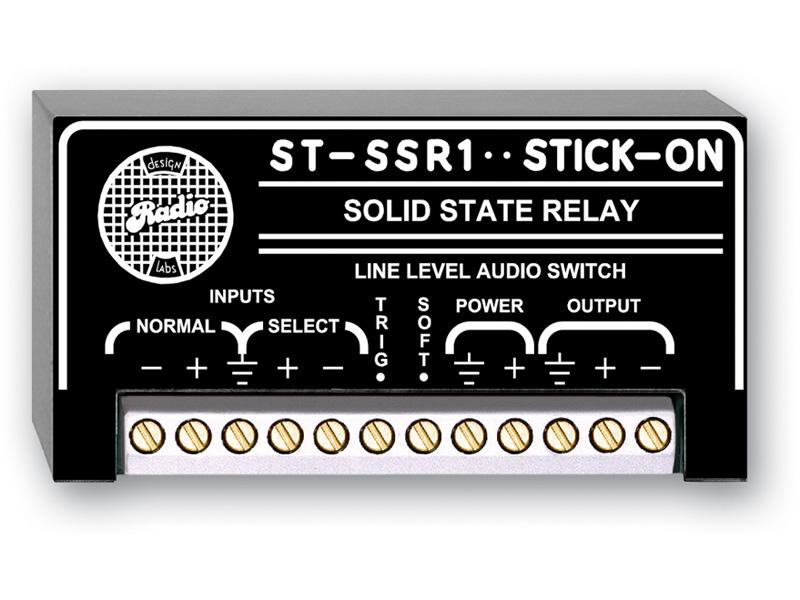
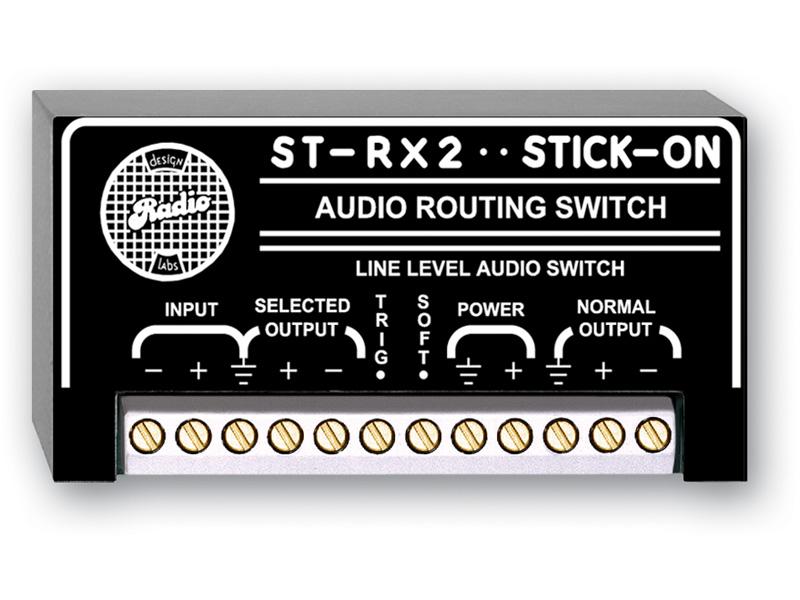
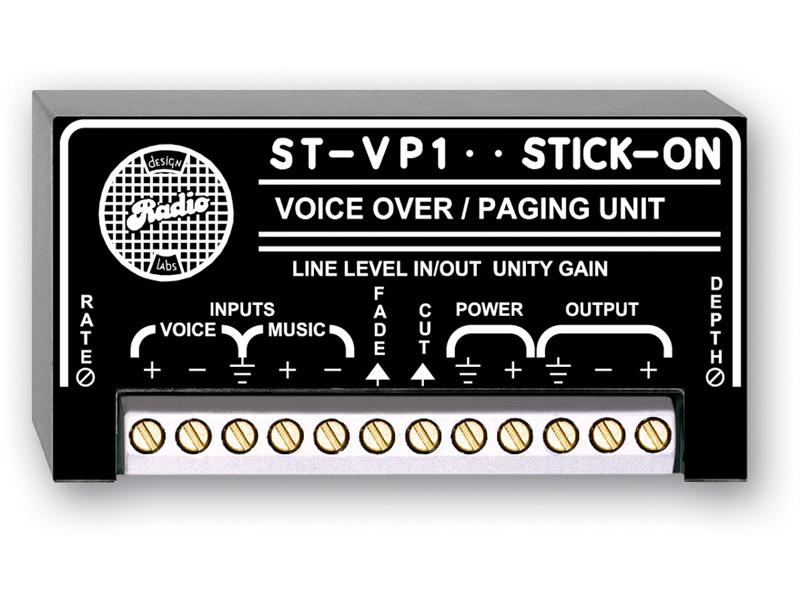
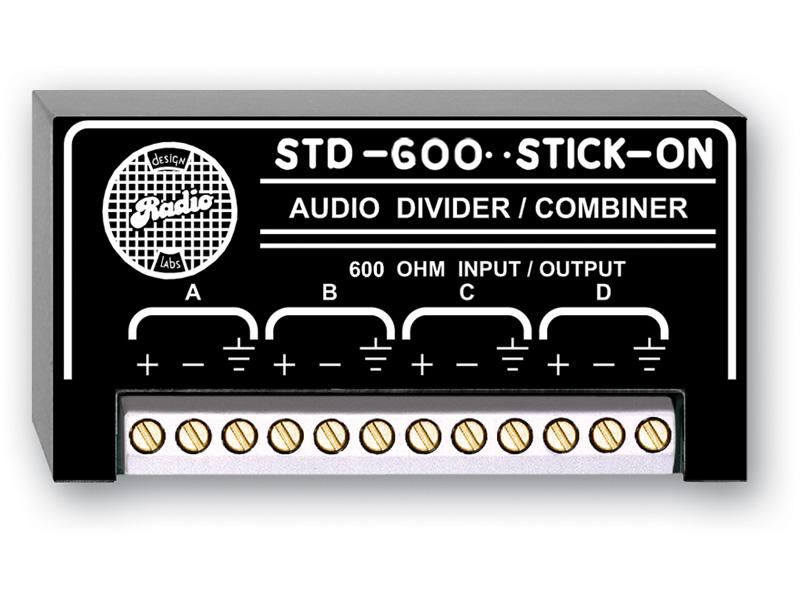
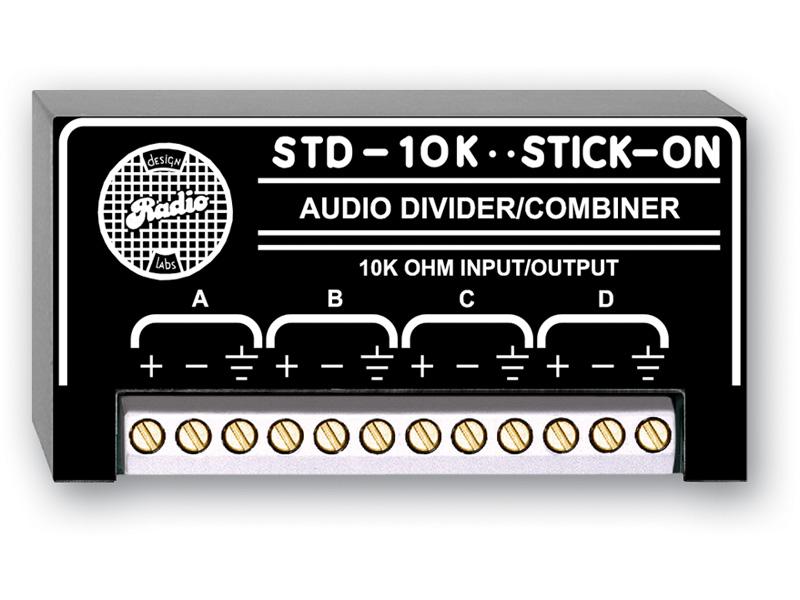
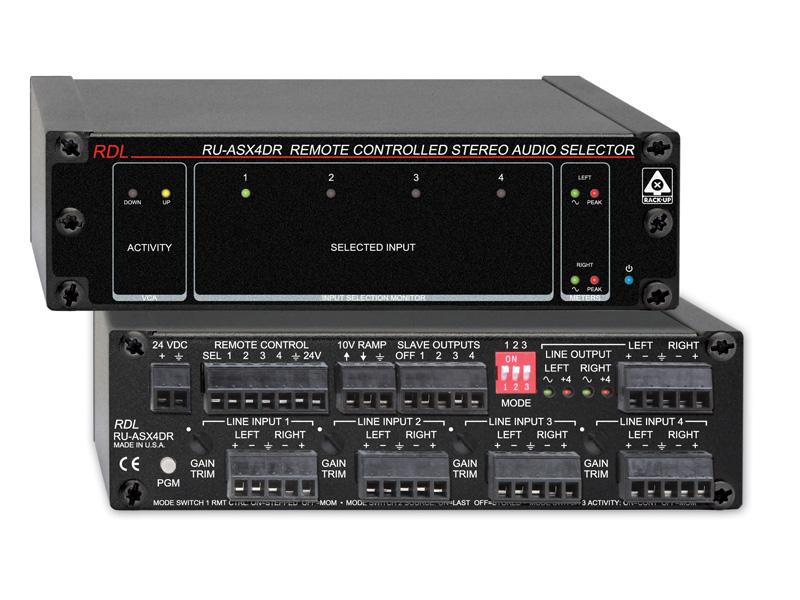
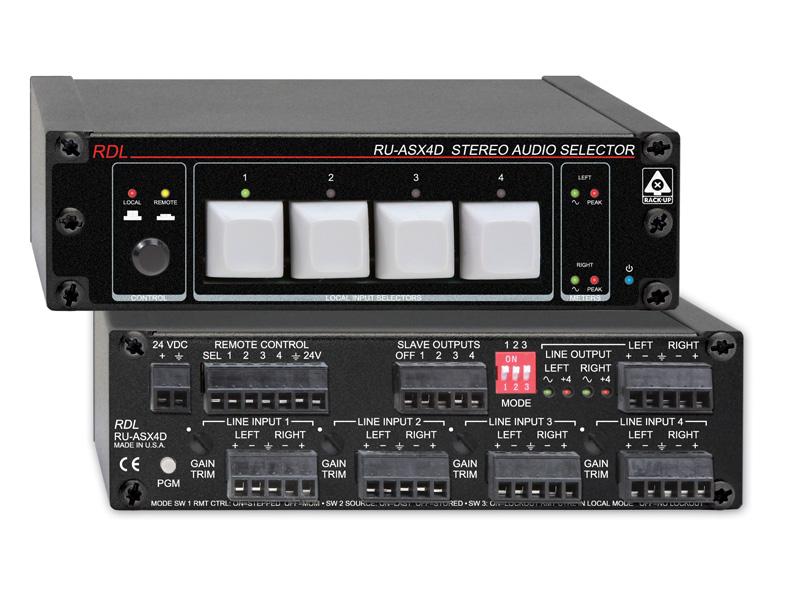
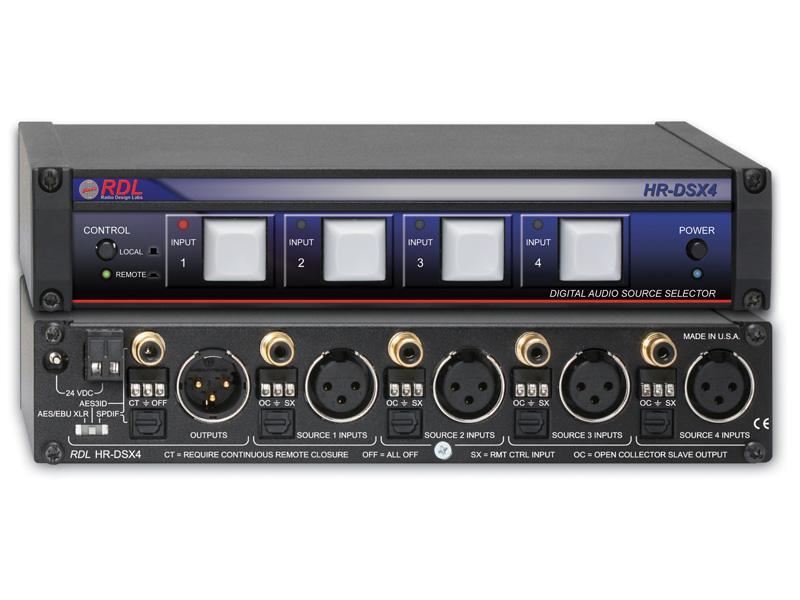
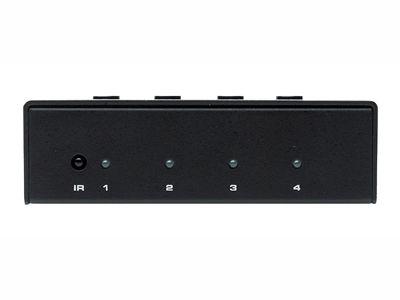
Audio switchers route multiple audio sources to one or more audio outputs, allowing one operator (or an automated system) to select which audio source is active at any time. They are the audio equivalent of video switchers and serve similar functions: selecting among multiple sources, distributing audio to multiple destinations, and providing centralized routing in audio installations. Audio switchers come in many formats matching the audio signal types in use: balanced (XLR, TRS), unbalanced (RCA, 3.5 mm), digital (SPDIF, TOSLINK, AES/EBU), and specialty audio formats.
The simplest audio switcher is multi-input single-output: several audio inputs with the user selecting which is routed to the output. Common configurations: 2x1, 4x1, 8x1. These switchers serve installations where multiple sources share one amplifier or audio system: residential AV (CD player, streaming device, computer audio sharing the receiver), conference rooms (multiple microphone or program audio sources), and similar single-output applications. Most commercial AV installations also need switching between sources at some point.
Audio matrix switchers route any input to any output independently. An 8x8 audio matrix has 8 inputs and 8 outputs, with any input routable to any output simultaneously. Audio matrix switchers serve installations with multiple audio zones: a restaurant with different music in dining areas, bar, and patio (one source feeding multiple zones, or different sources to each zone), a multi-room residential audio system, a corporate training facility with multiple training rooms, and any installation where audio needs to be independently routed to multiple destinations.
Audio switchers come in balanced (XLR, TRS) and unbalanced (RCA, 3.5 mm) configurations. Balanced switchers serve pro audio applications: live sound, broadcast, recording, conference rooms with quality microphone systems. Unbalanced switchers serve consumer audio applications: home theater, residential AV, simple commercial installations. Some switchers handle both with universal inputs that accept either format. Always match the switcher to the dominant audio signal type in your installation.
For installations with digital audio sources (HDMI audio extracted to SPDIF, AES/EBU digital between pro equipment, TOSLINK from consumer devices), digital audio switchers route digital signals between equipment. Digital switching has advantages over analog: no signal degradation through the switching, no noise pickup, and consistent quality regardless of source level. Digital audio switchers are common in pro audio installations and increasingly in commercial AV with HDMI audio handling.
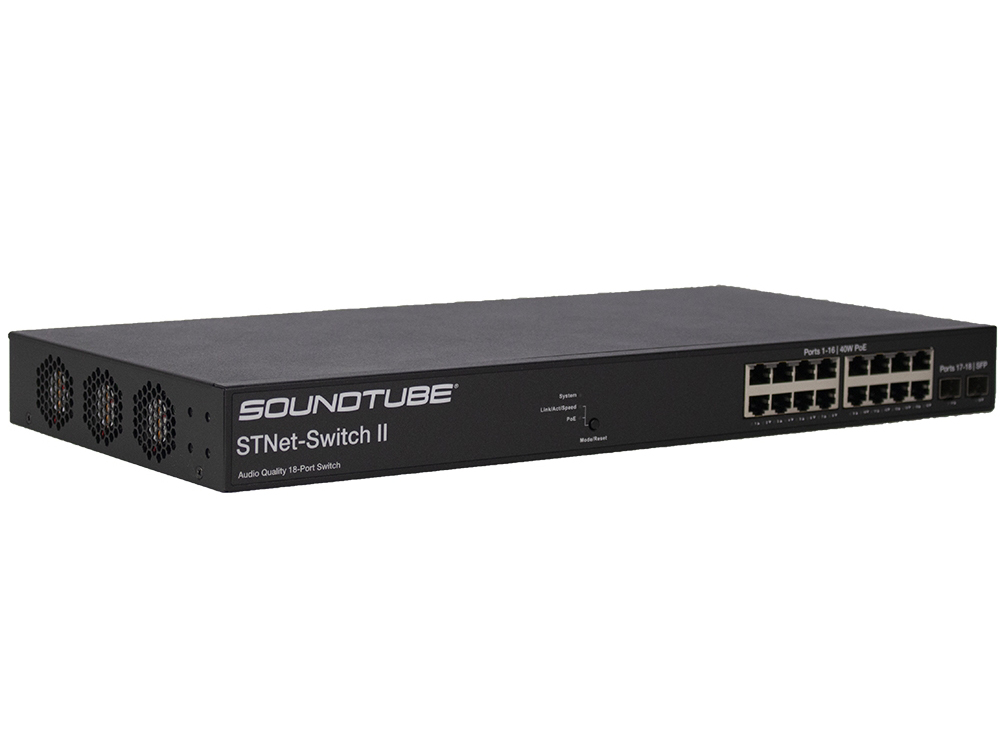
Modern large-scale audio installations often use networked audio protocols (Dante, AES67, AVB) instead of traditional analog or digital point-to-point switching. In networked audio, every source and destination connects to a standard managed network, with audio routing handled in software rather than physical switching hardware. Networked audio scales much better than traditional switching for installations with many sources and destinations (large worship spaces, corporate campuses, broadcast facilities, theatrical productions). For installations with 16 channels or more across many zones, networked audio is often more cost-effective than traditional matrix switching.
Many audio switchers include built-in features beyond pure switching: independent volume control per output (matching levels across different zones), basic EQ for each input or output (compensating for source level differences), routing presets (saving and recalling common configurations), and integration with audio digital signal processors (DSP). Quality switchers integrate switching with these features for complete audio routing solutions.
Audio switchers support multiple control interfaces. Front panel controls for manual operation at the switcher, IR remote control for handheld operation, RS-232 serial control for integration with control systems, IP control over network for modern installations, and increasingly Web-based user interfaces and apps for installations where users control audio routing themselves. Quality switchers support multiple control methods simultaneously.
Audio switchers are essential in commercial AV with multiple audio sources or destinations: residential home theater (multiple sources sharing the AV receiver), conference rooms (microphone routing, program audio selection), houses of worship (multiple cameras, microphones, and playback sources feeding the audio system), restaurants and bars (multi-zone music with different content in different areas), live sound (input switching during events, multi-zone monitor routing), broadcast and recording (audio source switching for production), education (classroom audio routing, lecture capture with switching between sources), and any installation where audio needs to be selected from multiple sources or distributed to multiple destinations.
You need an audio switcher whenever you have multiple audio sources that need to share one or more audio outputs, or when you need to route audio independently to multiple destinations. Common scenarios: residential home theater with multiple audio sources sharing an AV receiver, conference rooms with multiple microphone and program audio sources feeding one audio system, houses of worship with multiple platform microphones, computer sources, and playback feeding the sound system, restaurants with multi-zone background music, and broadcast facilities with multiple source feeds. The switcher provides centralized routing instead of manually swapping audio cables when sources change.
A basic audio switcher has multiple inputs and one output (typically 2x1, 4x1, 8x1): it routes one source at a time to the single output. A matrix audio switcher has multiple inputs and multiple outputs (4x4, 8x8, 16x16): it routes any input to any output independently for simultaneous routing. Use basic switchers when multiple sources share one destination (a residential AV receiver, a single mix output). Use matrix switchers when you need independent routing to multiple zones or destinations: multi-zone restaurants with different music in different areas, multi-room residential audio, broadcast monitoring with multiple operator positions.
Choose balanced (XLR, TRS) audio switchers for pro audio applications: live sound, broadcast, recording, conference rooms with quality microphones, and any installation with long audio cable runs (balanced cancels out interference picked up along the cable). Choose unbalanced (RCA, 3.5 mm) audio switchers for consumer audio applications: home theater, residential AV, and simple commercial installations with short cable runs. Match the switcher to the dominant audio format in your installation. Some switchers handle both formats with universal inputs, useful for installations bridging consumer and pro audio.
Digital audio switching routes digital audio signals (SPDIF, AES/EBU, TOSLINK, HDMI audio) between equipment without converting to analog. This provides no signal degradation through the switching, no noise pickup from cabling, and consistent quality regardless of source level. Digital audio switching is preferred in pro audio installations (broadcast, recording, large worship installations) and increasingly in commercial AV where HDMI audio extraction creates digital audio that benefits from digital routing. The trade-off: digital switching requires compatible digital sources and destinations; mixed analog/digital systems may need conversion.
Use networked audio when the installation has many channels across many zones or locations, when audio infrastructure must be flexible (frequent changes to routing), when audio integrates with other networked AV infrastructure, or when traditional switching's cable complexity becomes unmanageable. For installations with 16 channels or more across multiple zones (large worship spaces, corporate campuses, theatrical productions), networked audio is often more cost-effective than traditional matrix switching. For smaller installations or installations with simple routing needs, traditional switchers are simpler and cheaper.
Residential home theater (multiple audio sources sharing the AV receiver), conference rooms and boardrooms (microphone routing, program audio selection, video conferencing return audio integration), houses of worship (multiple platform microphones, computer sources, video sources, and playback feeding the audio system), restaurants and bars (multi-zone music with different content in different areas: dining, bar, patio, kitchen, restrooms), live sound (input switching during events, multi-zone monitor routing for performers), broadcast and recording studios (audio source switching for production, monitoring selection), education (classroom audio routing, lecture capture with switching between sources, distance learning audio routing), and any installation where audio needs to be selected from multiple sources or distributed to multiple destinations.

On order over $300 and more for US and US territory

We Offer a 30-Day Money Back Guarantee

Full manufacturer's warranty and quality assurance

Safe checkout with trusted payment providers