




Start typing to see results...
Find the perfect solution
Although Avprosupply has the legal right to set our own prices, some manufacturers place restrictions on how those prices may be advertised. This is why you may sometimes see requests like “add to cart for price”, “click here for price”, or “call for price”.
Specific actions required may vary based on the manufacturer's minimum advertised price policy. We'd love to show you our lowest price, quite simply, at the earliest possible time while shopping, but in these circumstances the manufacturers don't allow it. We realize this is an inconvenience and apologize. By ensuring we follow manufacturer advertising guidelines, Avprosupply is able to offer the very best pricing and value to our customers.
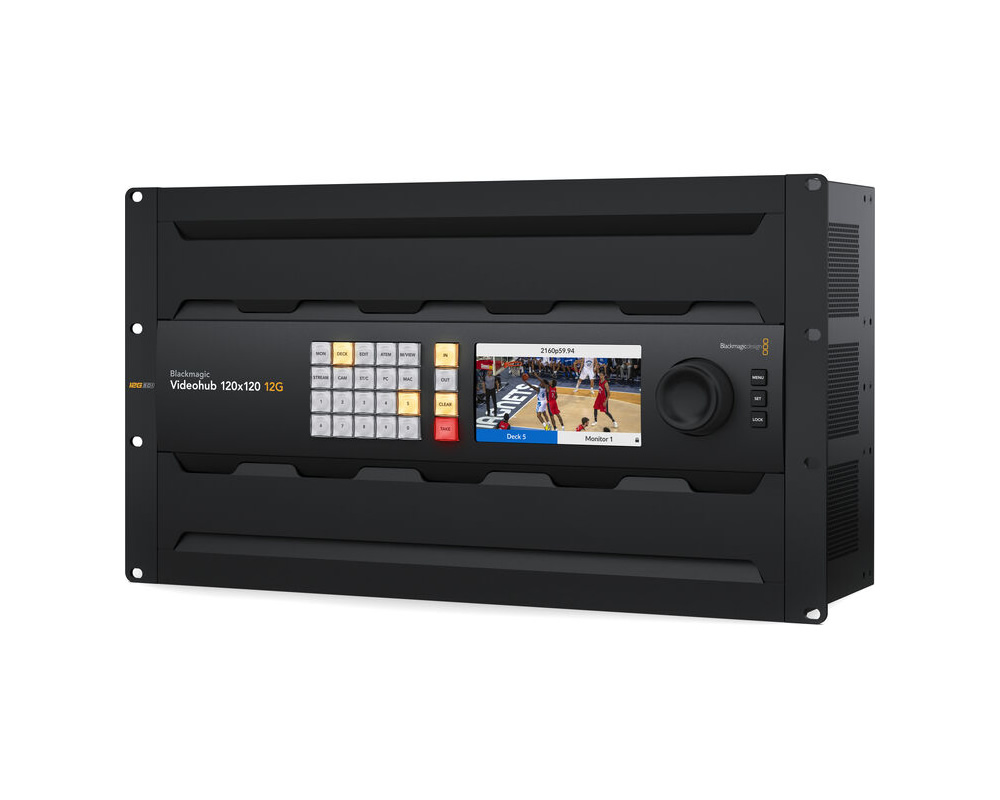
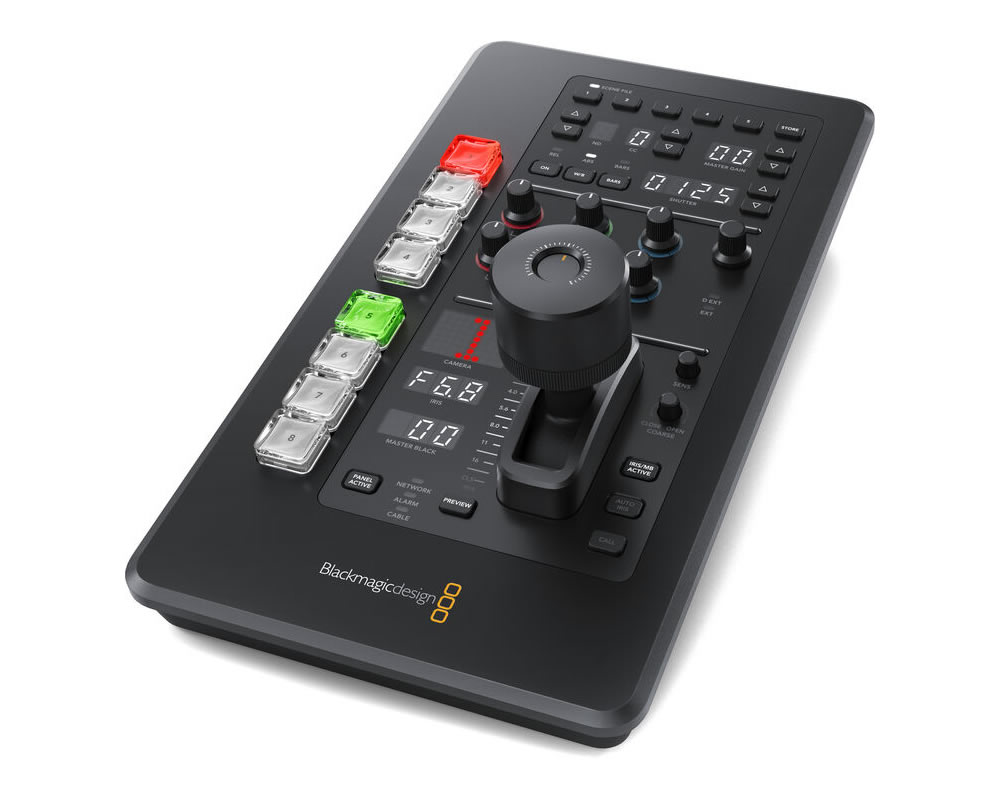
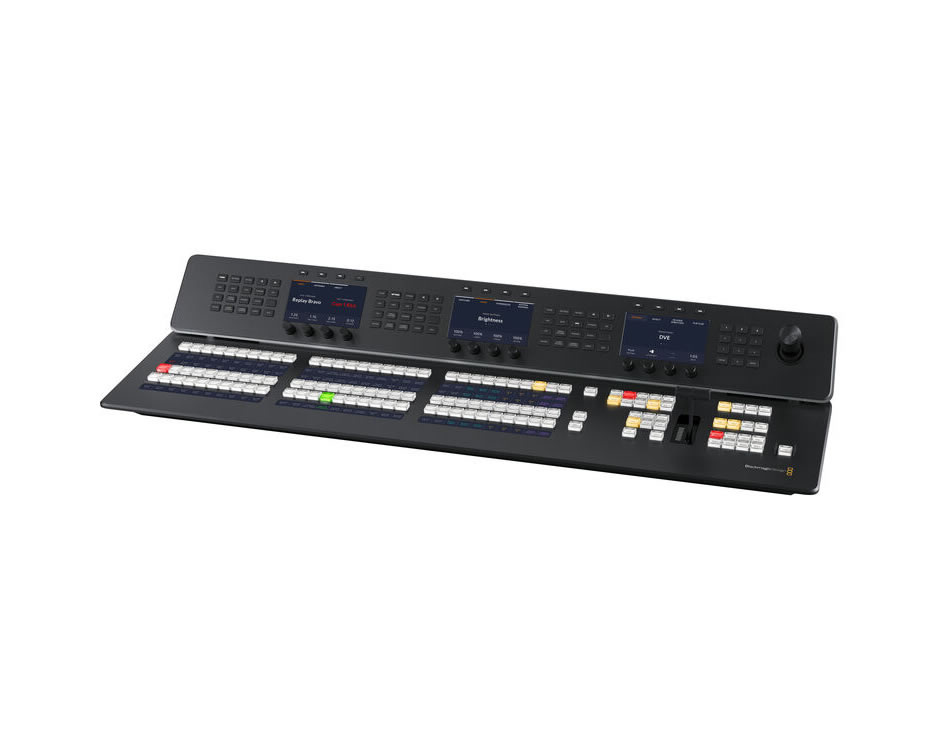
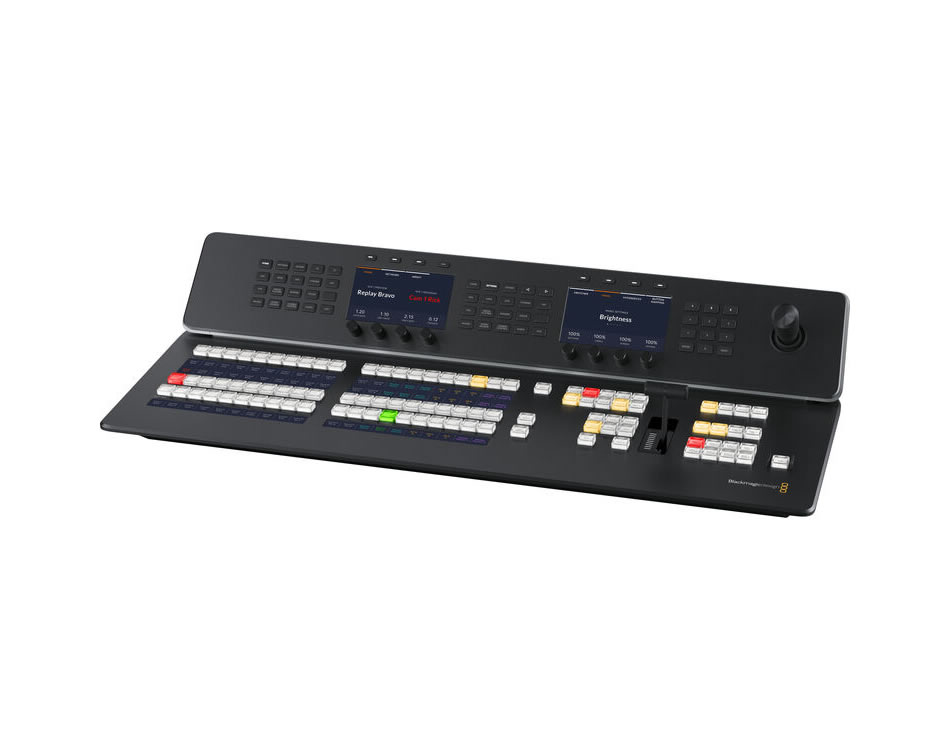
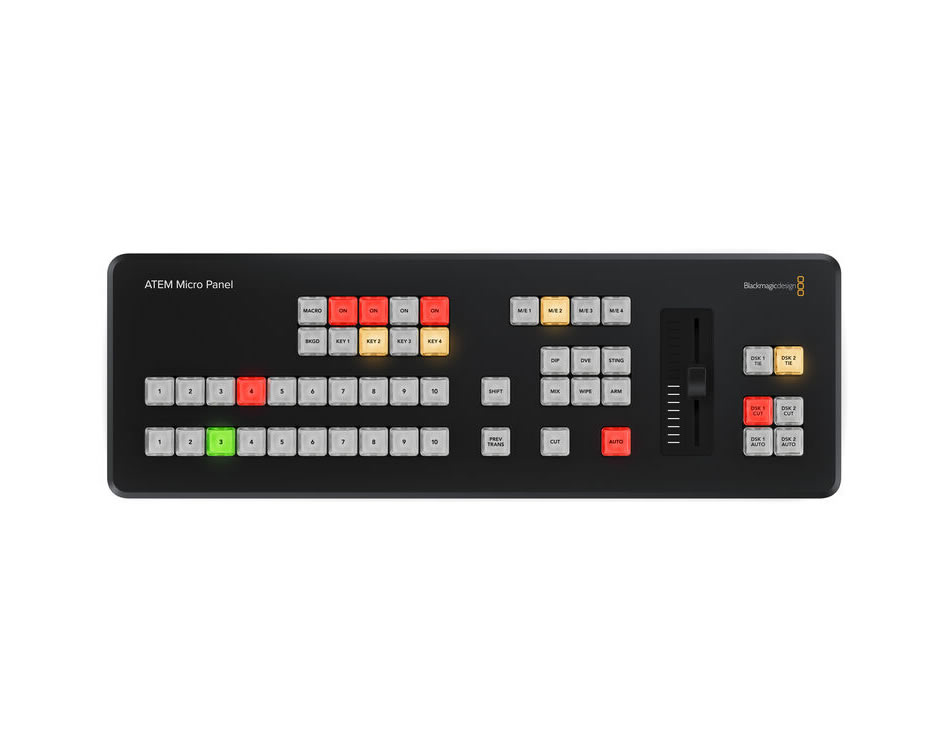
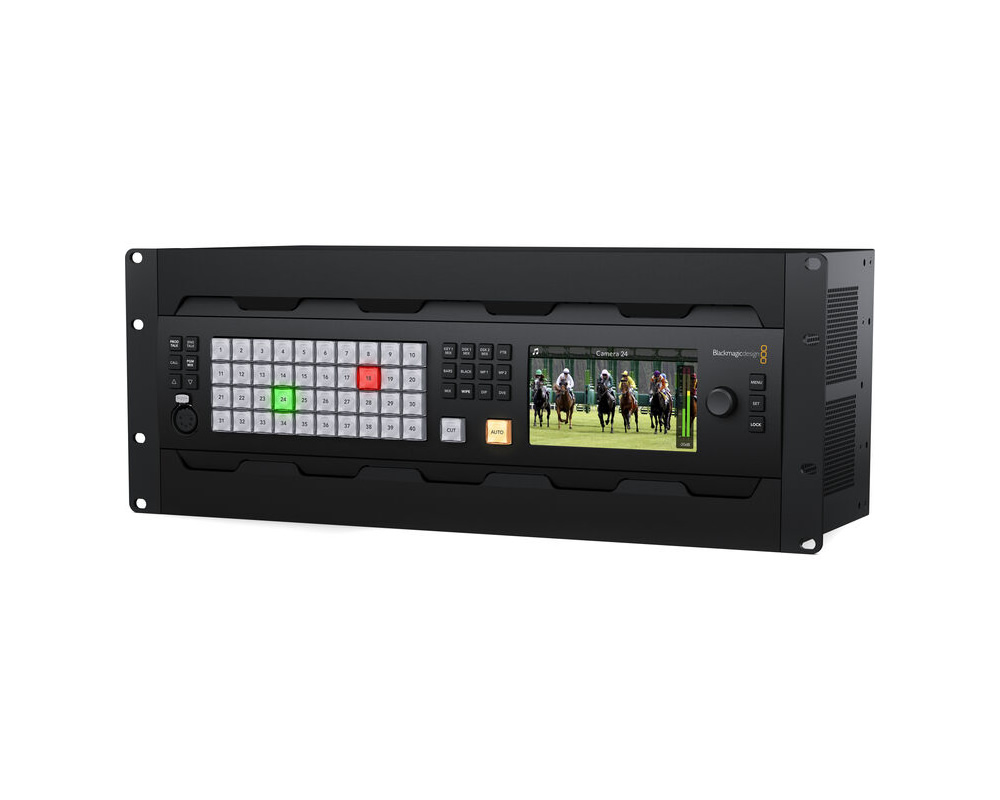
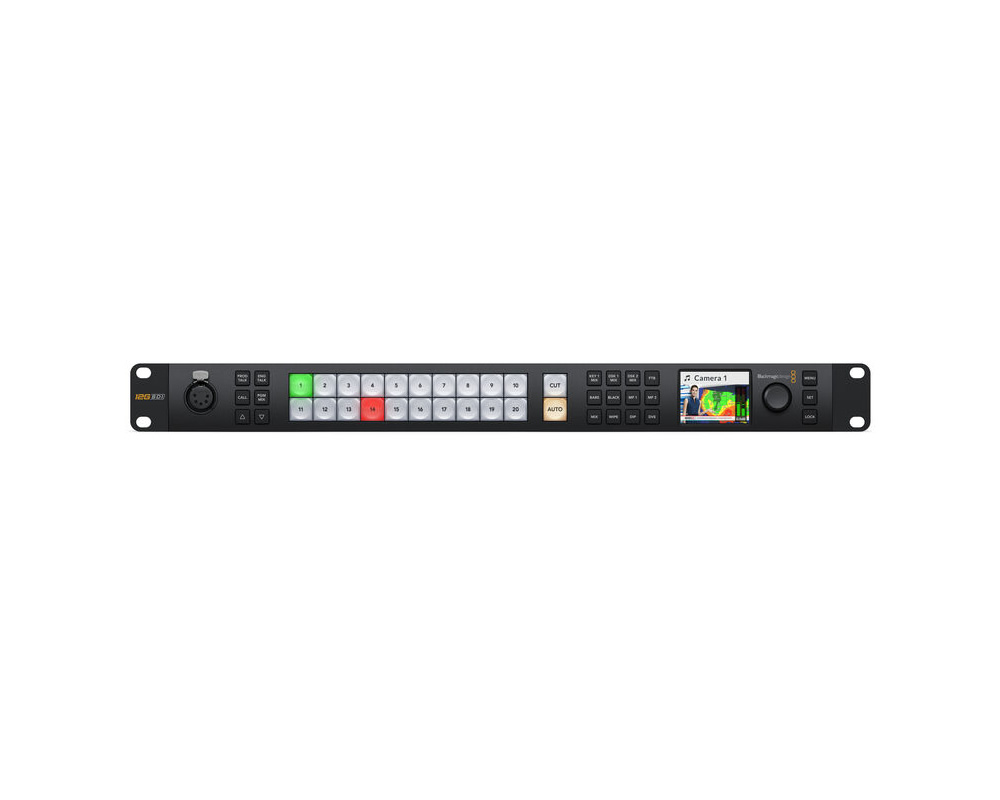
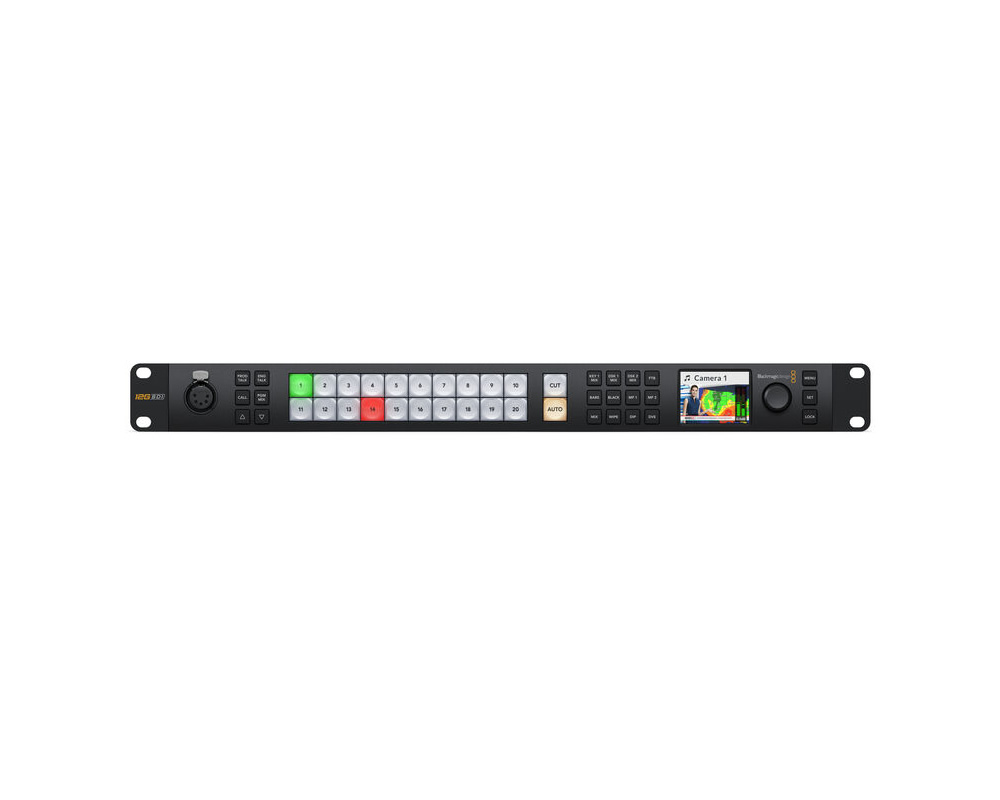
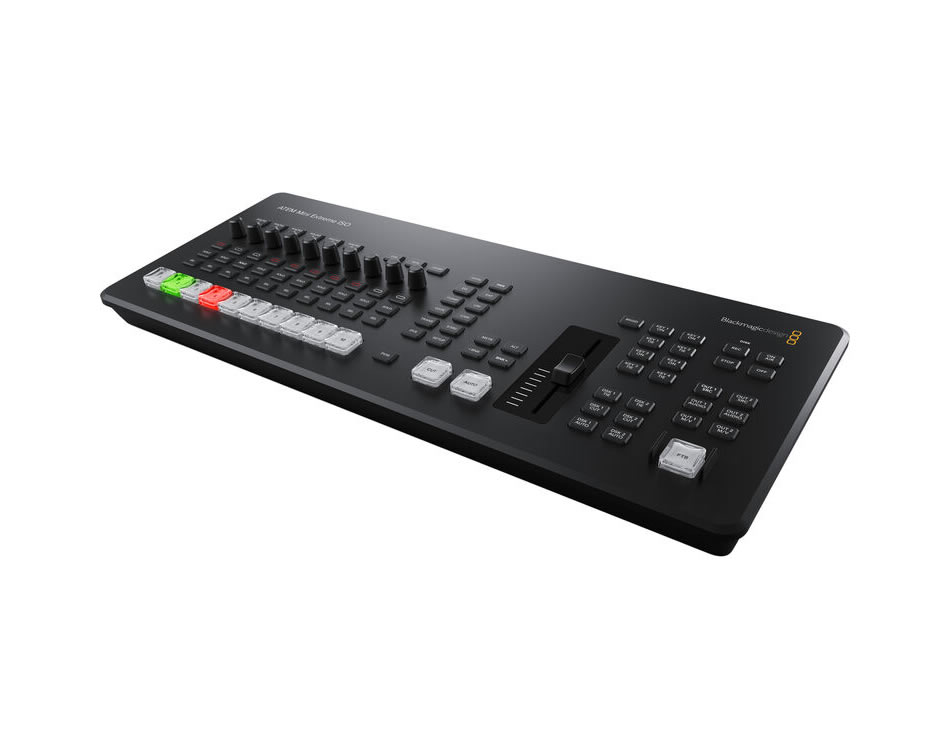
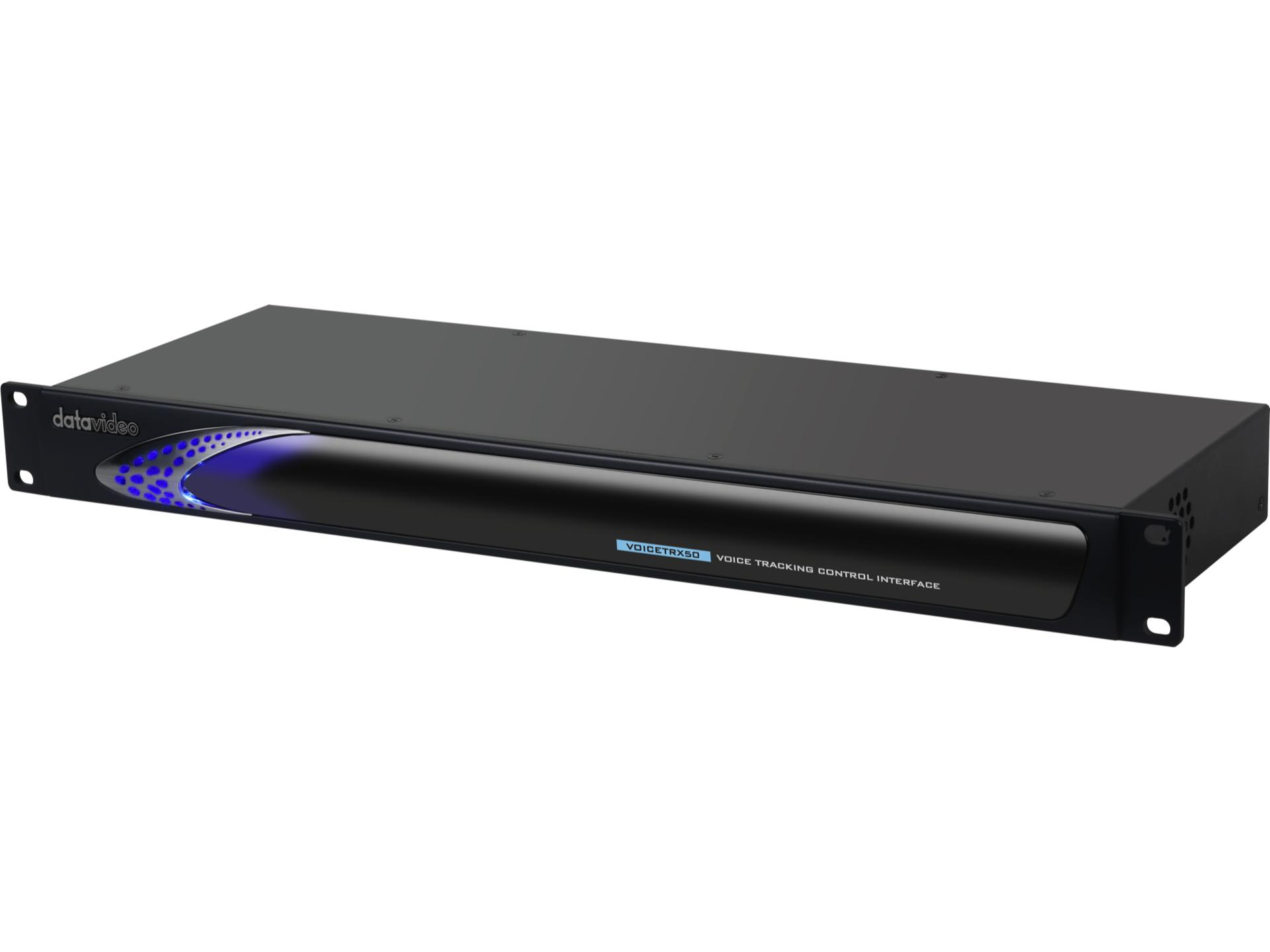
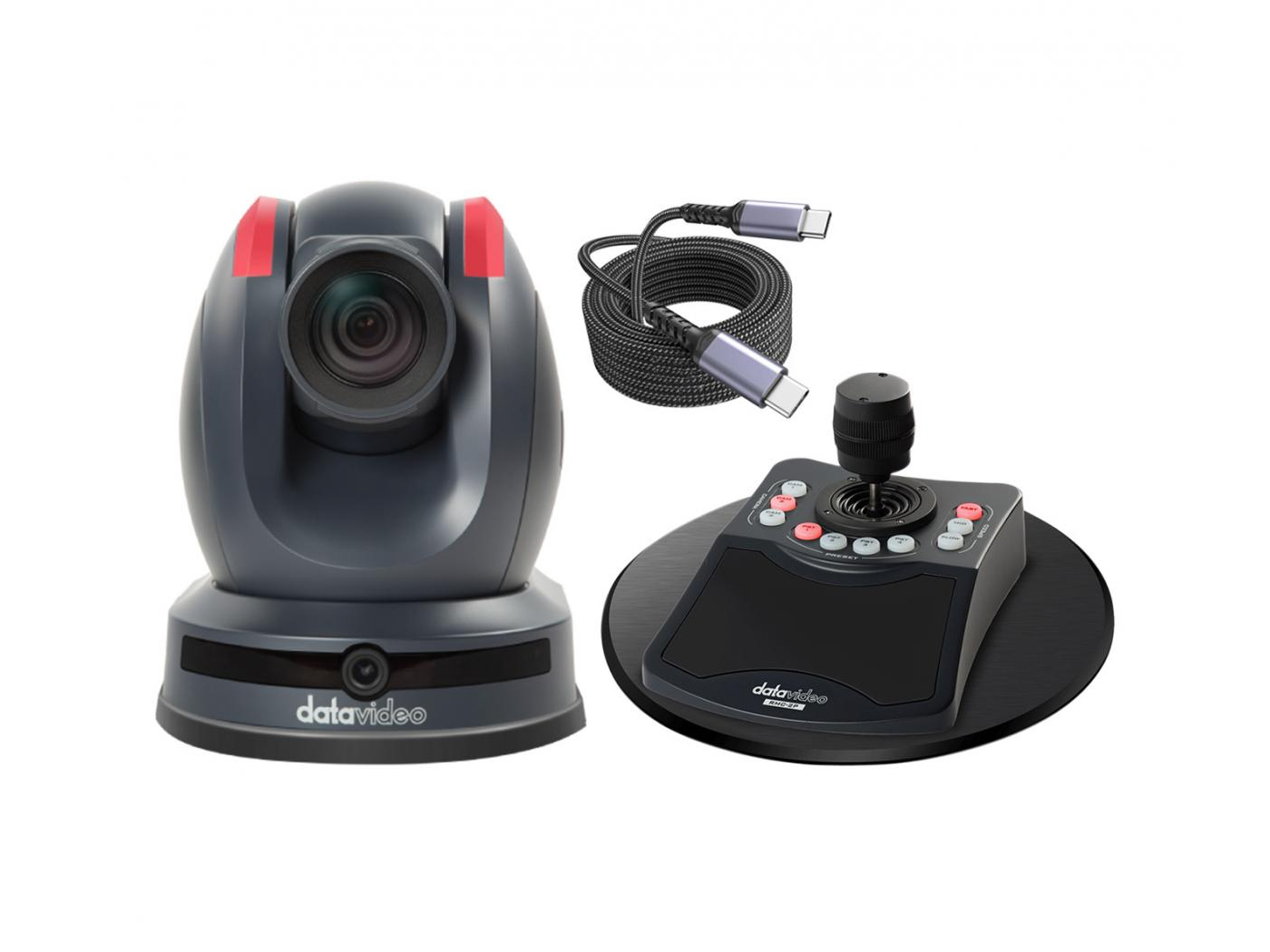
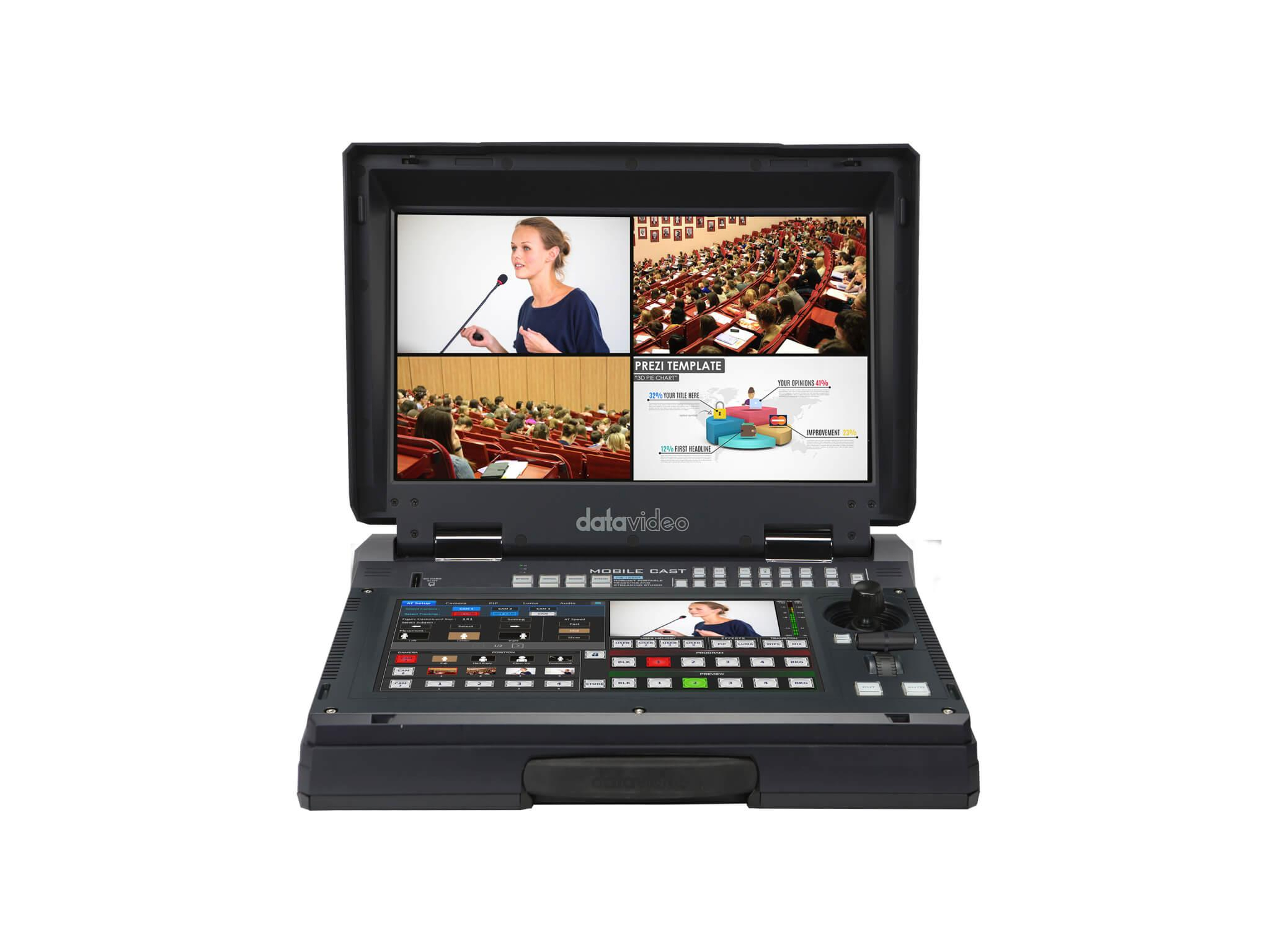
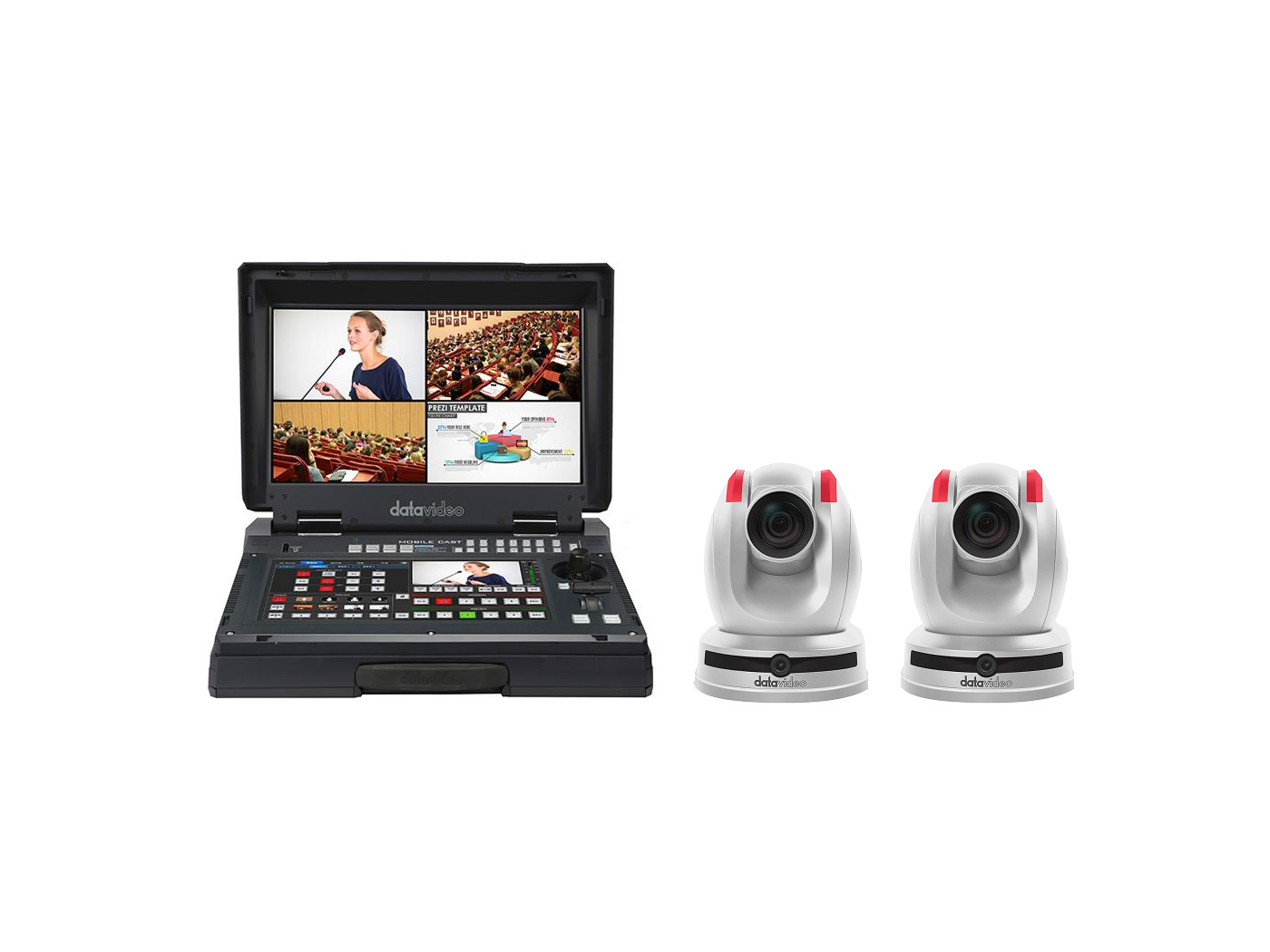
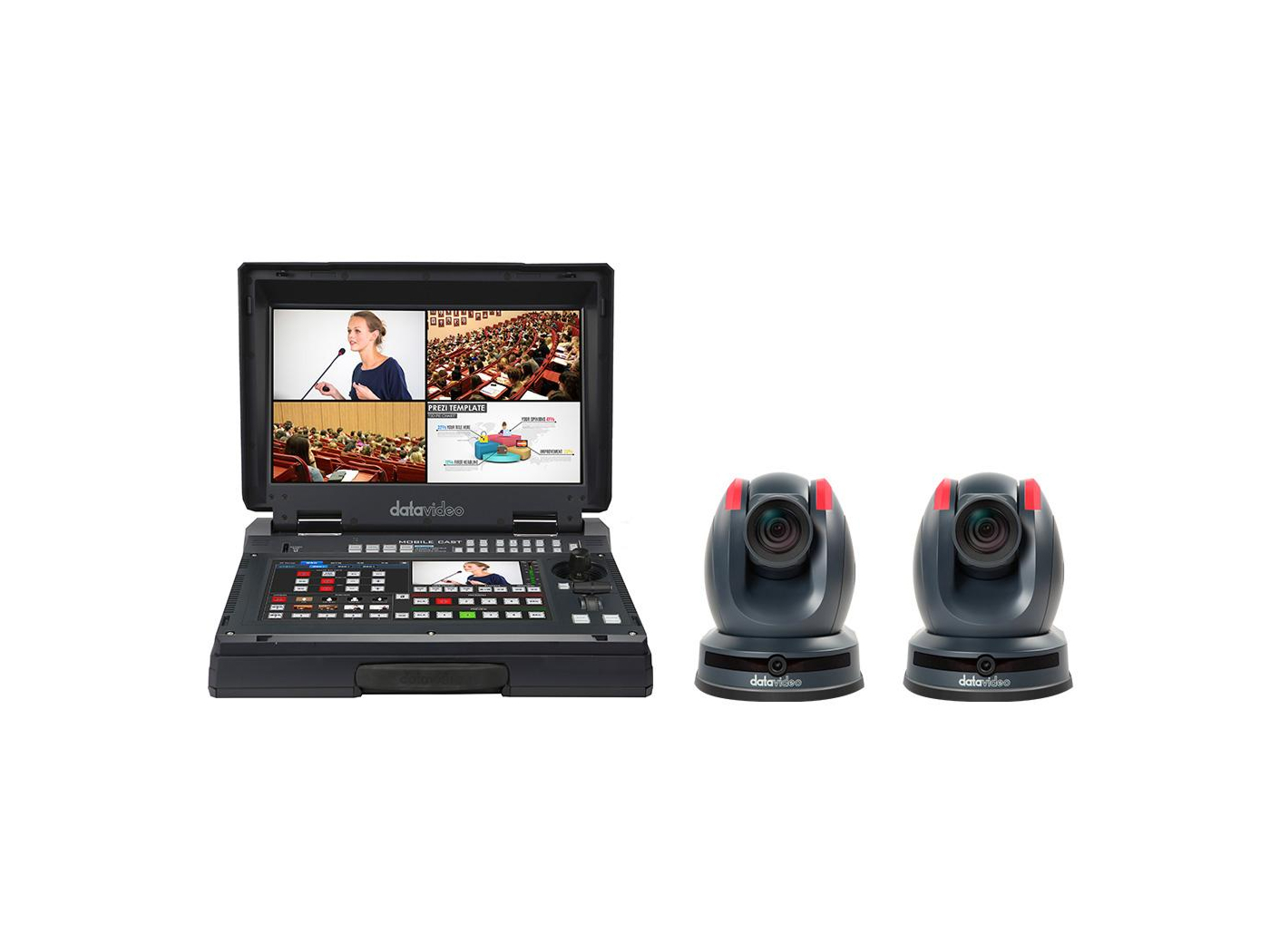
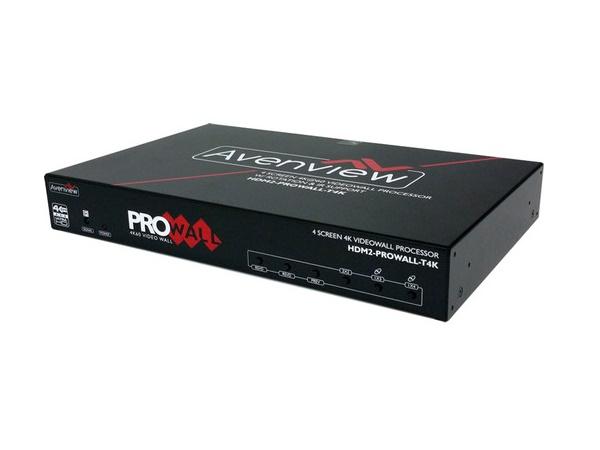
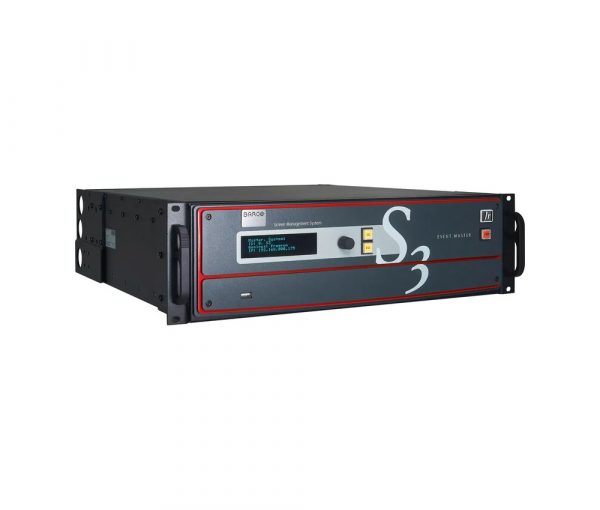
Production switchers (also called video production switchers, vision mixers, or "switchers" in broadcast terminology) are dedicated devices for live video production: switching between cameras, adding graphics and effects, mixing in playback sources, and producing a clean program output for live broadcast, streaming, or recording. They are the central tool of live production, used by the technical director (TD) or vision mixer during shows. While general AV switchers handle source routing, production switchers handle live production with the polish required for broadcast.
Production switchers come in many forms. Small hardware switchers (Blackmagic Design ATEM Mini, similar products) serve small live productions, houses of worship, education, and content creators with built-in graphics, transitions, and streaming output. Mid-size hardware switchers handle larger productions: more inputs, more outputs, more advanced effects. Large broadcast production switchers (Ross Carbonite, Sony switchers, Grass Valley GV switchers) serve full broadcast operations with extensive features. Software switchers (vMix, Wirecast, OBS Studio with production extensions) run on computers and provide similar functionality with the flexibility of computer software.
Production switchers accept various source types: SDI for broadcast cameras and professional sources (the standard in serious live production), HDMI for cameras and consumer/prosumer sources, NDI (Network Device Interface) for IP-based sources, file-based playback (graphics, animations, playback clips), still graphics, and computer sources via SDI or HDMI capture cards. Multi-format production switchers accept various source types simultaneously, common in modern productions with mixed equipment.
Production switchers organize their controls around mix-effects (M/E) banks: each M/E bank handles one production "layer" with sources, transitions, and effects. Small switchers have 1 M/E (one production layer plus program output). Mid-size switchers have 2 to 4 M/Es. Large broadcast switchers have 4 to 8 M/Es, supporting complex productions with multiple effects layers, sub-mixes feeding the main program, and effects feeding the program with their own internal mixing.
Production switchers handle transitions between sources: cuts (instant switches), dissolves (gradual fades between sources), wipes (geometric pattern transitions), and complex DVE (Digital Video Effects) like flying logos, picture-in-picture, and split screens. The switcher's effects capability determines what kind of productions it can do. For news and basic productions, simple cuts and dissolves suffice; for sports, music, and entertainment, more complex effects matter.
Live productions overlay graphics (lower thirds, scores, logos, on-screen titles) on the video. Production switchers handle this through chroma keying (replacing a green or blue color with a different source, used for weather presenters), luma keying (using brightness to determine transparency), linear and additive keying, and external graphics input from dedicated graphics systems. Quality keying is essential for clean live graphics; budget switchers often have visible edges or color fringing on keyed graphics.
Many production switchers include audio mixing alongside video switching: the audio mixer follows source switching (when you cut to camera 2, audio from camera 2 mic becomes active), with separate fader control for various audio sources. Some switchers include extensive audio capability (multiple input channels, EQ, dynamics processing, mix-minus for remote callers); others provide basic audio follow-video with limited control. For serious broadcast production with dedicated audio engineers, separate audio mixing consoles handle audio with the switcher providing audio routing only.
Production switchers typically include multi-view outputs showing the technical director all sources simultaneously on one monitor: each camera, graphics, playback, plus the program output and preview. Multi-view is essential during live production for the TD to see all available sources and make informed switching decisions. Quality switchers include flexible multi-view configurations matching different production workflows.
Modern production switchers often include built-in streaming and recording: the program output can stream directly to YouTube Live, Facebook Live, Twitch, or custom RTMP destinations, plus record to internal or external storage simultaneously. This eliminates separate streaming and recording equipment, providing complete production in one box for many applications. Common in houses of worship, education, and content creators.
Production switchers serve broadcast facilities (master control, studio production, news production), live event production (concerts, sports, theater, corporate events with multi-camera productions), houses of worship (multi-camera production for streaming and broadcast), education (university broadcasting, school TV studios, lecture capture with production), corporate video (executive broadcasts, all-hands meetings, training video production), content creators (YouTubers, podcasters with video, streamers with multi-camera setups), and any installation requiring live multi-source video production.
A regular AV switcher routes sources to destinations: select input 3, route it to output 1. A production switcher does live video production: switching between sources with cuts, dissolves, wipes, and effects; adding graphics overlays with chroma and luma keying; mixing audio that follows the video switching; providing multi-view monitoring for the operator; and producing a clean program output for live broadcast. Production switchers are tools for live production, not just routing. They have specialized controls (T-bar for transitions, M/E banks, dedicated source buttons) optimized for live operation.
Choose hardware production switchers for serious live production, broadcast, and any environment where reliability matters: dedicated hardware doesn't crash or get bogged down by other applications, has tactile controls optimized for live operation, and provides ultra-low latency. Choose software switchers (vMix, Wirecast, OBS Studio) for installations where flexibility matters more than absolute reliability, where budget is tight, or where the production runs on existing computer infrastructure. Many small productions and content creators use software switchers successfully; larger productions and broadcast typically use hardware.
M/E stands for Mix/Effects bank: one production "layer" with its own sources, transitions, and effects, feeding the program output (or another M/E for further mixing). Small switchers have 1 M/E (just the main program). Mid-size switchers have 2 to 4 M/Es. Large broadcast switchers have 4 to 8 M/Es, supporting complex productions where intermediate sub-mixes feed the main program, and effects layers with their own keying feed the program. More M/Es enable more complex productions; small switchers can do basic switching but cannot do complex layered productions.
Chroma keying replaces a specific color (typically green or blue) in a source with content from a different source. The weather presenter stands in front of a green screen; the chroma keyer makes the green transparent and shows the weather map behind. Luma keying uses brightness rather than color: bright pixels become opaque, dark pixels become transparent (or vice versa). Luma keying is common for graphics with white text on black backgrounds, or for adding logos and overlays. Both are essential live production tools for graphics composition.
Most production switchers include audio mixing alongside video switching. Basic audio follow-video means: when the TD cuts to camera 2, audio from camera 2 microphone becomes active automatically. More advanced switchers include extensive audio capability: multiple input channels with separate level control, EQ, dynamics processing, mix-minus for remote callers (sending the program back without the caller's voice), and integration with audio control surfaces. For serious broadcast production with dedicated audio engineers, separate audio mixing consoles handle audio with the switcher providing audio routing only.
Broadcast facilities (the largest single segment; master control switchers route program feeds, studio production switchers handle multi-camera live productions including news and entertainment, post-production for live-to-tape recording), live event production (concerts, sports, theater, corporate events with multi-camera productions, often in mobile production trucks and rental and staging companies), houses of worship (multi-camera production for streaming and broadcast services on YouTube, Facebook, and church websites), education (university broadcasting programs, school TV studios, lecture capture with production switching for hybrid classrooms), corporate video (executive broadcasts, company-wide all-hands meetings, training video production), content creators (YouTubers with multi-camera setups, podcasters who video their shows, streamers with production setups), and any installation requiring live multi-source video production.

On order over $300 and more for US and US territory

We Offer a 30-Day Money Back Guarantee

Full manufacturer's warranty and quality assurance

Safe checkout with trusted payment providers