




Start typing to see results...
Find the perfect solution
Although Avprosupply has the legal right to set our own prices, some manufacturers place restrictions on how those prices may be advertised. This is why you may sometimes see requests like “add to cart for price”, “click here for price”, or “call for price”.
Specific actions required may vary based on the manufacturer's minimum advertised price policy. We'd love to show you our lowest price, quite simply, at the earliest possible time while shopping, but in these circumstances the manufacturers don't allow it. We realize this is an inconvenience and apologize. By ensuring we follow manufacturer advertising guidelines, Avprosupply is able to offer the very best pricing and value to our customers.
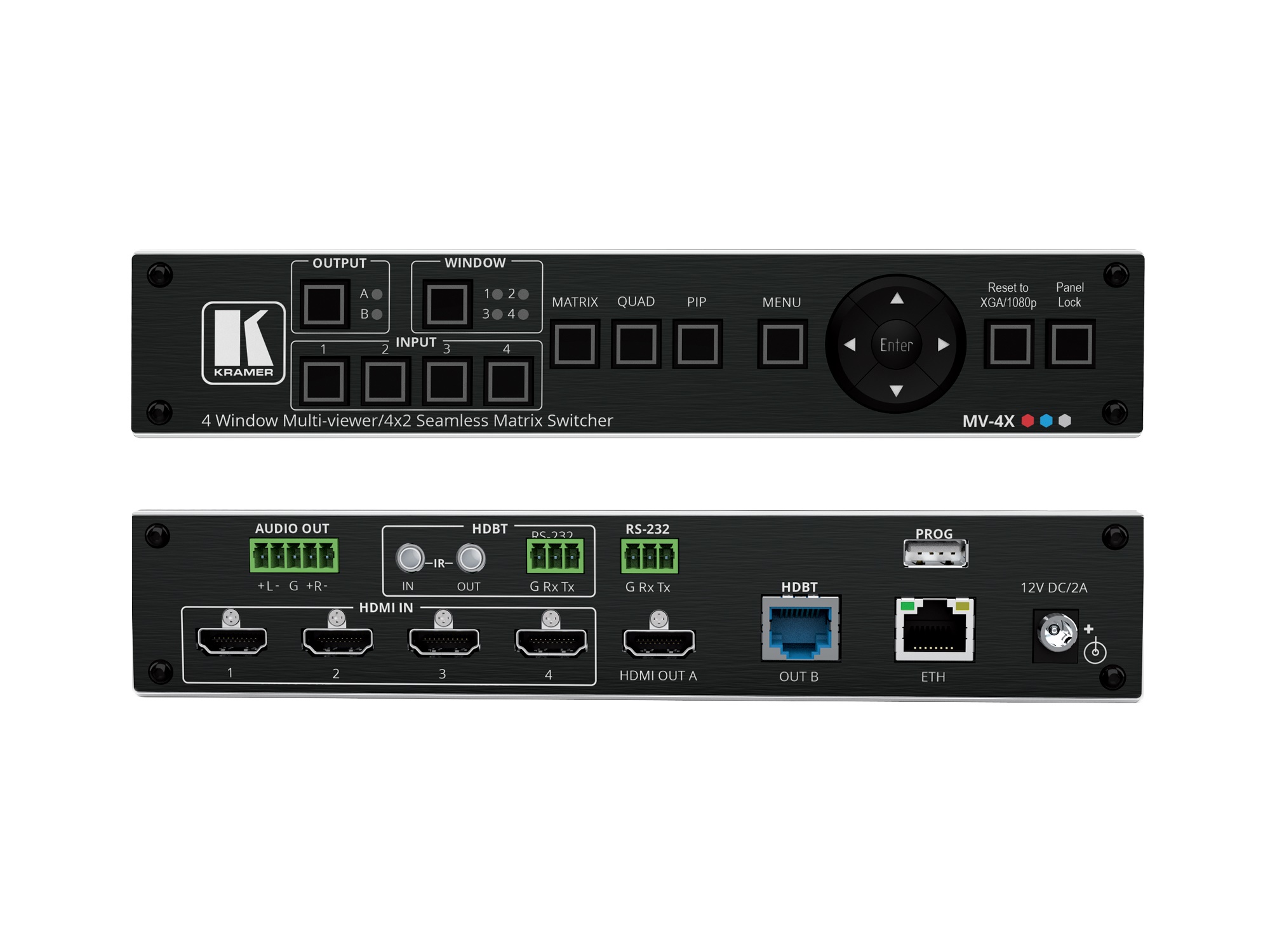
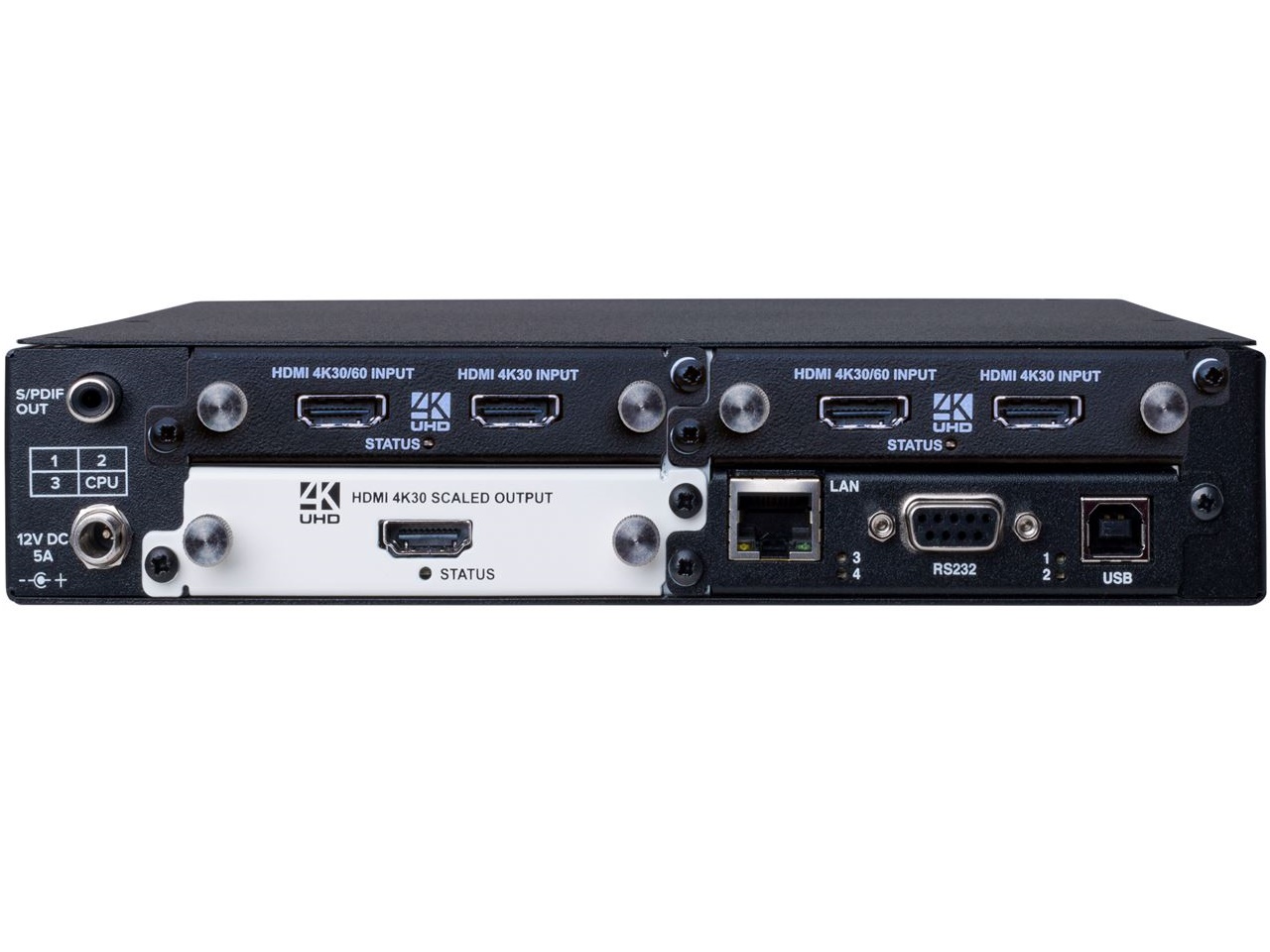
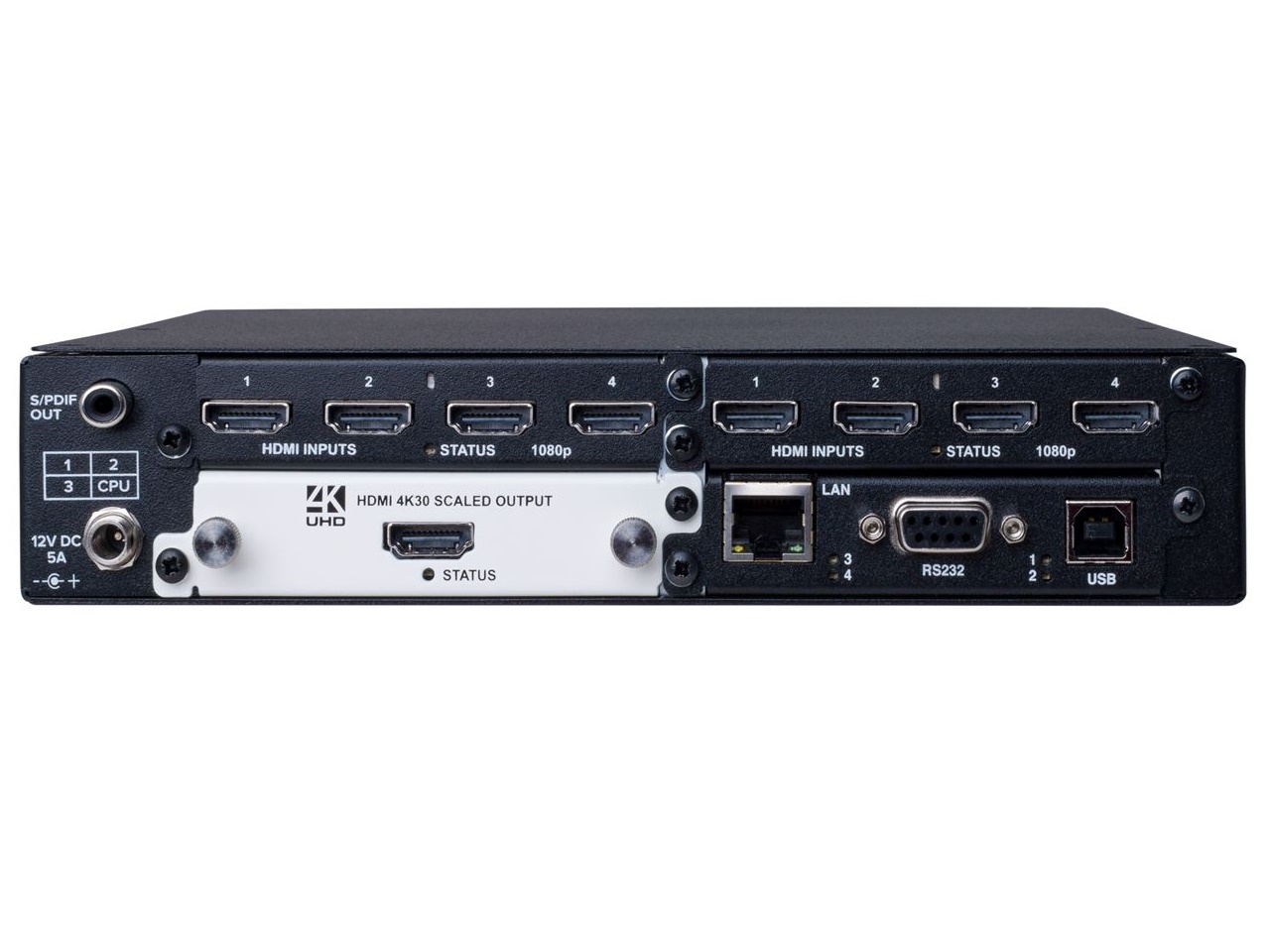
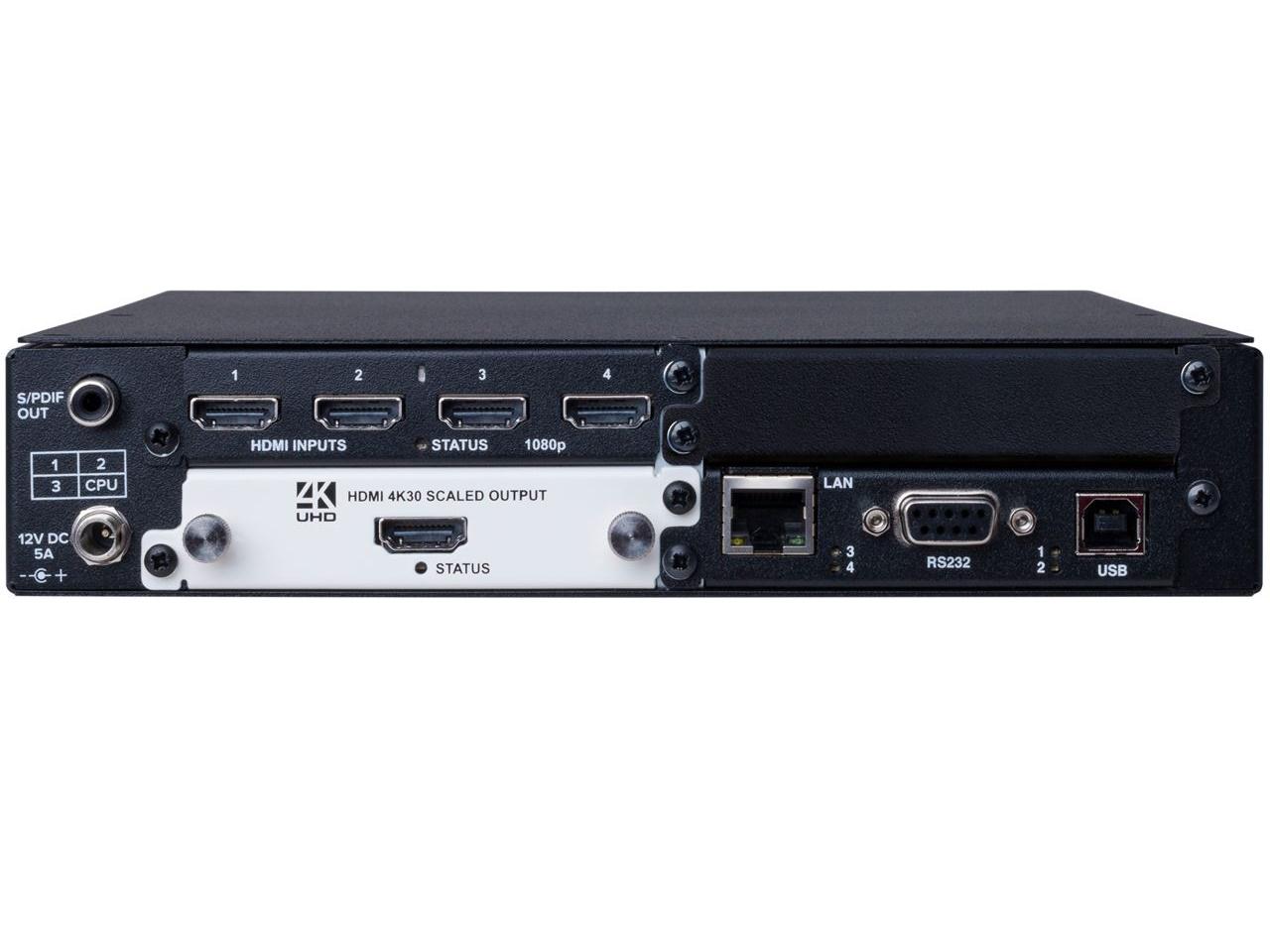
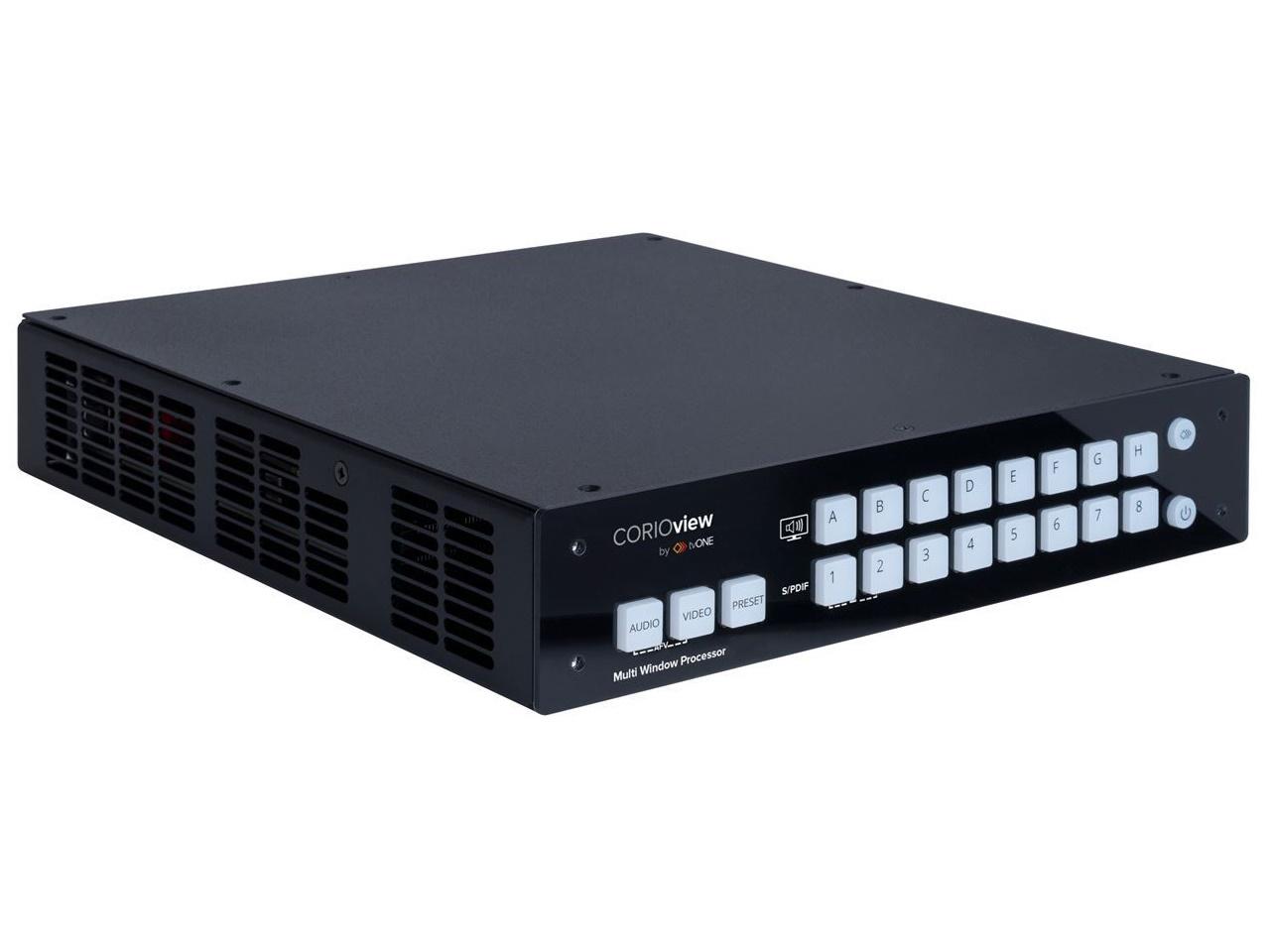
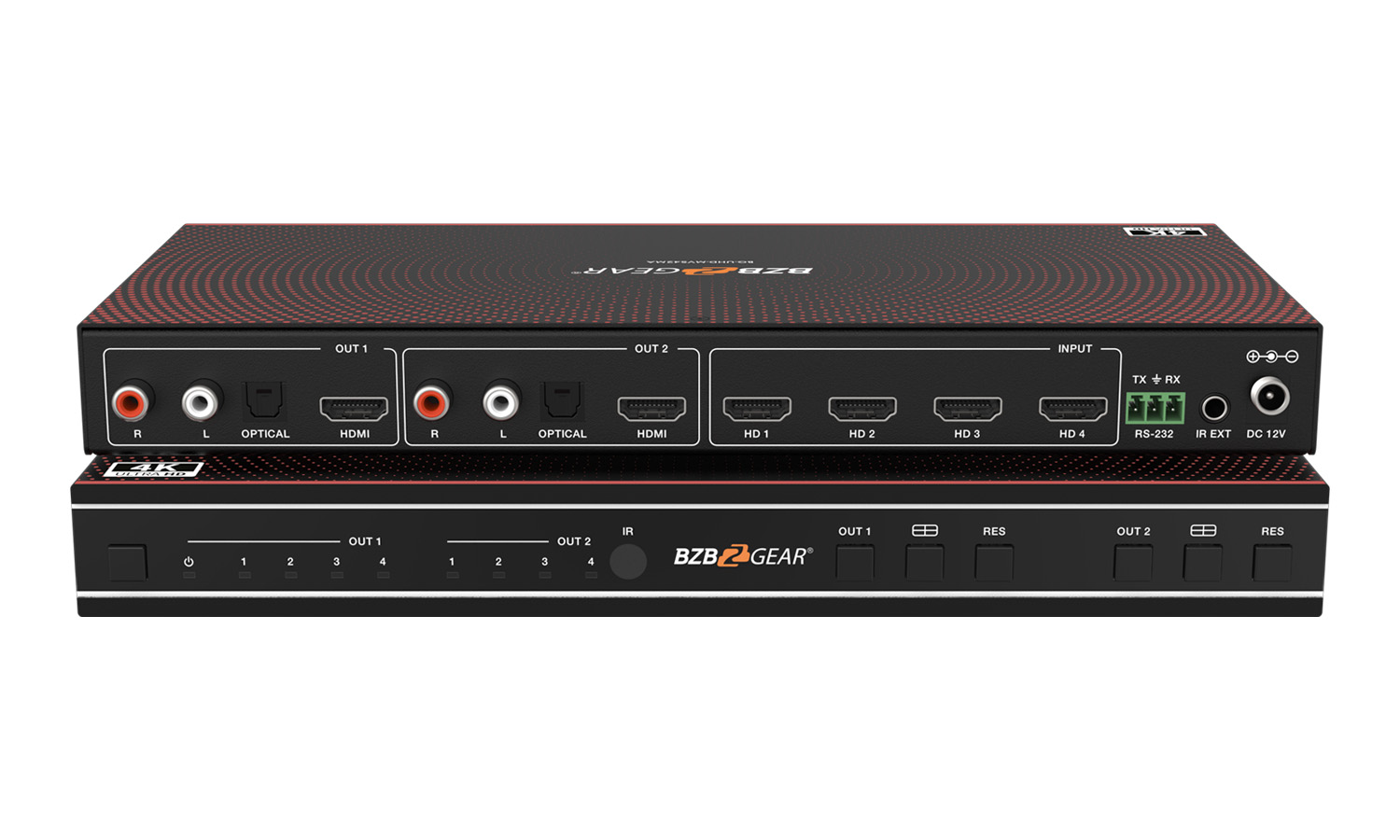
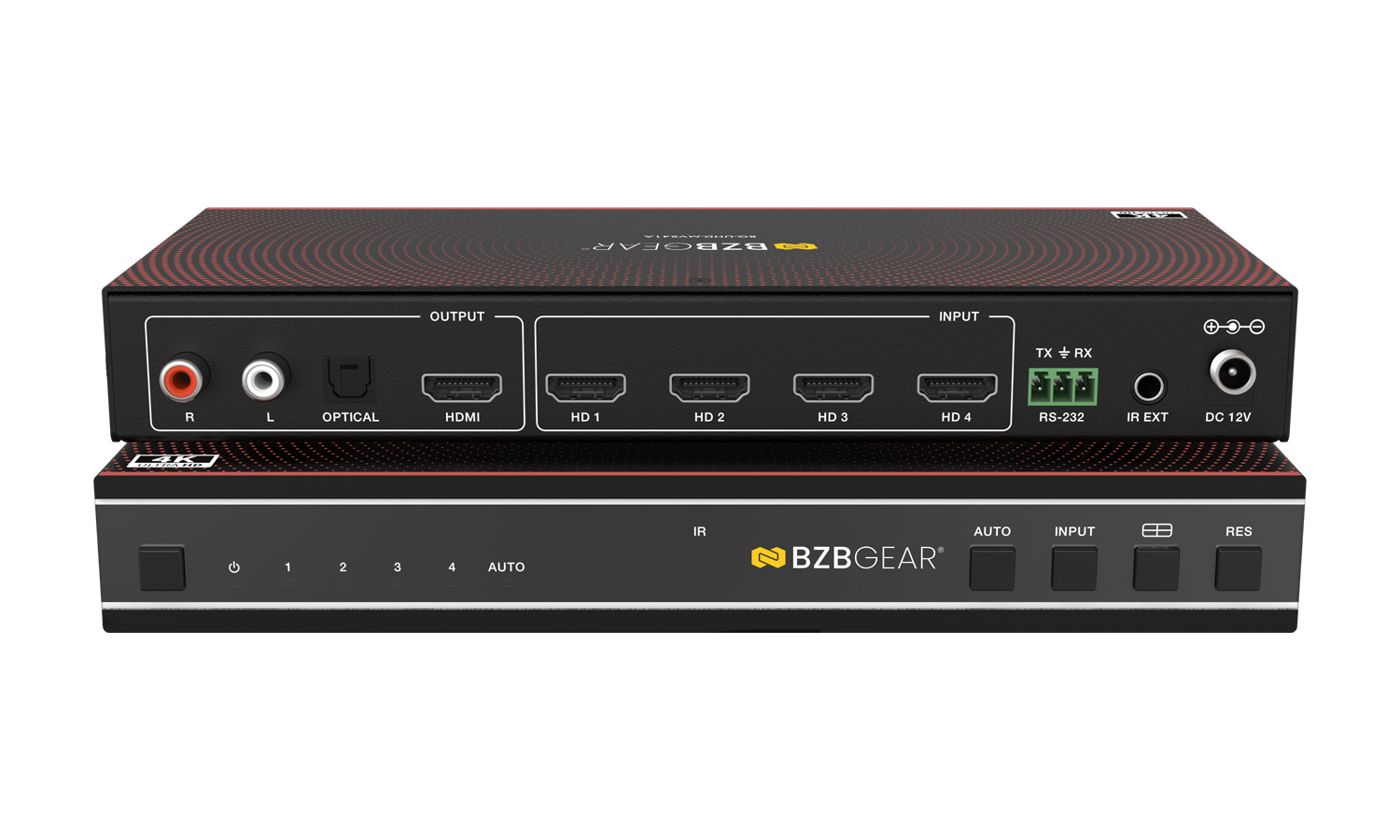
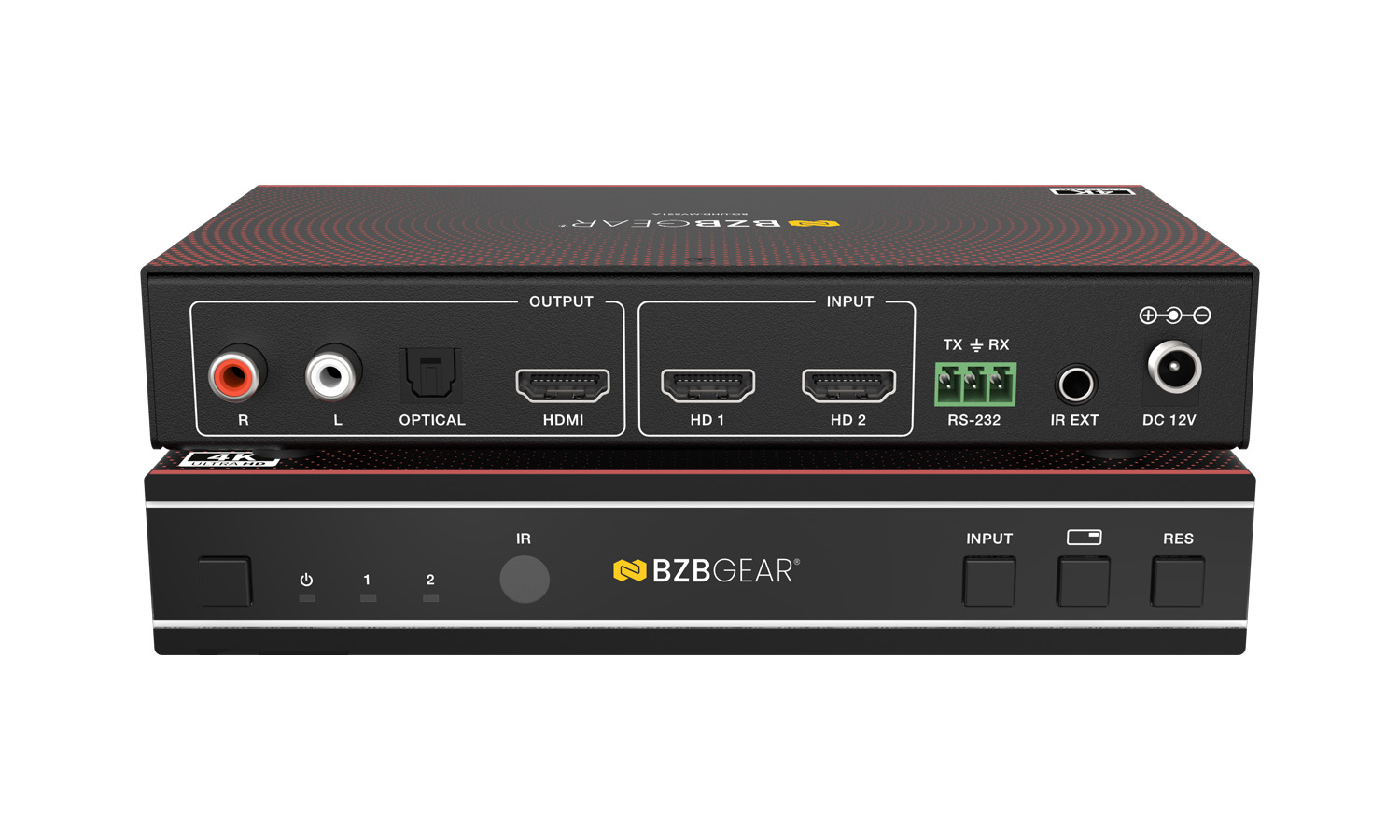
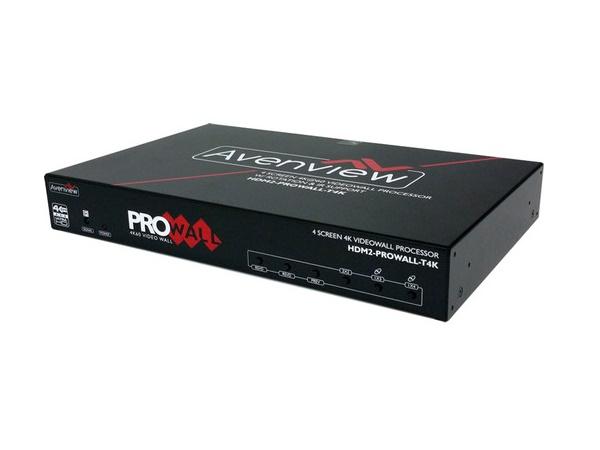
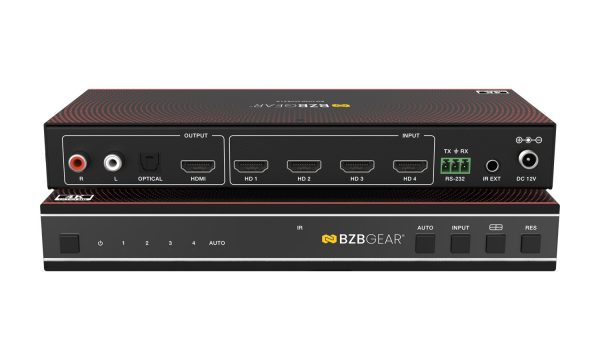
HDMI multiviewers process multiple HDMI source signals and combine them into one composite HDMI output, showing many sources simultaneously on a single HDMI display. They are the dominant multiviewer type in modern commercial AV, serving installations with HDMI source equipment that needs consolidated monitoring: corporate AV monitoring centers, conferencing operation centers, retail security with HDMI cameras, broadcast facilities with HDMI source equipment, and houses of worship with multi-camera HDMI production.
HDMI multiviewers accept various HDMI input source counts. 4-input multiviewers serve small applications (4 cameras into a 2x2 grid). 9-input multiviewers serve mid-size monitoring (9 cameras or sources in 3x3 grid). 16-input multiviewers serve substantial monitoring (16 sources in 4x4 grid). Larger 32-input or 64-input multiviewers serve enterprise broadcast and security applications. Match the multiviewer input count to the actual source count with margin for future expansion.
The multiviewer's HDMI version determines what source resolutions it accepts. HDMI 1.4 multiviewers accept 4K at 30 Hz sources. HDMI 2.0 multiviewers accept 4K at 60 Hz with HDR. HDMI 2.1 multiviewers accept 8K and 4K at 120 Hz. For most commercial multiviewer applications, HDMI 2.0 is sufficient because the multiviewer scales each source down significantly (16 sources at 1080p each combine to a 4K composite, well within HDMI 2.0 bandwidth). Higher HDMI versions matter when sources are 4K and the composite output needs to maintain quality.
Quality HDMI multiviewers support custom layouts beyond standard grids. The operator arranges sources in any size and position on the composite output. Common layout choices: 2x2 grid (4 equal sources), 3x3 grid (9 equal sources), 4x4 grid (16 equal sources), primary plus secondary (one large tile plus smaller surrounding tiles for less important sources), and custom mosaic layouts. Layout flexibility lets the multiviewer match operational workflows rather than forcing operators to adapt to fixed layouts.
HDMI multiviewers typically display source labels on each tile, identifying what's shown in each panel. Labels can be text identifiers (entered during configuration), color coding for different source types, and dynamic metadata overlays. For broadcast applications, tally indicators showing on-air and preview status integrate with production switchers. Audio level meters for each source display audio levels alongside video.
HDMI sources with HDCP-protected content present challenges for multiviewers because the multiviewer effectively duplicates the protected content (one input becomes part of an output viewable by potentially many operators). Quality HDMI multiviewers handle HDCP correctly: they may pass HDCP-protected sources without decoding them (showing only black or warning text in the protected tiles), or they may be HDCP-licensed devices that can decode and re-encode protected content. Always verify HDCP handling against your sources; mixing HDCP-protected sources with non-HDCP sources requires careful multiviewer selection.
HDMI multiviewers scale each input source to fit its tile on the composite output. Quality scaling preserves image clarity even at small tile sizes; budget scaling may show visible aliasing. Output resolution is typically 1080p (1920x1080) for most monitoring applications, with 4K UHD (3840x2160) becoming standard for premium multiviewers and high-source-count applications where 4K output preserves the detail of many sources combined.
HDMI multiviewers handle embedded HDMI audio from each source. Some include audio level meters showing audio levels for each source visually (useful for detecting muted or problematic sources). Some include audio routing that lets the operator select which source's audio plays through the multiviewer's audio output (typical default: program source audio for broadcast monitoring). Quality multiviewers preserve audio from all sources for downstream routing if needed.
HDMI multiviewers support multiple control interfaces. Front panel buttons for manual operation. RS-232 for legacy control system integration. IP/Ethernet for modern control systems, web-based configuration, and remote management. Some include touch panel integration. Quality multiviewers integrate with major control system platforms for unified operation, often with integration to broadcast automation and security management systems.
HDMI multiviewers serve corporate AV monitoring centers (consolidated views of conference room AV, signage, and meeting status), broadcast facilities with HDMI source equipment (cameras, streaming sources, computer-based playback combined for monitoring), security operation centers with HDMI cameras and DVR outputs (many camera feeds on combined displays for operators), retail loss prevention with HDMI camera infrastructure, houses of worship with multi-camera HDMI production (cameras, computer sources, playback combined for production team visibility), educational broadcasting (school TV studios with HDMI sources combined for student-operator workflows), and any installation with HDMI source equipment where consolidated multi-source monitoring matters.
The multiviewer's HDMI version determines what source resolutions and features it accepts. For 1080p sources: HDMI 1.4 is sufficient. For 4K at 30 Hz sources: HDMI 1.4 with appropriate bandwidth, or HDMI 2.0 for guaranteed support. For 4K at 60 Hz with HDR sources: HDMI 2.0a or 2.0b. For 8K or 4K at 120 Hz: HDMI 2.1. Match the multiviewer's HDMI version to the highest-capability sources in your installation. For most commercial multiviewer applications (security, broadcast monitoring with HD cameras), HDMI 2.0 covers all current needs; HDMI 2.1 future-proofs for next-generation sources.
HDCP-protected sources present challenges because the multiviewer effectively duplicates the protected content. Quality HDMI multiviewers handle this carefully: some pass HDCP-protected sources without decoding them (showing the source content in the protected tile but only to compatible displays), some are HDCP-licensed and can decode and re-encode protected content properly. Always verify HDCP handling against your sources. For mixed installations (some HDCP, some non-HDCP), multiviewers with proper HDCP handling avoid black-screen problems on protected sources. Always test specific source-multiviewer-display combinations before final commitment.
Commercial HDMI multiviewers range from 4-input (2x2 grid) to 32+ input (large enterprise installations). Most commercial applications use 9 to 16 input multiviewers, matching the typical source count in security operation centers, broadcast monitoring, and corporate AV. Always size with margin: a multiviewer with 16 inputs serving 12 current sources allows expansion. For very high source counts (50+), multiple multiviewers feeding multiple displays often serve better than one mega-multiviewer because each source becomes very small when 50 sources combine into one display.
A matrix switcher routes any input to any output (16 inputs to 16 outputs, with each output showing one input at a time). A multiviewer combines multiple inputs into one composite output (16 inputs combined into one output showing all 16 sources simultaneously). Different roles: matrix switchers distribute different sources to different displays, multiviewers consolidate many sources onto one display. Some installations use both: a matrix switcher routes selected sources to multiviewers, where they're displayed as composite views.
Most quality HDMI multiviewers preserve audio: the embedded audio from each HDMI source is available in the multiviewer's audio handling. Output options vary: some multiviewers output the audio from a selected source (typically the program source), some output mixed or selected audio based on the layout, some preserve all source audio for downstream routing. For broadcast monitoring, the audio handling typically matches the operational need: the operator wants to hear the on-air program while seeing all sources. For security monitoring, audio may be less important, with the multiviewer focused primarily on video.
Corporate AV monitoring centers (consolidated views of conference room AV, digital signage status, and meeting room availability across many rooms or sites), broadcast facilities with HDMI source equipment (cameras, streaming sources, computer-based playback, and graphics combined for control room and production monitoring), security operation centers with HDMI cameras and DVR outputs (many camera feeds on combined displays for operators monitoring large facilities like casinos, retail chains, and transportation hubs), retail loss prevention (HDMI camera infrastructure with multiviewer monitoring), houses of worship with multi-camera HDMI production (cameras, computer sources, playback combined for production team visibility in the booth), educational broadcasting (school TV studios with HDMI sources combined for student-operator workflows), and any installation with HDMI source equipment where consolidated multi-source monitoring matters.

On order over $300 and more for US and US territory

We Offer a 30-Day Money Back Guarantee

Full manufacturer's warranty and quality assurance

Safe checkout with trusted payment providers