




Start typing to see results...
Find the perfect solution
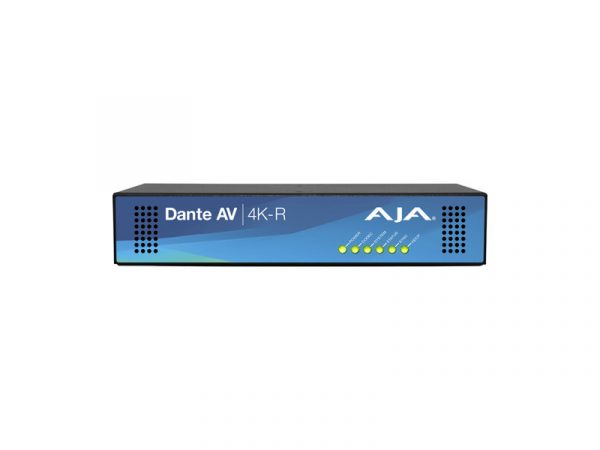
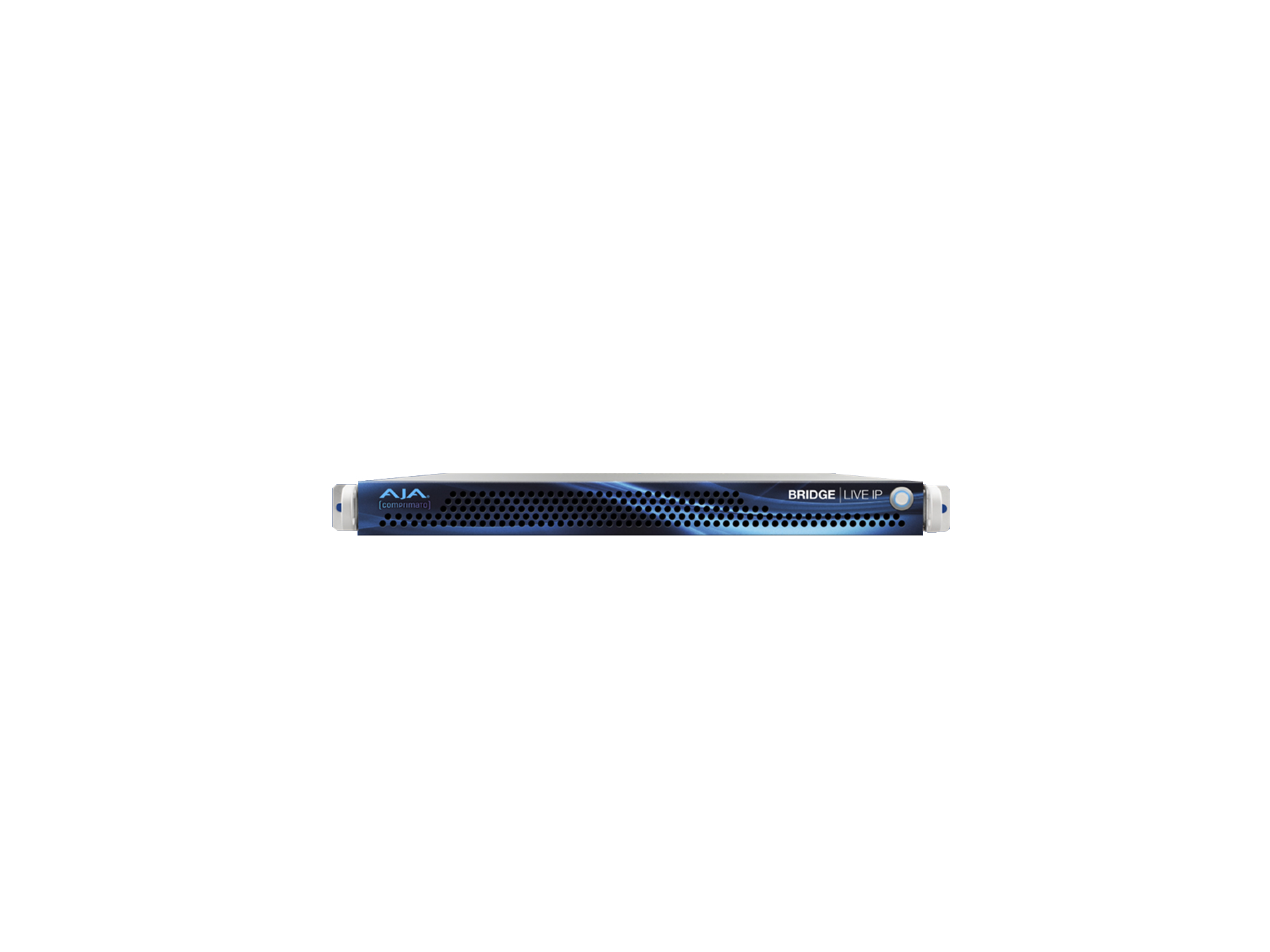
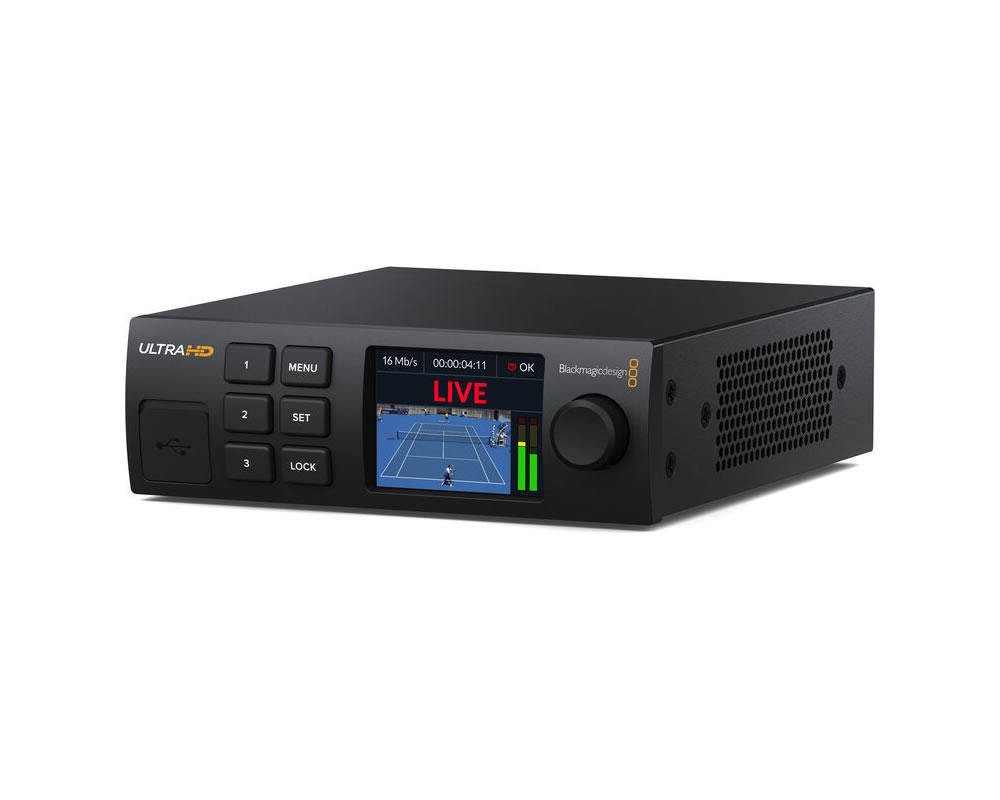
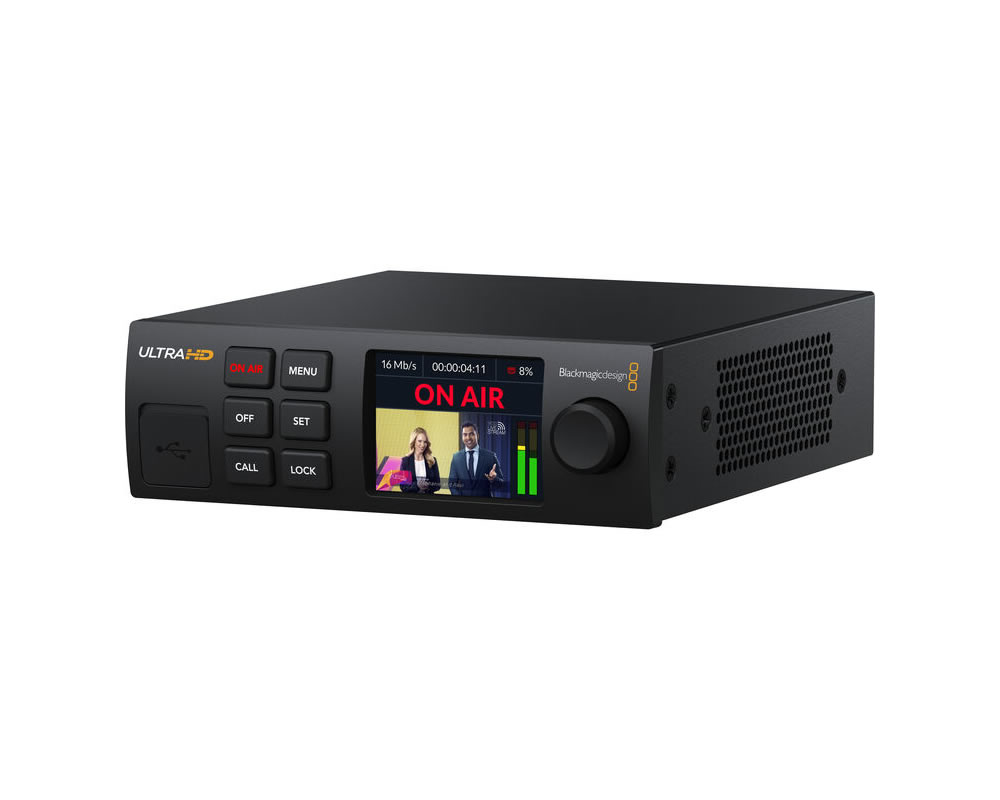
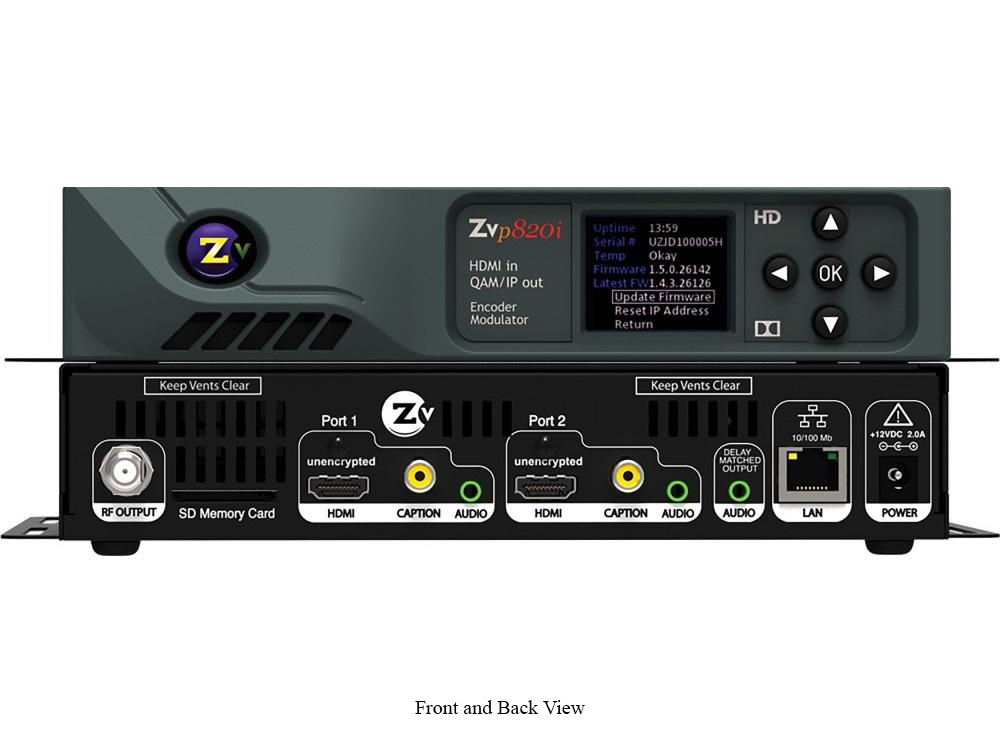
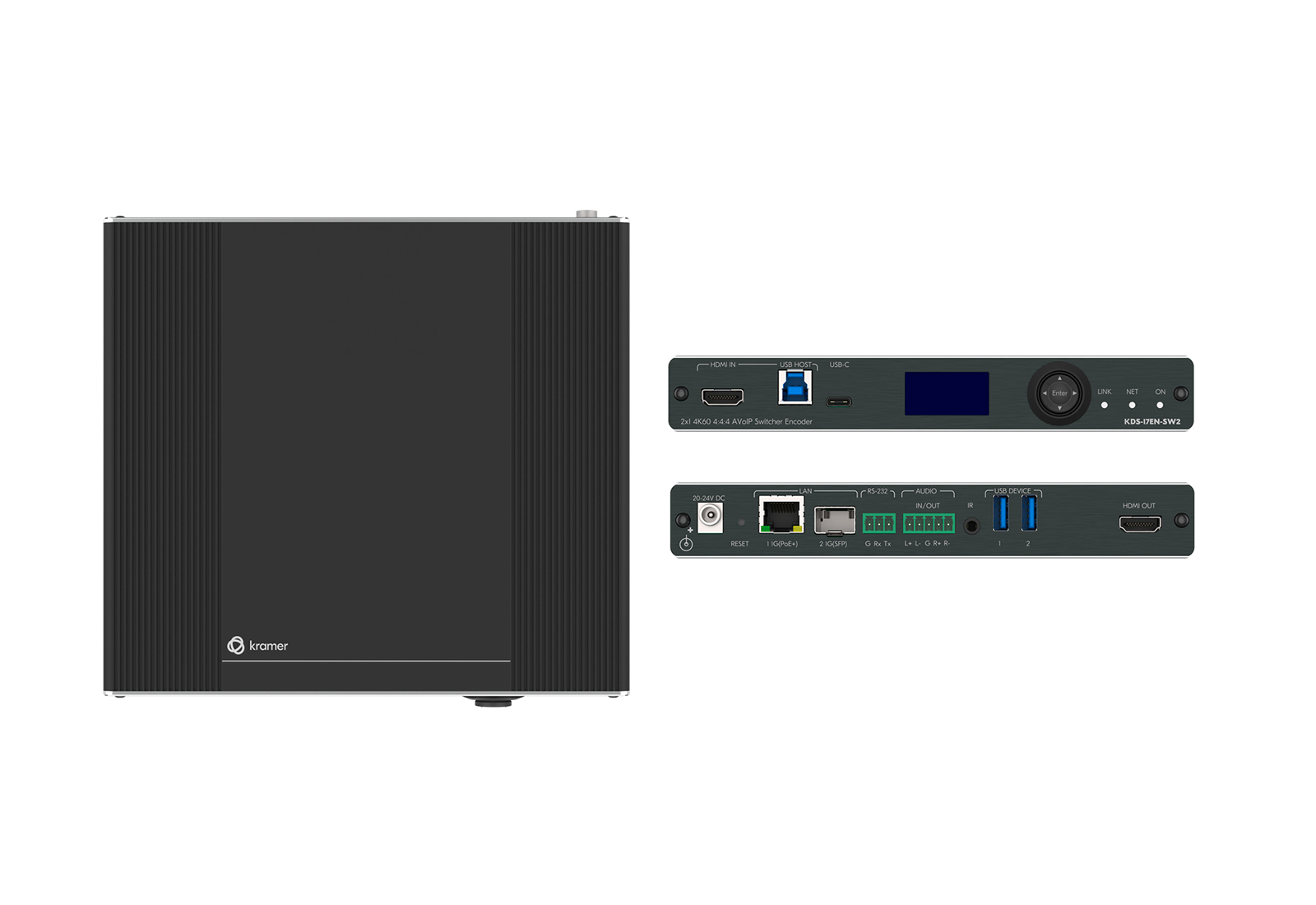
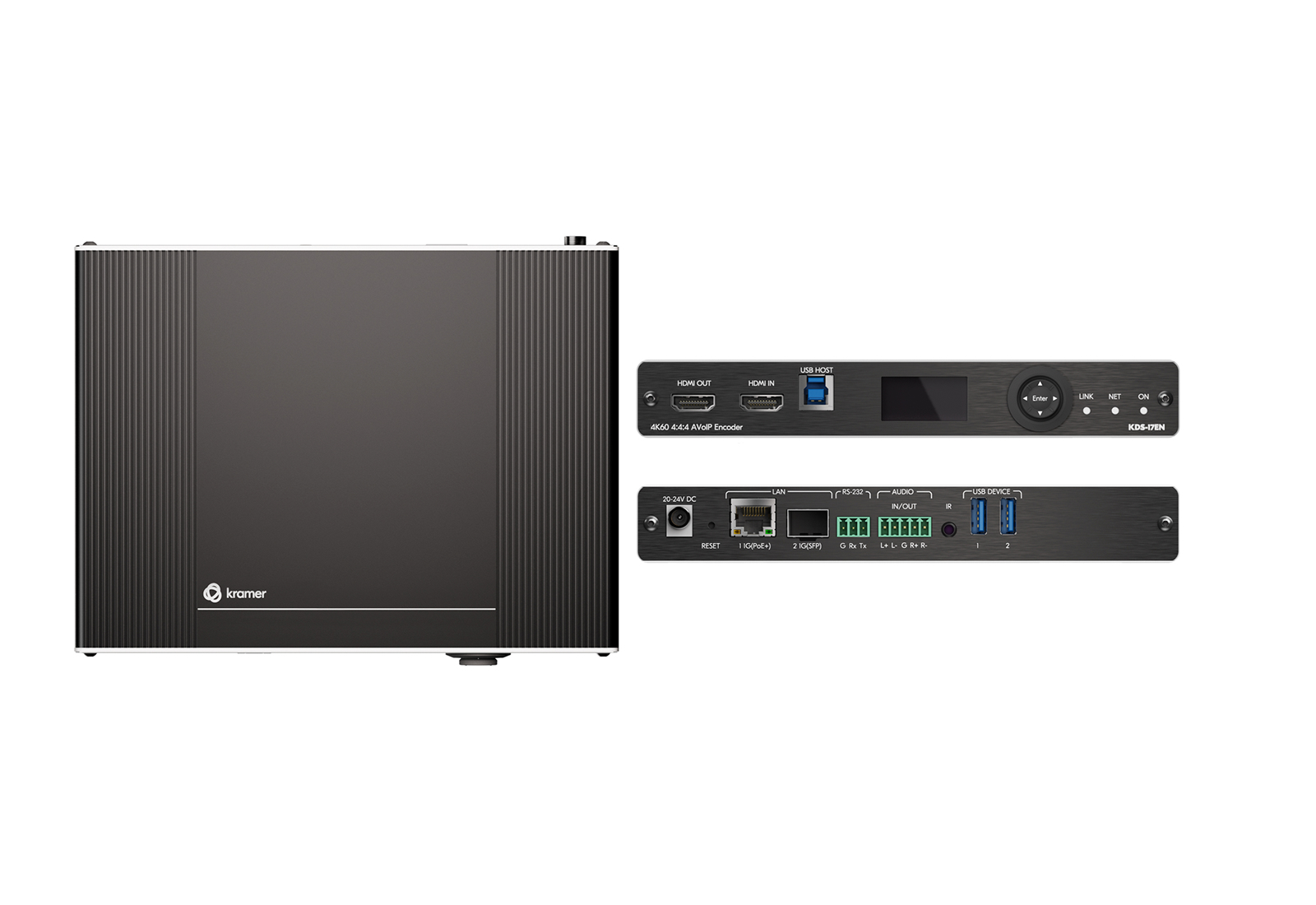
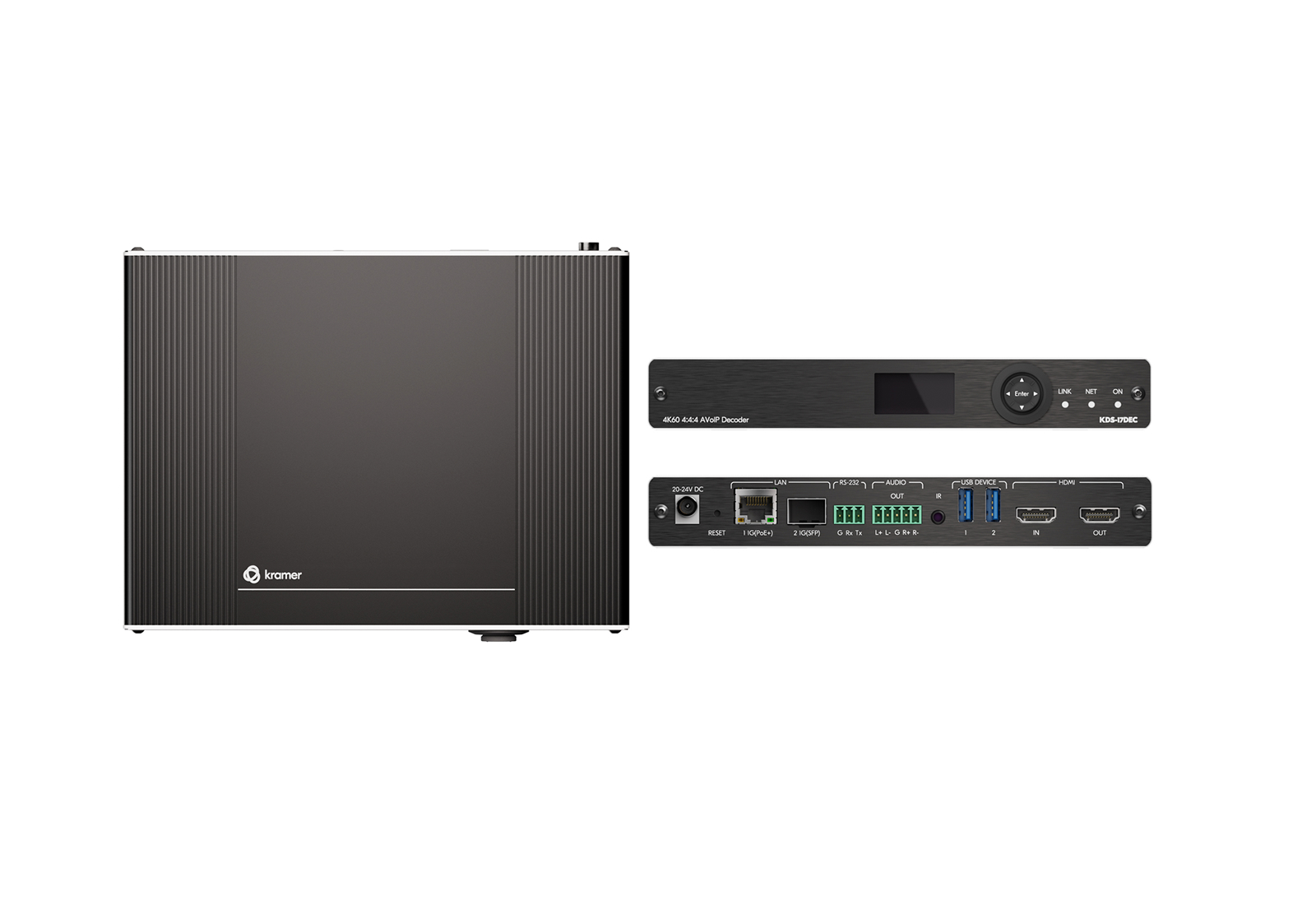
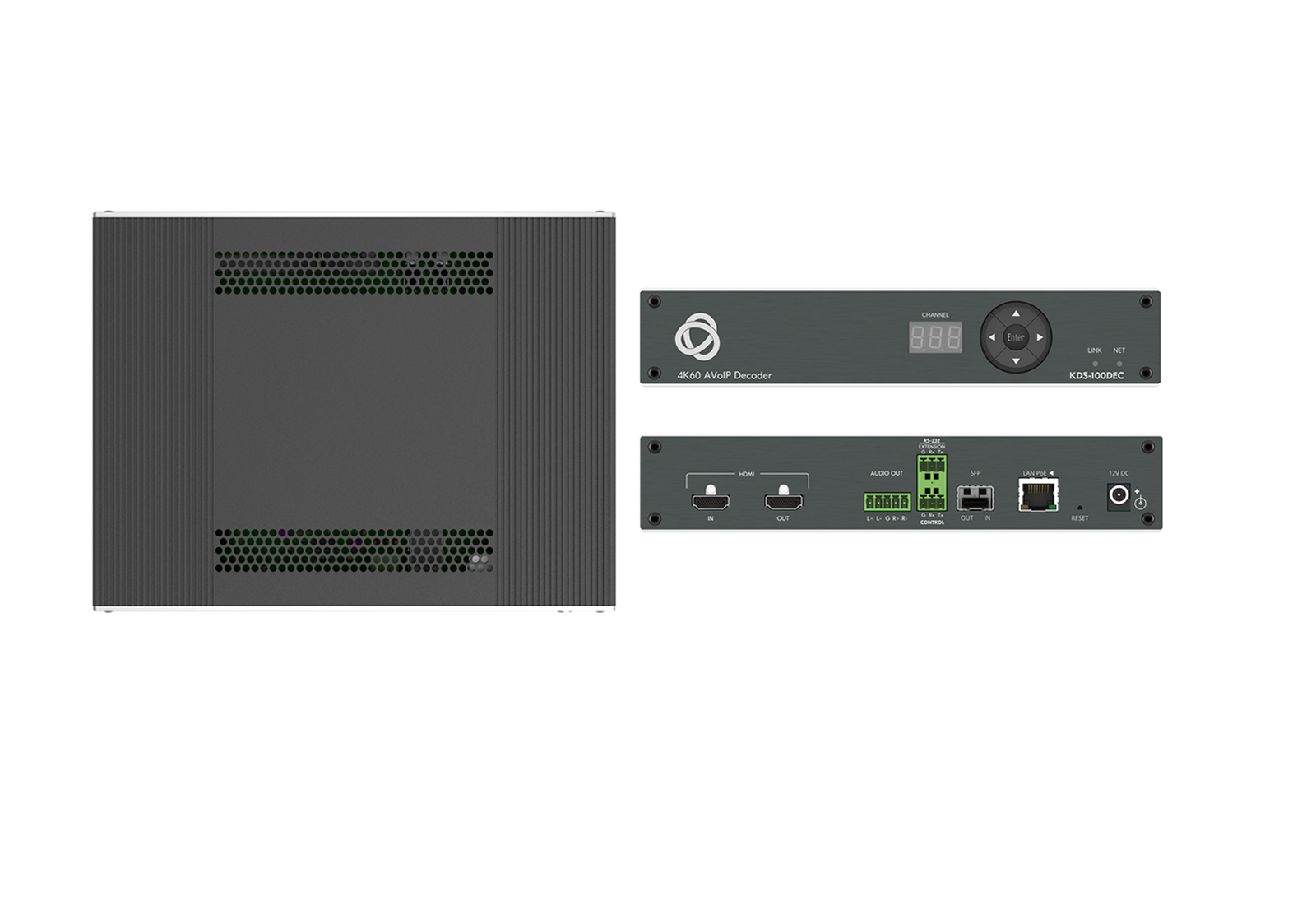
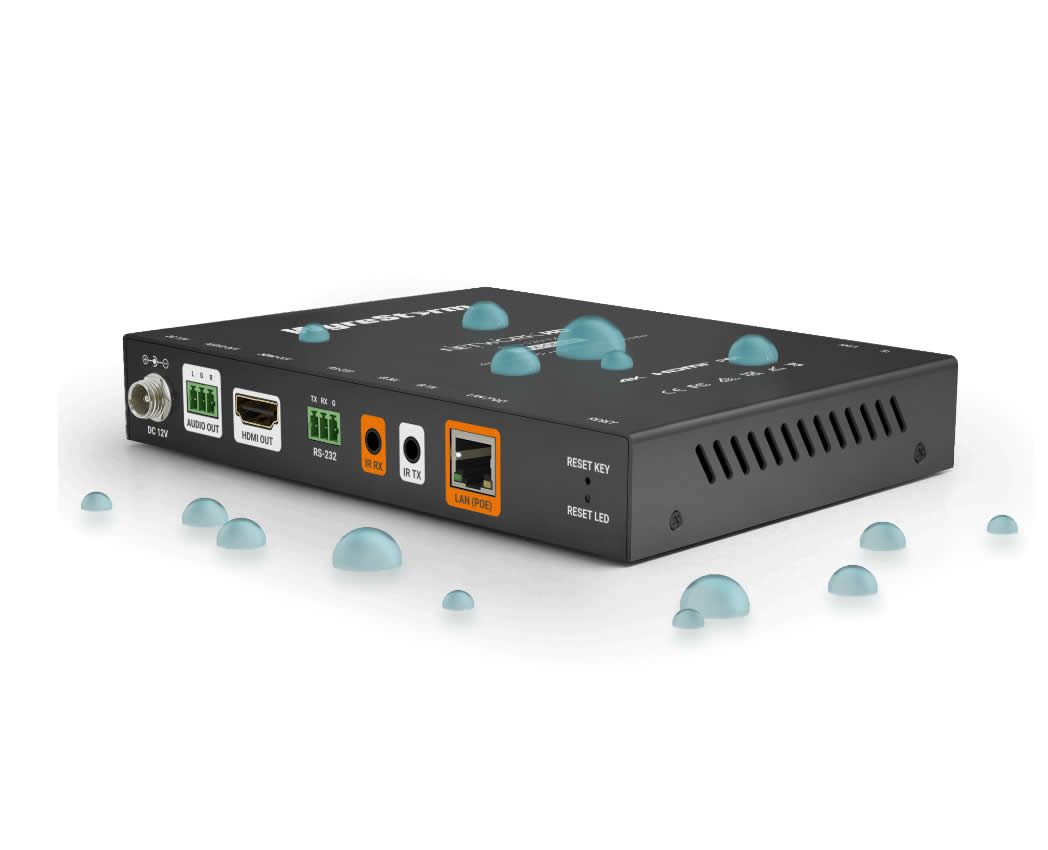
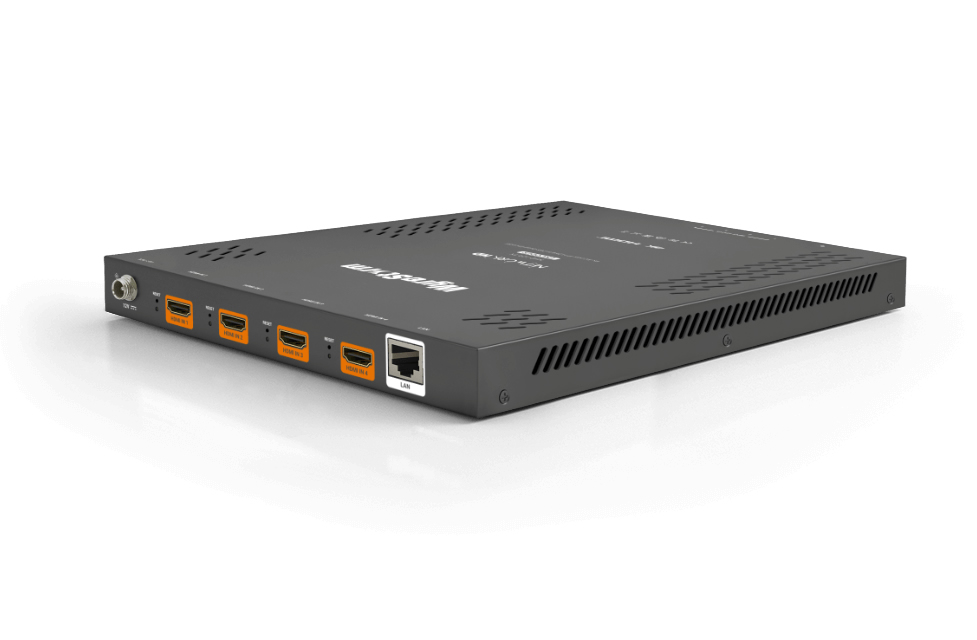
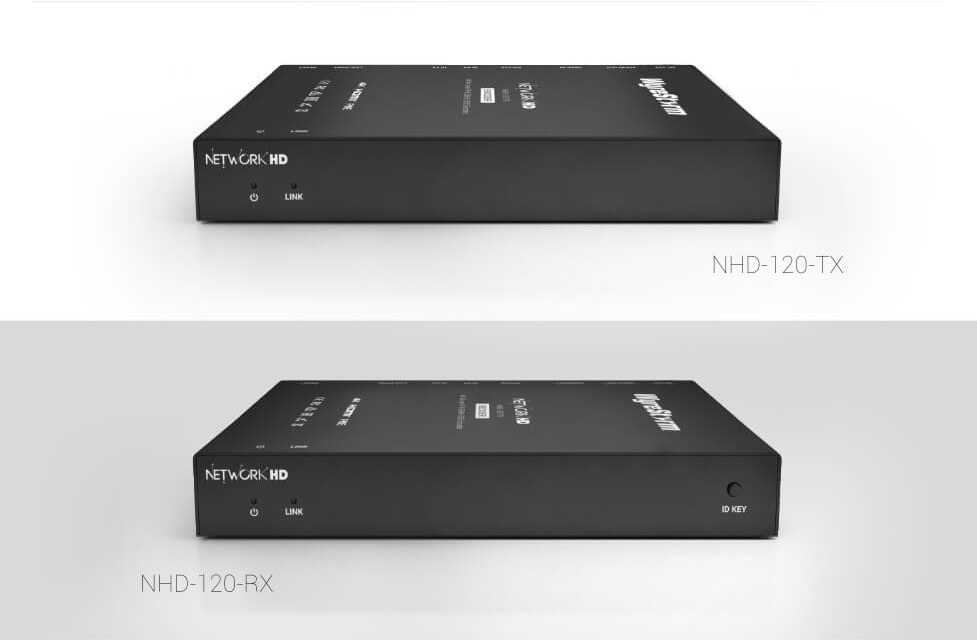
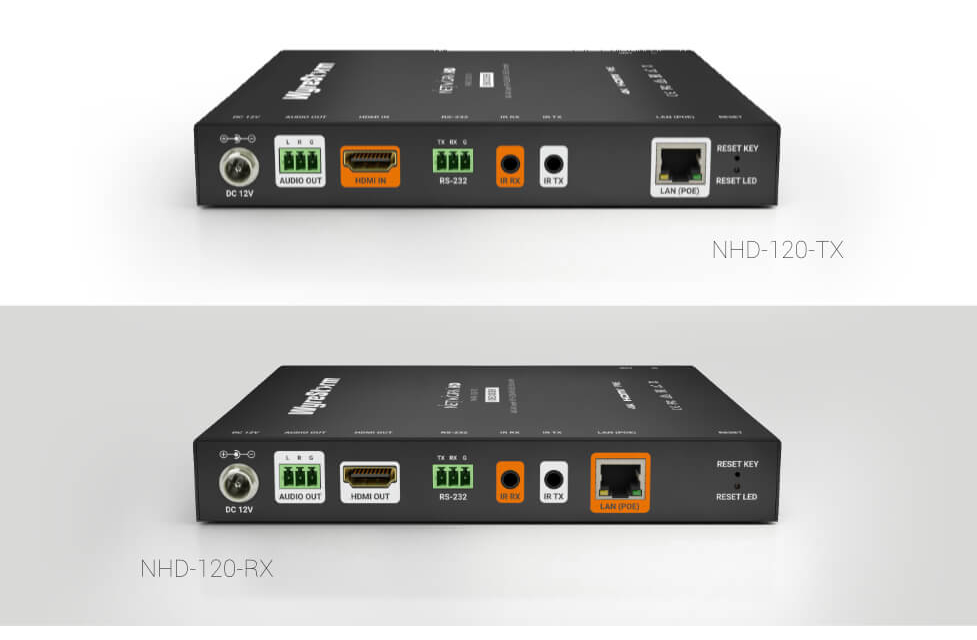
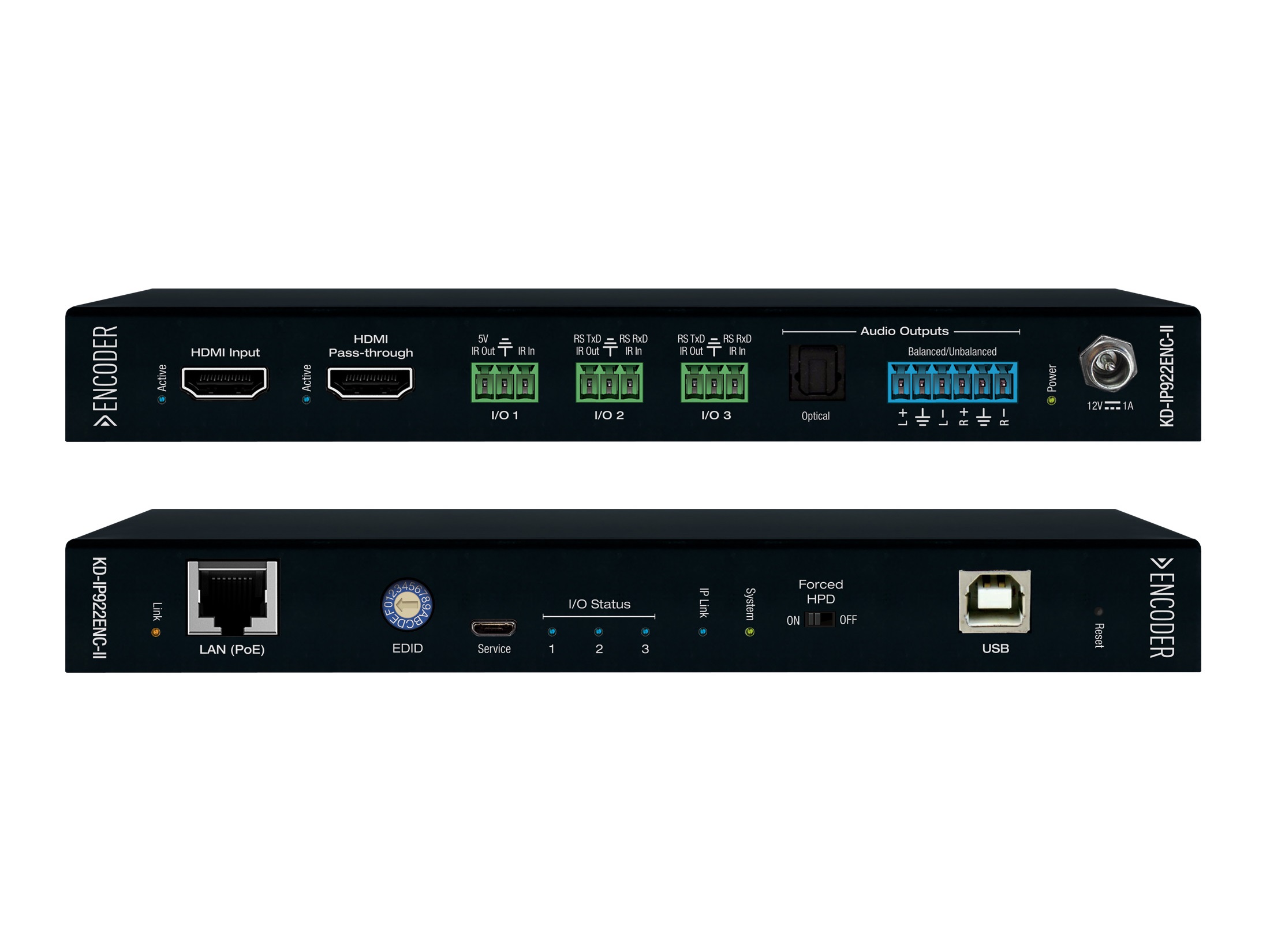
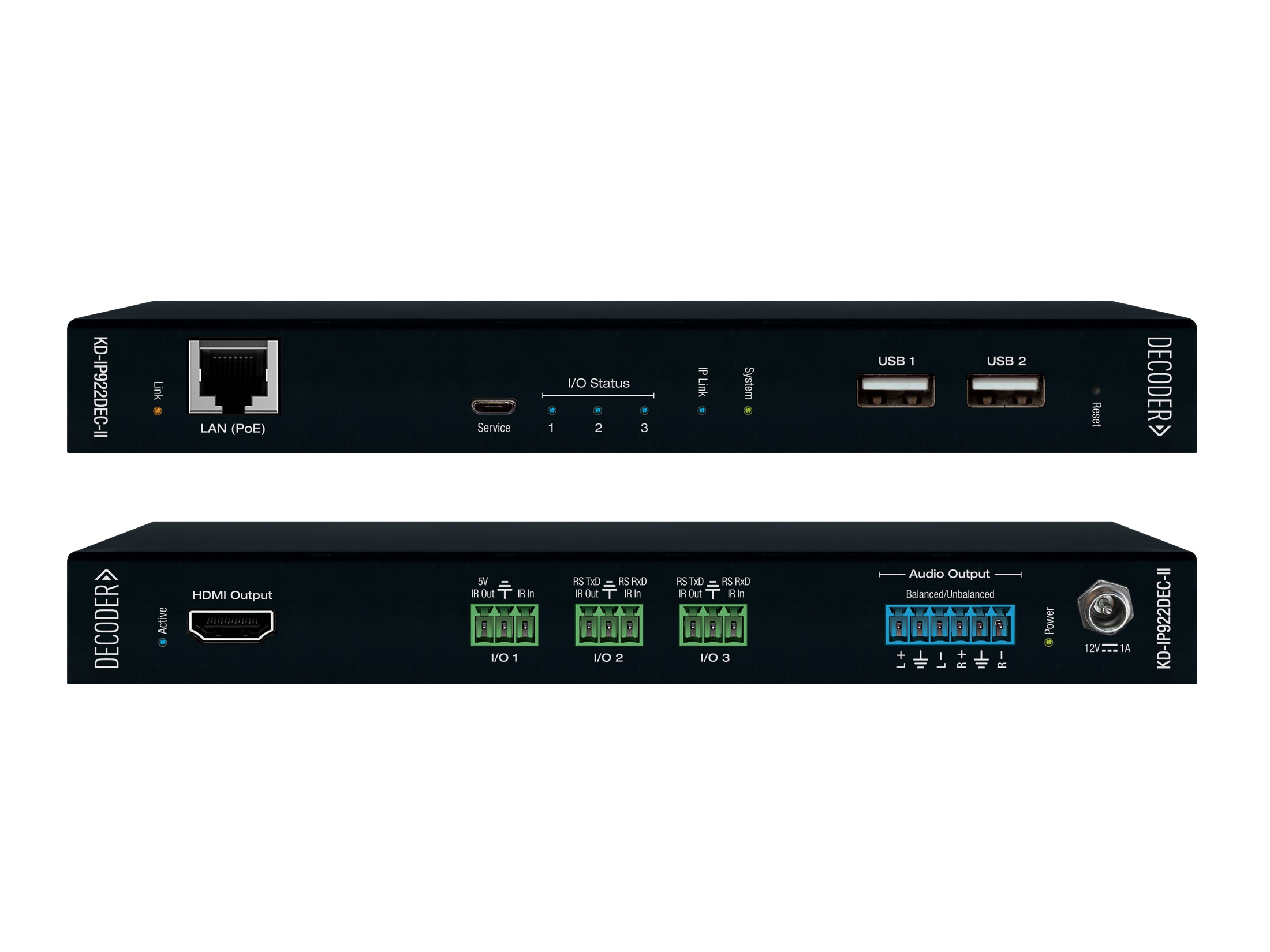
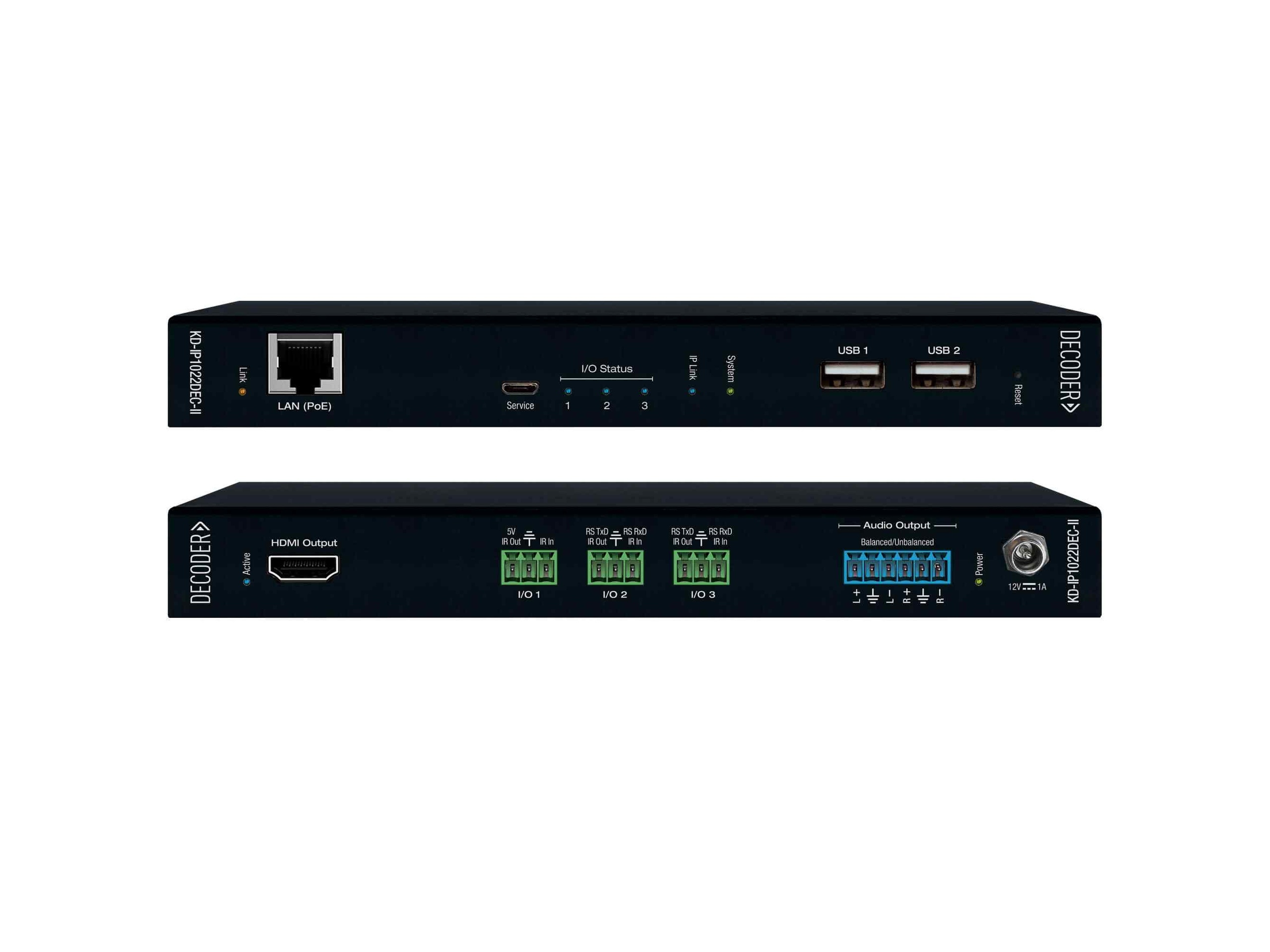
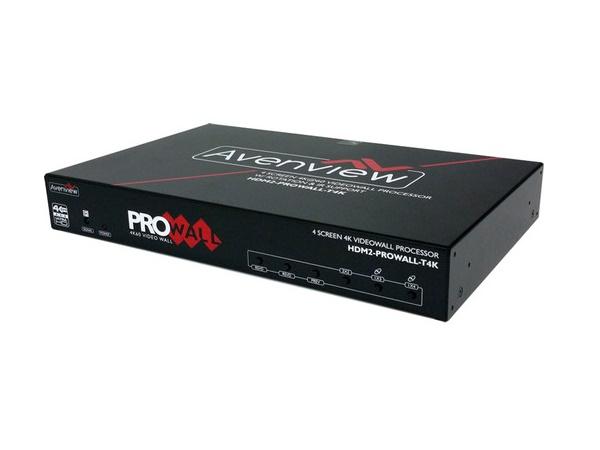
Video encoders convert raw or uncompressed video into compressed digital streams suitable for storage, streaming over networks, or transmission over limited-bandwidth connections. Video decoders do the reverse: they take a compressed stream and reconstruct it into uncompressed video for display, recording, or further processing. Together, encoders and decoders form the foundation of any modern AV-over-IP, streaming, recording, or video conferencing system.
In AV-over-IP installations, encoders take input from cameras, sources, or signal switchers (HDMI, SDI, DisplayPort) and produce a compressed network stream that travels over standard IP networks. The encoder handles compression (typically H.264 or H.265), audio embedding, low-latency processing for live applications, and network protocol handling. Multiple encoders can feed one network, with decoders at any number of endpoints subscribing to the streams they need.
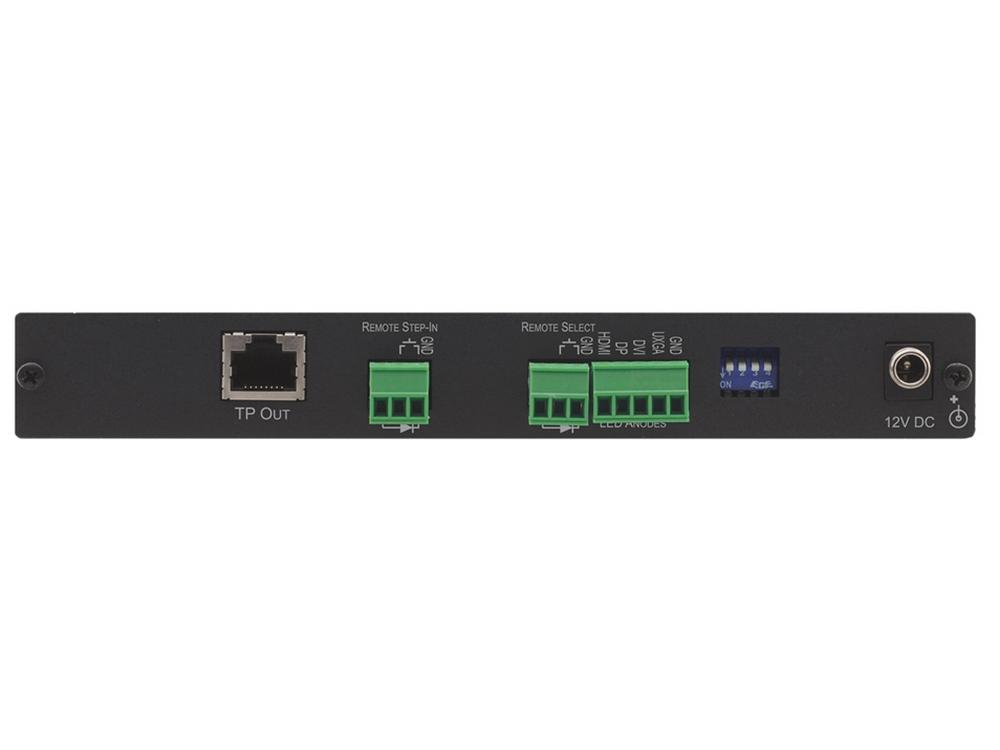
AV-over-IP decoders are the receivers in the system. They accept compressed network streams from encoders, decode them in real time, and output uncompressed video to displays, switchers, or recorders (typically HDMI or SDI). Decoders may include built-in scalers for matching the network stream's resolution to the display's preferred resolution, audio extraction for separate audio routing, and control interfaces for selecting which encoder's stream to display.
Streaming encoders are a specific kind of video encoder designed to send live video directly to streaming platforms (YouTube Live, Facebook Live, Twitch, custom RTMP destinations) over an internet connection. They handle the encoding plus the streaming protocol overhead (RTMP, SRT, RTSP), often with adaptive bitrate for handling variable network conditions. Streaming encoders are common in houses of worship, education, corporate AV, and any installation that delivers live content to remote viewers.
H.264 (also called MPEG-4 AVC) is the most common video compression standard, supported by virtually every streaming platform, recording system, and modern device. H.265 (HEVC) is more efficient (about 50% better compression at the same quality), enabling higher resolutions or lower bandwidth, but with patent licensing complications that limit adoption. AV1 is a newer royalty-free standard with even better efficiency, growing in adoption. For commercial AV, H.264 is the safe choice for compatibility; H.265 for modern installations targeting current platforms.
Hardware encoders use dedicated chips (ASICs or FPGAs) optimized for video compression, producing high-quality output with very low latency and minimal heat. Software encoders run on general-purpose CPUs or GPUs, with more flexibility but higher latency and resource usage. For commercial AV installations where reliability and low latency matter, hardware encoders are typically preferred. For desktop streaming where flexibility matters more, software encoders (OBS Studio's built-in encoder, FFmpeg) are common.
Encoding and decoding both add latency: the time between the original source signal and the displayed or transmitted output. Hardware encoders/decoders with low-latency optimization can keep total encoding-decoding latency under 100 ms for live applications. Software encoders typically add 100 to 500 ms or more. For live performance, gaming, and interactive content, low latency matters and hardware solutions are preferred. For one-way streaming or recording, latency is less critical.
Video encoders and decoders are used in AV-over-IP installations (large building or campus video distribution over standard IP networks), live streaming (houses of worship, education, corporate broadcasts to YouTube and other platforms), video conferencing infrastructure (Microsoft Teams Rooms, Zoom Rooms hardware), digital signage (centralized content distribution to many displays), broadcast contribution and distribution (transmitting live content from venues to broadcast facilities), recording systems (capturing and storing live events), and any installation where video moves over networks rather than dedicated AV cables.
An encoder converts raw or uncompressed video into a compressed digital stream for storage, streaming, or network transmission. A decoder does the reverse: it takes a compressed stream and reconstructs uncompressed video for display, recording, or processing. In AV-over-IP systems, encoders sit at the source side (taking HDMI or SDI inputs and producing network streams) and decoders sit at the destination side (receiving network streams and producing HDMI or SDI outputs). A complete AV-over-IP installation has both: encoders at every source, decoders at every display.
Choose AV-over-IP when you need to distribute video across a large building, campus, or facility with many sources and destinations; when the network infrastructure (Cat6/6a or fiber) already exists or is being installed; when you want flexibility to add or move sources and displays without re-cabling; or when scale (dozens to hundreds of endpoints) makes traditional matrix switching impractical. Choose traditional matrix switching for smaller installations (under 16 sources and displays), when low latency matters more than network flexibility, when the budget is tight, or when the venue lacks the network infrastructure for AV-over-IP.
H.264 (also called MPEG-4 AVC) is the most common video compression standard, supported by virtually every streaming platform, recording system, and modern device. H.265 (HEVC) is more efficient: it produces about 50% smaller files at the same quality, or twice the quality at the same bitrate. The trade-off is more complex licensing for H.265 (patent royalties affect manufacturers and distributors) and slightly higher computational requirements. For maximum compatibility, H.264 is the safe choice; for modern installations targeting current platforms with smaller files or higher resolutions, H.265 is preferred.
Hardware encoders with low-latency optimization can keep encoding latency under 50 ms; combined with similarly fast decoders, total encoder-to-decoder latency stays under 100 ms, suitable for live performance and most interactive applications. Software encoders typically add 100 to 500 ms or more. For broadcast streaming where audience sees the live event with 10 to 30 seconds of delay anyway, encoding latency is invisible. For live performances with lip sync, gaming, or interactive content, low-latency hardware encoders are essential.
A streaming encoder is a specific kind of encoder designed to send video directly to streaming platforms (YouTube Live, Facebook Live, Twitch, custom RTMP destinations) over an internet connection. It handles encoding plus the streaming protocol overhead (RTMP, SRT, RTSP), often with adaptive bitrate for variable network conditions. AV-over-IP encoders typically send streams over local networks for distribution to AV-over-IP decoders within the same facility, using protocols optimized for local network operation. Some products do both, but the typical use cases are different.
AV-over-IP installations in large buildings, campuses, and facilities (one centralized encoder farm feeding hundreds of decoders at displays throughout the venue), live streaming (encoders sending content from houses of worship, classrooms, corporate events to streaming platforms), video conferencing infrastructure (Microsoft Teams Rooms, Zoom Rooms, Webex hardware all include encoders and decoders), digital signage (centralized content servers encoding content for distribution to many displays), broadcast contribution and distribution (transmitting live content from event venues back to broadcast facilities), recording systems (capturing and compressing live events for archive), and any installation where video moves over networks rather than dedicated AV cables.

On order over $300 and more for US and US territory

We Offer a 30-Day Money Back Guarantee

Full manufacturer's warranty and quality assurance

Safe checkout with trusted payment providers