




Start typing to see results...
Find the perfect solution
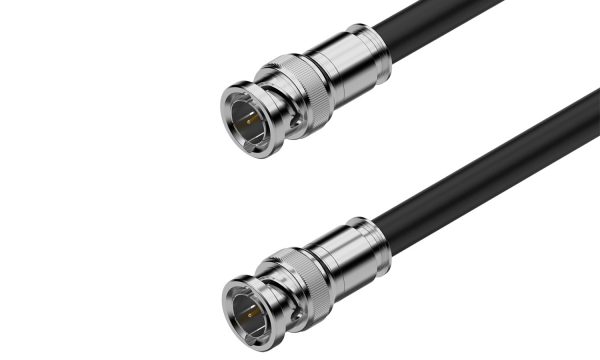
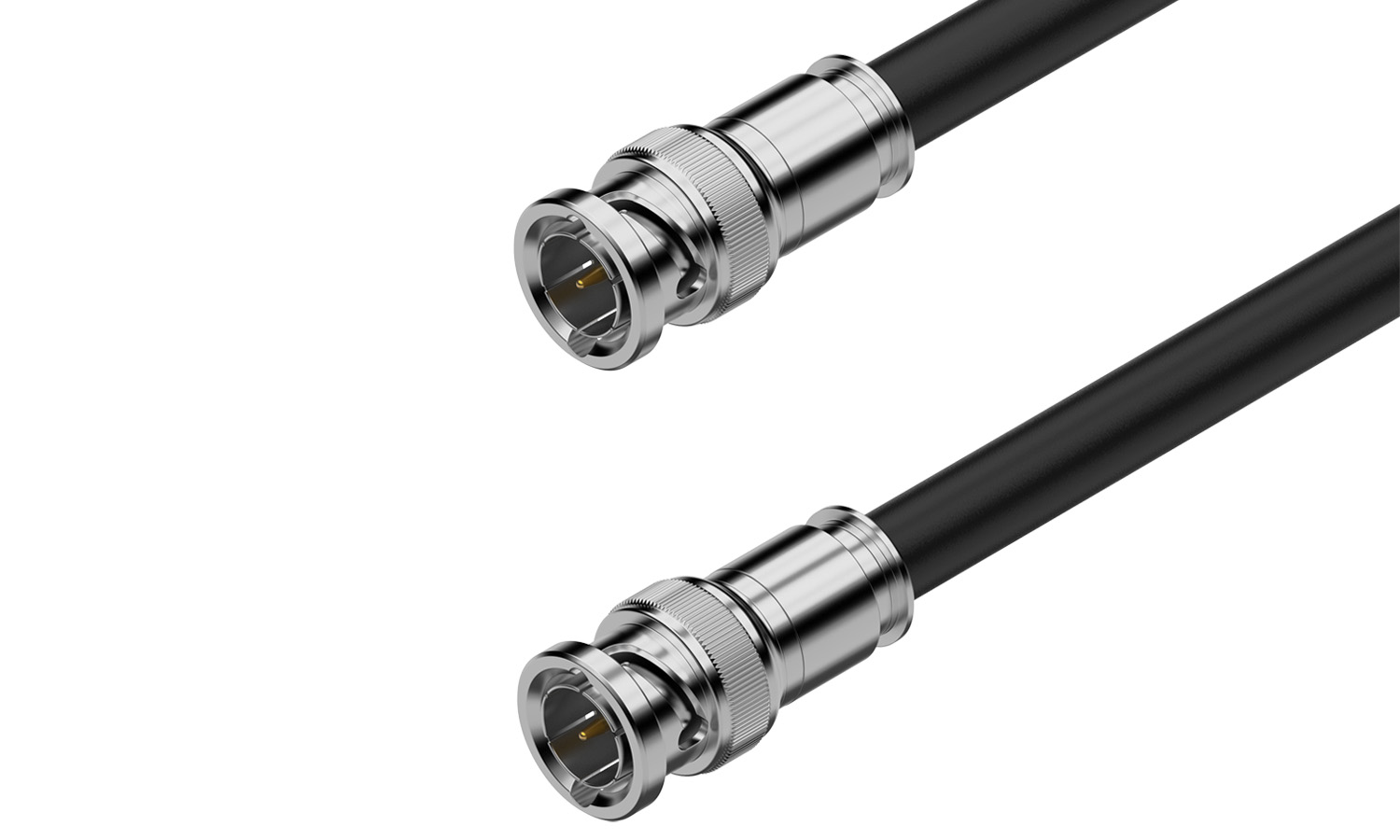
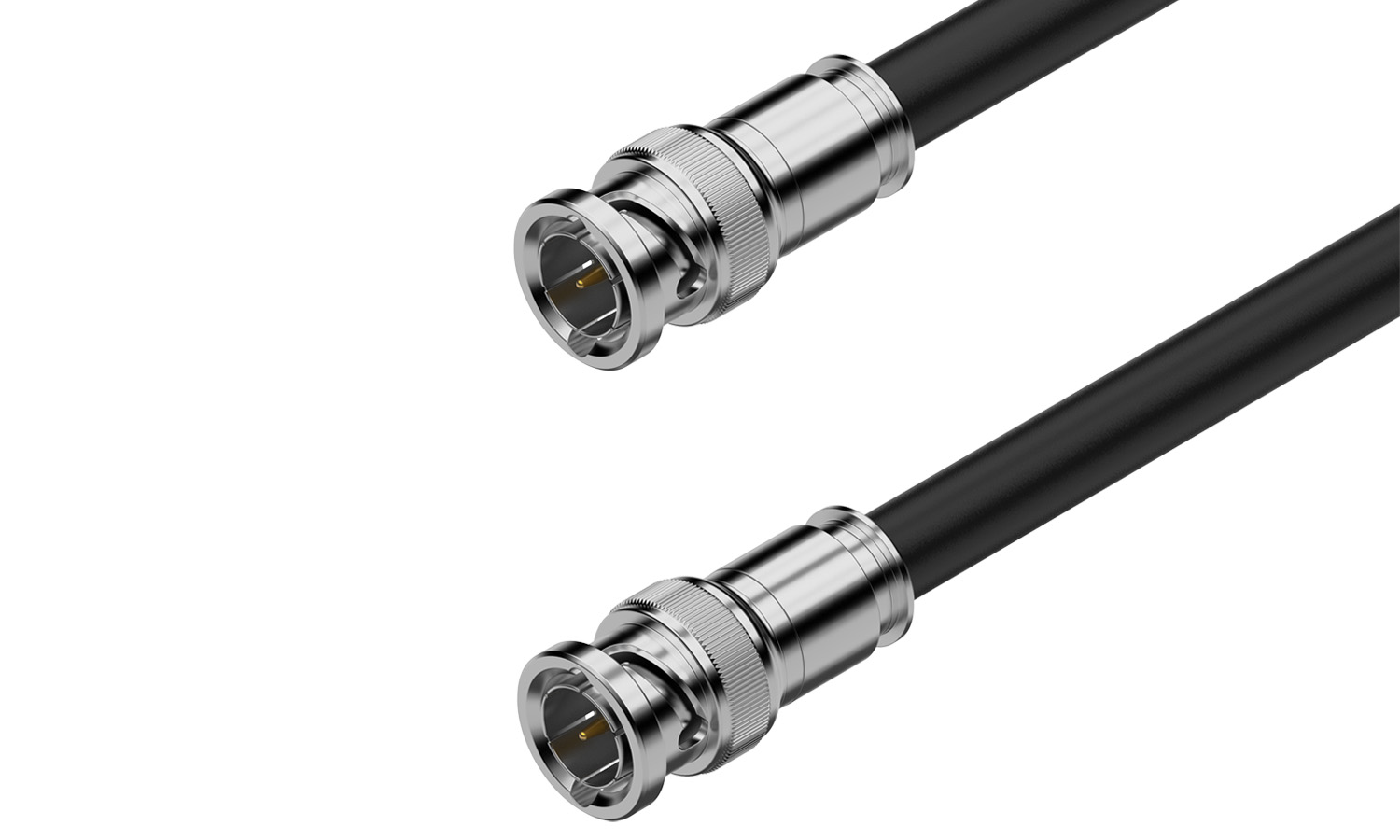
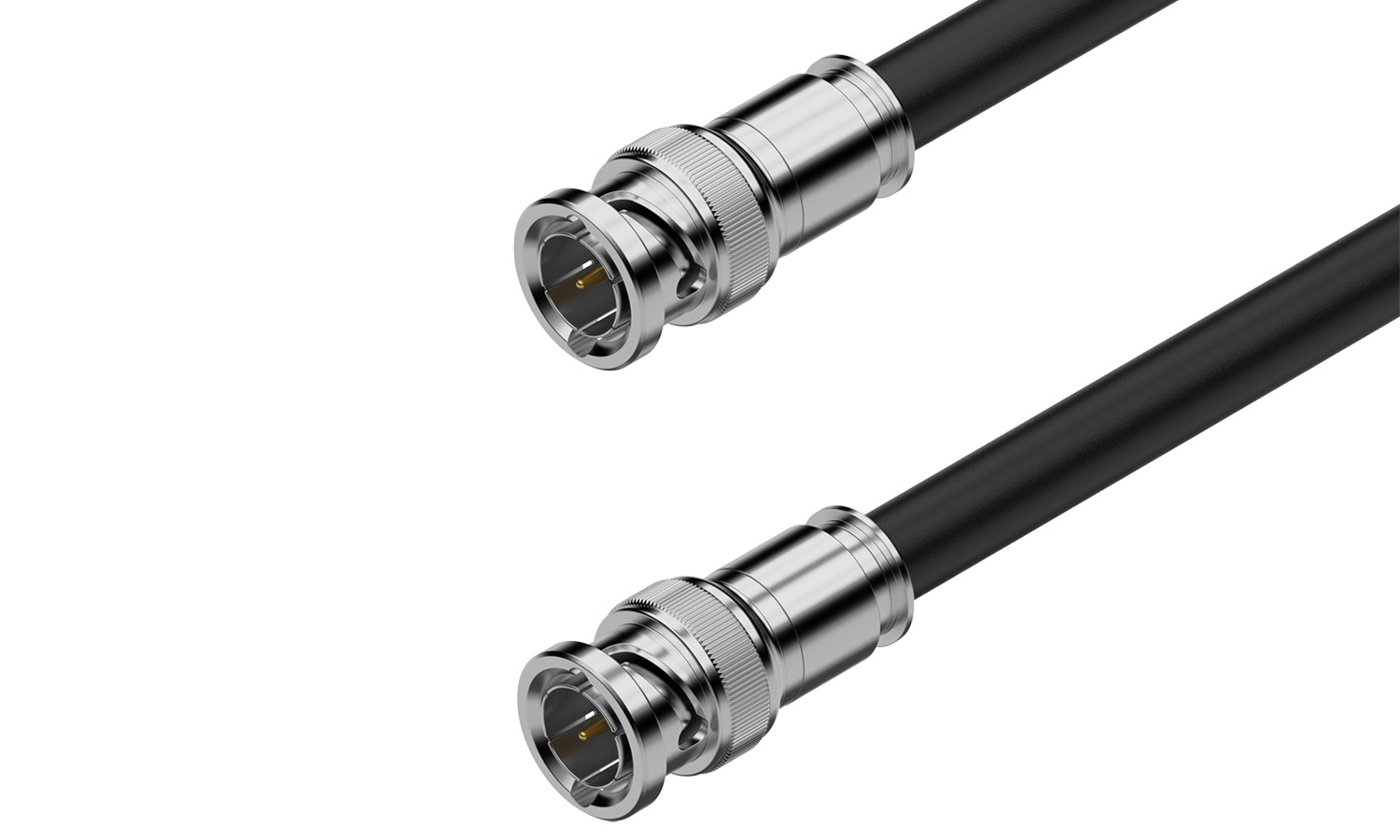
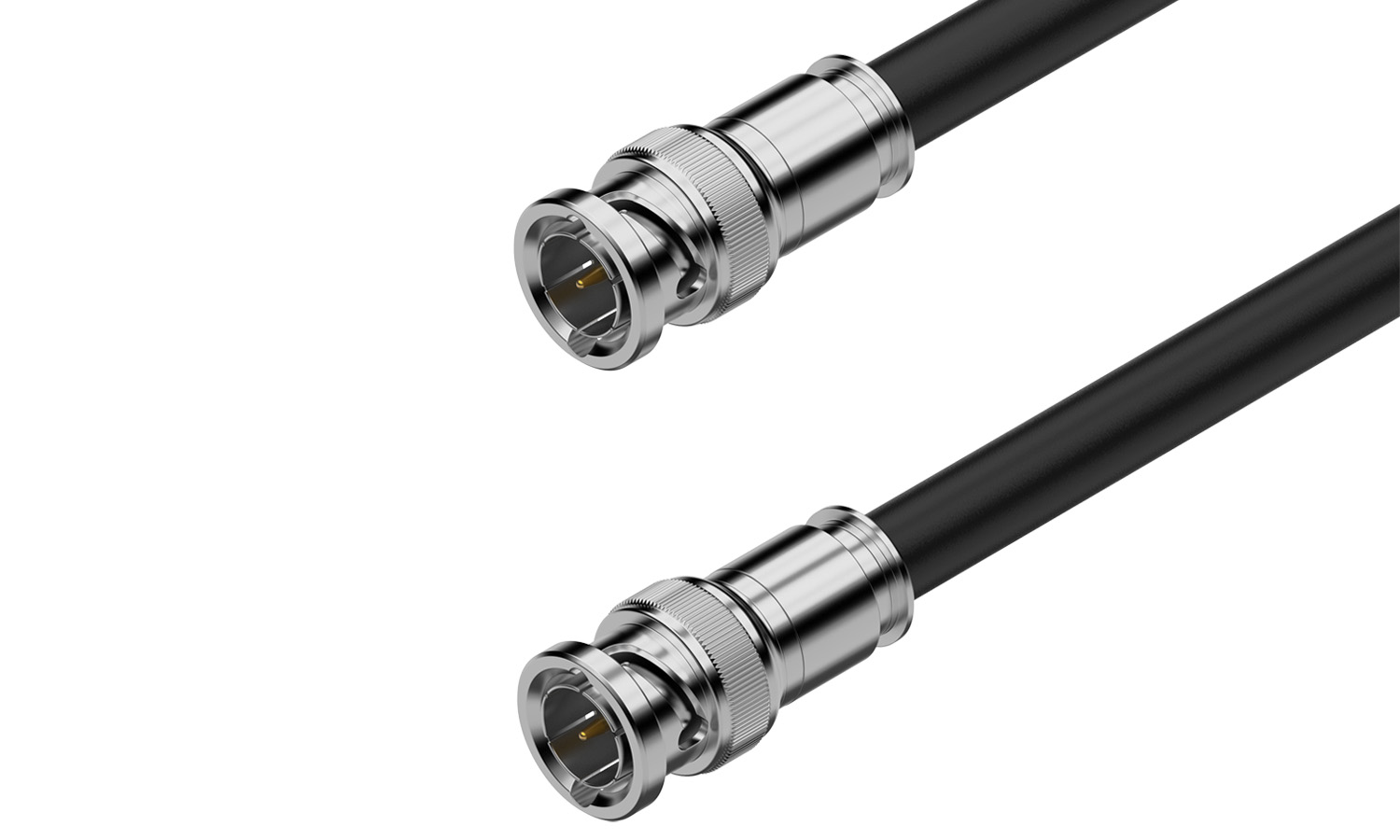
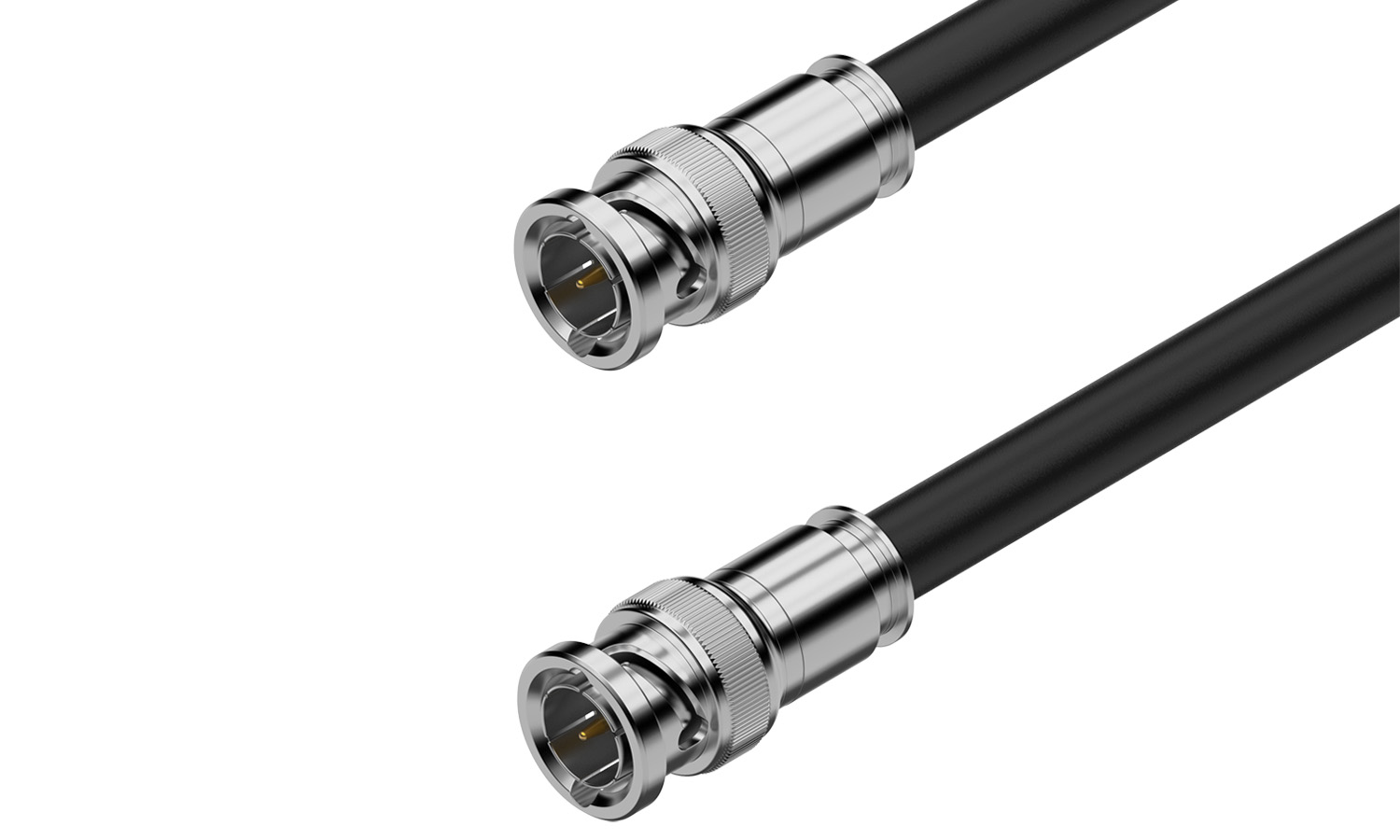
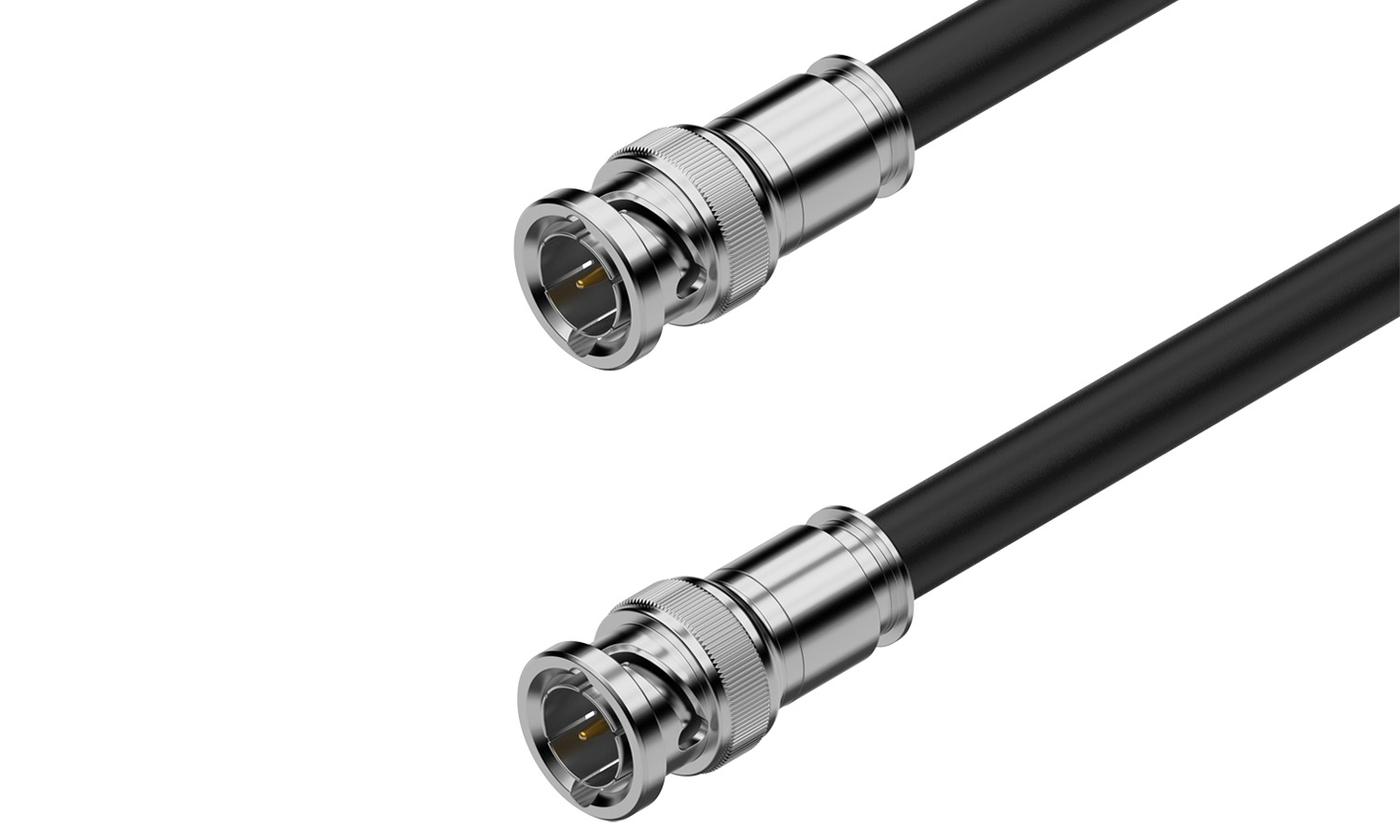
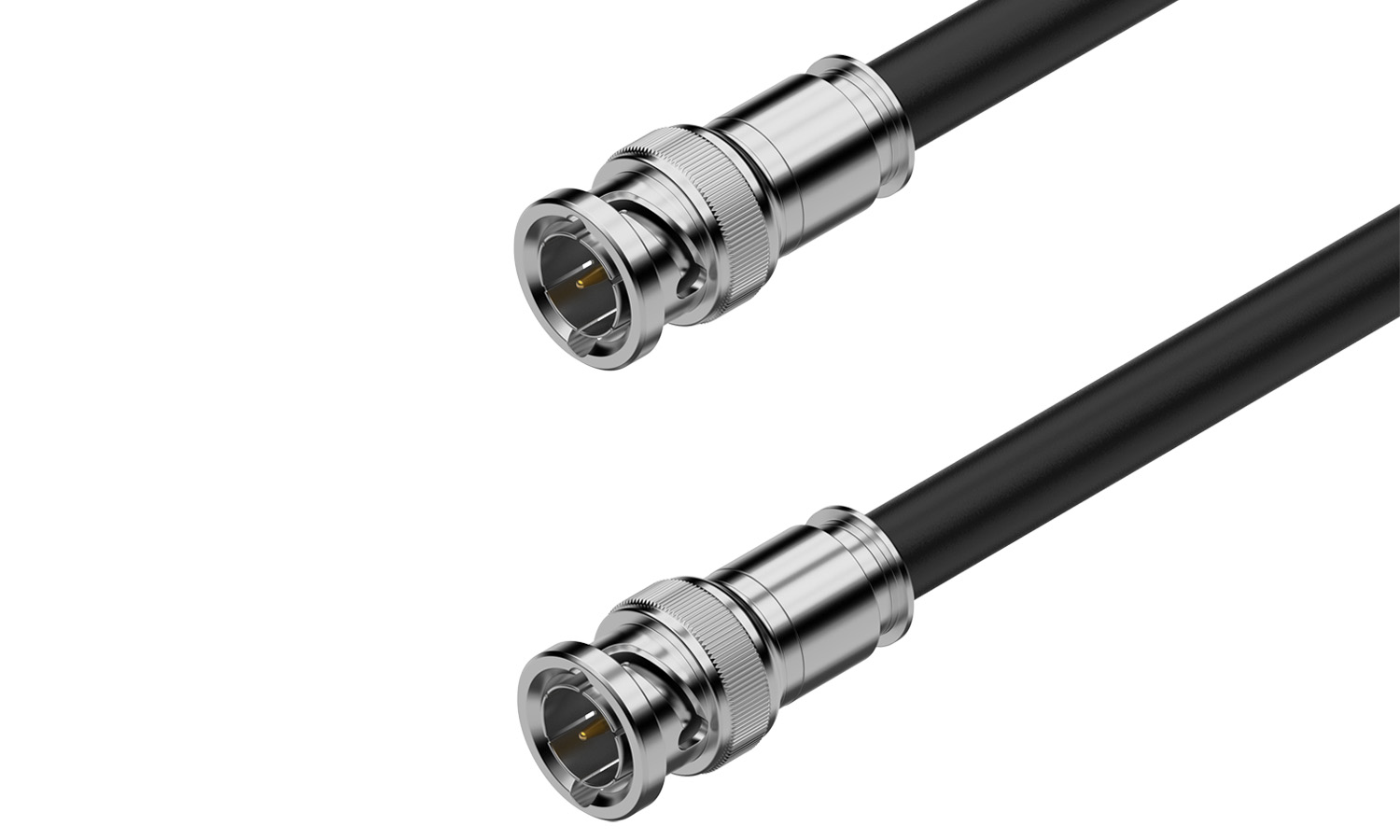
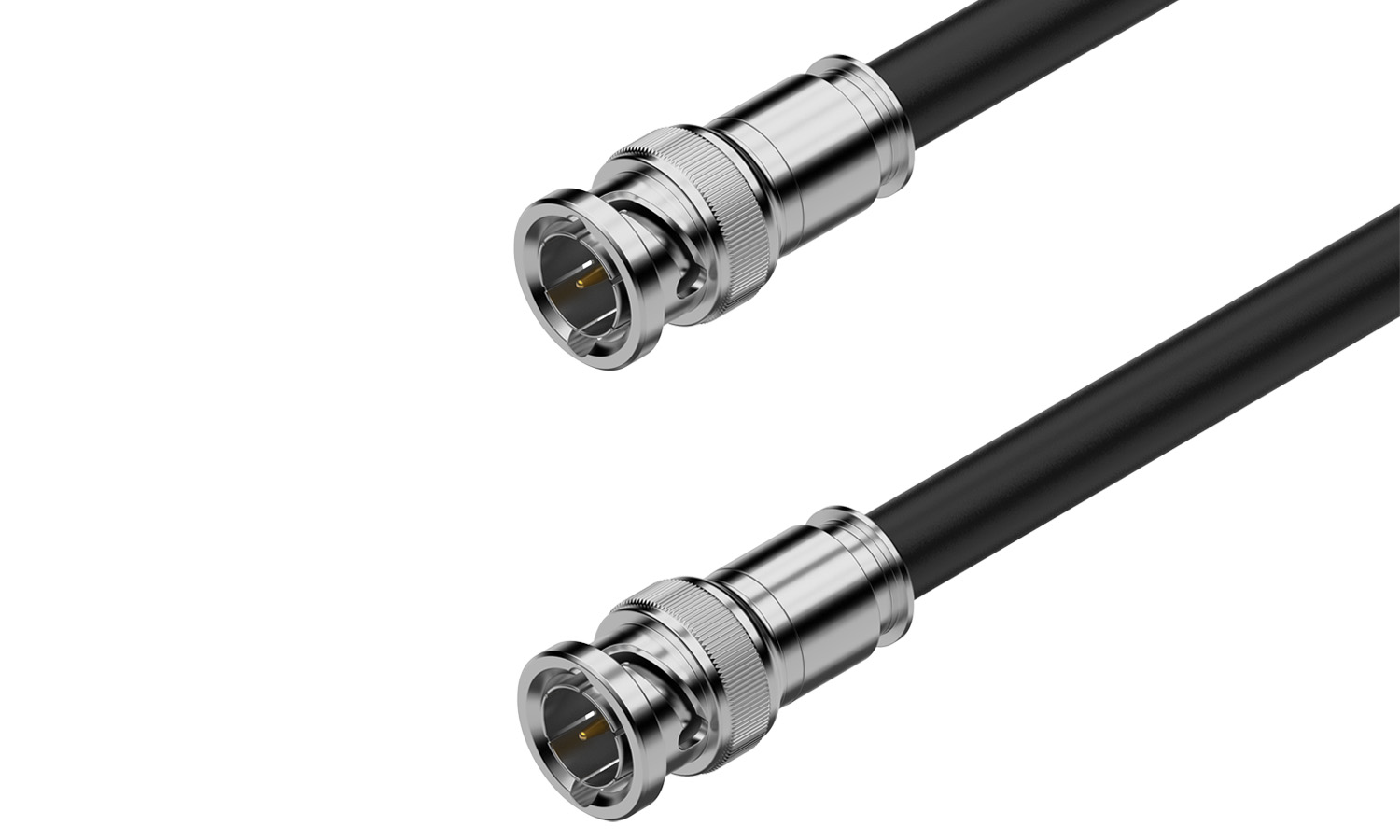
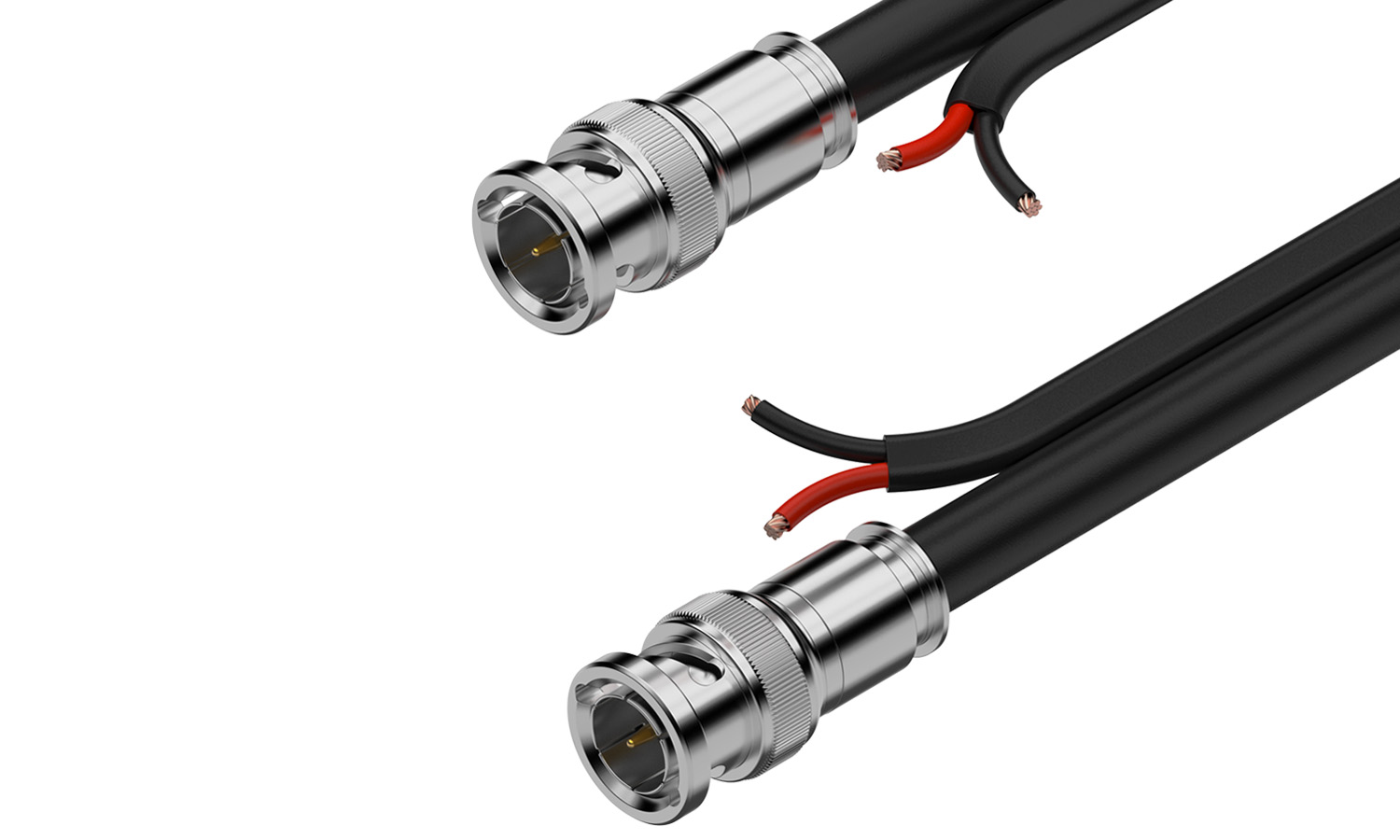
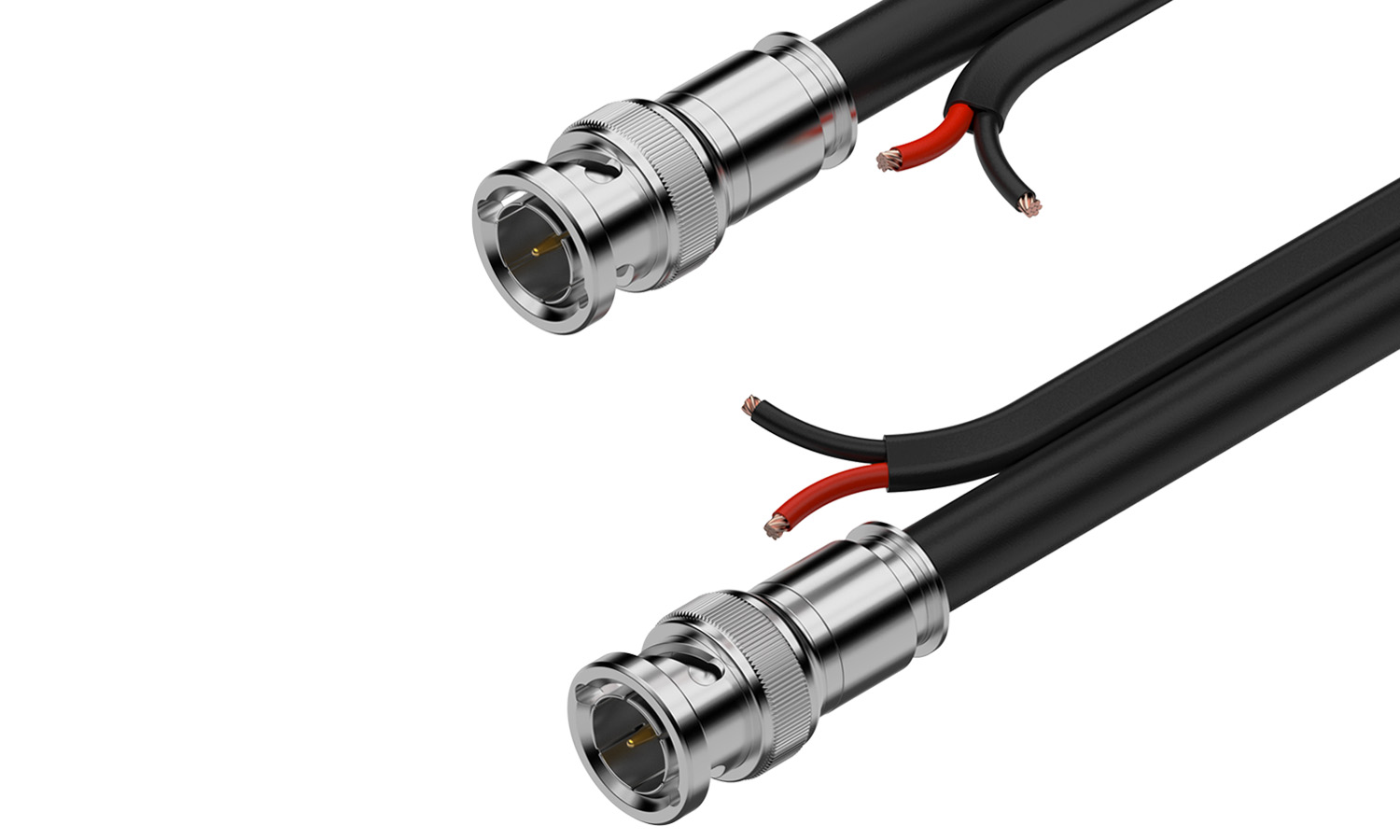
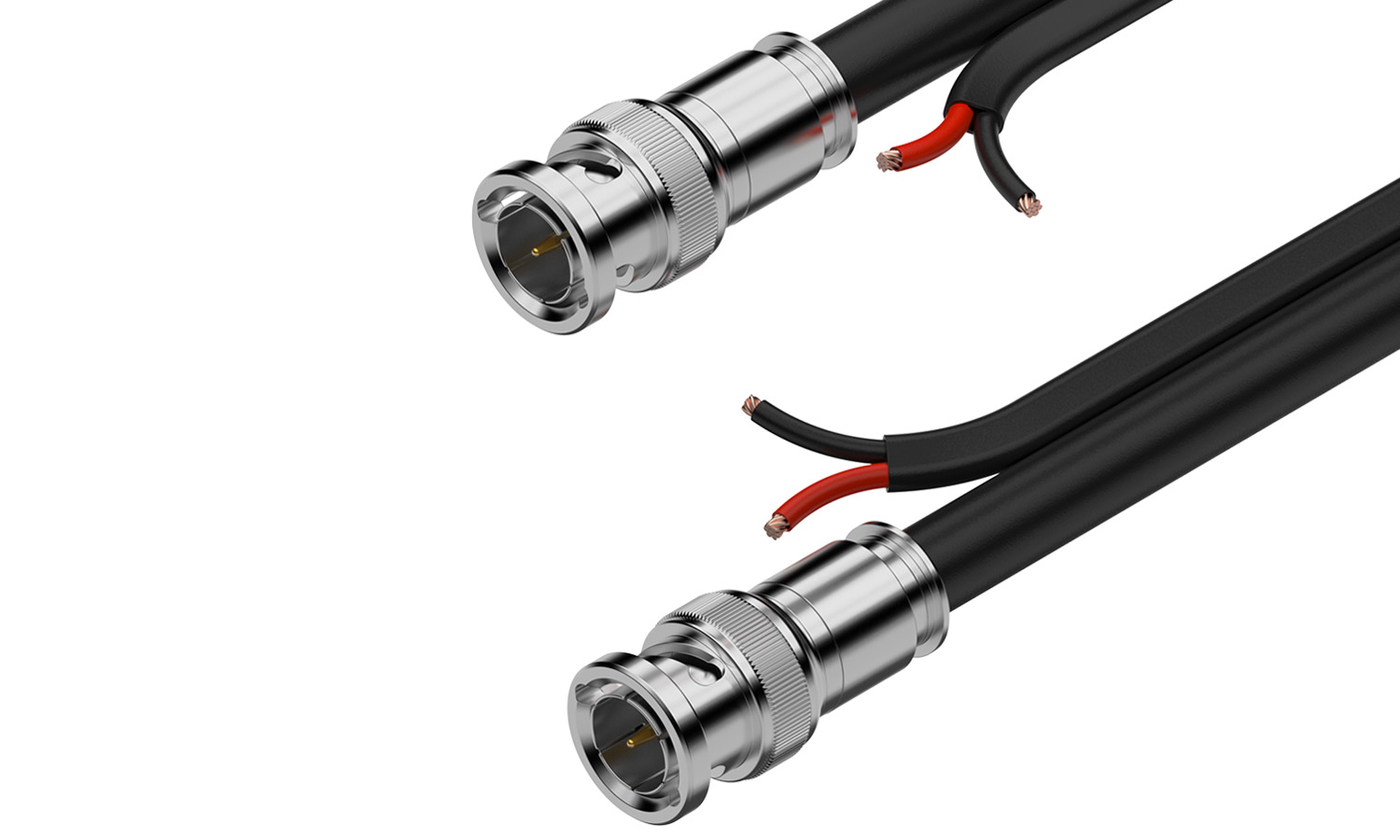
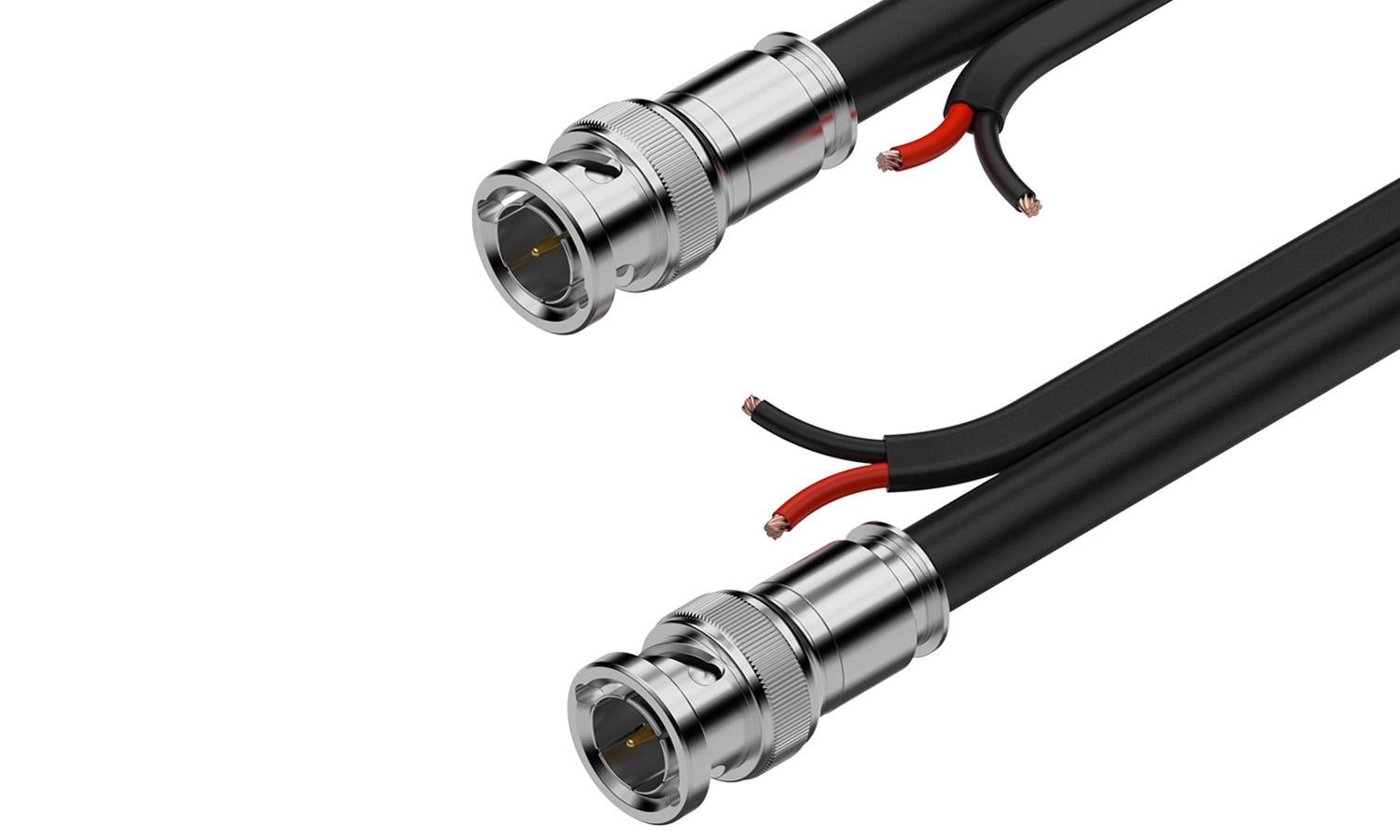
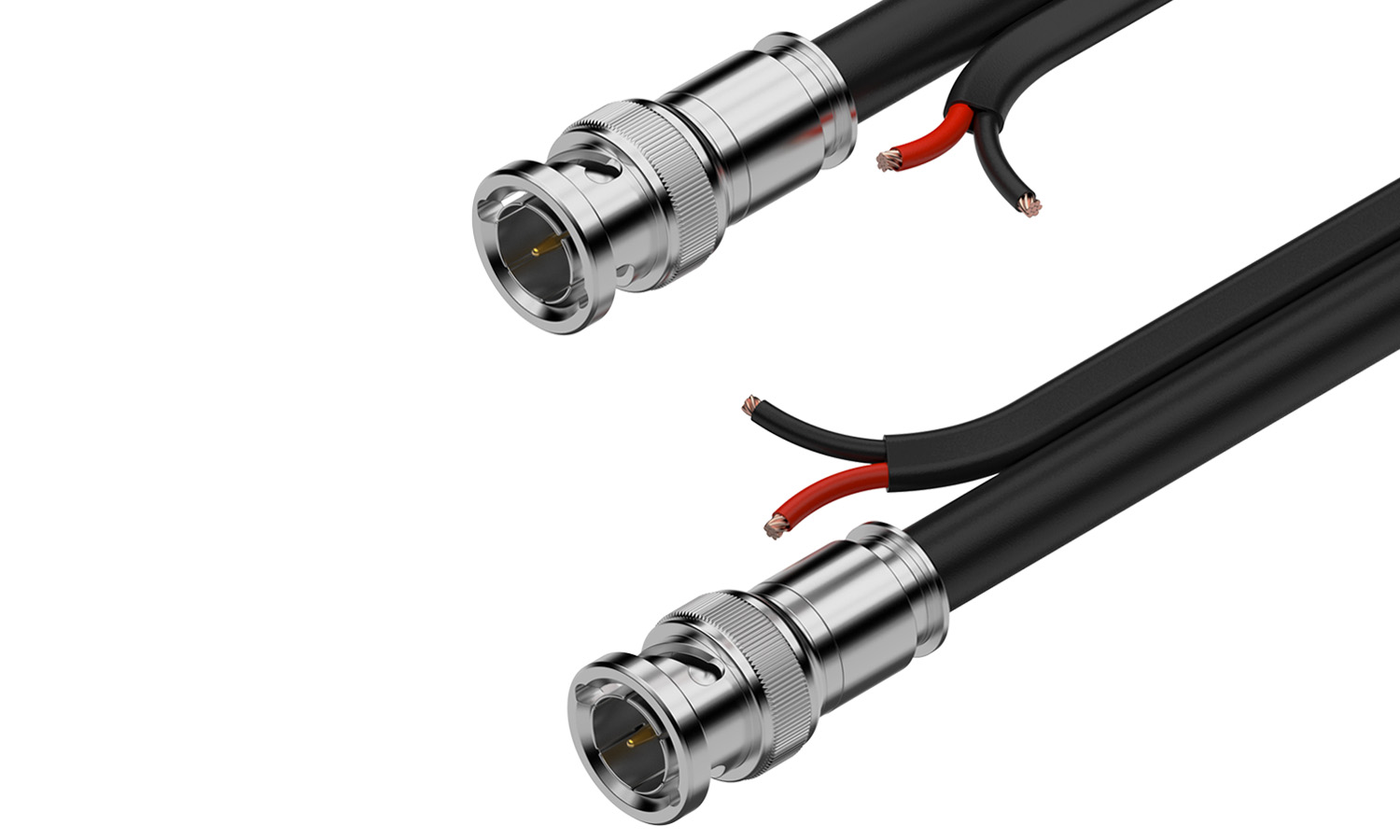
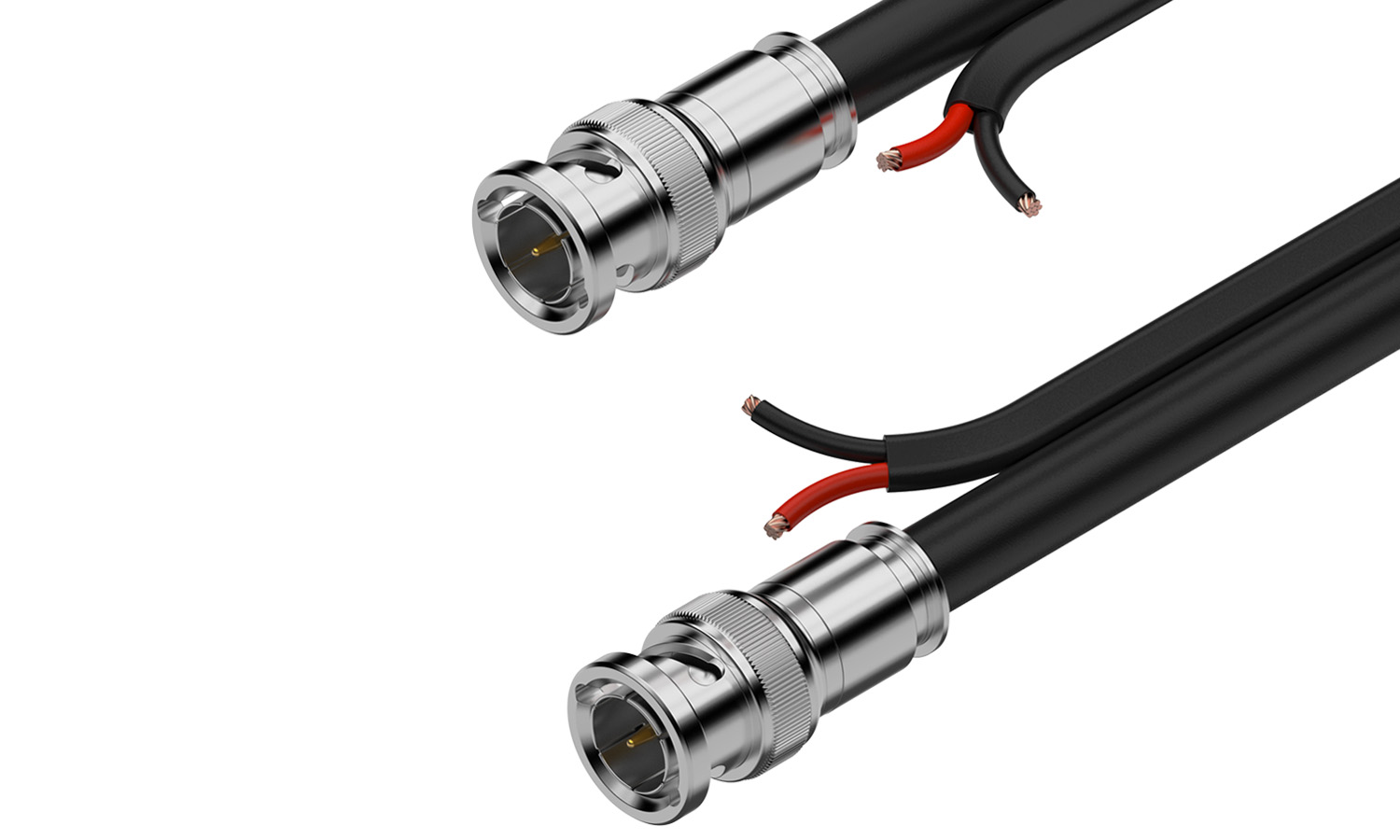
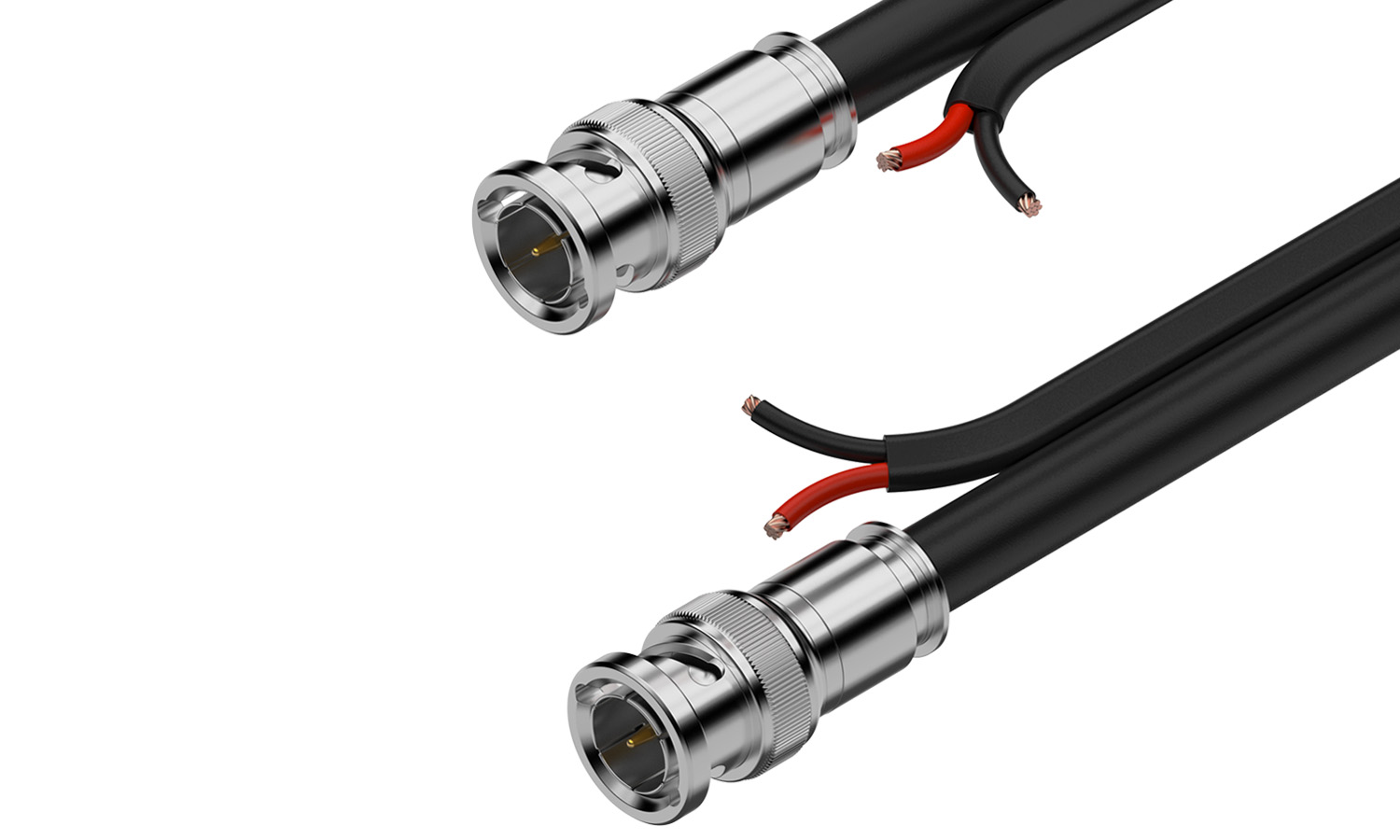
SDI (Serial Digital Interface) cables carry professional uncompressed digital video signals between cameras, switchers, recorders, monitors, and other broadcast and production equipment. SDI uses 75-ohm coaxial cable terminated with BNC connectors, providing rugged, locking connections that resist accidental disconnection. The format is the standard interface in professional broadcast, video production, live event, and post-production environments because it carries uncompressed video, multi-channel embedded audio, timecode, and metadata over long distances with no HDCP overhead and no negotiation delay.
SDI has evolved through several variants with progressively higher bandwidth. SD-SDI carries 270 Mbps for standard-definition video. HD-SDI carries 1.485 Gbps for 1080i and 720p. 3G-SDI carries 3 Gbps for 1080p at 60 Hz. 6G-SDI carries 6 Gbps for 4K at 30 Hz. 12G-SDI carries 12 Gbps for full 4K UHD at 60 Hz on a single cable. Each variant is backward compatible with earlier rates, so a 12G-SDI cable handles all SDI signals reliably.
SDI uses 75-ohm BNC (Bayonet Neill-Concelman) connectors with a quarter-turn locking mechanism. The locking action resists accidental disconnection, which matters in broadcast trucks, on stages, and in equipment racks where vibration and movement are common. Always use 75-ohm BNC connectors with SDI; 50-ohm BNC connectors (used in some RF and test applications) look identical but cause signal reflections and degradation.
SDI uses 75-ohm coaxial cable. Common types include RG-59 (older, lower bandwidth), RG-6 (general purpose for HD-SDI and 3G-SDI), and specialized 12G-SDI cable (low-loss construction for the higher frequencies). Distance limits depend on the SDI rate: SD-SDI runs 300+ meters on quality cable, HD-SDI about 200 meters, 3G-SDI about 100 meters, 6G-SDI about 70 meters, 12G-SDI about 50 meters. For longer distances, use SDI-over-fiber extenders or chain re-clocking distribution amplifiers.
SDI and HDMI serve overlapping needs but live in different worlds. SDI dominates professional broadcast and production: long cable runs over rugged coax, BNC connectors that lock, no HDCP, embedded audio with timecode. HDMI dominates commercial AV integration and consumer electronics: shorter copper runs, content protection (HDCP), EDID handshakes, broad device compatibility. In a typical broadcast facility, SDI carries the signal between cameras, switchers, recorders, and monitors, with HDMI used only where commercial monitors or non-broadcast equipment is in the chain.
SDI embeds up to 16 channels of audio along with the video, plus timecode, closed-caption data, and other metadata. One cable carries everything in one bundle, with the receiving equipment extracting whatever it needs (video to the monitor, audio to the mixer, timecode to the sync generator). This simplifies broadcast facility design enormously compared to HDMI, where audio must often be planned separately.
SDI cables are used in broadcast OB trucks, live sports production, news studios, network TV, post-production suites, control rooms, live worship production with serious video infrastructure, theater and concert lighting/video integration, and any environment where reliability and long-distance signal transport over coax matter more than cable cost. Specific scenarios include camera to switcher in a studio, switcher output to recorder, program out to monitor walls, and distribution to multiple downstream destinations through SDI distribution amplifiers.
SDI (Serial Digital Interface) is a professional uncompressed video standard that runs over 75-ohm BNC coaxial cable. It was designed specifically for the broadcast industry and is the dominant interface in professional broadcast, video production, live event, and post-production environments. SDI carries uncompressed video, multi-channel embedded audio (up to 16 channels), timecode, and metadata over a single coax cable for 100 meters or more, with no licensing or HDCP handshake, no encoding artifacts, and no negotiation delay between source and destination. These properties make it the standard where any glitch is unacceptable.
There are five mainstream variants. SD-SDI carries 270 Mbps for standard-definition video. HD-SDI carries 1.485 Gbps for 1080i and 720p. 3G-SDI carries 3 Gbps for 1080p at 60 Hz. 6G-SDI carries 6 Gbps for 4K at 30 Hz. 12G-SDI carries 12 Gbps for 4K UHD at 60 Hz on a single cable. Each step up doubles bandwidth. A 12G-SDI cable is backward compatible with all earlier rates, which is useful in facilities migrating from older to newer SDI infrastructure in stages.
The maximum cable distance depends on the SDI rate. SD-SDI runs 300 meters or more on quality coax. HD-SDI runs about 200 meters. 3G-SDI runs about 100 meters. 6G-SDI runs about 70 meters. 12G-SDI runs about 50 meters. Beyond these limits, use an SDI-over-fiber extender (kilometers of range), an active SDI distribution amplifier as a re-clocking regeneration point, or specialized low-loss 12G-SDI cable for slightly longer runs. The lower the SDI rate, the more cable margin you have, which is why older HD-SDI infrastructure often still works on cable that was designed for SD.
BNC connectors lock in place with a quarter-turn, resisting accidental disconnection from vibration or movement. HDMI connectors do not lock and can come loose in rugged environments. BNC also matches the 75-ohm impedance of SDI coaxial cable precisely, while HDMI uses a more complex multi-pin connector that does not work over coax. The combination of BNC and 75-ohm coax is rugged, simple, and ideal for broadcast environments where reliability and long-distance transport matter most. SDI is also free of HDCP, which simplifies signal routing through long chains of equipment.
Yes. SDI embeds up to 16 channels of audio along with the video signal, plus timecode and metadata. One coax cable carries everything in one bundle, with the receiving equipment extracting whatever it needs. This is one of the strengths of SDI: in a broadcast facility, the SDI cable from camera to switcher to recorder to monitor wall carries the complete program with no separate audio routing. Audio can be stripped out at any point with an SDI audio de-embedder for use in a separate audio system.
Broadcast OB trucks, live sports production, news studios, network TV, post-production suites, control rooms, live worship production with serious video infrastructure, theater and concert lighting/video integration, and any environment where reliability and long-distance signal transport over coax matter more than cable cost. Specific scenarios include camera to switcher in a studio, switcher program output to recorder, program out to monitor walls, distribution from a router to multiple downstream destinations, and tie lines between control rooms and stages. SDI dominates everywhere professional video is produced and managed.

On order over $300 and more for US and US territory

We Offer a 30-Day Money Back Guarantee

Full manufacturer's warranty and quality assurance

Safe checkout with trusted payment providers