




Start typing to see results...
Find the perfect solution
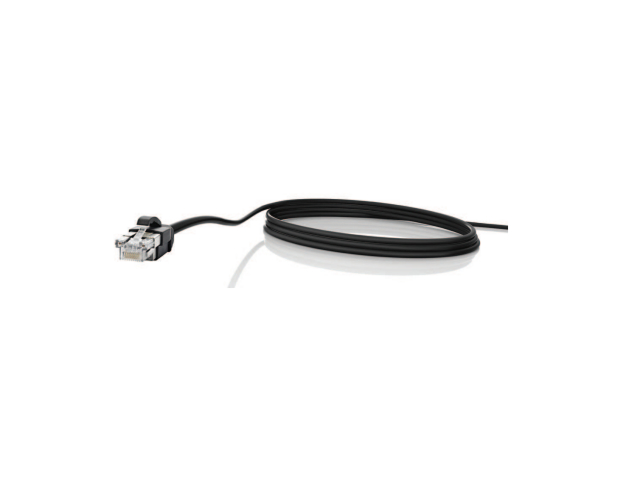
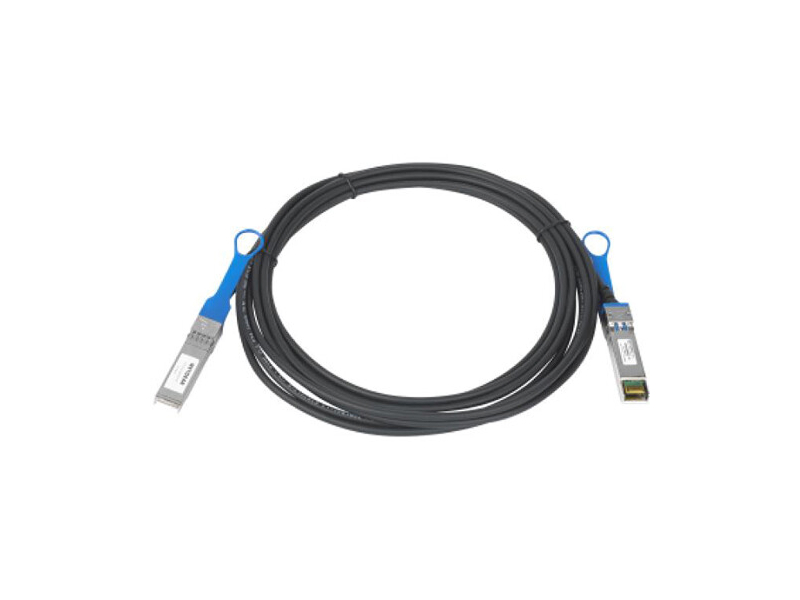
Although Avprosupply has the legal right to set our own prices, some manufacturers place restrictions on how those prices may be advertised. This is why you may sometimes see requests like “add to cart for price”, “click here for price”, or “call for price”.
Specific actions required may vary based on the manufacturer's minimum advertised price policy. We'd love to show you our lowest price, quite simply, at the earliest possible time while shopping, but in these circumstances the manufacturers don't allow it. We realize this is an inconvenience and apologize. By ensuring we follow manufacturer advertising guidelines, Avprosupply is able to offer the very best pricing and value to our customers.
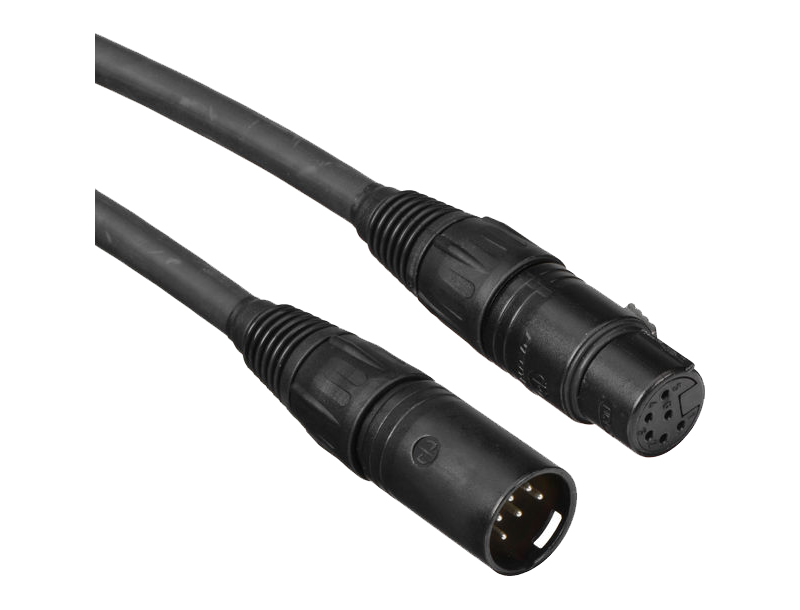
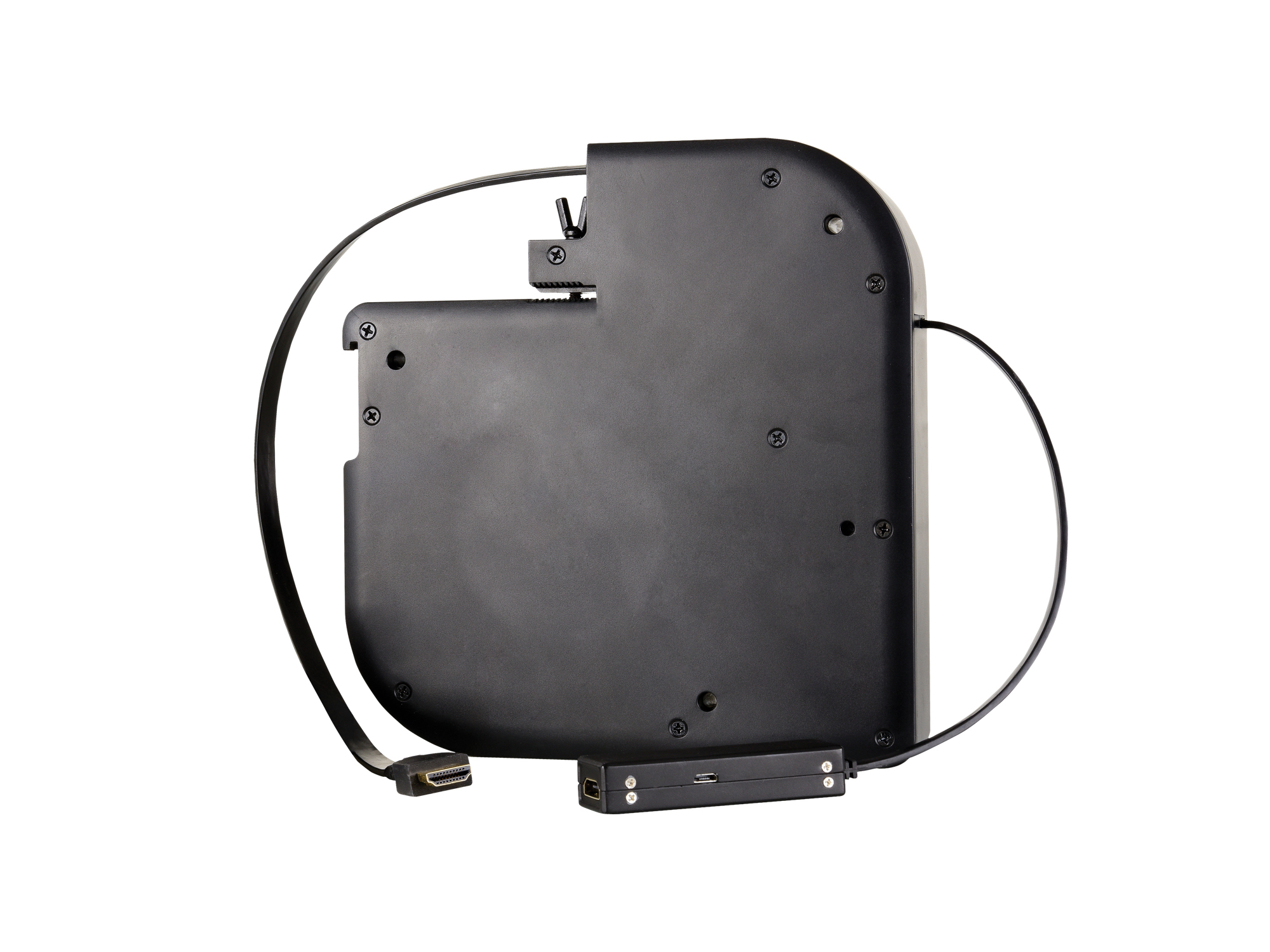
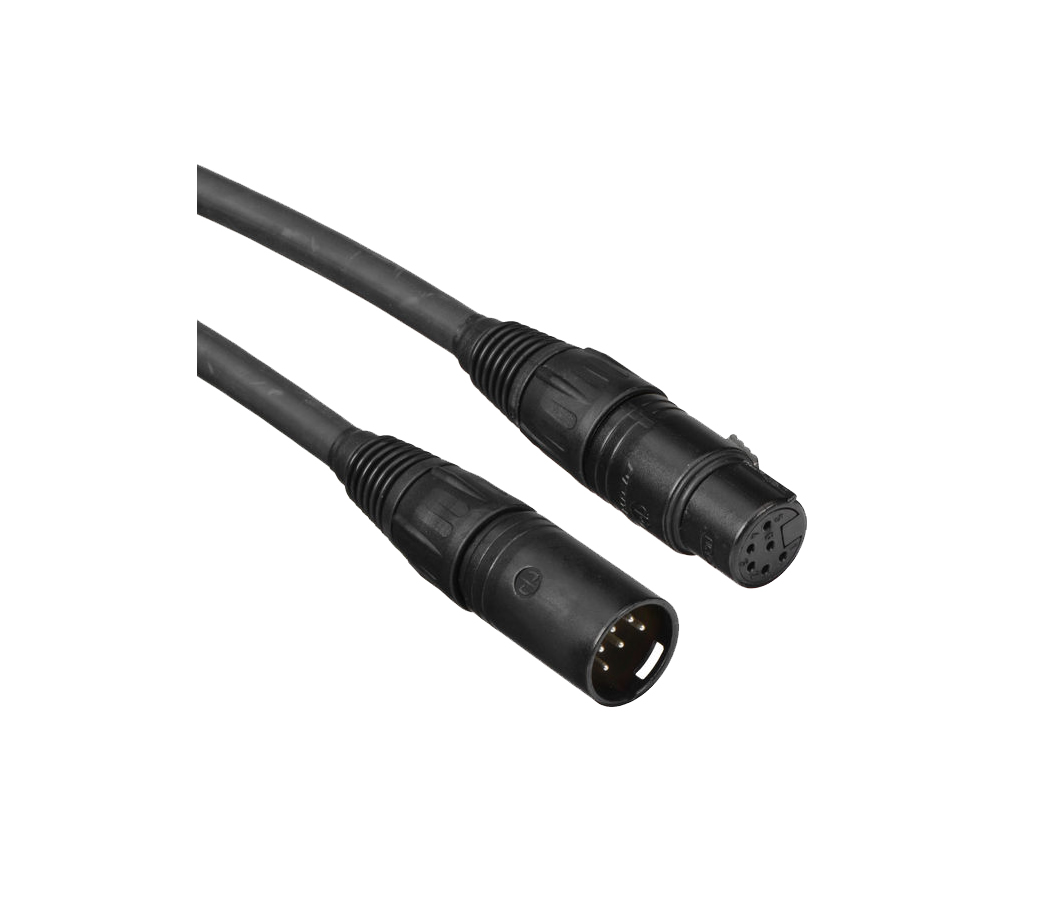
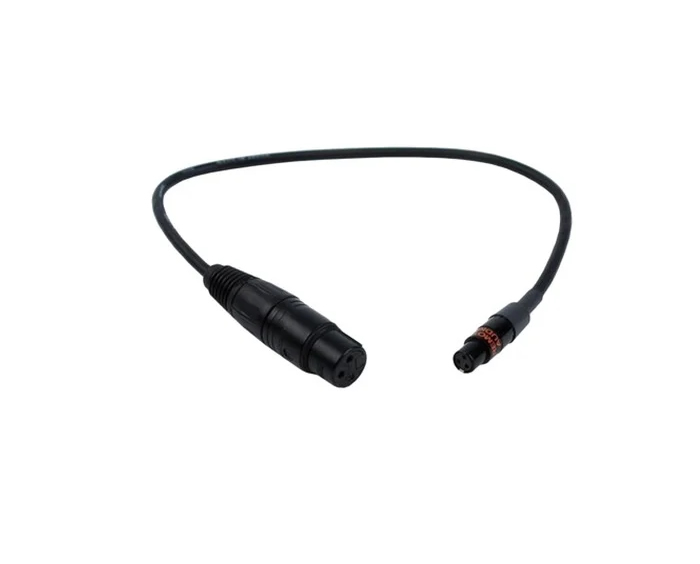
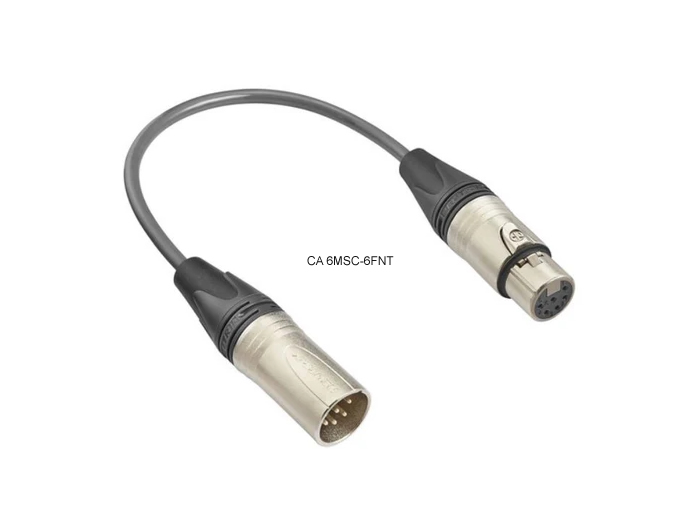
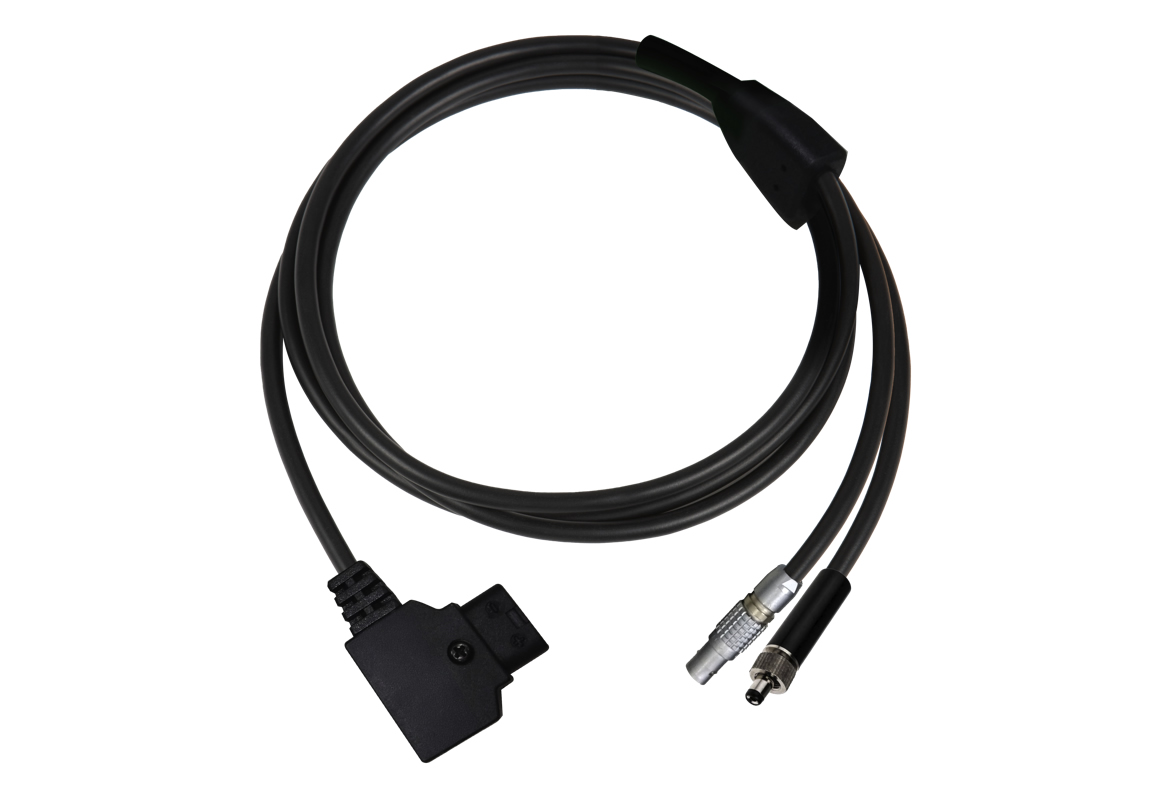
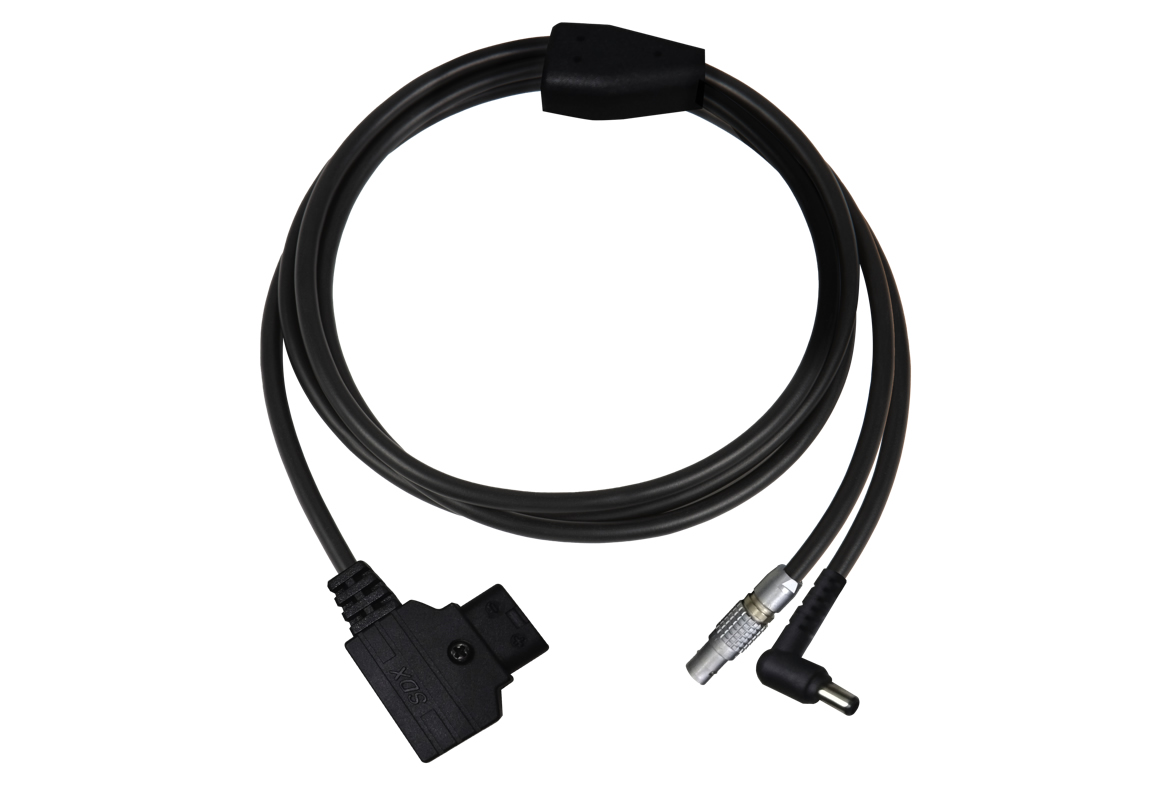
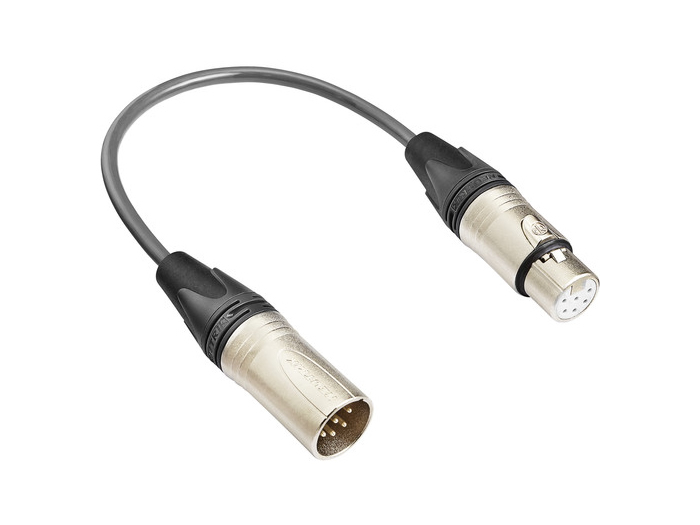
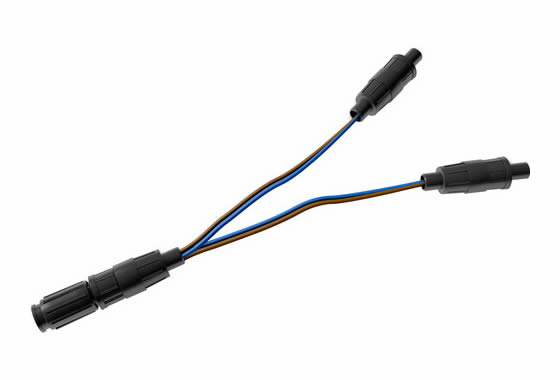
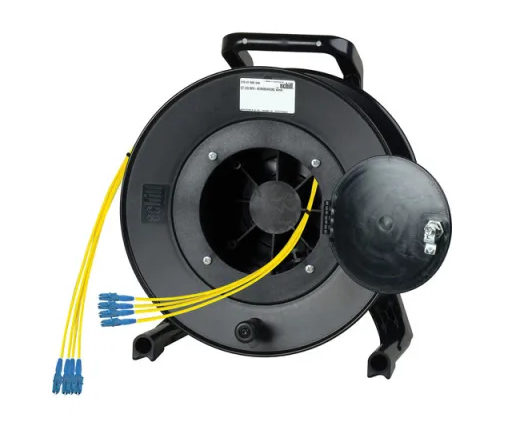
This subcategory groups the cable types that do not fit into the named categories (HDMI, DVI, DisplayPort, VGA, component, composite, S-Video, audio, network, plenum, USB, IR, coaxial, fiber, speaker). It includes specialty AV cables, control cables, multi-pin cables for legacy equipment, power cables for AV devices, custom assemblies, and miscellaneous cable products that fill specific roles in commercial AV installations.
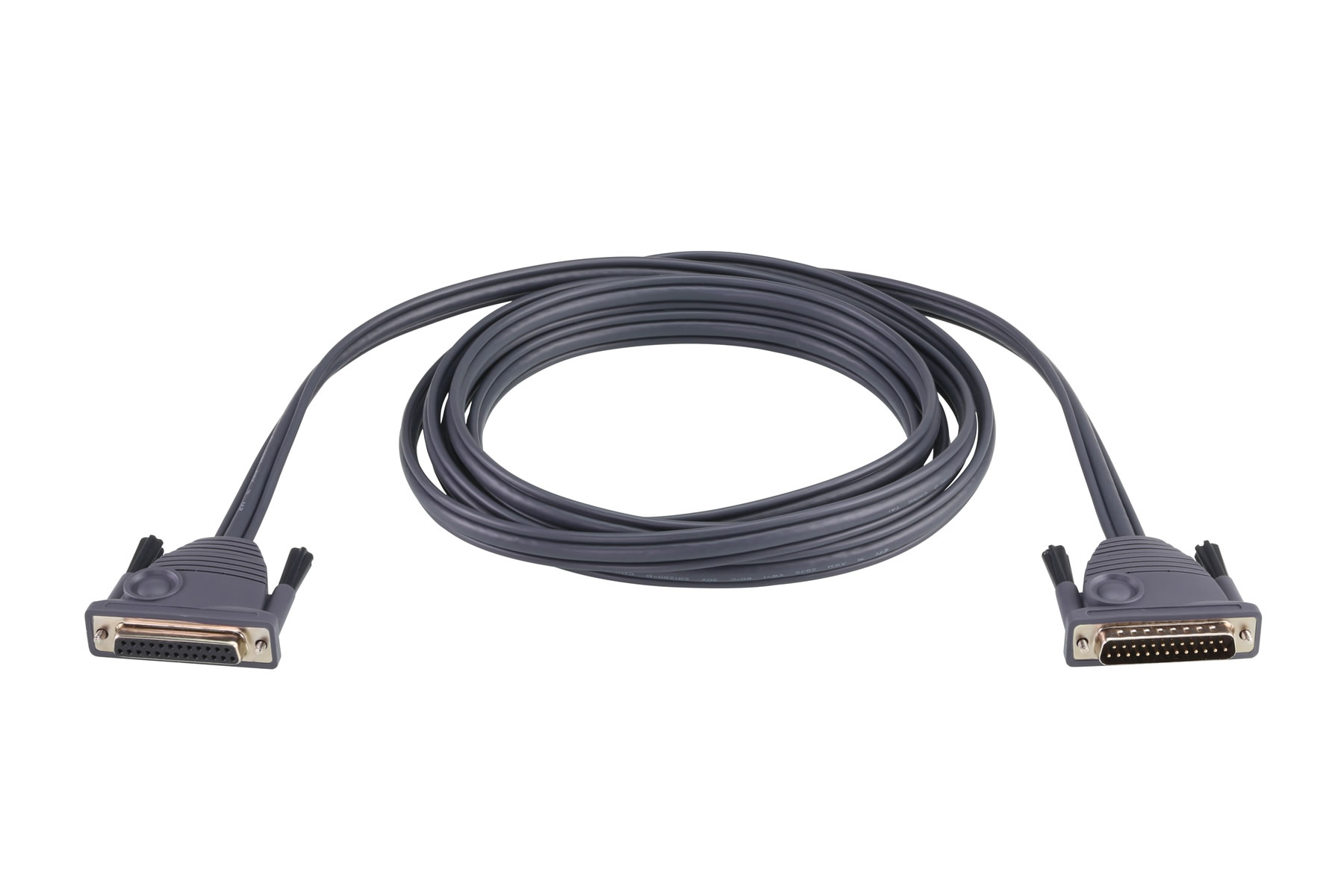
Commercial AV control systems use various cable types beyond standard network and IR cables. RS-232 serial cables connect control processors to AV devices that accept serial commands (many projectors, displays, and source devices). RS-485 cables carry multi-drop serial signaling for larger control systems. Contact closure and relay cables interface with non-IP devices. GPIO cables connect general-purpose input/output for tally lights, alarms, and triggers.
Some AV equipment uses multi-pin cables that are not part of any standard interface. Older video equipment may use multi-pin DIN connectors (5-pin, 7-pin, 9-pin) for proprietary or specialty signals. Audio equipment may use multi-pin tubes for routing many channels in one bundle. Industrial AV may use heavy-duty multi-pin military-style connectors for ruggedness. These cables are typically built to order or stocked in specific configurations for known equipment.
AV equipment uses many types of power cables: IEC C13/C14 cables (the standard "kettle cord" for AV equipment in equipment racks), IEC C19/C20 for higher-power devices like large amplifiers and projectors, locking power cables (Neutrik PowerCon, Wieland) for live sound and rental, and DC power cables for low-voltage AV devices powered by external supplies. Always specify the right power cable for the equipment and the regional electrical standard.
Many commercial AV installations need custom cable assemblies: extra-long cables for specific runs, multi-cable bundles with specific channel counts, breakout cables for multi-channel devices, color-coded assemblies for service identification, snake cables built to specific channel counts and lengths. These are typically built to order by cable assembly specialists, with the installer specifying the required connectors, channel counts, lengths, and jacket type.
Service kits include various test and patch cables: short patch cables for jumpering equipment in a rack, test cables with banana plugs for cable testers, breakout adapters for diagnosing connection problems, and various adapter pigtails (XLR to RCA, BNC to RCA, etc.) for connecting equipment from different generations. A well-equipped AV service kit includes dozens of these specialty cables.
These other cable types appear throughout commercial AV: control system cables in every AV equipment rack, RS-232 to projectors and displays, power cables to every rack-mounted device, custom assemblies for installations that do not fit standard products, multi-pin cables for specialty equipment, test and patch cables in service kits. Every installation has cable needs that fall outside the main named categories.
A wide range of specialty cables that do not fit the named categories: RS-232 and RS-485 control cables for serial-controlled AV devices, contact closure and relay cables for non-IP control, GPIO cables for tally and trigger signaling, multi-pin DIN cables for legacy AV equipment, power cables (IEC C13/C14, C19/C20, locking PowerCon, low-voltage DC), custom multi-cable bundles and breakout assemblies, test cables and adapter pigtails for service kits, and miscellaneous specialty cables used in specific commercial AV roles.
RS-232 is a serial communication standard used to send control commands from a control system processor to an AV device (projector, display, AV receiver, switcher, etc.). RS-232 cables typically use DB9 (9-pin D-Sub) or RJ45 connectors with specific pin assignments depending on the equipment. You need RS-232 when your control system needs to send commands to a device that does not support IP control: many older AV devices and some current professional equipment use RS-232 as the primary or backup control interface. The cable carries low-speed serial data (usually 9600 or 115200 baud) and is reliable to about 50 feet (15 meters).
A contact closure is a simple electrical signal that closes (shorts) two wires together to trigger an action, like a switch being pressed. Contact closure cables connect control system outputs to devices that accept contact closure inputs: motorized projector screens (one closure for up, another for down), motorized window shades, motorized lifts, alarm systems, tally lights, and many simple control interfaces. The cable is usually just multi-conductor low-voltage wire (often 22 AWG or 24 AWG), with terminations specific to the equipment. Contact closure is the simplest control interface, used where IP or serial control is unavailable.
For most rack-mounted AV equipment, the standard IEC C13 to C14 power cable (the "kettle cord") is universal. For higher-power devices (large amplifiers, big projectors, some plasma displays), use IEC C19 to C20 cables, which are rated for more current. For live sound rentals and concert applications, locking power cables (Neutrik PowerCon, Wieland RST) prevent accidental disconnection on stage. For low-voltage AV devices powered by external supplies, the specific DC barrel or threaded connector and the right voltage and current rating matter. Always match the cable to the equipment and the regional electrical standard (NEMA in North America, IEC in Europe, etc.).
You need custom cable assemblies when no standard pre-made product fits your installation requirements: extra-long cables for specific long runs (custom lengths beyond standard offerings), multi-cable bundles with specific channel counts for snakes and breakout systems, breakout cables for multi-channel devices that use a single physical connector at one end and fanned-out individual cables at the other, color-coded assemblies for service identification, and specialty cables for legacy or proprietary equipment. Custom assemblies are typically built to order by cable assembly specialists, with the installer specifying connectors, channel counts, lengths, jacket type, and any required testing.
Control system cables (RS-232, contact closure, GPIO) in every AV equipment rack and at every controlled device, RS-232 to projectors and displays for command and feedback, IEC power cables to every rack-mounted device throughout the installation, custom assemblies for installations that do not fit standard products, multi-pin cables for specialty equipment (legacy and industrial), test and patch cables in every service technician's kit, and adapter pigtails for connecting equipment from different generations. Every commercial AV install has cable needs that fall outside the main named categories.

On order over $300 and more for US and US territory

We Offer a 30-Day Money Back Guarantee

Full manufacturer's warranty and quality assurance

Safe checkout with trusted payment providers