




Start typing to see results...
Find the perfect solution
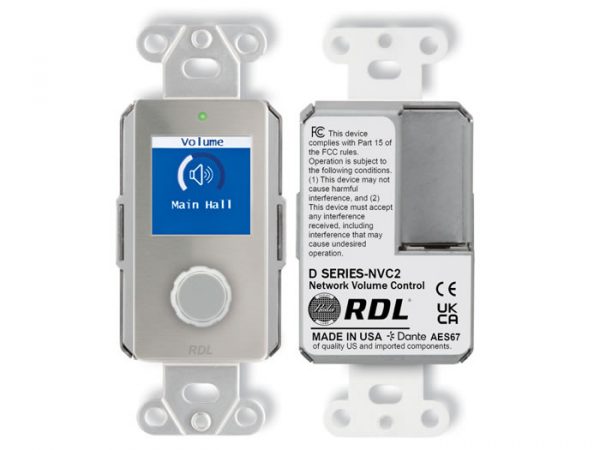
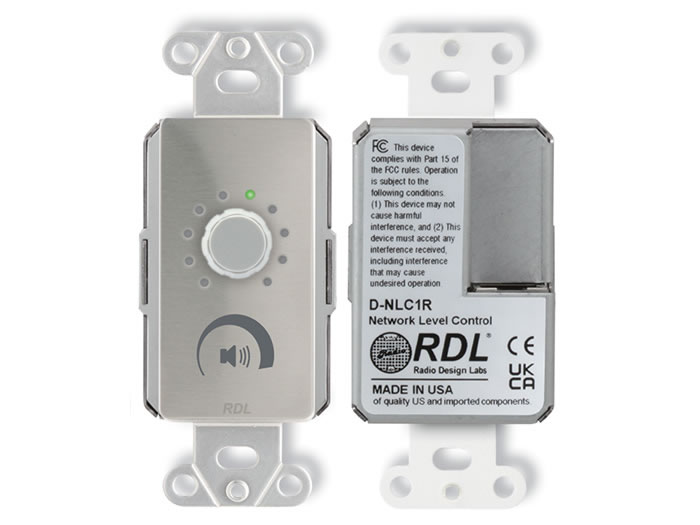
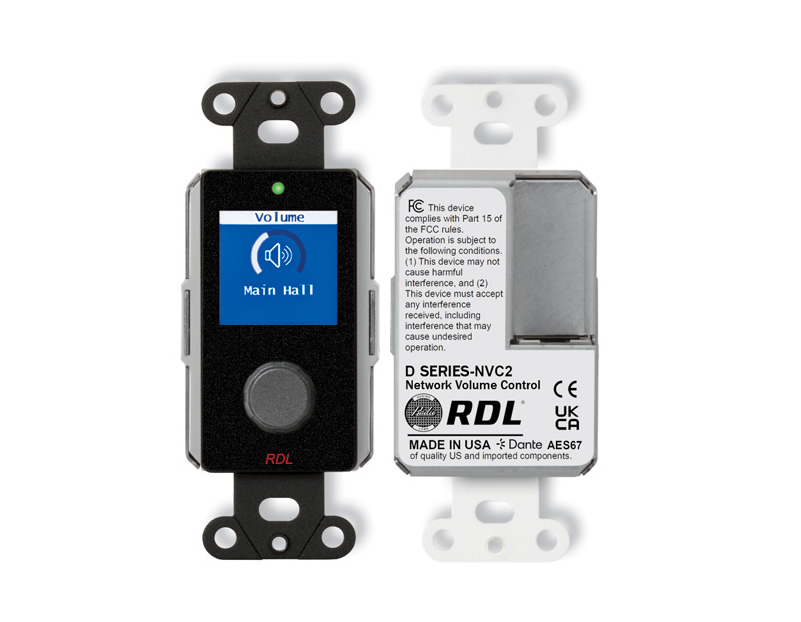
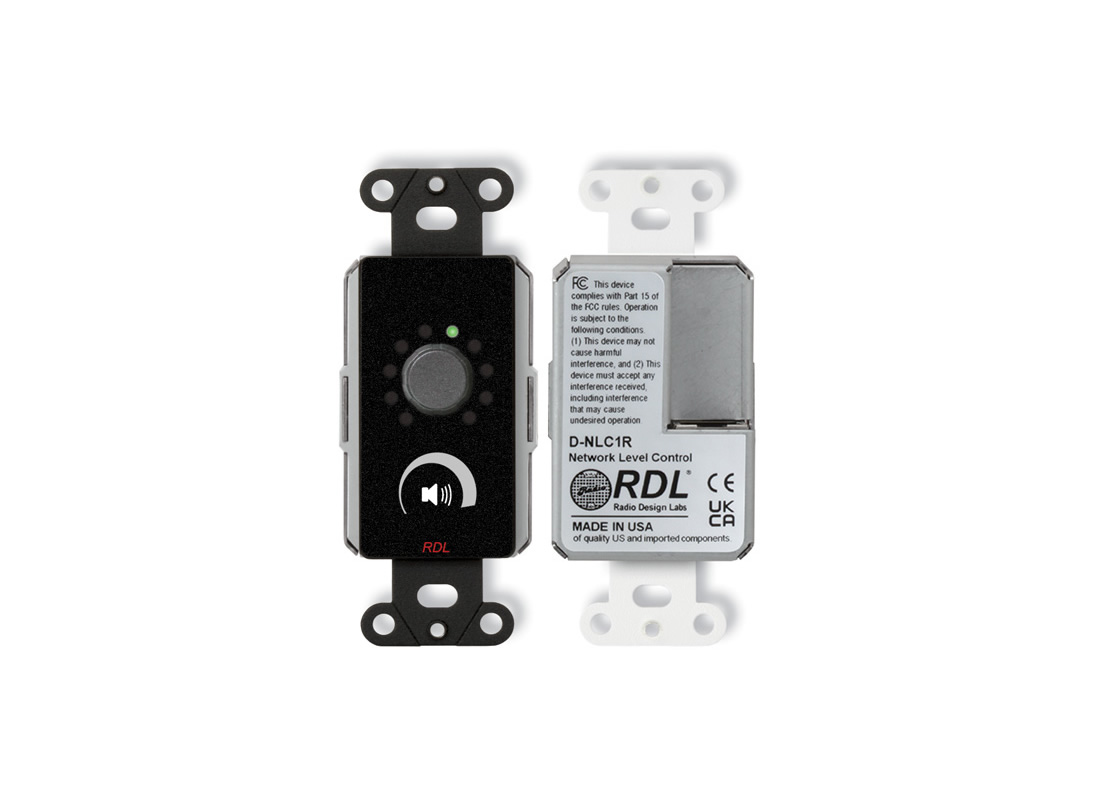
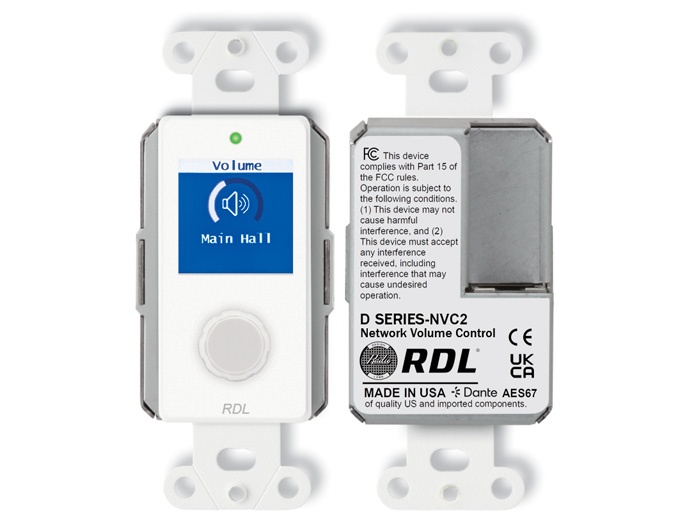
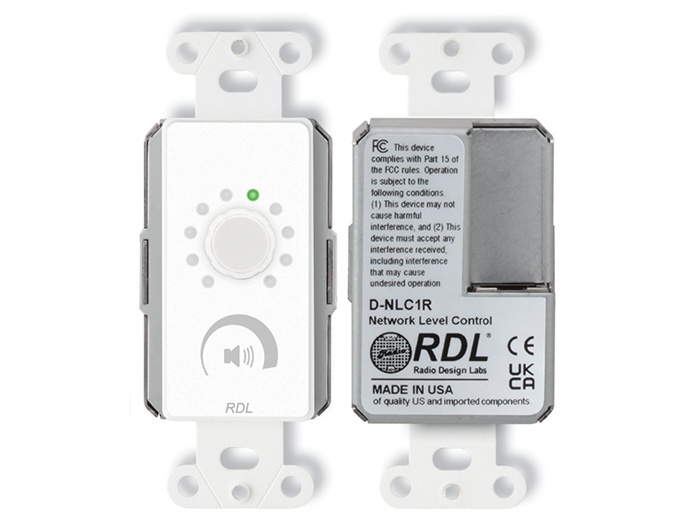
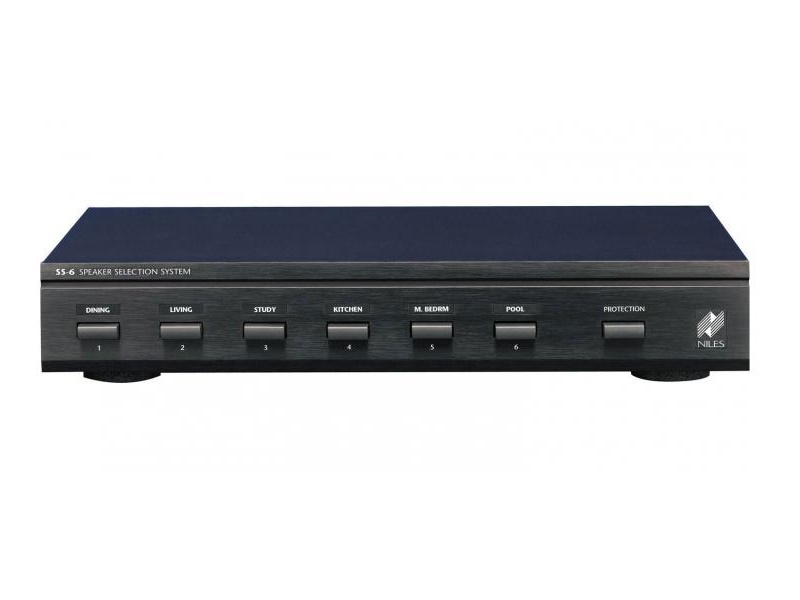
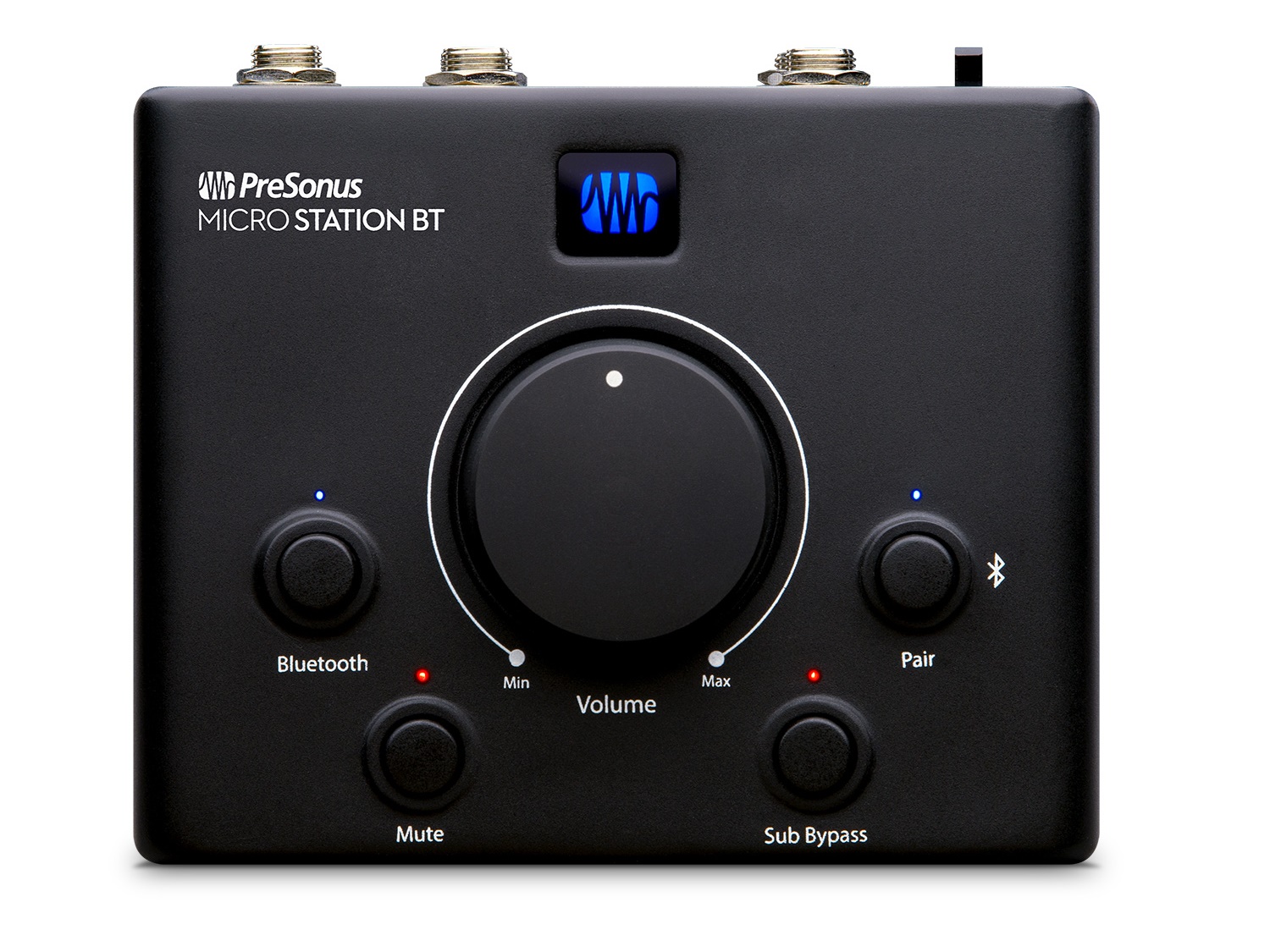
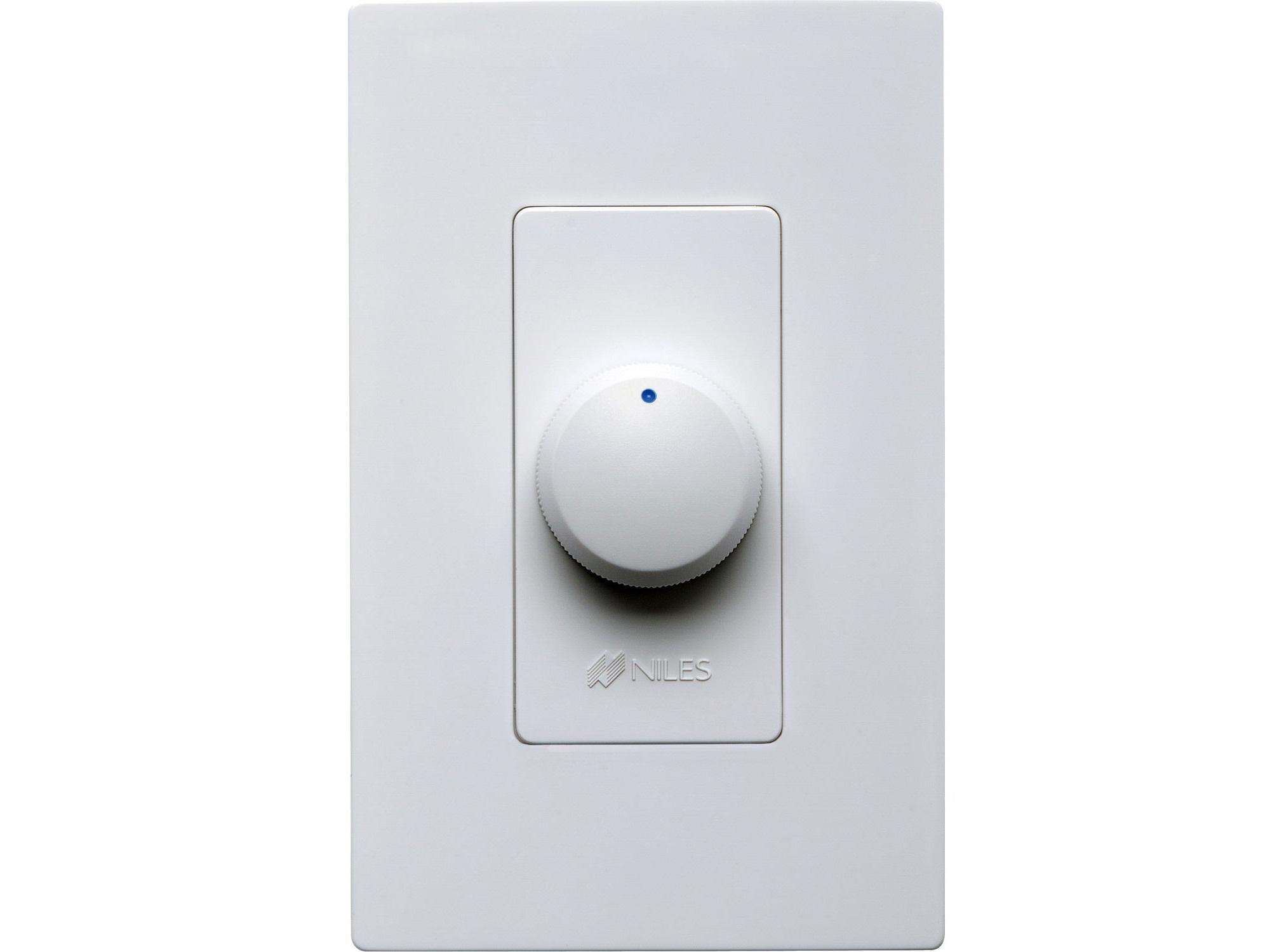
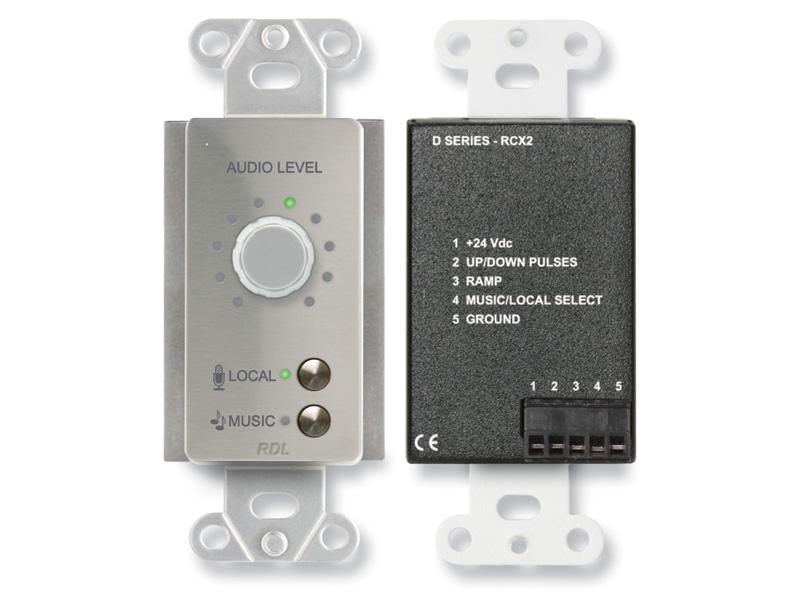
Speaker selectors and volume controls are the building blocks of multi-room audio distribution. A speaker selector takes a single amplifier output and routes it to several pairs of speakers in different rooms, with the option to turn each pair on or off and balance its volume independently. Volume controls, typically wall-mounted in each room, let occupants adjust the level in their space without affecting the others.
Most speaker selectors include impedance matching, which protects the amplifier from being overloaded when many speaker pairs run in parallel. This is critical: without impedance matching, driving four pairs of 8-ohm speakers in parallel drops the amplifier's load to roughly 2 ohms, far below what most home or commercial amplifiers can safely handle. A selector with built-in matching inserts switchable transformers or resistors that keep the amplifier's load at a safe 4 or 8 ohms regardless of how many zones are active.
Speaker selectors stay in the low-impedance (4 to 8 ohm) world and are typically limited to a handful of zones with consumer-style speakers. 70V or 100V constant-voltage systems use specialized amplifiers and tapped speakers, allowing dozens of speakers across long cable runs. Selectors are the right choice for homes, small offices, and small bars. 70V is the right choice for schools, large retail, warehouses, and any large-scale distributed-audio installation.
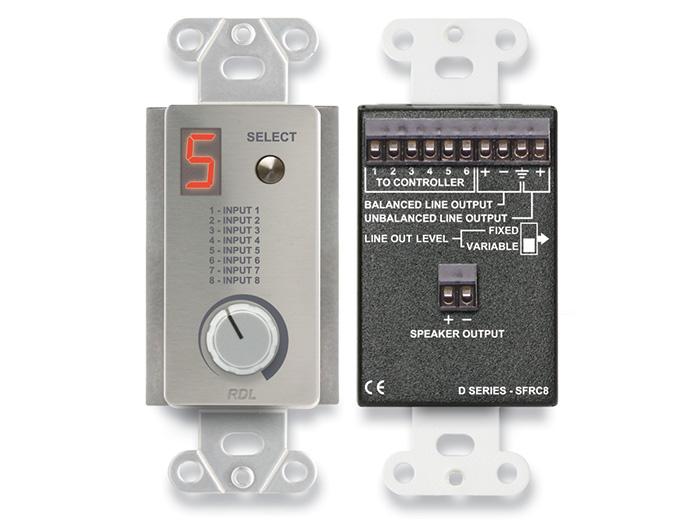
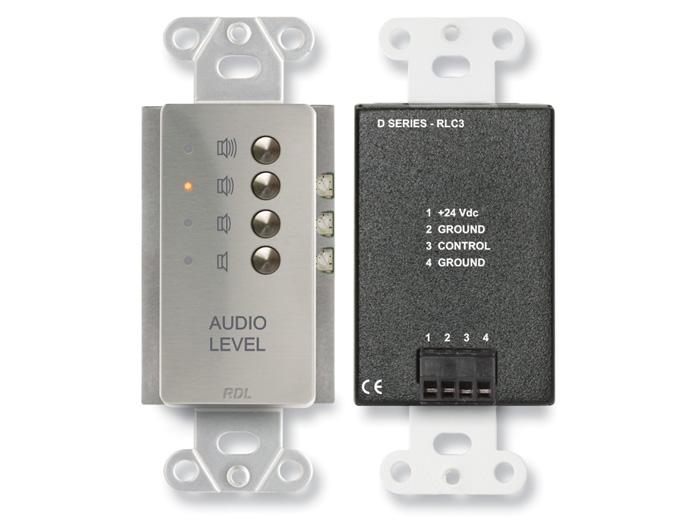
Standard practice is to install in-wall volume controls in single-gang or double-gang electrical boxes at switch height (about 48 inches or 1.2 meters), near each room's entry point. This lets occupants adjust level on the way into the room without crossing it. Plan the speaker-cable run so the wire goes from the selector to the volume control first, then on to the speakers in that room.
Common configurations are 4-zone and 6-zone for residential, and 8-zone or 12-zone for larger homes and commercial installations. Beyond about 12 zones, it is usually more cost-effective to move to a multi-channel power amplifier or a networked audio distribution system, which gives independent source-and-volume per zone rather than a single shared source.
The classic install is a single audio source (cable TV music channel, streaming receiver, dedicated music player) driving a stereo amplifier, which feeds a speaker selector, which distributes to four or six rooms of in-ceiling speakers, each with its own wall-mounted volume control. The same architecture scales to small commercial spaces with background music in restaurants, retail, small offices, hotels, and fitness centers.
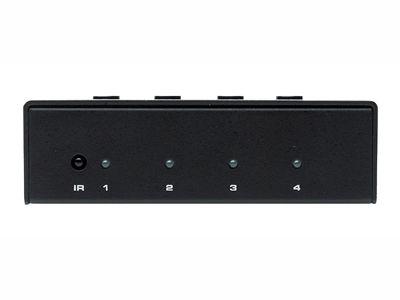
A speaker selector routes one amplifier's output to multiple speaker pairs, with on/off and level control per pair. A typical 4-zone speaker selector has one stereo input (from the amplifier) and four stereo outputs (to four pairs of speakers). Front-panel switches enable or disable each zone independently, so you can turn off rooms that aren't in use. Most selectors also offer volume trim per zone so you can balance levels between rooms with different acoustics or speaker sensitivities. The result is whole-home audio from one amplifier and one source, with per-room control.
Impedance matching protects the amplifier from being overloaded when multiple speaker pairs run in parallel. When you connect speakers in parallel, the total impedance the amplifier sees drops. Four pairs of 8-ohm speakers in parallel present roughly 2 ohms to the amplifier, which is below the safe operating range of most home and commercial amplifiers. Running an amplifier into too low an impedance causes it to overheat and shut down, or in worse cases damage the output stage. An impedance-matching selector inserts switchable transformers or resistors that keep the amplifier's load at a safe 4 or 8 ohms regardless of how many zones are active.
A speaker selector uses standard low-impedance speakers; a 70V system uses constant-voltage distribution. Speaker selectors stay in the low-impedance (4 to 8 ohm) world and are typically limited to a handful of zones with consumer-style speakers. They are right for homes, small offices, and small bars. 70V or 100V systems use specialized amplifiers and tapped speakers, allowing dozens of speakers across long cable runs with minimal loss. They are right for schools, large retail, warehouses, and any large-scale distributed-audio installation. The two architectures do not mix: a 70V speaker cannot be driven by a low-impedance amplifier or vice versa.
At a convenient wall location in each room, usually next to the entrance or by the listening area. Standard practice is to install in-wall volume controls in single-gang or double-gang electrical boxes at switch height (about 48 inches or 1.2 meters), near the room entry. This lets occupants adjust level on the way into the room without crossing it. Plan the speaker-cable run accordingly: the wire goes from the selector or amplifier to the volume control first, then on to the speakers in that room. This way, the control sits in the signal path between source and speakers, where it can attenuate the signal before it reaches the speakers.
Typically 4, 6, 8, or 12 zones, depending on the model. Match this to the number of rooms you need to cover, plus a small margin for future expansion. Common configurations are 4-zone and 6-zone for residential, 8-zone or 12-zone for larger homes and commercial installations. Beyond about 12 zones, it is usually more cost-effective to move to a multi-channel power amplifier or a networked audio distribution system, which gives independent source-and-volume per zone rather than a single shared source. The trade-off is cost: more zones in one chassis means more impedance-matching circuitry inside.
Whole-home audio, restaurants, retail, small offices, hotels, and fitness centers are the most common environments. The classic install is a single audio source (cable TV music channel, streaming receiver, dedicated music player) driving a stereo amplifier, which feeds a speaker selector, which distributes to four or six rooms of in-ceiling speakers, each with its own wall-mounted volume control. The same architecture scales to small commercial spaces with background music: a restaurant might have four zones (dining room, bar, patio, kitchen), each with its own volume control and the ability to turn off zones during quiet hours or after-hours cleaning.

On order over $300 and more for US and US territory

We Offer a 30-Day Money Back Guarantee

Full manufacturer's warranty and quality assurance

Safe checkout with trusted payment providers