




Start typing to see results...
Find the perfect solution
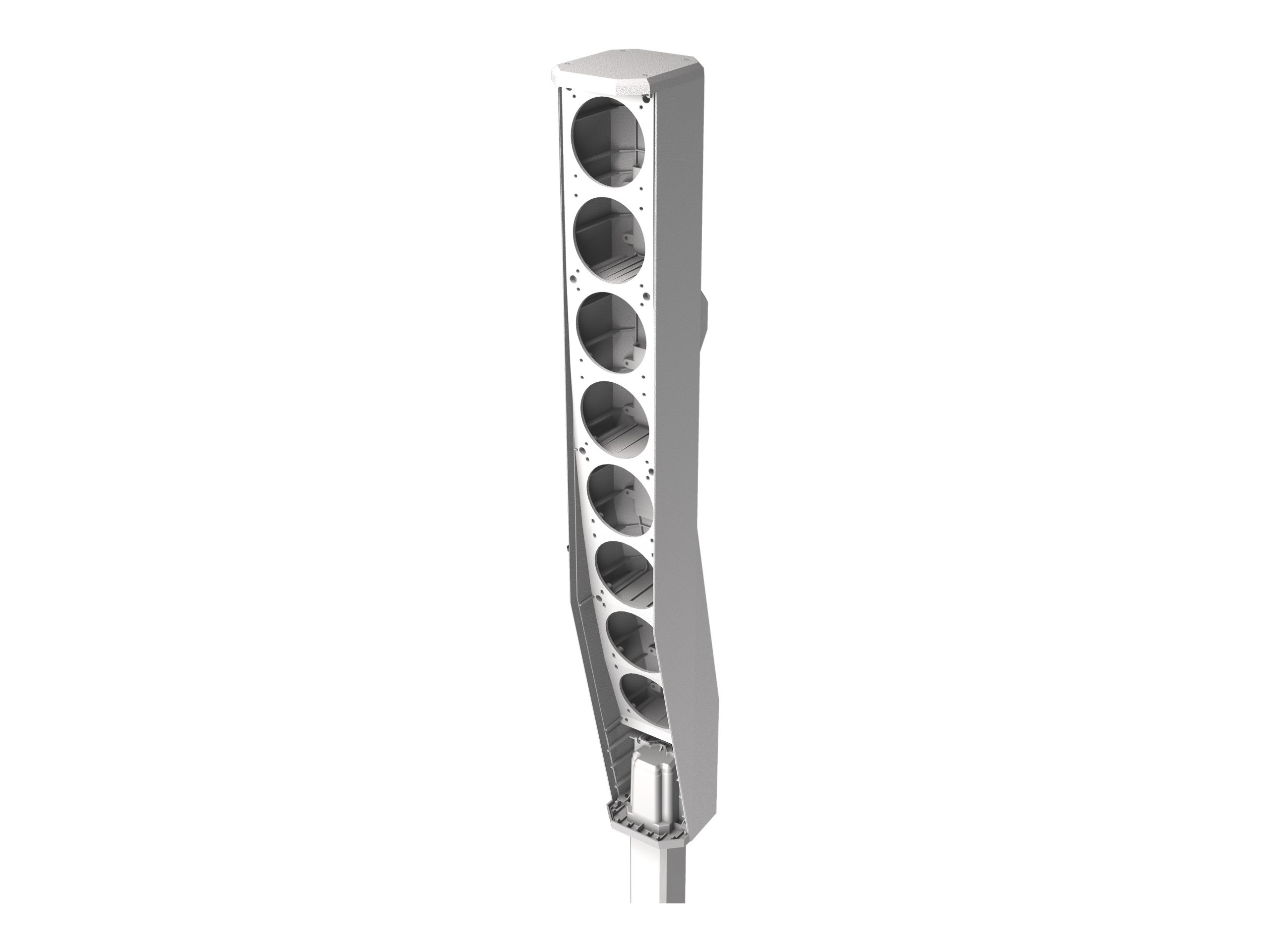
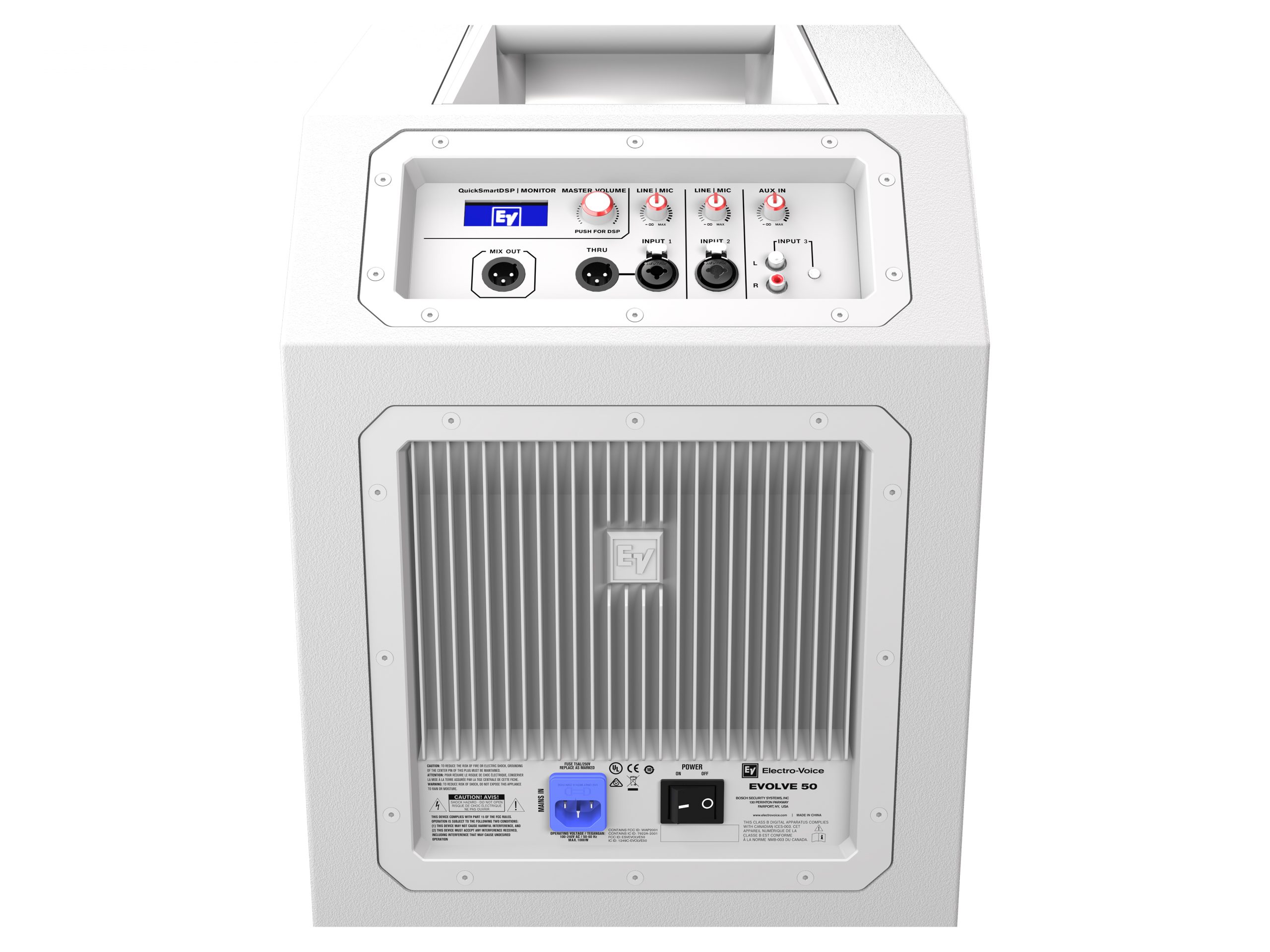
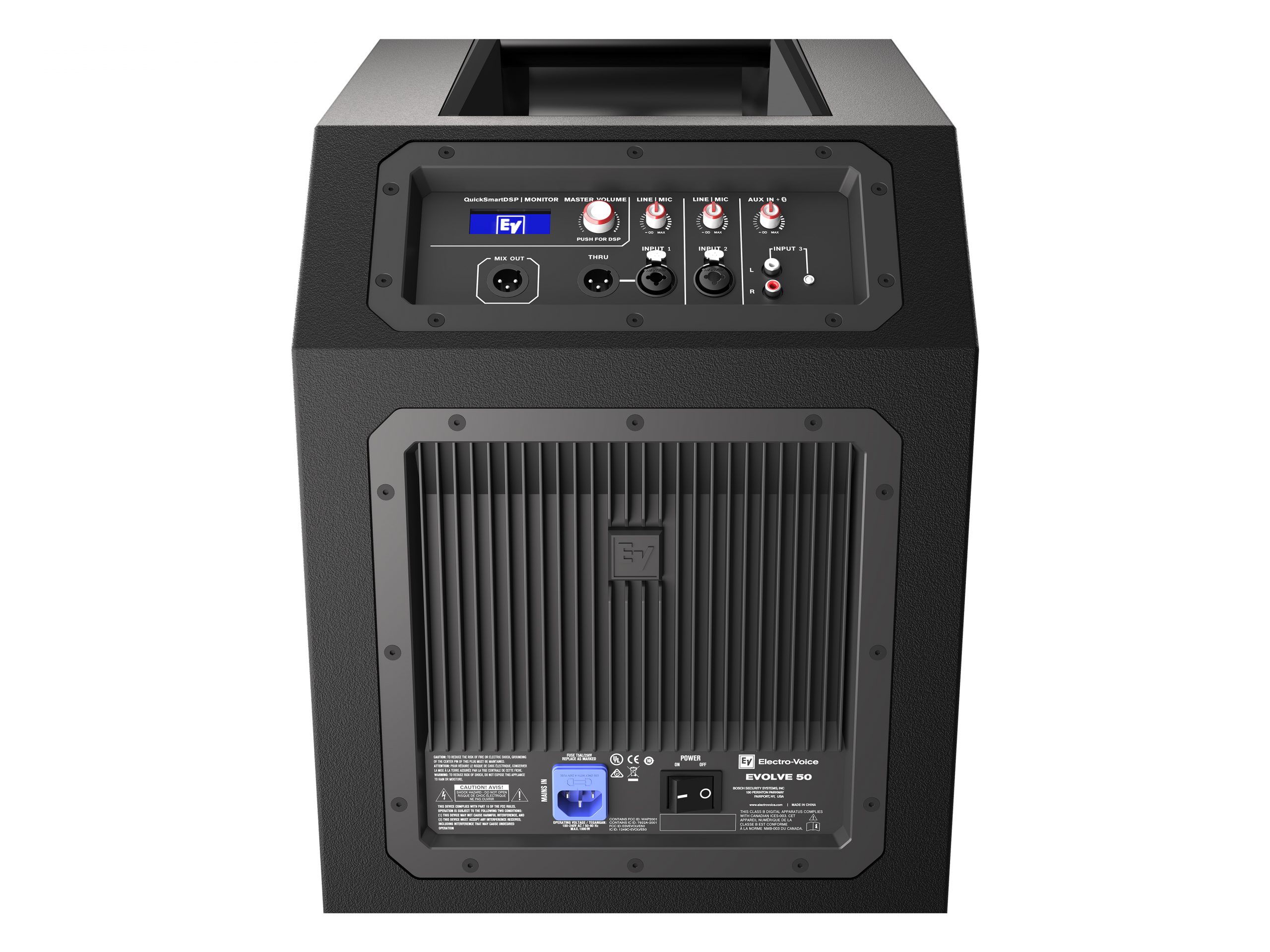
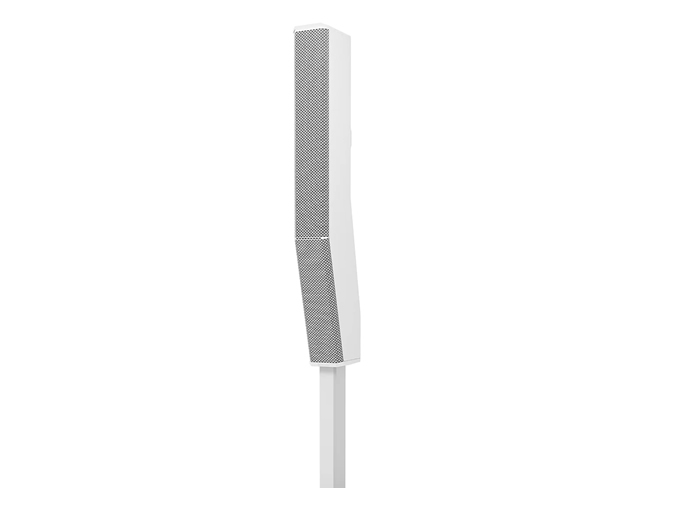
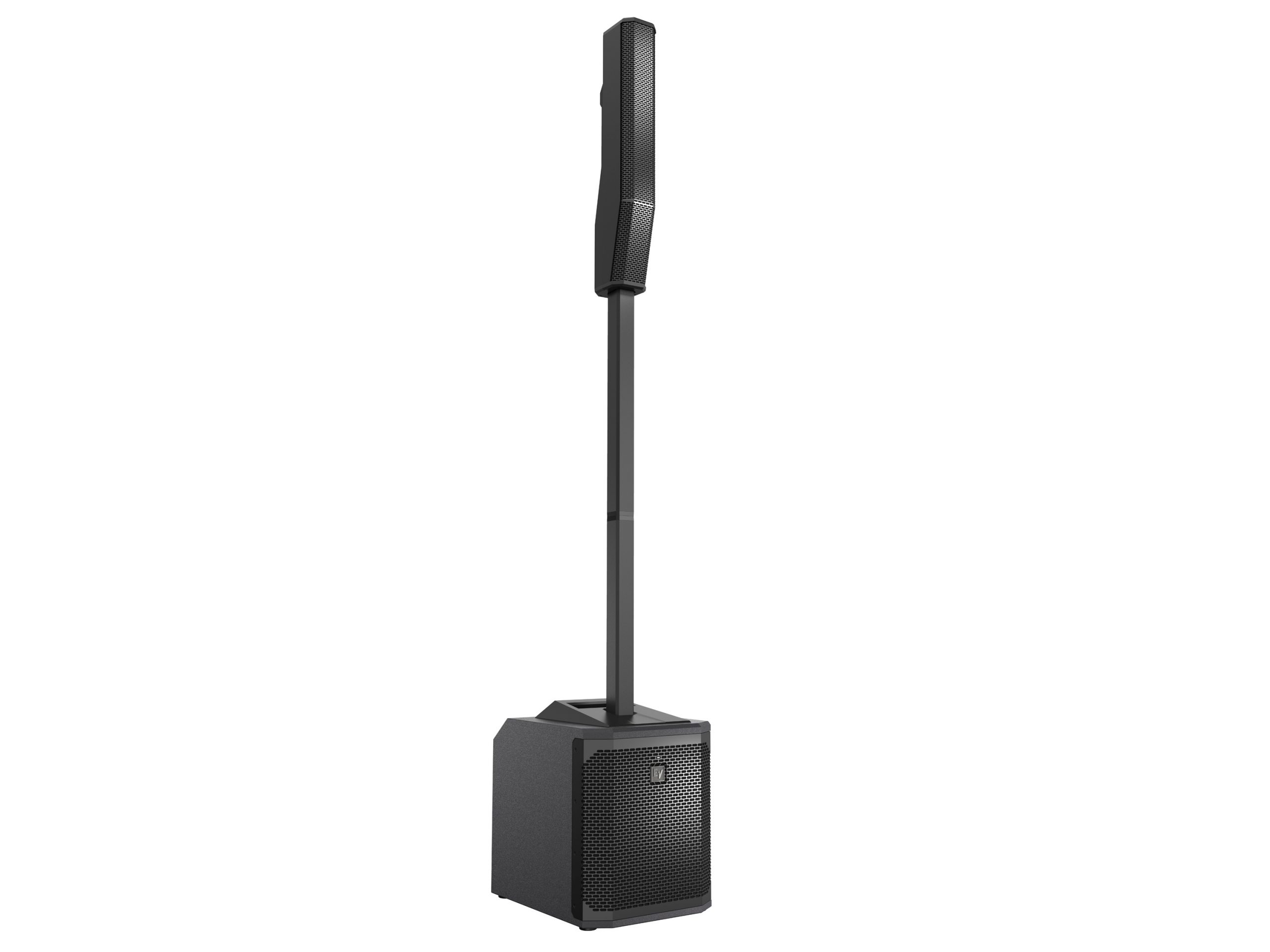
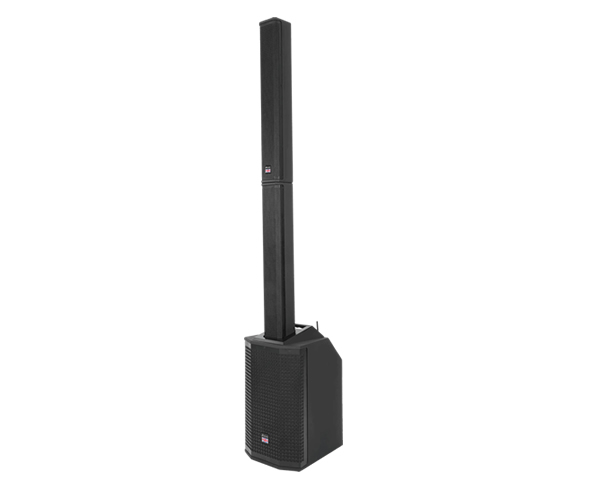
A portable PA (Public Address) system is a self-contained or compact audio reinforcement setup designed for temporary or moveable installations. It typically includes one or more powered speakers, microphone inputs, and a built-in mixer with basic EQ and effects, all in a chassis small and light enough to move from venue to venue. Portable PAs are the workhorse equipment for events that do not have permanently installed audio: corporate meetings, presentations, training sessions, outdoor events, school assemblies, fitness classes, weddings, small concerts, and rental and staging applications.
Column PA systems combine a subwoofer base with a vertical array of small drivers, all in one compact, easily transportable package. The column form factor distributes sound evenly across an audience without the directional limitations of a single speaker cabinet. Most modern column PAs include built-in amplification, mixers with 2 to 8 input channels, Bluetooth audio streaming, and effects processing. Setup is fast (often under five minutes), and one or two columns are usually enough for audiences up to several hundred people.
For more flexibility or larger audiences, a portable PA can be built from one or two powered speakers (each with its own built-in amplifier), a separate mixer or audio interface, and stands. This approach scales further than column PAs, supports more inputs, and lets you replace individual components as needs change. The trade-off is more setup time and more separate pieces to transport.
Battery-powered portable PAs are designed for outdoor events, locations without AC power, or applications where running cables is impractical. Common use cases include outdoor fitness classes, tour guides, training at remote sites, and outdoor performances at parks and event venues. Battery life ranges from a few hours to 20+ hours depending on the system and output level.
Most portable PA systems include built-in receivers for wireless microphones, or are designed to easily accept third-party wireless receivers via XLR. Wireless integration is especially valuable in portable settings because it eliminates one of the most fragile elements of the cable chain (the microphone cable) and lets presenters and performers move freely.
Portable PAs serve corporate AV (training, presentations, small conferences), education (classrooms, school assemblies, gymnasiums), fitness and wellness (indoor and outdoor fitness classes, yoga, dance), houses of worship (small services, outreach events), live events and entertainment (weddings, small concerts, festivals, parties), rental and staging (the touring inventory at event production companies), and emergency communications (mobile PA for emergency responders and crowd management).
A column PA combines a subwoofer base with a vertical array of small drivers in one compact, transportable package. It distributes sound evenly across a wide audience area without the directional sharpness of a single speaker, sets up in a few minutes, and looks cleaner than a stand-mounted speaker. A traditional setup uses one or two powered speakers on poles or stands, with a separate mixer, which offers more flexibility (you can change components, scale up by adding more speakers) but takes more time to set up and more space in transport. Column PAs are usually the right choice for events up to a few hundred people; larger events benefit from the modularity of traditional rigs.
A powered speaker (also called active speaker) has the amplifier built into the speaker cabinet, so it accepts line-level signals from a mixer or microphone and amplifies them internally. This eliminates the need for a separate power amplifier and the speaker cable that connects the amp to a passive speaker. Powered speakers are the standard for portable PA and most modern small-to-medium venues because they are simpler to set up and require less rack space. Passive speakers (with no built-in amp) still dominate in large permanent installations where centralizing the amplification in a rack saves money at scale.
Count the simultaneous inputs you expect to use. A simple presentation might need just 2 channels (microphone plus computer audio). A wedding DJ might need 4 to 6 channels (DJ source, ceremony microphone, ambient music, special performances). A small band setup needs 8 or more channels (vocals, guitar, bass, keyboard, drum overhead if mic'd, playback). Look for a portable PA mixer that has at least 2 more channels than you expect to use, since portable events tend to add unplanned inputs (a guest microphone, an extra music source, a video clip with audio).
Battery-powered PAs are essential for outdoor events, remote locations, fitness classes outside, walking tours, training at industrial sites without convenient power, and any situation where running an extension cord is impractical or unsafe. Battery life ranges from a few hours to 20+ hours depending on output level. Plug-in PAs are simpler and more powerful overall, with no battery to manage and no risk of running out mid-event. Many modern portable PAs offer both: they run from AC for events at indoor venues but switch to internal battery for outdoor use, giving the operator flexibility without needing to own two separate systems.
Yes, this is one of the most common modifications. Many portable PA systems include built-in wireless microphone receivers (one or two channels of UHF or 2.4 GHz). If not, virtually any portable PA accepts external wireless receivers connected through an XLR input. Wireless microphones are especially valuable in portable settings because they eliminate the fragile microphone cable, let presenters and performers move freely, and look cleaner in video. Always do a channel coordination check before the event if multiple wireless mics will be used together, to avoid interference between channels.
Corporate AV (training rooms, sales presentations, small conferences, off-site meetings), education (classroom amplification, school assemblies, gymnasium events), fitness and wellness (indoor classes, outdoor boot camps, yoga in the park), houses of worship (small services in non-traditional spaces, outreach events, mobile ministries), live events and entertainment (wedding ceremonies, small concerts, festival side stages, private parties), rental and staging (the bread-and-butter inventory at event production companies), public address for emergency communications (mobile PA for emergency responders, crowd management at events, search-and-rescue), and tour-guide applications at museums, historic sites, and walking tours.

On order over $300 and more for US and US territory

We Offer a 30-Day Money Back Guarantee

Full manufacturer's warranty and quality assurance

Safe checkout with trusted payment providers