




Start typing to see results...
Find the perfect solution
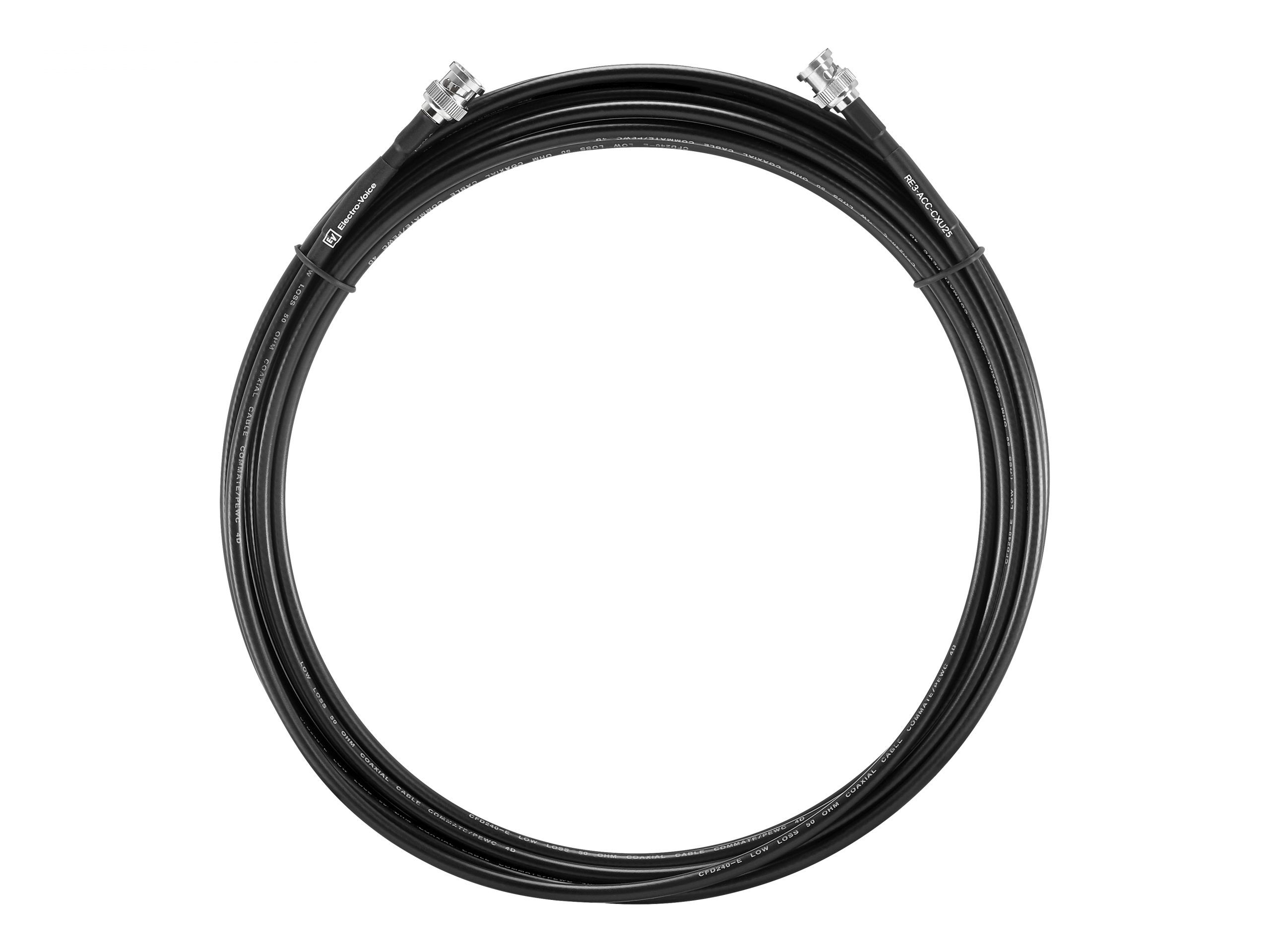
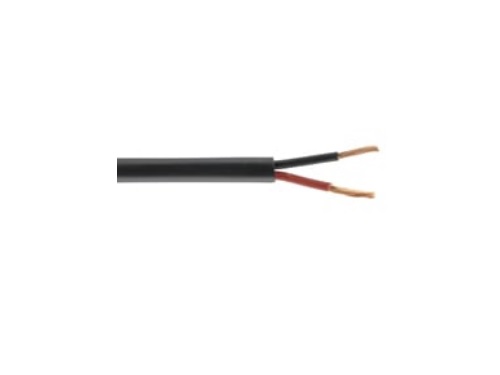
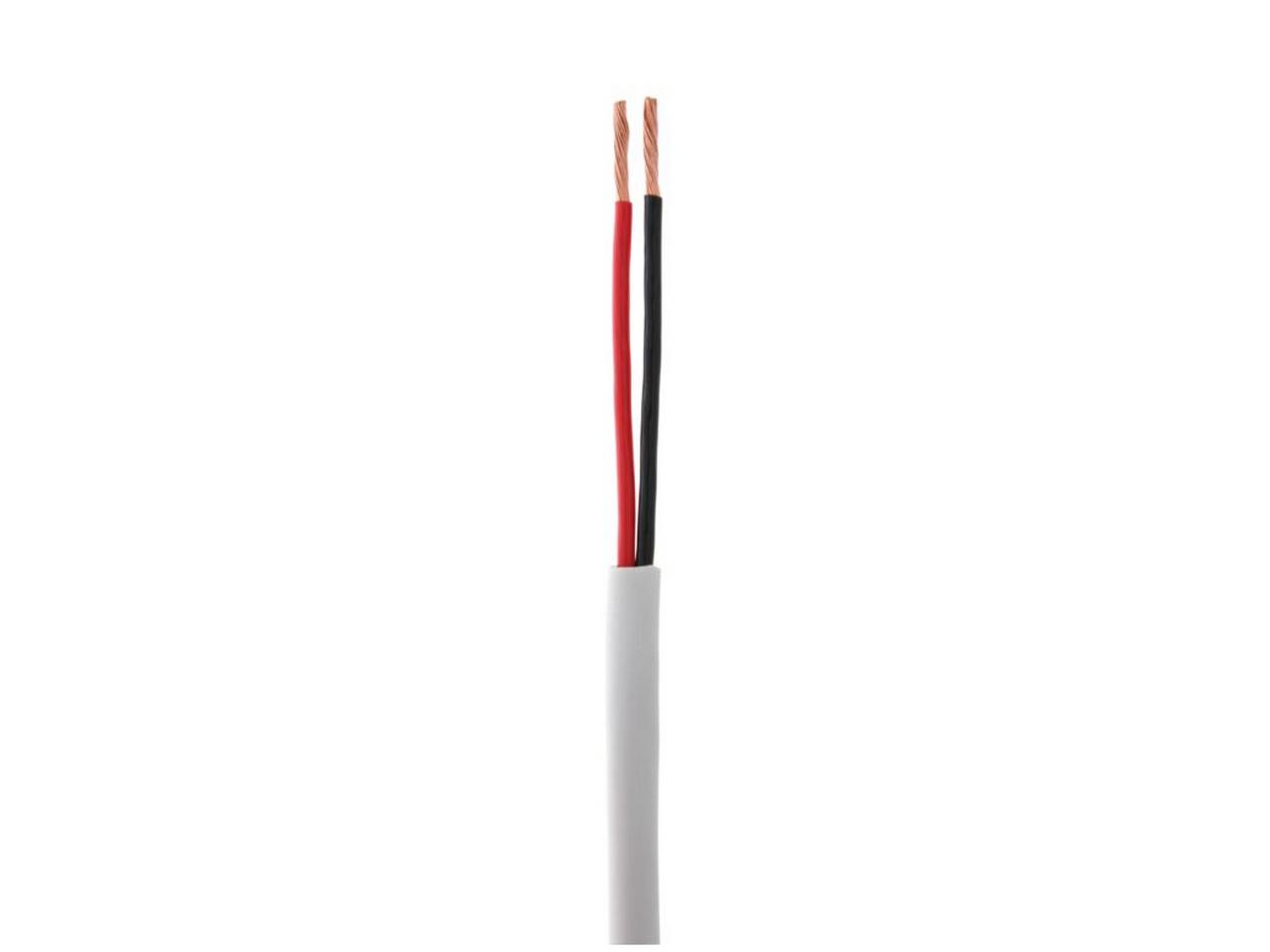

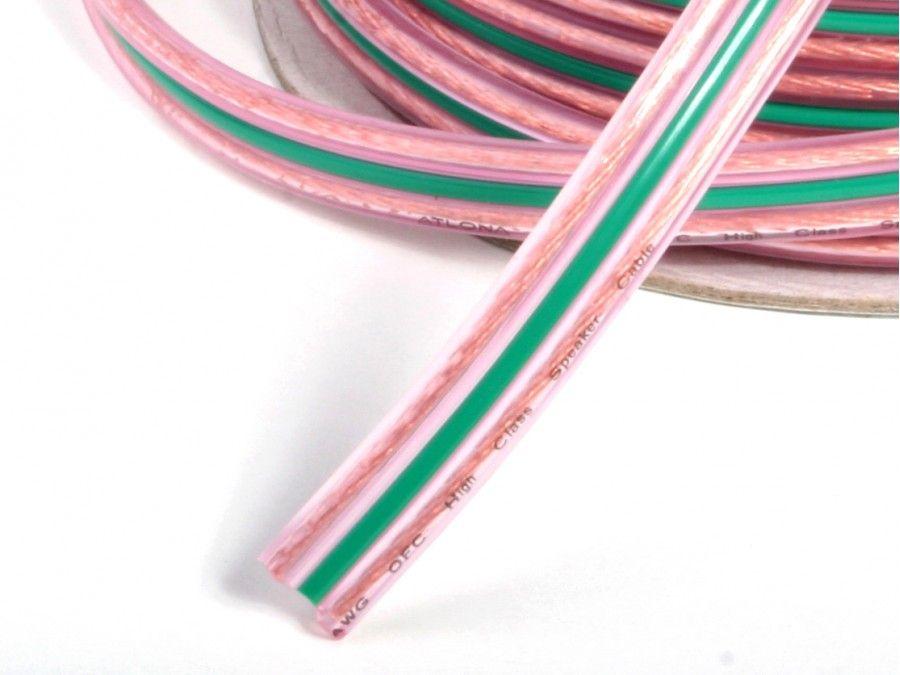
Speaker cable carries the amplified audio signal from a power amplifier or AV receiver to the speakers. Unlike interconnect cable (which carries low-voltage line-level signals), speaker cable carries the actual current that drives the speaker drivers. The two main specifications that matter are conductor gauge (American Wire Gauge, AWG) and jacket type, with the right choice depending on cable length, amplifier power, speaker impedance, and the installation environment.
For typical residential and commercial in-wall use, 16 AWG covers most runs up to 50 feet (15 meters). 14 AWG handles longer runs and higher power; 12 AWG is best for very long runs, high-power systems, or 4-ohm speakers. The general rule: the longer the cable and the lower the speaker impedance, the thicker (lower AWG number) the cable should be. Too-thin cable causes power loss and at extreme lengths can also affect speaker damping factor and sound quality.
Jacket type is dictated by where the cable is installed. CL2 and CL3 are in-wall ratings required for cable run through walls and ceilings in residential and most commercial buildings. CMP (plenum-rated) is required for return-air spaces above suspended ceilings in commercial buildings; the jacket is made of materials that produce minimal toxic smoke when burned. Direct-burial rated cable is required for outdoor underground runs, with a UV-resistant, moisture-blocking jacket. Local building codes determine which rating is mandatory, so check before pulling cable.
Stranded conductors are more flexible and easier to terminate, which makes them the default for most installations. Solid conductors offer slightly better signal transmission and lower resistance but are stiffer and harder to work with in tight spots. For permanent in-wall installations, both work; for runs that may flex or move, stranded is the right choice.
Standard speaker cable has two conductors (positive and negative) and runs to one speaker. 4-conductor speaker cable carries two pairs in one jacket, useful when running cable from an amplifier to a volume control and then on to the speakers, or for biamping high-end speakers with separate woofer and tweeter inputs. 4-conductor cable simplifies installation by reducing the number of separate cable pulls.
Speaker cable is used in residential home theater and whole-home audio (in-wall and in-ceiling runs to fixed speakers), commercial background music systems (long runs to many ceiling speakers, often in plenum cable), live sound reinforcement (heavy-gauge cable from amplifier racks to PA speakers), houses of worship (zone audio to multiple speaker locations), and outdoor entertainment areas (direct-burial cable to landscape speakers).
The right gauge depends on cable length, amplifier power, and speaker impedance. For typical residential and commercial in-wall use, 16 AWG covers most runs up to 50 feet (15 meters). 14 AWG handles longer runs and higher power, suitable for 50 to 100 feet or for higher-power home theater. 12 AWG is best for very long runs, high-power systems, or 4-ohm speakers where keeping resistance low is critical. The general rule is: the longer the cable and the lower the speaker impedance, the thicker (lower AWG number) the cable should be. Too-thin cable causes power loss and at extreme lengths can also affect speaker damping factor.
The differences are the jacket material's fire and smoke ratings, which determine where the cable can legally be installed. CL2 and CL3 are in-wall ratings required for cable run through walls and ceilings in residential and most commercial buildings; CL3 has slightly higher voltage and burn ratings than CL2. CMP (plenum-rated) is required for return-air spaces above suspended ceilings in commercial buildings, where forced-air HVAC moves air through the ceiling cavity; the jacket produces minimal toxic smoke when burned, which is critical for life safety. Local building and fire codes determine which rating is mandatory for a given installation, so always check before pulling cable.
No, not legally in most jurisdictions. Standard zip-cord speaker cable (the clear or black "lamp-cord" style) is not rated for in-wall installation and is not legal to install through walls or ceilings in most commercial and residential building codes. Cable installed inside walls, ceilings, or any concealed space must carry an appropriate fire rating, typically CL2 or CL3. The penalty for using non-rated cable is not just a fine: it's a real life-safety risk, because un-rated jackets can release toxic gases during a fire and propagate flame faster than rated cables.
Stranded cable has each conductor made up of many fine strands of copper twisted together; solid cable has each conductor made up of one thick copper wire. Stranded is more flexible and easier to terminate with banana plugs, spade lugs, or push-terminal connections, which makes it the default for most installations. Solid conductors offer slightly better signal transmission and lower resistance but are stiffer and harder to work with in tight spaces. For permanent in-wall installations, both work; for runs that may flex or move, stranded is the right choice.
Use 4-conductor cable when you need to run two pairs to the same end-point in one jacket, which saves time and labor. The two most common scenarios are running cable from an amplifier to a wall-mounted volume control and then on to the speakers in one room (the two pairs handle the in-and-out), and biamping high-end speakers that have separate connections for the woofer and the tweeter or mid-range. 4-conductor cable also simplifies in-wall pulls when both speakers in a stereo pair share the same path partway, eliminating a second cable run.
The practical limit depends on the gauge, the amplifier power, and the speaker impedance. As a rough guide: 16 AWG works to about 50 feet for 8-ohm speakers, 14 AWG to about 100 feet, and 12 AWG to about 200 feet. For 4-ohm speakers, halve these distances or step up one gauge. For very long runs at low impedance, the power loss in the cable becomes significant, and at some point it makes more sense to move to a 70V or 100V constant-voltage system, which is specifically designed for long-distance speaker distribution with minimal loss.

On order over $300 and more for US and US territory

We Offer a 30-Day Money Back Guarantee

Full manufacturer's warranty and quality assurance

Safe checkout with trusted payment providers