




Start typing to see results...
Find the perfect solution
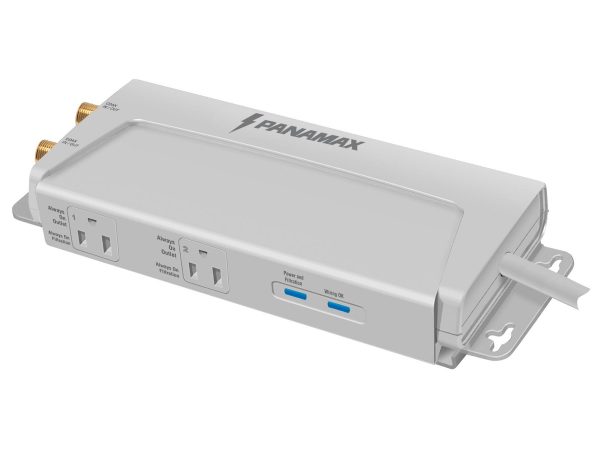
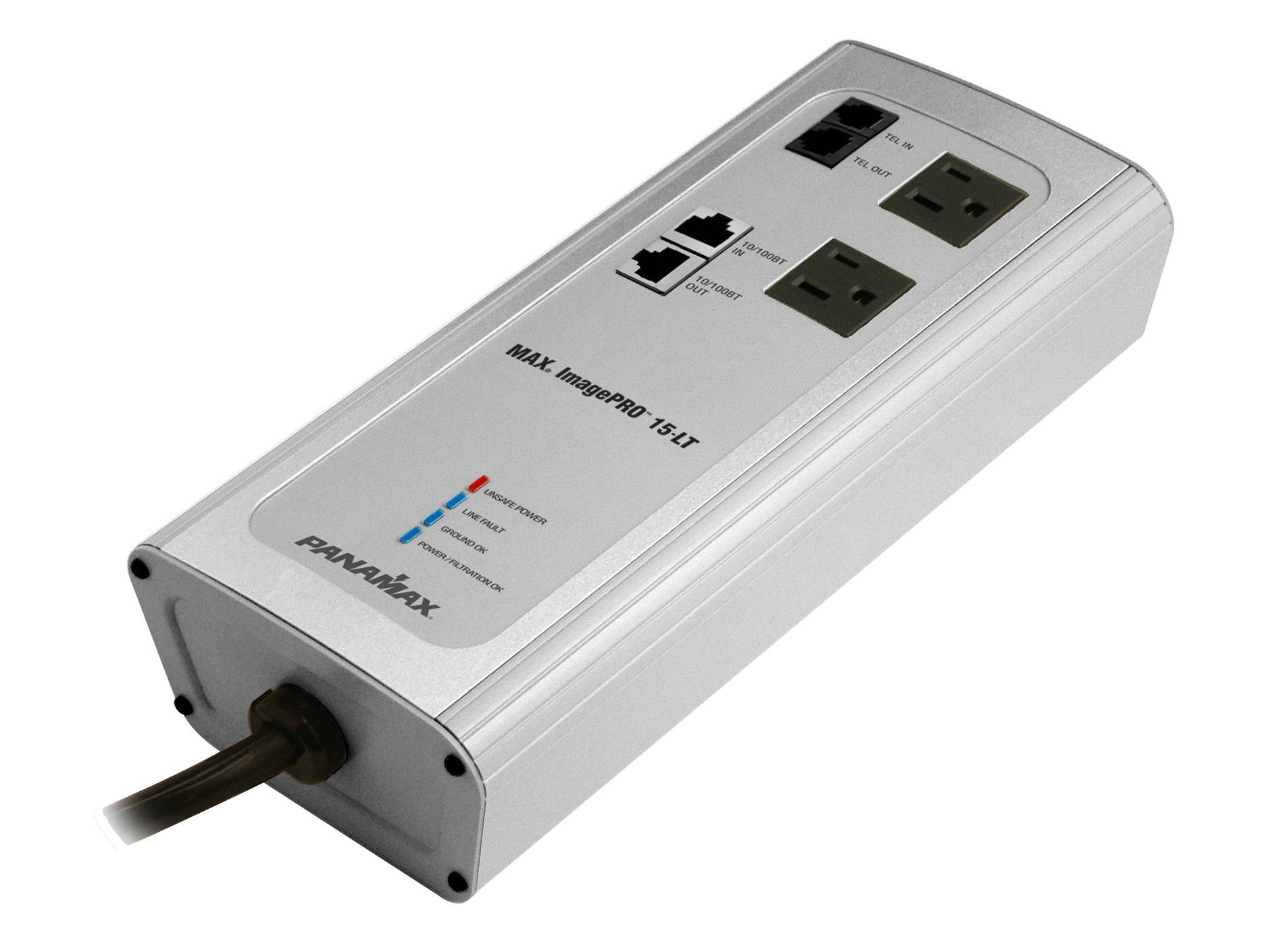
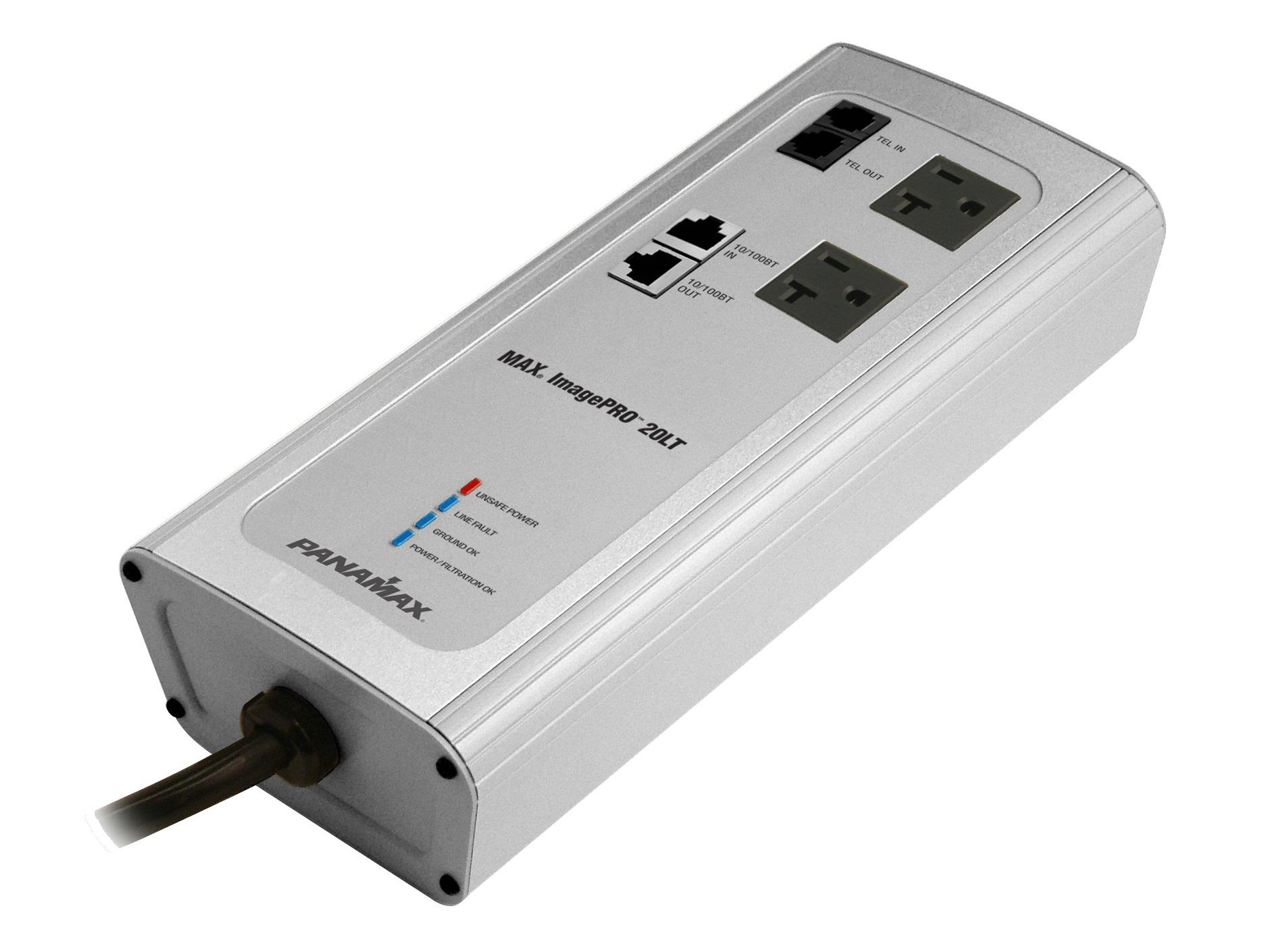
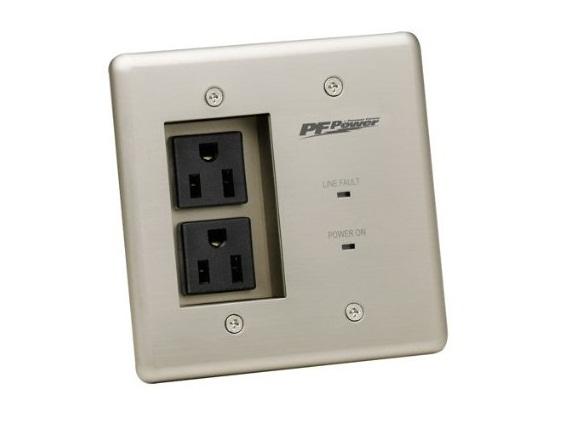
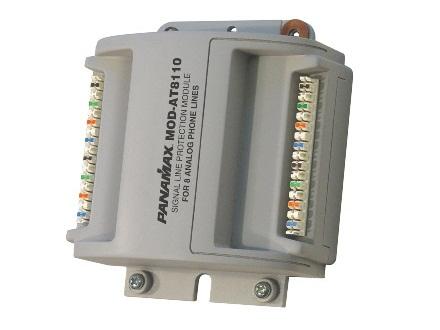
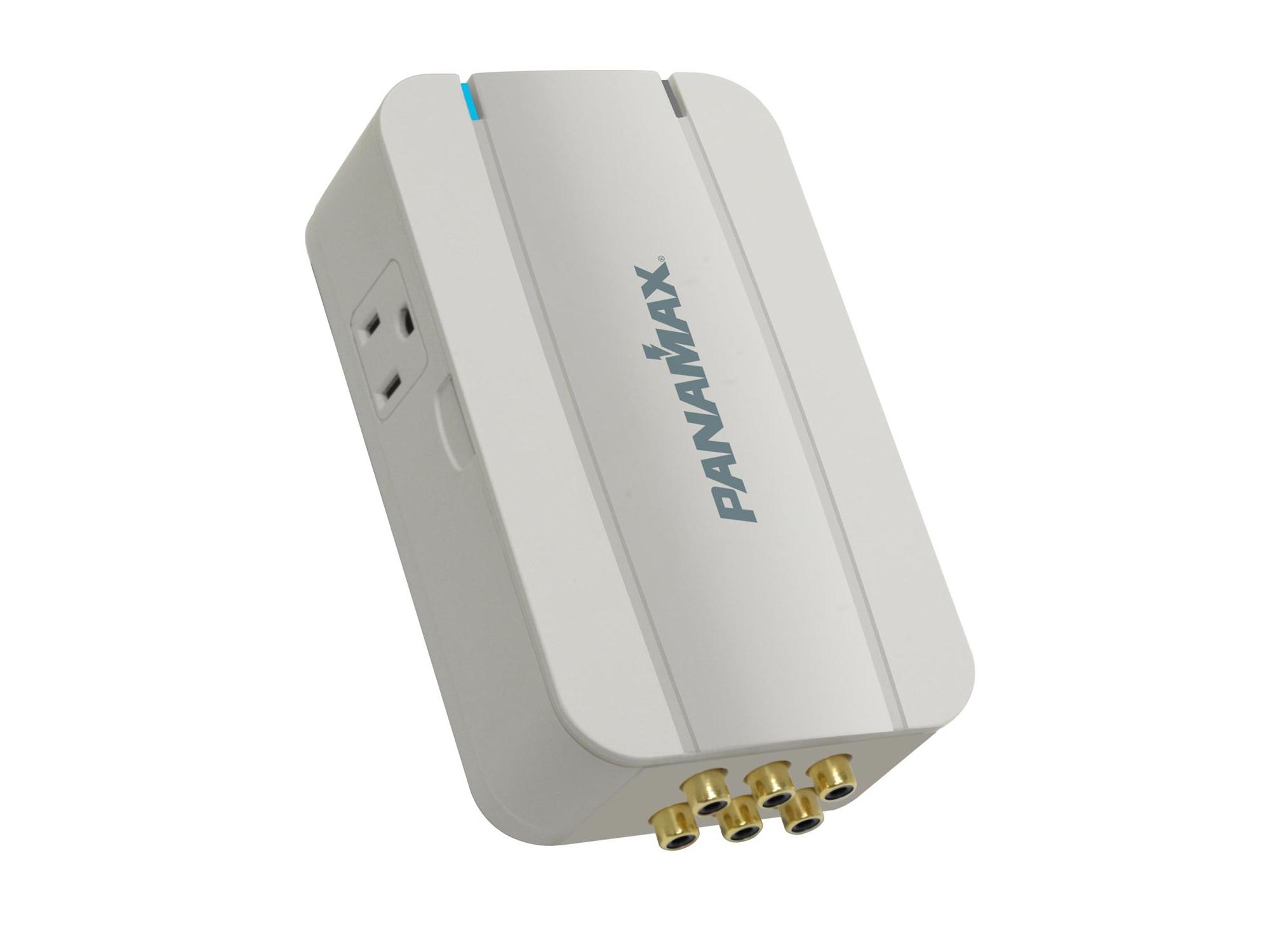
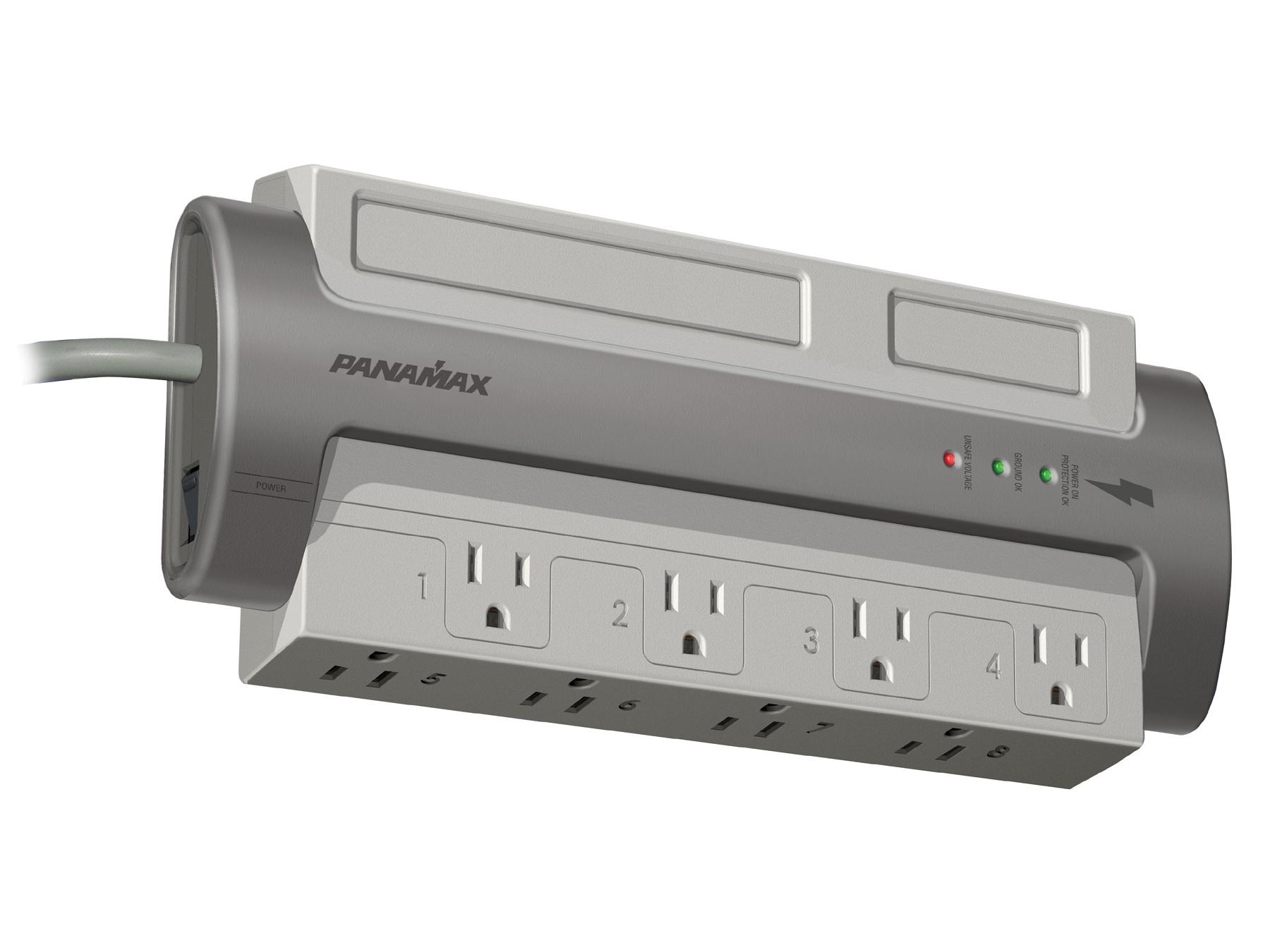
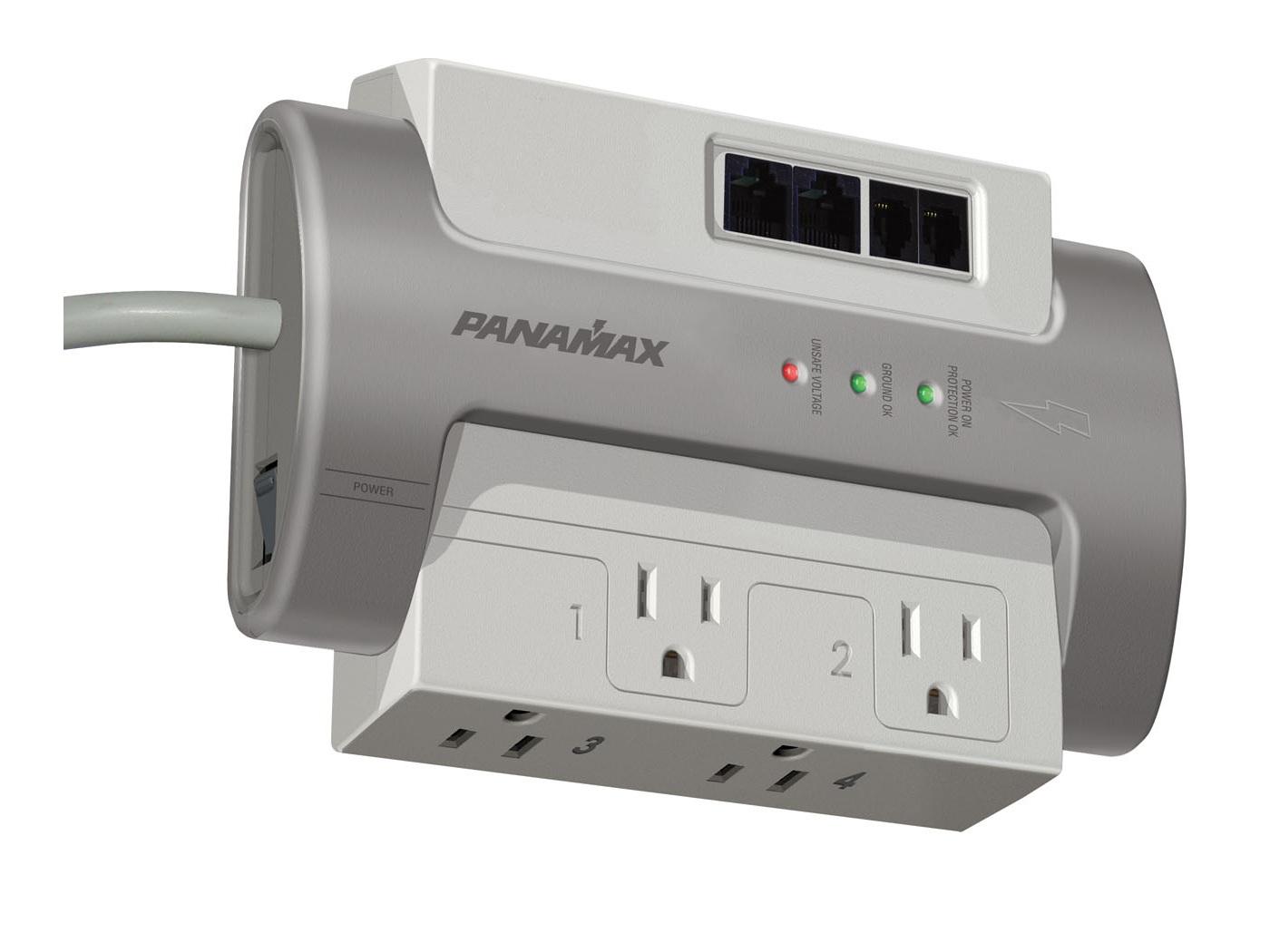
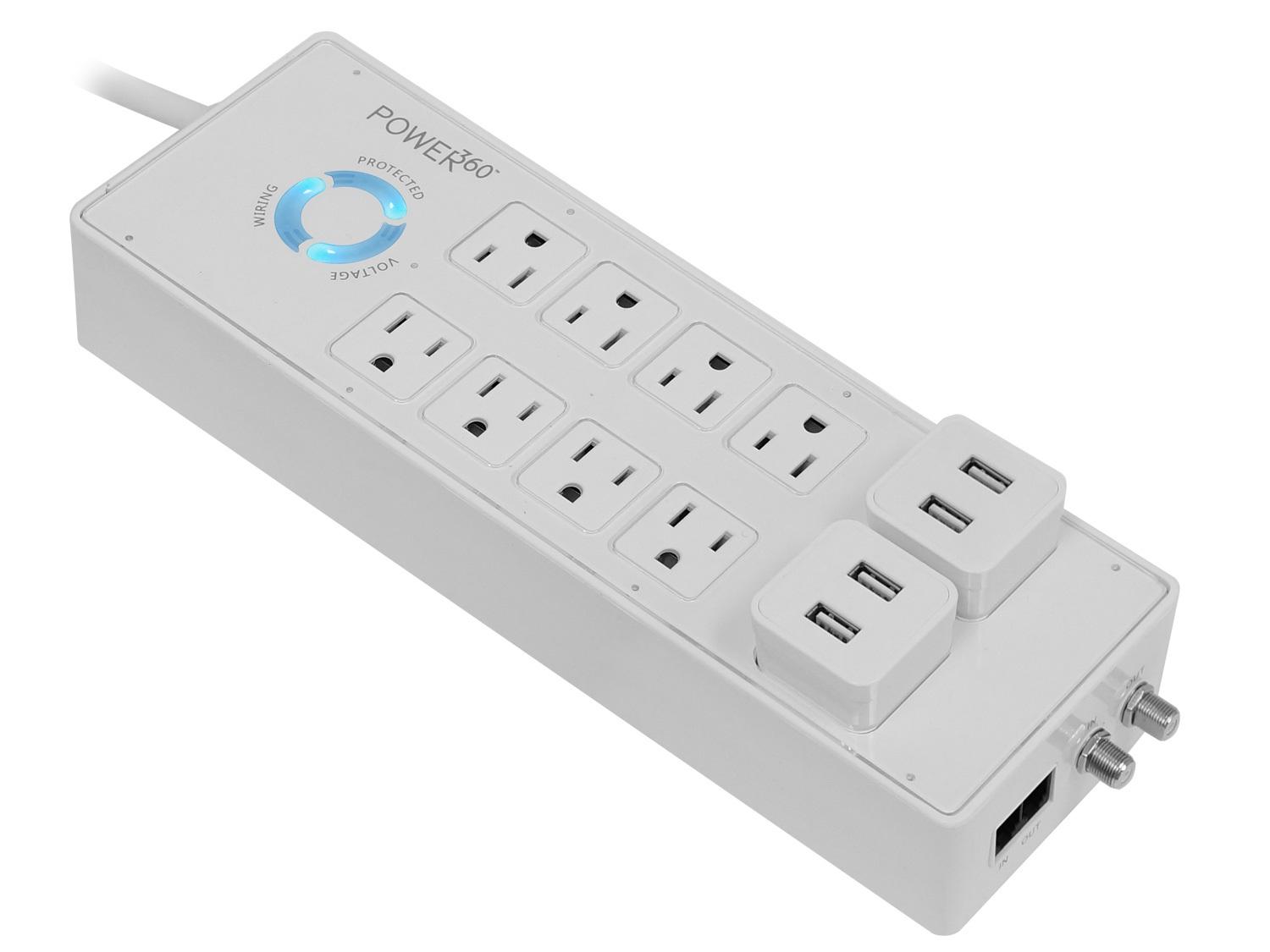
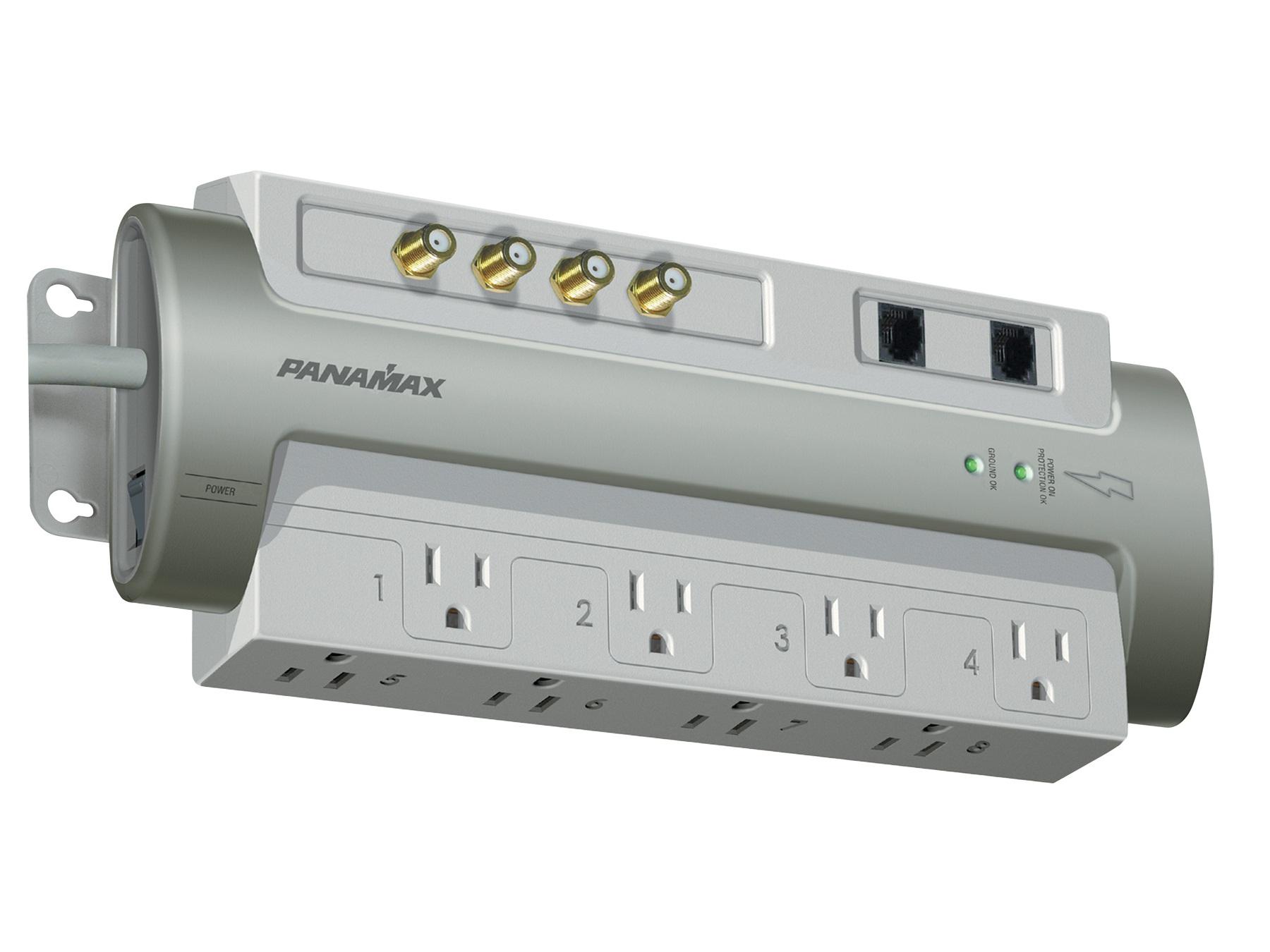
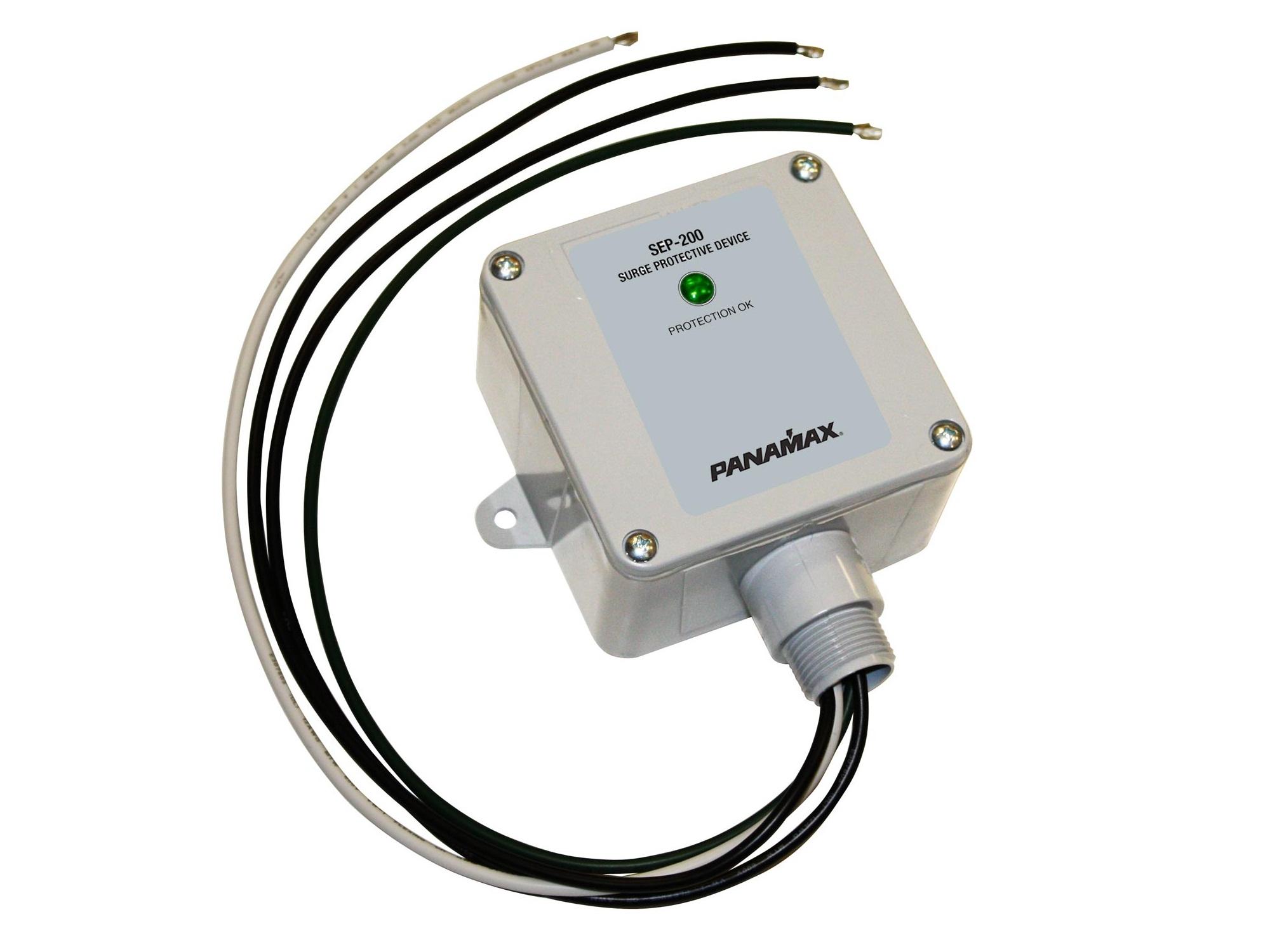
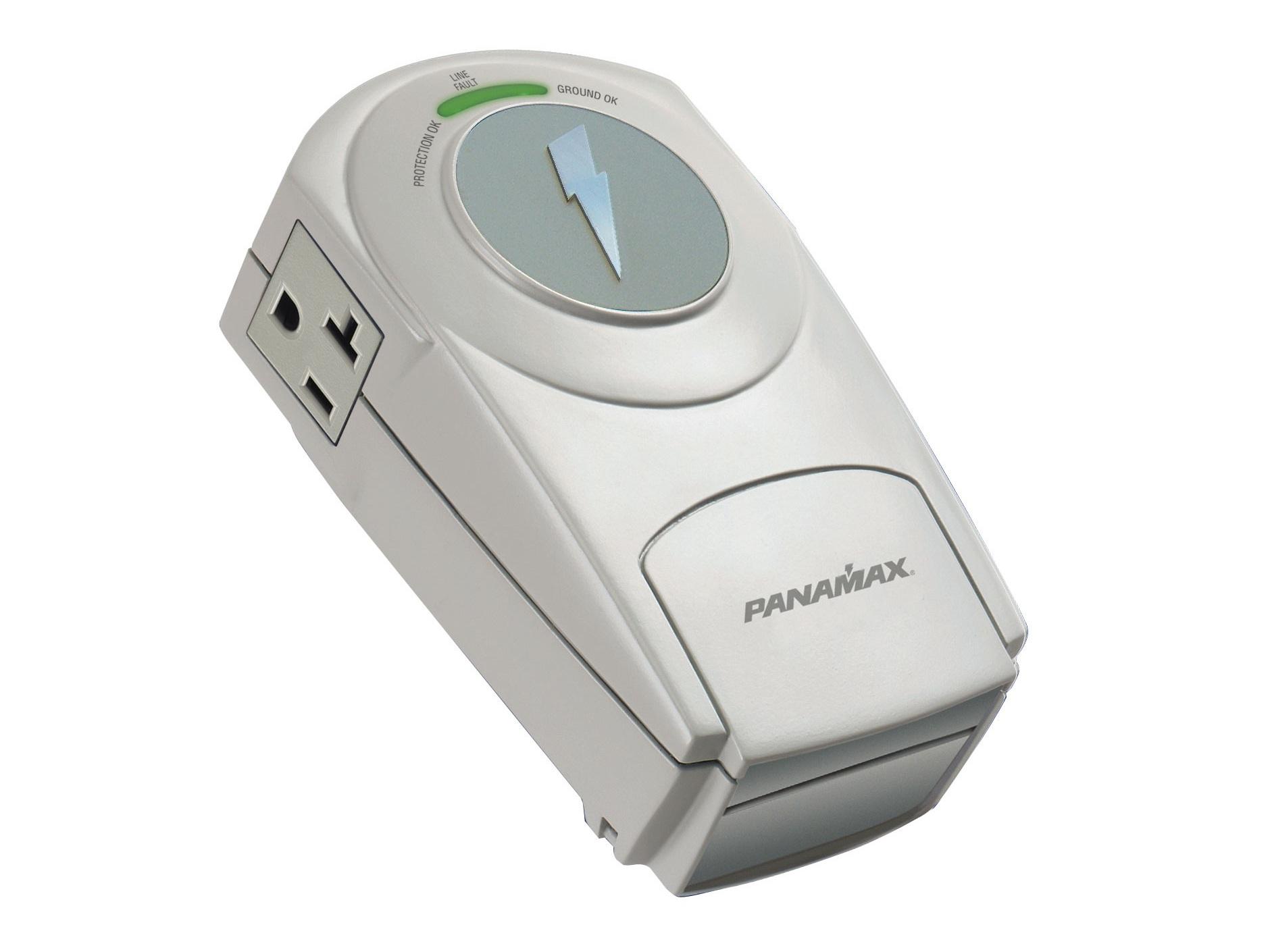
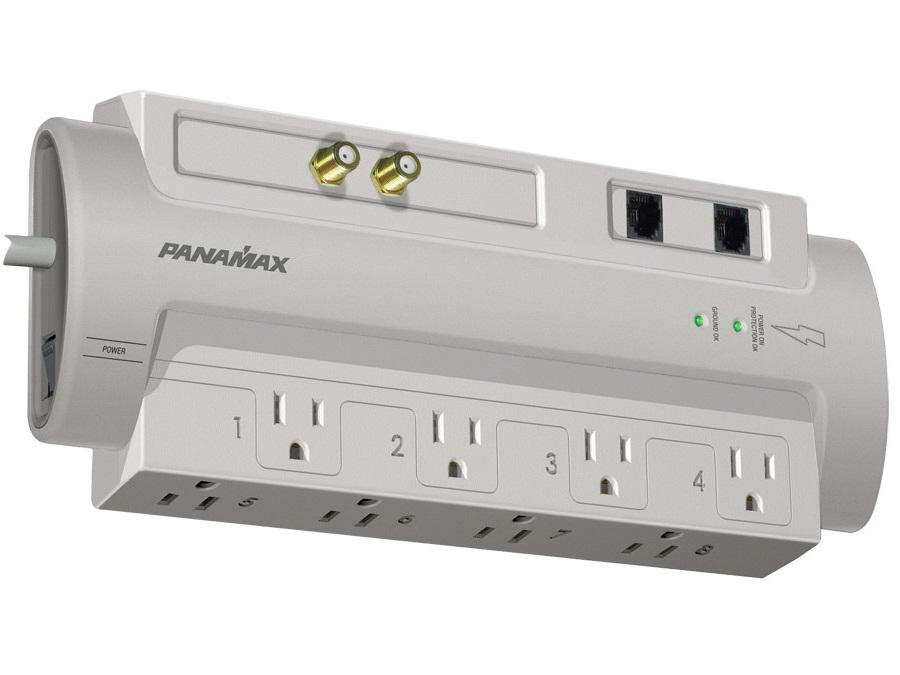
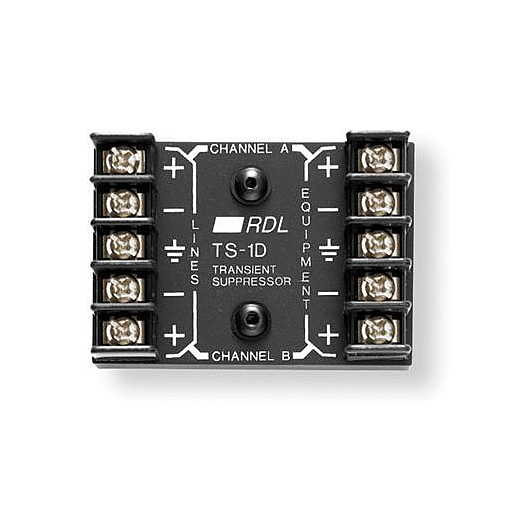
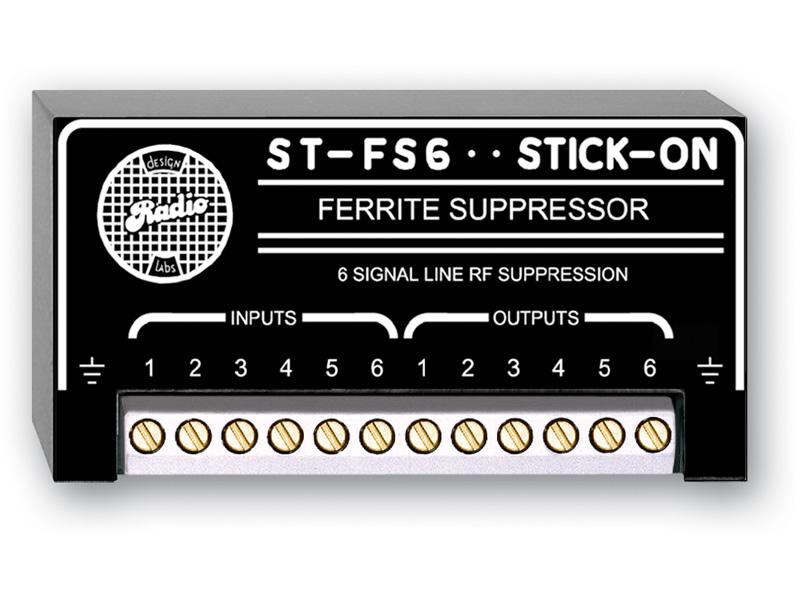
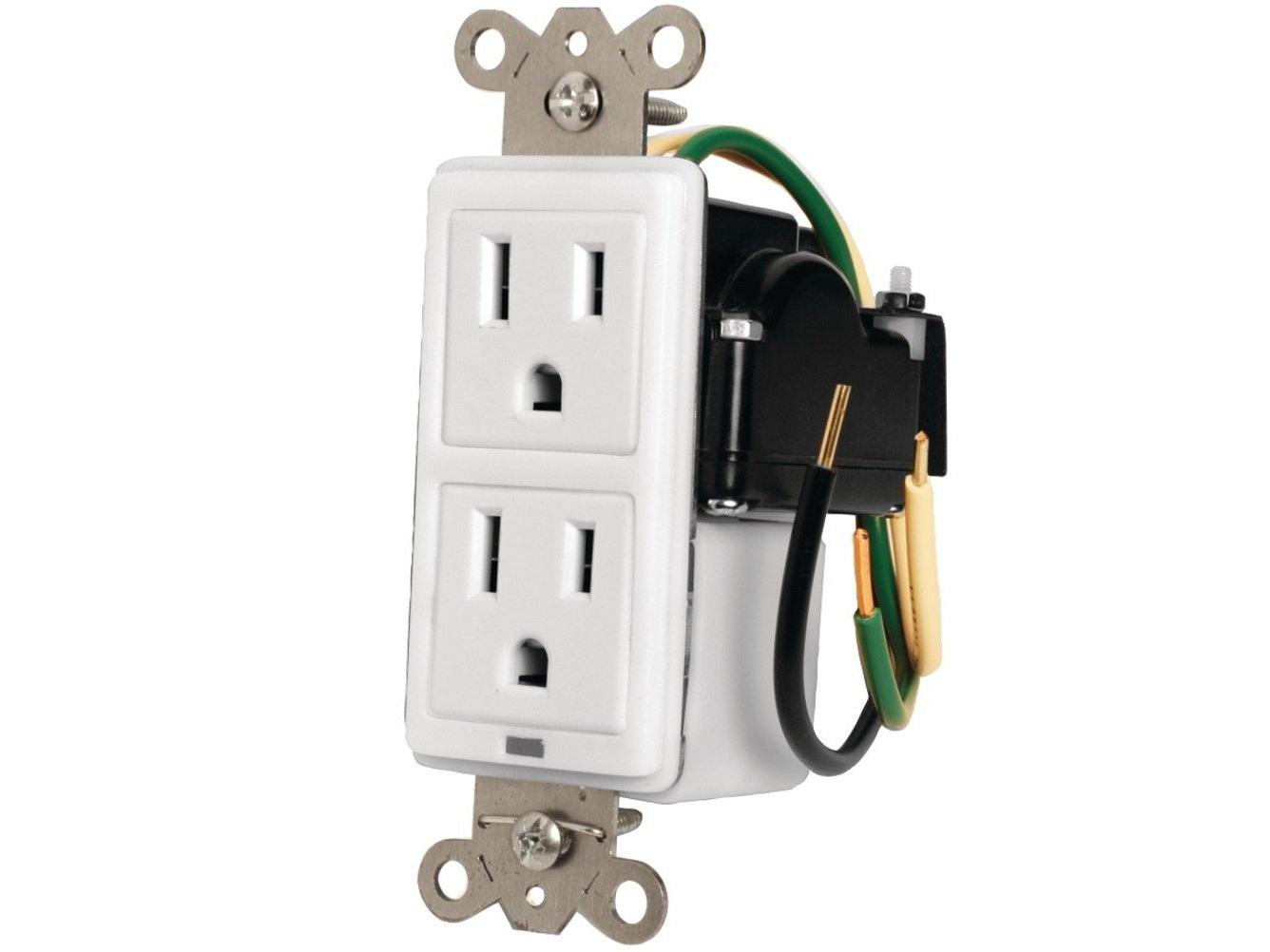
Surge suppressors protect AV equipment from voltage spikes on the power line. Surges come from many sources: lightning strikes nearby, large equipment switching on or off (motors, HVAC, industrial equipment on the same grid), utility events (transformer issues, grid switching), and electrical faults in the building. Without surge protection, these voltage spikes can damage sensitive AV electronics, sometimes catastrophically. With proper surge protection, equipment is dramatically more likely to survive surge events.
Surge suppressors use components called Metal Oxide Varistors (MOVs) or similar technologies that present high impedance under normal voltage but become conductive when voltage exceeds a threshold (the clamping voltage). When a surge hits, the suppressor briefly diverts the excess energy to ground rather than letting it reach the connected equipment. The suppressor's energy absorption capacity is rated in joules; the clamping voltage determines how aggressively it protects.
Two specifications matter most. Joules (energy absorption capacity): higher is better, with 1000+ joules being basic protection and 3000+ joules being premium protection. Clamping voltage (the level at which protection activates): lower is better for sensitive electronics, with 330V being premium protection (very tight clamping, catches even small surges) and 400 to 500V being typical. For valuable AV equipment, look for high joule ratings combined with tight clamping voltage.
Several form factors serve different needs. Strip-style surge protectors include multiple outlets with surge protection built in, suitable for individual workstations or small AV setups. Whole-house surge protectors install at the electrical panel, protecting the entire building from major surges entering through the utility connection. Point-of-use surge protectors at individual outlets (rather than strips) suit installations where surge strips aren't practical. UPS-integrated surge protection combines surge suppression with battery backup. Many commercial installations use multiple layers: whole-house protection at the panel plus strip-level protection at each AV rack.
Quality surge protectors protect against surges in all three modes: line-to-neutral, line-to-ground, and neutral-to-ground. Cheap surge protectors only protect line-to-neutral, missing surges that come through the ground path. Three-mode protection is standard in commercial AV-grade surge protectors and is worth the additional cost over basic two-mode units. The equipment label should clearly indicate three-mode protection.
Many commercial surge protectors include EMI/RFI filtering in addition to surge protection. The filters attenuate electrical noise on the power line, providing cleaner power to connected equipment. This combination is common in audio-grade and broadcast-grade power conditioning products. The filtering benefit is most valuable for audio equipment (preventing line noise from becoming audible hum) and sensitive professional gear.
Surge protectors have finite lives. Each surge they absorb reduces the remaining joule capacity. Quality surge protectors include indicator lights showing protection status: when the indicator goes out, the protection is degraded and the unit needs replacement. In high-surge environments (lightning-prone areas, near industrial equipment, on unstable utility grids), surge protectors may need replacement every 3 to 5 years; in cleaner environments, they last longer.
Surge protectors handle voltage spikes, but not other power quality issues. They do not handle brownouts (low voltage), blackouts (no voltage), or noise on the line (unless they include EMI/RFI filtering). For complete power quality protection, combine surge protection with a UPS (for brownout and blackout protection) and EMI/RFI filtering (for noise). For mission-critical AV equipment, all three layers are appropriate.
Surge protection is essential throughout commercial AV: every equipment rack should have rack-mount surge protection (typically built into PDUs), individual workstations and small AV setups use strip-style protectors, whole-house surge protection at electrical panels protects against major surges entering the building, and mission-critical equipment uses UPS units with built-in surge protection. In lightning-prone areas (much of the southern US, tropical climates worldwide), surge protection is even more important.
For consumer-grade equipment and home offices, 600 to 1500 joules is acceptable. For commercial AV equipment, 1500 to 3000 joules is appropriate. For premium professional equipment, broadcast facilities, or installations in lightning-prone areas, 3000 to 5000+ joules provides better protection. Higher joule ratings mean the protector can absorb more total surge energy over its lifetime; each surge depletes capacity, and once depleted, the protector no longer protects. Multi-stage protection (whole-house at panel plus strip-level at equipment) provides better total protection than relying on one stage.
Clamping voltage is the level at which the surge protector activates and starts diverting excess energy. Lower clamping voltage means the protector responds to smaller surges, providing tighter protection. For typical AV equipment, 400 to 500V clamping is acceptable; for sensitive electronics, 330V clamping is preferable. The trade-off: very low clamping voltage may cause the protector to activate more often during normal voltage fluctuations, slightly reducing its lifespan. For most commercial AV, 330 to 400V clamping voltage with high joule ratings provides excellent protection.
Three-mode protection is significantly better. Surges can come through any of three paths: line-to-neutral, line-to-ground, or neutral-to-ground. Two-mode surge protectors (the cheaper consumer variety) only protect line-to-neutral, leaving the ground paths unprotected. For commercial AV equipment, three-mode protection is standard and worth the small additional cost. Quality protectors clearly indicate three-mode protection on their specifications; if the label doesn't specify, assume two-mode.
Quality surge protectors include indicator lights showing protection status. When the indicator is lit (typically green), the protection is functional. When the indicator goes out or turns red, the protector has absorbed enough surge energy that protection is degraded; replace the unit. Without indicators, there's no way to know if a surge protector is still functional (it may still pass power normally even after its protection capacity is depleted). For mission-critical installations, replace surge protectors on a schedule (every 3 to 5 years in high-surge environments, longer in clean environments) rather than waiting for visible failure.
Surge protectors significantly reduce lightning damage but cannot prevent all damage from direct strikes. A direct lightning strike on the building delivers far more energy than any surge protector can absorb. What surge protectors do well is protect against the much more common indirect strikes (lightning striking nearby and inducing surges in the building's electrical system) and against the surge events from utility switching, equipment turning on and off, and other less extreme events. For lightning-prone areas, layered protection (whole-house at panel, plus strip-level at equipment) provides much better protection than any single device.
Throughout every commercial AV installation: every equipment rack has rack-mount surge protection (typically built into PDUs, often with EMI/RFI filtering), individual workstations and small AV setups use strip-style surge protectors, whole-house surge protection at the electrical panel protects against major surges entering from utility, mission-critical equipment uses UPS units with built-in surge protection plus separate surge protectors, and lightning-prone areas (Florida, Gulf states, tropical climates worldwide) use additional layers of surge protection. Properly protecting valuable AV equipment is far less expensive than replacing equipment damaged by surges.

On order over $300 and more for US and US territory

We Offer a 30-Day Money Back Guarantee

Full manufacturer's warranty and quality assurance

Safe checkout with trusted payment providers