




Start typing to see results...
Find the perfect solution
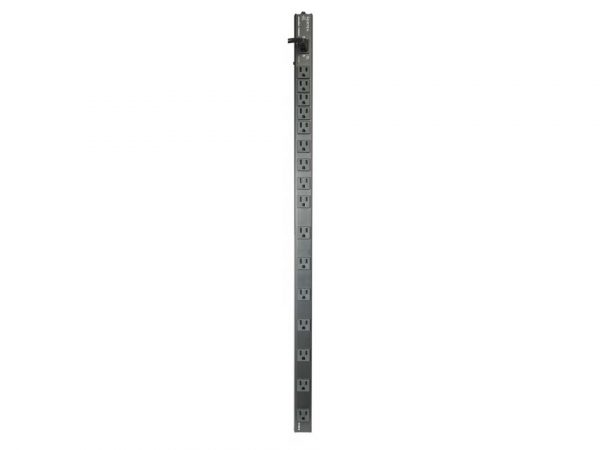
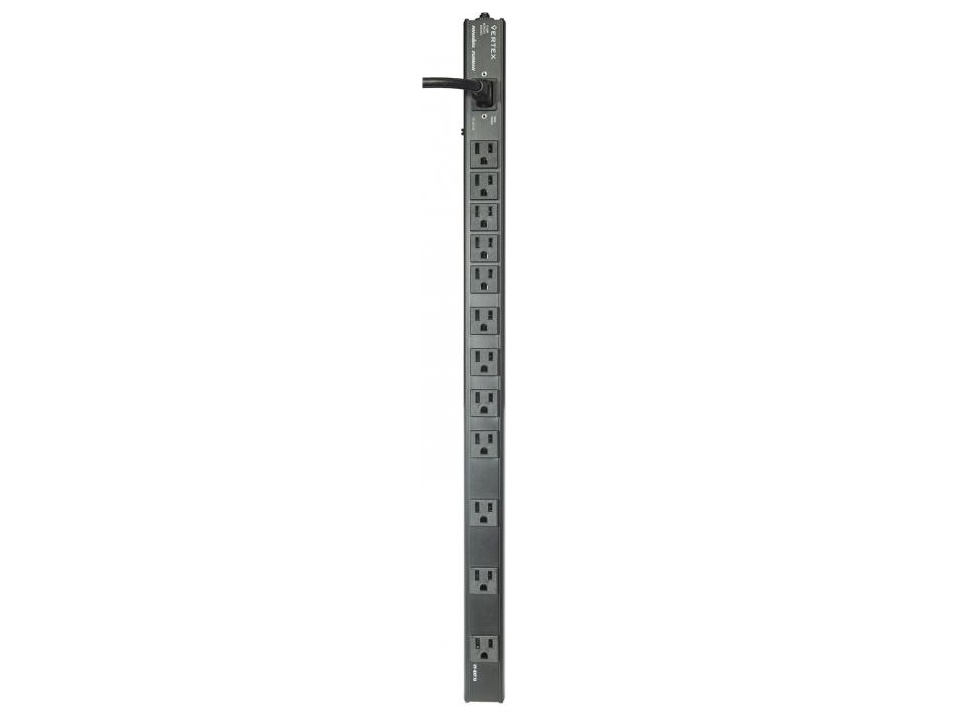
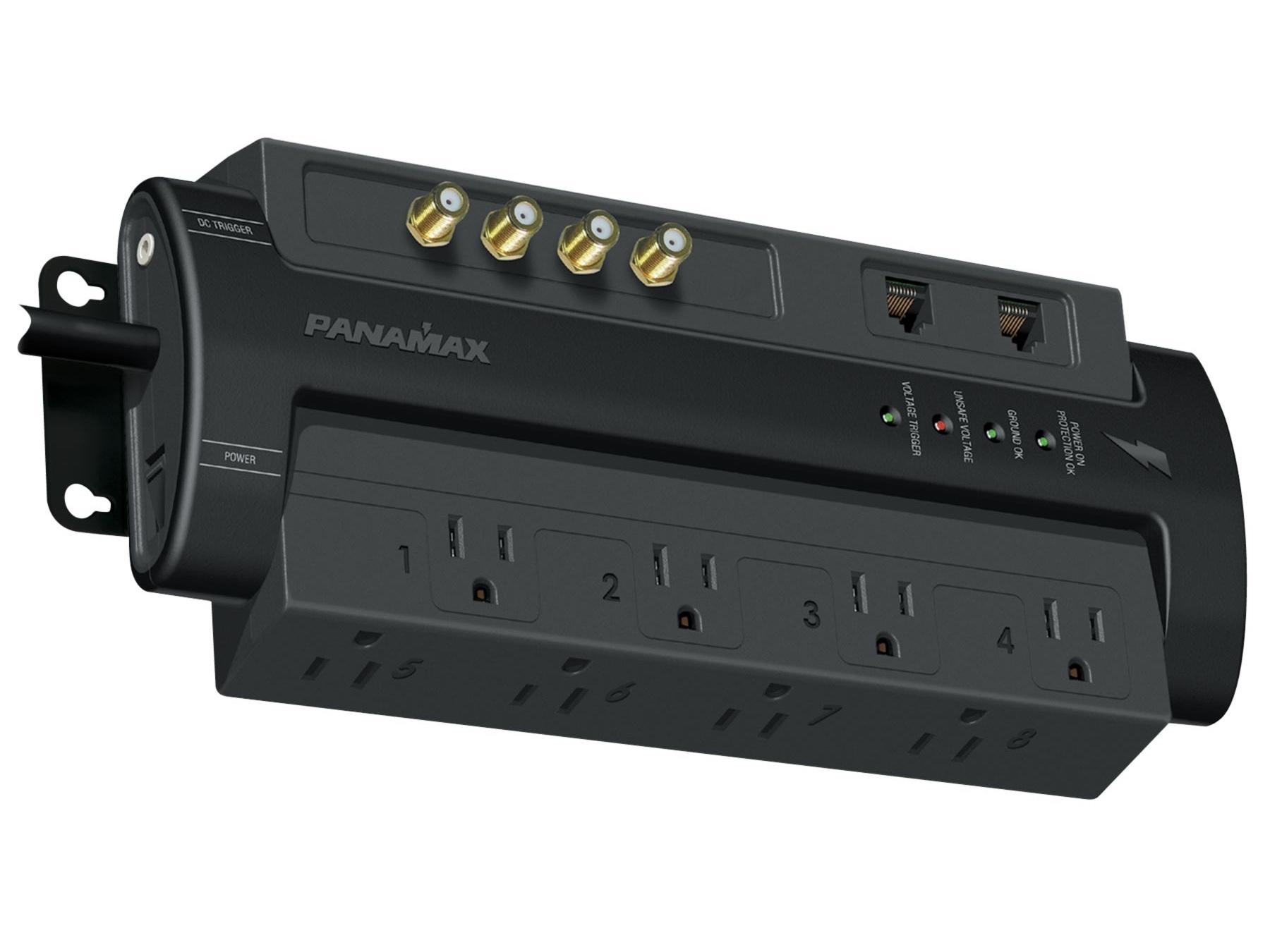
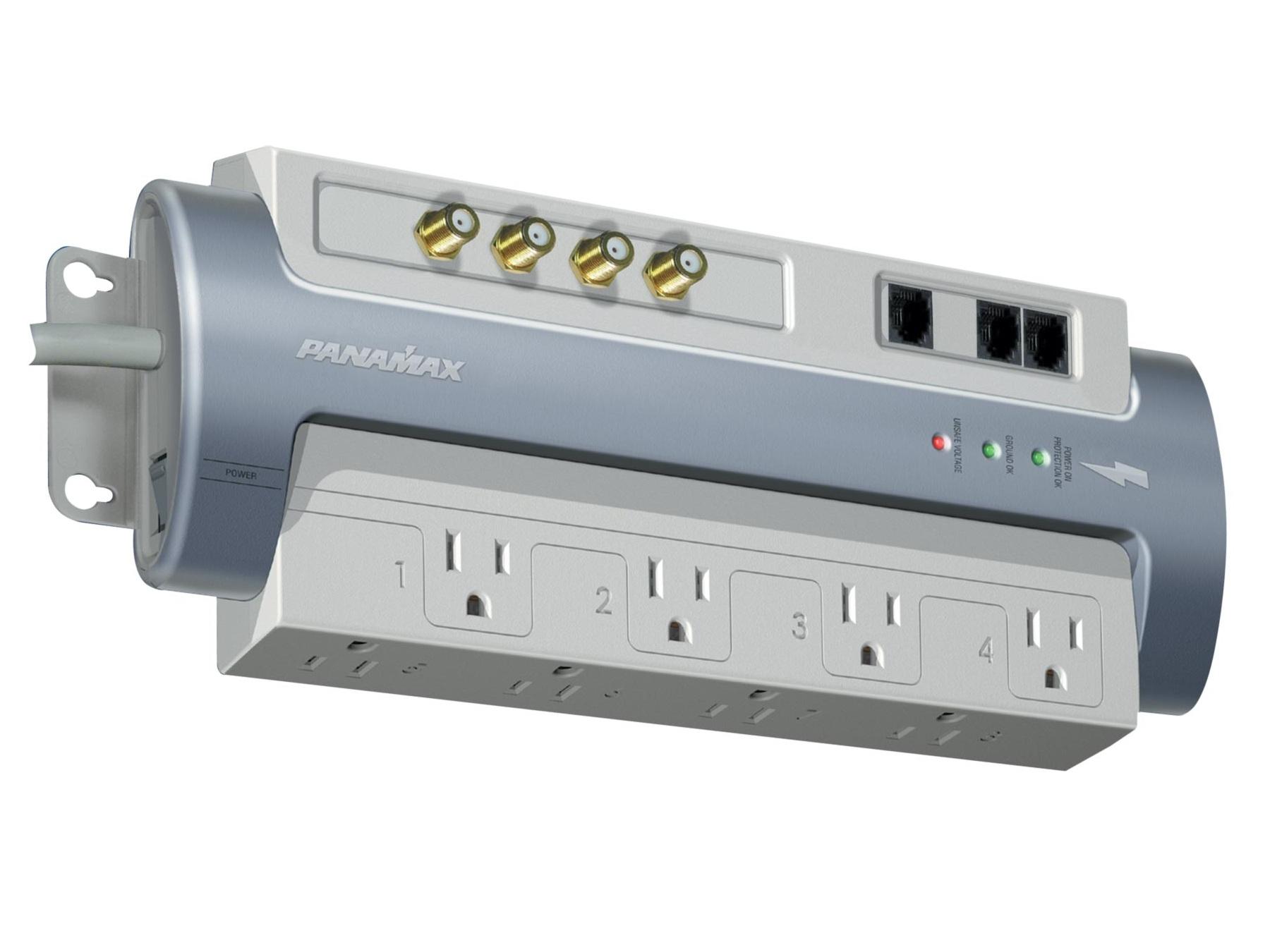
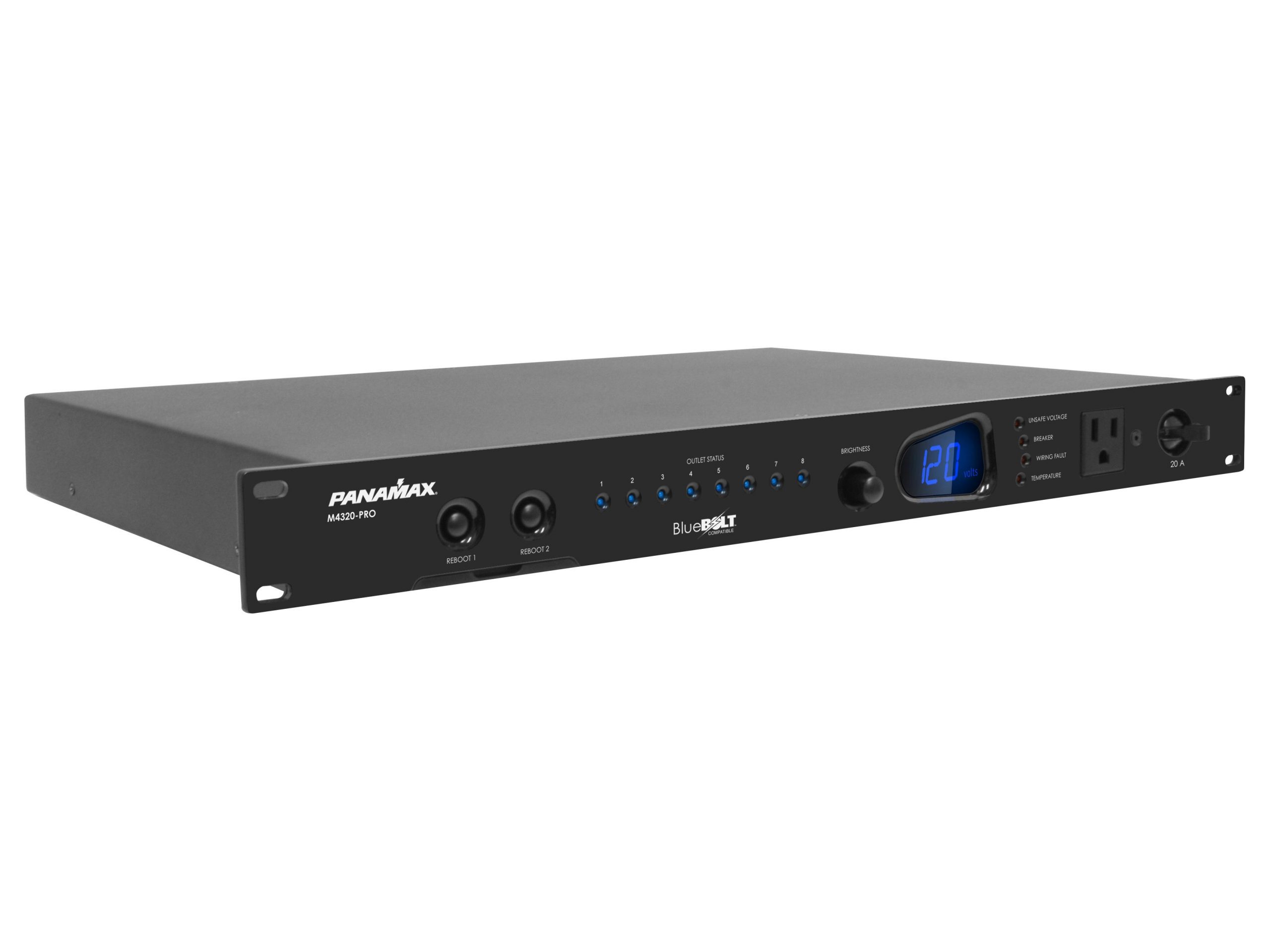
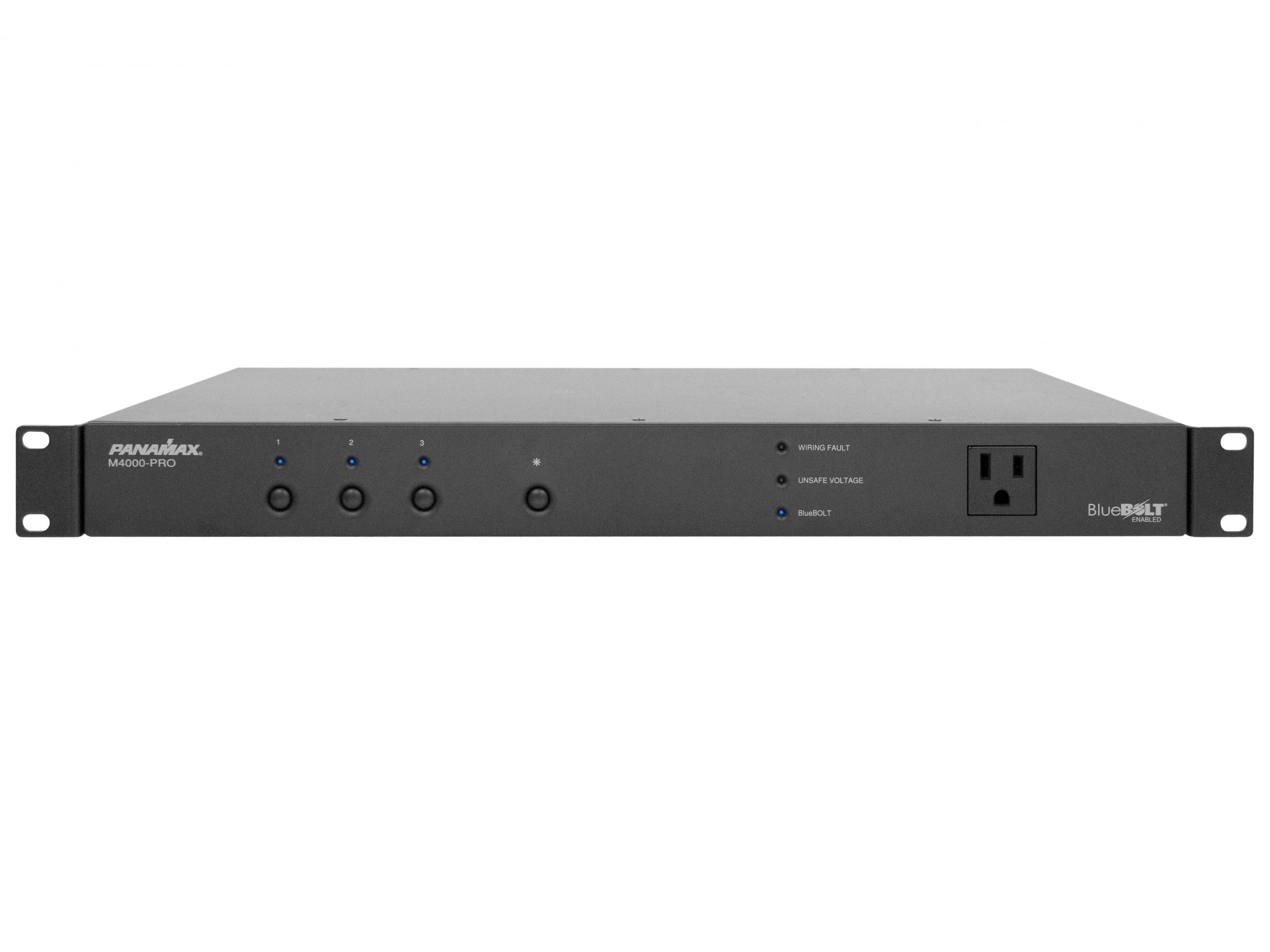
Power strips distribute power from a single AC outlet to multiple devices, providing a simple way to connect many AV components to one power source. While basic consumer power strips exist for general use, commercial AV power strips include features that make them appropriate for professional installations: rack mount form factors, higher current capacity, surge protection with serious joule ratings, sequenced power-on for proper startup, EMI/RFI filtering to reduce noise, and remote control capabilities.
Consumer power strips are typically 6 to 8 outlets, 15-amp capacity, with basic surge protection (a few hundred joules) and no advanced features. They serve general home use. Commercial AV power strips are designed for professional installations: rack-mountable in 1U or 2U form factors, 15 to 30 amp capacity, higher-rated surge protection (thousands of joules), and often advanced features like sequenced power-on or EMI/RFI filtering. For commercial AV installations, the consumer power strip from the local hardware store is not the right choice.
Sequenced power strips turn outlets on in a specific order with configurable delays between each. This serves several purposes: avoiding inrush current spikes when many devices start simultaneously (which can trip breakers or stress equipment), ensuring interdependent equipment starts in the right sequence (the network switch before AV-over-IP encoders, audio DSP before amplifiers to prevent startup pops, displays before sources), and providing controlled startup for clean operation. Quality sequenced power strips allow programming the order and delays for each outlet.
Some commercial power strips include electromagnetic interference (EMI) and radio frequency interference (RFI) filtering. The filter components attenuate electrical noise on the power line, reducing the noise that reaches sensitive AV equipment. EMI/RFI filtering is most valuable for audio equipment (where line noise can become audible hum or buzz), for broadcast and recording (where pristine power matters), and in industrial environments where the power line carries significant noise from large motors or other equipment.
Modern commercial power strips often include remote control: each outlet can be turned on or off from a web interface or network commands. Combined with monitoring (knowing what equipment is on and the total current draw), this enables remote management of AV installations. A technician can power-cycle a stuck device from anywhere on the network, eliminating service visits for simple issues. Smart power strips integrate with control systems for automated startup and shutdown schedules.
Power strips come with various outlet configurations. Standard NEMA 5-15R outlets fit most consumer and commercial AV equipment. Some power strips also include IEC C13 or C14 outlets (the connectors used on most rack-mount equipment), USB charging ports for phones and small devices, and combination configurations matching specific equipment mixes. For rack-mounted AV, look for power strips with IEC outlets and rack-mount form factors.
Surge protection in power strips is rated by joules (energy absorption capacity, with higher numbers being better) and clamping voltage (the level at which protection activates, with lower numbers being better for sensitive electronics). Consumer power strips typically have 500 to 1500 joules of protection; commercial AV power strips often have 2000 to 5000 joules or more. For critical AV equipment, look for high joule ratings, tight clamping voltage, and ideally protection on all three modes (line-neutral, line-ground, neutral-ground).
Commercial power strips are essential in every AV installation with multiple devices on shared power: equipment racks (sequenced rack-mount power strips with surge protection are standard), conference rooms (power strips behind displays or in equipment closets), live sound and rental and staging (heavy-duty power strips for stage and FOH positions), broadcast and production facilities (high-quality power conditioning for sensitive equipment), and any commercial environment where multiple AV devices share power and benefit from coordinated power management.
Consumer power strips are typically 6 to 8 outlets, 15-amp capacity, with basic surge protection (a few hundred joules) and no advanced features. Commercial AV power strips are designed for professional installations: rack-mountable in 1U or 2U form factors, 15 to 30 amp capacity, higher-rated surge protection (thousands of joules), and often advanced features like sequenced power-on or EMI/RFI filtering. The price difference reflects the quality difference: commercial strips last longer under heavy use, provide better protection, and offer features that matter in professional installations.
A sequenced power strip turns outlets on in a specific order with configurable delays between each, rather than all at once. This serves three purposes: avoiding inrush current spikes when many devices start simultaneously (combined inrush can trip breakers), ensuring interdependent equipment starts in the right sequence (network switch before AV-over-IP encoders, audio DSP before amplifiers to prevent startup pops, displays before sources to avoid HDCP handshake issues), and providing controlled graceful startup for clean operation. Sequenced power strips are common in commercial AV racks where startup order matters.
EMI/RFI filtering is most valuable for audio equipment (where line noise can become audible hum or buzz) and for sensitive professional gear (broadcast, recording, scientific instruments). For typical commercial AV (video, basic conferencing, digital signage), EMI/RFI filtering is helpful but not essential. For premium installations with high-end audio, professional broadcast or recording, or any environment with audible noise issues, the filtering is worth the additional cost. EMI/RFI filtering is also valuable in industrial environments where motors and other large electrical equipment create significant line noise.
For typical commercial AV equipment, 1500 to 2500 joules is sufficient. For premium equipment, sensitive professional gear, or installations in lightning-prone areas, 3000 to 5000+ joules provides better protection. Higher joule ratings mean the protector can absorb more surge energy before reaching the end of its life (surge protectors degrade over time as they absorb surges). For mission-critical installations, consider dedicated surge protection devices upstream of the power strip in addition to the strip's built-in protection.
Generally no. Daisy-chaining (plugging one power strip into another) is dangerous and against electrical code in most commercial environments. The reasons: total current capacity is limited by the upstream strip's rating, surge protection from the upstream strip may not function correctly, and the chain creates additional failure points. If you need more outlets, use a power strip with more outlets, install additional dedicated circuits, or use a PDU (Power Distribution Unit) designed for higher current capacity. Daisy-chaining is one of the most common electrical code violations and a real fire hazard.
Every commercial AV installation with multiple devices on shared power: equipment racks (sequenced rack-mount power strips with surge protection are standard for AV equipment racks), conference rooms (power strips behind displays or in equipment closets for cleaner power management), live sound and rental and staging (heavy-duty power strips at FOH and stage positions for tour-grade reliability), broadcast and production facilities (high-quality power conditioning with EMI/RFI filtering for sensitive equipment), digital signage installations (sequenced power for proper startup of media players and displays), and any commercial environment where multiple AV devices share power and benefit from coordinated power management.

On order over $300 and more for US and US territory

We Offer a 30-Day Money Back Guarantee

Full manufacturer's warranty and quality assurance

Safe checkout with trusted payment providers