Start typing to see results...
Find the perfect solution
An uninterruptible power supply (UPS) provides battery-backed power that keeps AV equipment running through utility outages, brownouts, and other power quality events. The UPS conditions incoming utility power and continuously charges its internal battery; when the utility fails or fluctuates significantly, the UPS instantly switches to battery power, allowing connected equipment to either continue operating through the outage or perform a clean orderly shutdown. UPS units are essential for any mission-critical AV equipment.
Three main UPS topologies serve different needs. Standby UPS (also called offline UPS) passes utility power straight through to the load under normal conditions, switching to battery only when the utility fails (typical switchover time 5 to 10 milliseconds). It is the cheapest option but provides the least conditioning; suitable for non-critical equipment. Line-interactive UPS continuously conditions utility power (filtering surges, adjusting for low or high voltage) while passing it through; when utility fails, it switches to battery within milliseconds. Most commercial AV uses line-interactive UPS for the balance of cost and protection. Online double-conversion UPS continuously converts utility power to DC, charges the battery, and inverts back to AC for the load; the equipment always receives clean inverter output regardless of utility quality. Most expensive but provides the best protection for very sensitive equipment.
UPS capacity is rated in VA (volt-amperes) and watts. For most modern equipment, watts is the appropriate rating to use. Add up the watts of all equipment that will connect to the UPS, then size the UPS for at least 25 to 50 percent margin above that total (running a UPS at 100 percent capacity stresses it and shortens battery life). Runtime depends on the load: a 1500VA UPS running at 50 percent load (750W) might provide 10 to 20 minutes of runtime; at full load, 5 to 10 minutes. For longer runtime, use a larger UPS or external battery extension.
Match runtime to the application. For brief outages (most common, lasting seconds to a few minutes), 5 to 10 minutes of UPS runtime keeps equipment up through the typical outage. For longer outages, the goal is usually clean orderly shutdown rather than continued operation: the UPS provides 5 to 10 minutes during which the equipment shuts down properly, avoiding data corruption and equipment damage from abrupt power loss. For mission-critical installations needing extended runtime (broadcast facilities, hospitals, critical security), large UPS units with multiple battery extensions or generator backup provide hours of runtime.
Modern UPS units typically include network management interfaces. The UPS connects to the network via Ethernet, providing web-based monitoring of status, battery condition, load level, and event history. SNMP support enables integration with monitoring systems. USB or serial connections to a connected computer enable signaled shutdown: when the UPS battery is running low, it signals the computer to shut down cleanly before power is lost. This integration is essential for critical equipment that cannot tolerate abrupt shutdown.
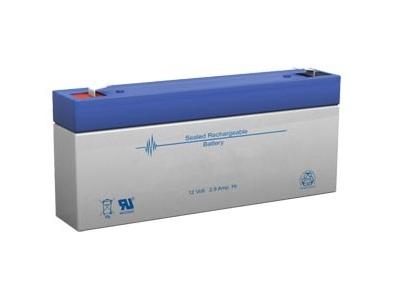
Quality UPS units (especially rack-mount commercial units) support hot-swappable batteries: the battery can be replaced while the UPS is running, without interrupting power to the connected equipment. This is essential in mission-critical installations where the UPS can never go offline. Battery replacement is needed every 3 to 5 years (lead-acid batteries) or longer (lithium batteries) depending on technology and usage.
UPS units often include sequenced outlet control, similar to sequenced power strips. Outlets can be programmed to turn on in a specific order after power is restored, ensuring proper startup sequence even after extended outages. This is useful for AV installations where startup order matters: network switch on first, then DSP, then amplifiers, then sources.
UPS units are essential in mission-critical AV installations: broadcast facilities (every production server, recording system, control system runs on UPS), security installations (NVR units must continue recording through outages), houses of worship with live streaming (broadcast equipment runs on UPS to maintain stream continuity), corporate AV with critical conferencing (executive briefing centers, board rooms with always-on systems), healthcare facilities (AV in operating rooms, emergency departments), data centers with AV infrastructure (alongside the rest of the protected gear), and any installation where AV equipment cannot tolerate outage interruption.
Use a UPS for any AV equipment where downtime matters: production servers, recording systems, mission-critical control system processors, live streaming gear, security camera recorders (NVR units), broadcast contribution equipment, and any equipment where outage interruption causes operational problems or data loss. For less critical equipment (digital signage that can briefly go dark, intermittently used conference room equipment), UPS may not be necessary; surge protection alone is often sufficient. Size the UPS for the load with margin, and runtime for either ride-through or clean shutdown.
Line-interactive UPS is the right choice for most commercial AV: it conditions utility power continuously (filtering surges and adjusting voltage), switches to battery within milliseconds when the utility fails, and costs significantly less than online double-conversion. Online double-conversion UPS continuously converts utility to DC and back to AC, providing absolutely clean inverter output regardless of utility quality. It is appropriate for the most sensitive equipment (broadcast contribution, medical diagnostic imaging, very high-end audio) where any power glitch matters, but the cost premium is significant. For typical commercial AV (conferencing, control systems, recording), line-interactive is sufficient.
Add up the watts of all equipment that will connect to the UPS, then size the UPS for at least 25 to 50 percent margin above that total. For example, equipment totaling 800W of load needs a UPS rated for at least 1000W. Running a UPS at 100 percent capacity stresses it, reduces efficiency, and shortens battery life. UPS units are commonly rated in both VA and watts; for most modern equipment with switching power supplies, watts is the more relevant rating. Runtime estimates from the manufacturer typically assume specific load percentages; for accurate runtime planning, use the manufacturer's runtime calculator with your specific load.
For protecting against typical brief outages (lasting seconds to a few minutes), 5 to 10 minutes of runtime keeps equipment up through the typical outage. For longer outages, plan for clean orderly shutdown rather than indefinite operation: the UPS provides 5 to 10 minutes during which the equipment signals applications to save state and shuts down properly. For mission-critical installations needing extended runtime (broadcast facilities, hospitals, security), large UPS units with battery extensions, or UPS plus generator backup, provide hours of runtime. The right runtime balances cost against the application's tolerance for outage interruption.
Lead-acid UPS batteries (the most common type) typically last 3 to 5 years before significantly losing capacity. Lithium UPS batteries last longer (8 to 10 years or more). Replace batteries proactively before they fail: a UPS with degraded batteries provides less runtime than rated, potentially less than the time needed for clean shutdown. Modern UPS units often include self-test features that periodically verify battery condition and alert when replacement is needed. Hot-swappable battery designs (common in rack-mount commercial UPS) allow replacement without interrupting power to connected equipment.
Mission-critical AV installations: broadcast facilities (every production server, recording system, and control system on UPS to prevent broadcast interruption), security installations (NVR units must continue recording through outages, critical surveillance cannot afford gaps in coverage), houses of worship with live streaming (broadcast equipment on UPS to maintain stream continuity through brief outages), corporate AV with critical conferencing (executive briefing centers, board rooms with always-on systems for important meetings), healthcare facilities (AV in operating rooms, emergency departments, communication systems), data centers with AV infrastructure (alongside the rest of the protected gear), and any installation where AV equipment cannot tolerate outage interruption.

On order over $300 and more for US and US territory

We Offer a 30-Day Money Back Guarantee

Full manufacturer's warranty and quality assurance

Safe checkout with trusted payment providers