




Start typing to see results...
Find the perfect solution
A cellular signal amplifier (also called a cellular booster, cellular repeater, or DAS, Distributed Antenna System, at larger scales) takes a weak outdoor cellular signal, amplifies it, and rebroadcasts it inside a building or vehicle. The result is reliable voice and mobile data coverage in areas where the carrier's macro signal is too weak to use, blocked by building materials, or simply far from the nearest cell tower.
The system has three core parts. An outdoor antenna (often directional, mounted on a roof or exterior wall) captures the carrier's signal from the nearest tower. An amplifier (booster) strengthens the captured signal. One or more indoor antennas rebroadcast the boosted signal where coverage is needed. The same chain works in reverse for outgoing calls and data, so your phone reaches the tower with a stronger signal as well, improving call quality and data speed in both directions.
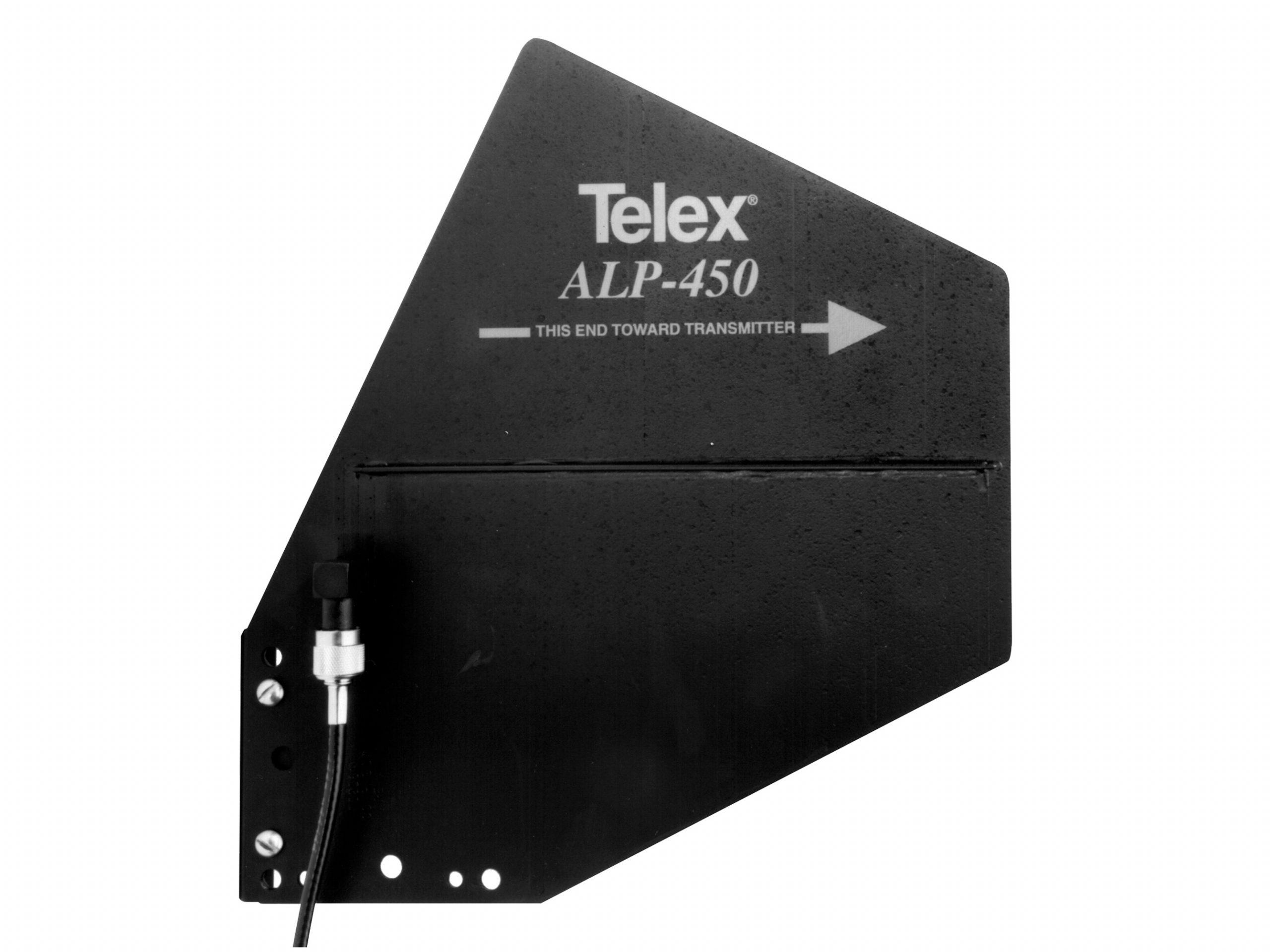
This category also covers the antennas, splitters, and accessories used to build cellular distribution systems. Log-periodic and Yagi directional antennas capture distant signals from a specific tower direction. Omnidirectional antennas distribute the boosted signal evenly inside a space. Low-loss coaxial cable connects the antennas to the booster. Signal couplers and splitters fan the boosted signal out to multiple indoor antennas in larger installations.
Most modern boosters are broadband and support multiple cellular bands simultaneously, covering the major LTE and 5G frequencies in use by all the major carriers. In North America, that means 700, 850, 1700/2100, and 1900 MHz for LTE, plus additional bands for 5G deployments. A broadband unit amplifies all carriers in one device, while single-band units cover only one carrier and may offer higher gain for that specific band.
A consumer or small-business booster is a single-amplifier solution suitable for homes, small offices, vehicles, and small commercial spaces. A Distributed Antenna System (DAS) is engineered for large buildings, stadiums, hospitals, and campuses, with multiple amplifier nodes, hundreds of indoor antennas, and integration with carrier infrastructure. Both rely on the same physics (capture, amplify, redistribute) at very different scales.
Cellular signal amplifiers are common in commercial buildings with metal-clad construction that blocks signals, warehouses, hospitals, hotels, RVs and marine applications, large homes in rural areas, basements and parking garages, and any environment where indoor cellular signal is unreliable.
In many countries, cellular boosters require carrier authorization or certification before activation. In the US, the FCC requires consumer boosters to be Wireless Carrier Certified. Higher-power commercial systems generally require explicit carrier registration. Always check local regulations before deploying.
A cellular signal amplifier boosts weak outside cell signal and rebroadcasts it inside a building or vehicle. The system has three parts: an outdoor antenna that captures the carrier's signal from the nearest tower, an amplifier (booster) that strengthens that signal, and one or more indoor antennas that retransmit the boosted signal where you need coverage. The same chain works in reverse for outgoing calls and data, so your phone reaches the tower with a stronger signal too. The result is reliable voice and mobile data coverage in places where the carrier's macro signal is too weak, blocked by building materials, or too far from the nearest tower.
Most modern boosters are broadband and support all major carriers simultaneously. Look for boosters that cover the relevant LTE and 5G bands for your region. In North America that means 700, 850, 1700/2100, and 1900 MHz for LTE, plus additional bands for 5G deployments. A broadband unit amplifies all carriers in a single device, which is the simplest solution for most homes and small offices. Single-band units cover only one carrier but may offer higher gain for that specific band, which can be useful when one specific carrier needs boosting in a remote location.
A booster is a single-amplifier consumer or small-business solution; a DAS is a multi-amplifier, multi-antenna enterprise system. Boosters are typically self-installed, drop-in units suitable for homes, small offices, vehicles, and small commercial spaces. They consist of one outdoor antenna, one amplifier, and one or two indoor antennas. A DAS is engineered for large buildings, stadiums, hospitals, and campuses, with multiple amplifier nodes, hundreds of indoor antennas, and explicit integration with carrier infrastructure. Both rely on the same physics (capture, amplify, redistribute) at very different scales and price points.
The rules vary by country. In the US, the FCC requires consumer boosters to be Wireless Carrier Certified, which means the manufacturer has filed with each major carrier and certified the device meets their interference and signal standards. Consumer boosters certified this way are pre-approved for use without further carrier registration. Higher-power commercial systems generally require explicit carrier registration before activation. In Canada, Industry Canada has similar rules. In the EU, ETSI standards apply. Always check local regulations before deploying, especially in commercial environments or with higher-power equipment.
Log-periodic and Yagi antennas are directional antennas used outdoors to capture weak signals from a specific tower direction. Both have much higher gain than omnidirectional antennas, meaning they can receive signals from a greater distance, but they must be aimed at the target tower. A log-periodic antenna is broadband and covers many frequencies at once, which is useful when you don't know exactly which bands your carrier uses. A Yagi antenna is narrower band but offers even higher gain for the specific frequencies it is tuned to. Both require some signal analysis or trial-and-error during installation to find the best aim direction.
Rural homes far from the nearest tower, basements and underground office spaces, large commercial buildings and warehouses with metal-clad construction that blocks signal, hospitals, hotels, RVs and marine vessels traveling through varied coverage, parking garages where reliable communication for staff and security matters, and any environment where indoor cellular signal is unreliable. The specific architecture varies with the deployment: a remote rural home might need a high-gain directional outdoor antenna and a single indoor antenna, while a multi-story commercial building might need a DAS with separate amplifiers per floor.

On order over $300 and more for US and US territory

We Offer a 30-Day Money Back Guarantee

Full manufacturer's warranty and quality assurance

Safe checkout with trusted payment providers