




Start typing to see results...
Find the perfect solution
Although Avprosupply has the legal right to set our own prices, some manufacturers place restrictions on how those prices may be advertised. This is why you may sometimes see requests like “add to cart for price”, “click here for price”, or “call for price”.
Specific actions required may vary based on the manufacturer's minimum advertised price policy. We'd love to show you our lowest price, quite simply, at the earliest possible time while shopping, but in these circumstances the manufacturers don't allow it. We realize this is an inconvenience and apologize. By ensuring we follow manufacturer advertising guidelines, Avprosupply is able to offer the very best pricing and value to our customers.
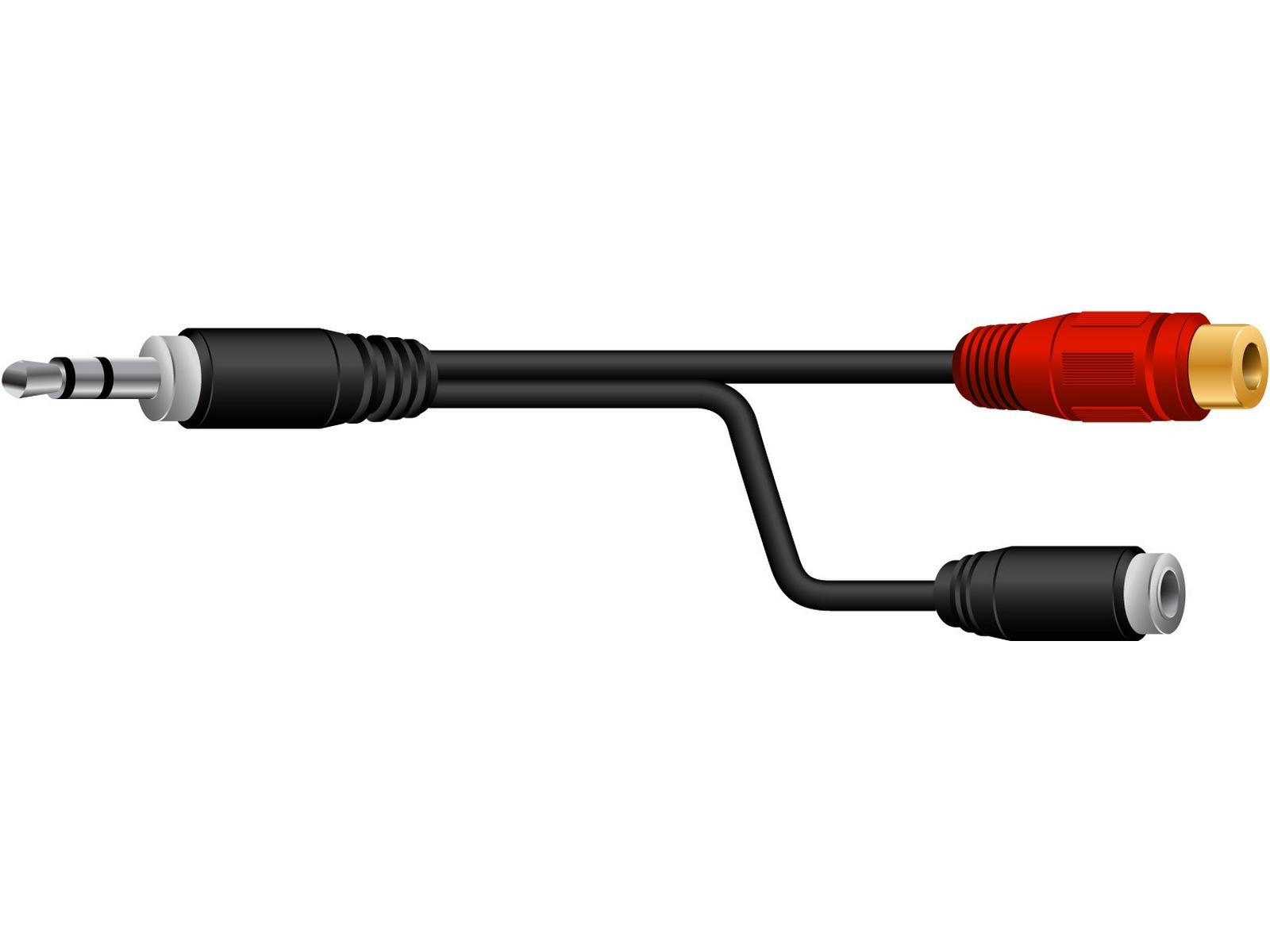
This subcategory groups the audio cables that do not fit cleanly into "Digital coaxial" or "Analog stereo": balanced cables (XLR microphone cables, TRS line-level), TOSLINK optical digital audio, AES/EBU digital audio cables, specialty multi-pair snake cables, instrument cables (TS), speaker cables (when sold as audio cable rather than separately), and various adapter and breakout cables. These cables serve professional, semi-professional, and specialty AV applications.
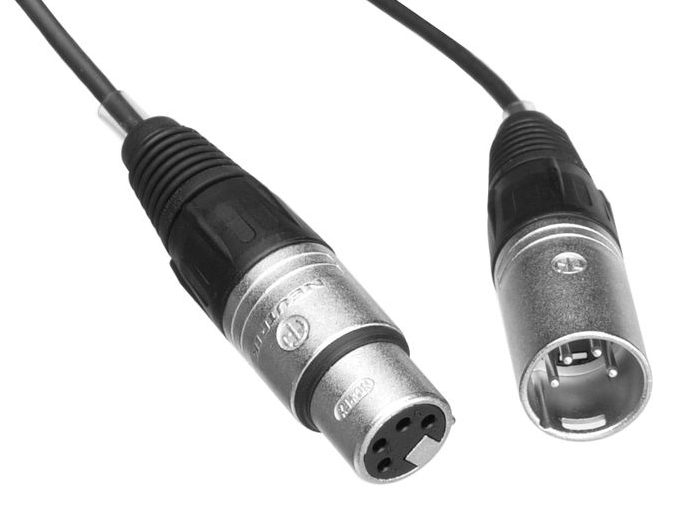
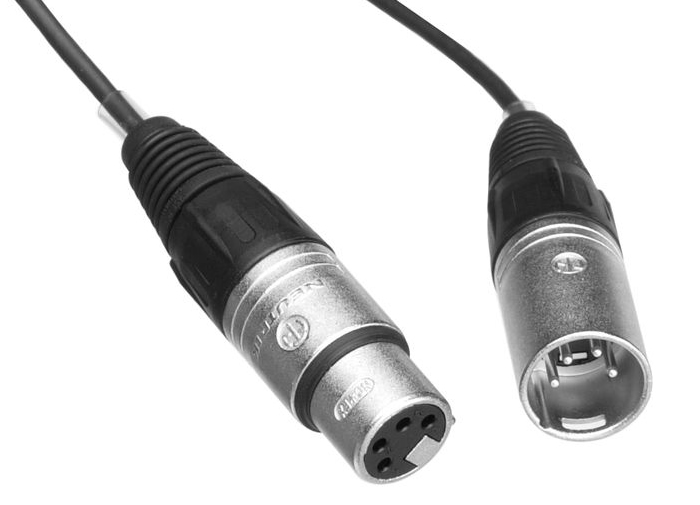
XLR cables with three pins are the universal professional audio interconnect. They carry balanced microphone-level signals (from microphone to mixer or interface) or balanced line-level signals (mixer to amplifier or powered speaker). XLR cables lock at both ends, resist accidental disconnection, and reject electrical noise on long runs, which makes them the standard in live sound, broadcast, and recording. Quality XLR cables use thick shielded multi-conductor cable and rugged connectors.
1/4-inch TRS (Tip-Ring-Sleeve) carries balanced line-level audio, used in pro audio for short interconnects between mixers, processors, and powered monitors. Cable length is typically up to 30 meters with good shielding. TS (Tip-Sleeve) cables look identical but carry unbalanced signals: they are the standard instrument cable for guitars, basses, and keyboards connecting to amplifiers or DI boxes. Do not confuse the two; they look the same physically but behave very differently.
TOSLINK uses plastic optical fiber to carry SPDIF digital audio between consumer and commercial AV equipment. The cable has square or round connectors at each end and is completely immune to electrical interference and ground loops, because there is no electrical connection between sender and receiver. Useful range is about 5 to 10 meters; longer runs need optical extenders. TOSLINK supports stereo PCM and compressed multi-channel (Dolby Digital, DTS), but not uncompressed multi-channel like Dolby TrueHD.
AES/EBU is a professional digital audio interface that uses XLR connectors and balanced cable. It carries the same SPDIF data as digital coaxial but on balanced cable, going much further (100 meters or more) with no signal degradation. AES/EBU is the standard digital audio interconnect in pro studios, broadcast, and any installation where digital audio needs to travel long distances reliably. Some equipment supports both AES/EBU on XLR and SPDIF on RCA, often selectable in a menu.
Multi-pair snake cables carry many channels of balanced audio in one heavy jacket, typically 8, 12, 16, 24, or 32 channels. They are essential in live sound for running multiple microphone or line-level signals between the stage and the mixing console (often 30 to 100 meters away). The snake has a large multi-pin connector at one end and an array of XLR connectors at the other, or it may have multi-pin connectors on both ends with a separate fanout box.
These cables are used in live sound (XLR microphone cables, snakes between stage and mix position, balanced runs from mixers to powered speakers and amplifiers), broadcast and recording studios (XLR and TRS interconnects, AES/EBU digital, patch bays with quarter-inch TRS), houses of worship (XLR microphone runs, balanced line-level interconnects), commercial AV (balanced cabling for permanent installations), and any installation where pro-grade audio needs to be carried reliably.
Both can carry balanced audio, but they use different connectors and have different typical applications. XLR uses a three-pin locking connector and is the universal professional standard for microphones (microphone level) and for many line-level connections to amplifiers, powered speakers, and broadcast equipment. TRS (Tip-Ring-Sleeve, 1/4-inch or 3.5 mm) uses a single jack with three contacts and is common in pro audio for short balanced line-level connections, in mixers' insert points, and in patch bays. XLR is more rugged and locks in place; TRS is more compact and easier to integrate into dense equipment.
TRS (Tip-Ring-Sleeve) and TS (Tip-Sleeve) use the same physical connector size (1/4-inch is most common) but have different internal wiring and very different uses. TRS has three contacts (tip, ring, sleeve) and carries either balanced mono audio or unbalanced stereo audio. TS has only two contacts (tip, sleeve) and carries unbalanced mono audio. TS is the standard for instrument cables (guitar, bass, keyboard to amplifier or DI box) and for unbalanced patch in older gear. The cables look identical from a distance; the ring on the TRS is the giveaway. Using a TS cable where TRS is expected breaks the balanced signal, causing noise and reduced audio quality.
AES/EBU (or AES3) is a professional digital audio interface that uses XLR connectors and balanced cable to carry the same digital audio data as SPDIF, but with much greater range and reliability. AES/EBU can carry digital audio 100 meters or more on standard XLR cable, vs. about 10 to 15 meters for SPDIF on RCA. Use AES/EBU in pro studios, broadcast, live sound, and any commercial AV installation where digital audio needs to travel long distances reliably. AES/EBU also has a corresponding 75-ohm coaxial variant (AES3id) on BNC for installations that need long-distance digital audio over coax.
100 meters or more for balanced microphone or line-level signals on quality XLR cable. Balanced audio's noise rejection is exactly what makes XLR ideal for long runs: the longer the cable, the more it picks up interference, and balanced wiring cancels that interference at the receiving end. In live sound, XLR snakes routinely run 30 to 50 meters from stage to mixing console with no audible degradation. For very long runs (hundreds of meters), use a balanced line driver or a fiber-based audio extender to maintain signal integrity.
A snake cable carries many channels of balanced audio in one thick jacket, typically 8, 12, 16, 24, or 32 channels, with each channel on its own internal pair plus a shared ground. Snakes are essential in live sound for running multiple microphone or line-level signals between the stage (where microphones, instruments, and stage boxes live) and the mixing console (often 30 to 100 meters away). The snake has either XLR fan-outs at one or both ends (the most common consumer/small-pro form) or large multi-pin connectors at each end with separate fan-out stage boxes (pro touring).
Live sound (XLR microphone cables, multi-pair snakes from stage to mix position, balanced TRS or XLR from mixer to power amplifiers and powered speakers), broadcast and recording studios (XLR for microphones, TRS for patch bays and outboard processing, AES/EBU for digital audio interconnects, TOSLINK between consumer and pro gear), houses of worship (XLR for the platform microphones, balanced line-level for the long runs from the booth to the speakers), commercial AV installations (balanced cabling for permanent installations where reliability matters), and any installation where pro-grade audio needs to be carried reliably.

On order over $300 and more for US and US territory

We Offer a 30-Day Money Back Guarantee

Full manufacturer's warranty and quality assurance

Safe checkout with trusted payment providers