




Start typing to see results...
Find the perfect solution
Video walls assemble multiple display panels into one larger virtual display, creating display surfaces beyond the practical size of single panels. They are essential in installations where significant display real estate matters: corporate lobbies with large branded video walls, retail brand walls in major stores, sports venues with large digital signage, hospitality lobbies and convention centers, control rooms with large wall displays for combined status and monitoring, broadcast studios with multi-panel backdrops, and event venues with large displays for conferences and entertainment.
Video walls come in many configurations. Small walls: 2x2 (4 panels in a 2-wide, 2-tall arrangement). Standard walls: 3x3 (9 panels), 4x3 (12 panels), 4x4 (16 panels). Large walls: 6x4, 6x6, 8x4 or larger arrays. Very large walls assemble many panels into massive displays (50+ panels in major installations). The configuration determines both the display dimensions and the visual impact. Always plan the wall configuration with consideration for the panel size, the desired wall dimensions, the available wall space, and the viewing distance.
Video wall panels differ from general commercial displays. They include thin bezels (or zero bezels for premium walls) so the breaks between panels are minimized. Uniform color calibration across the wall ensures the multi-panel display looks like one unit, not a collection of mismatched displays. Daisy-chain capability lets one content source feed multiple panels through chained connections, reducing cabling complexity. Frame compensation maintains visual continuity across panel borders when content spans multiple panels. Rugged construction supports the demands of multi-panel installations.
For premium video walls without any bezels, direct-view LED (DVLED) walls use LED modules forming the image directly. DVLED walls are bezel-less, can be assembled into very large displays (typical applications are 5+ feet diagonal, with major installations easily 30+ feet wide), and have extremely long lifespans (50,000+ hours typical). They are used in premium installations: large-venue digital signage, broadcast studios, sports facilities, high-end retail, corporate lobbies. The cost is significantly higher than LCD video walls, justified for the premium applications where the wall itself is a major visual feature.
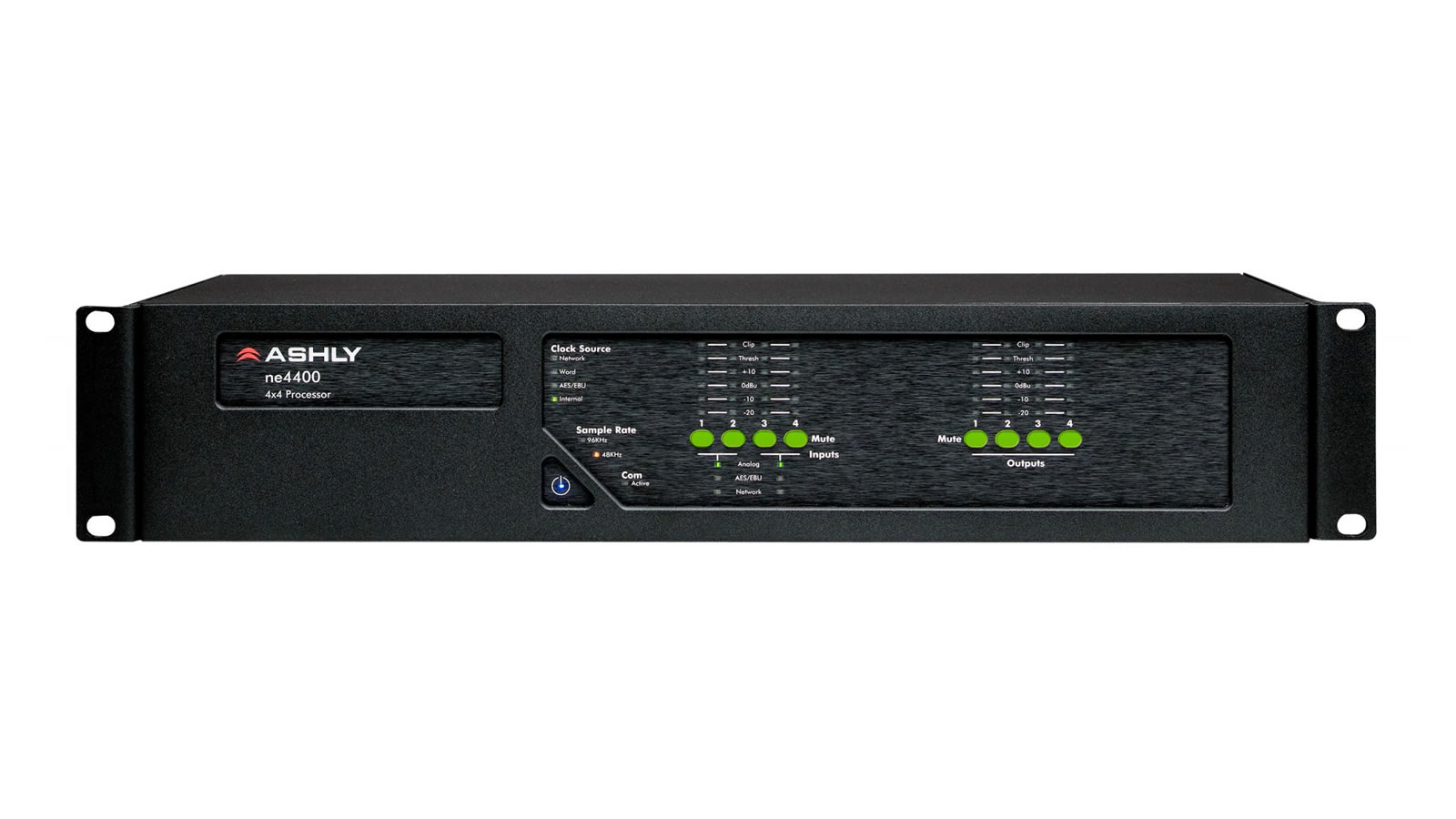
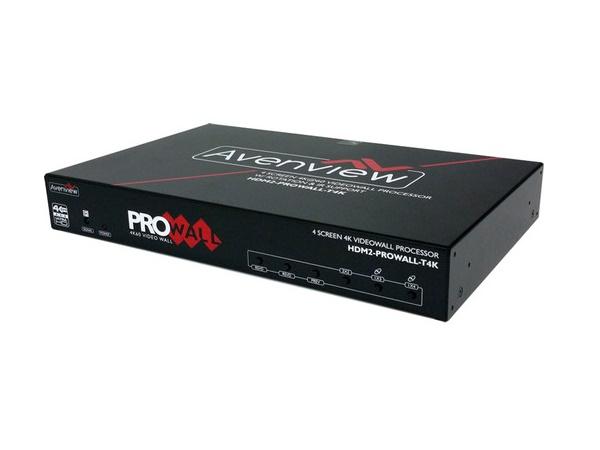
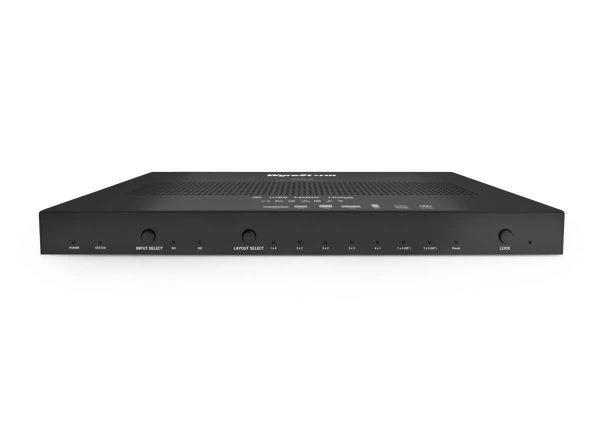
Video walls need processing to drive content across multiple panels. Wall processors take content (single video sources, multiple sources, computer-generated content) and distribute it across the wall panels with proper scaling, positioning, and alignment. Some video walls use built-in wall processing in the panels themselves (each panel knows its position in the wall and handles its portion of the content). Others use external wall processors (dedicated hardware that processes content and feeds each panel). The choice depends on the wall complexity and the content sources.
Video walls show content in various layouts. Single-source full-wall: one large image or video spans the entire wall (used for impactful single content displays). Multi-source layouts: different sources in different zones of the wall (used in control rooms and security operations showing many sources simultaneously). Dynamic layouts: content that changes throughout the day, mixing single-source and multi-source modes. The layout flexibility comes from the wall processor or content management system; quality systems support extensive layout customization.
Multi-panel walls need color calibration so all panels look uniform. Panel manufacturers include calibration ports and software for tuning each panel's color characteristics to match a reference. Periodic recalibration maintains uniformity as panels age. Quality video wall installations include initial calibration during installation, plus periodic recalibration as part of ongoing maintenance. Without calibration, panels can look noticeably different in color, brightness, or contrast, breaking the visual unity of the wall.
Video wall mounting requires specialty hardware. Pop-out mounts allow individual panels to be pulled out from the wall for service access without removing all panels. Modular mounting systems support various wall sizes and shapes. Specialty bracketing handles uneven walls or non-standard panel arrangements. Quality installation includes careful alignment between panels (minimizing bezel gaps), proper cable management behind the wall, and access for maintenance.
Video walls serve corporate lobbies (large branded video walls creating major visual impact for visitors), retail (brand walls and large-format signage in major stores and shopping centers), sports venues (large digital signage for advertising, scoreboards, and venue branding in stadiums and arenas), hospitality (large lobby walls in hotels and convention centers), broadcast studios (multi-panel backdrops behind news anchors and presenters; large walls for entertainment and weather presentation), control rooms (large wall displays showing combined status, monitoring, and camera feeds for security operations, traffic management, network operations), houses of worship (large displays in lobbies, sanctuaries, overflow spaces), event venues (large displays for conferences, corporate events, entertainment, weddings), and any installation where displays significantly larger than single panels add visual impact.
Match the wall size to the actual installation needs. For corporate lobby branding: 2x2 (4 panels at 55 inches each = roughly 110 inches diagonal) provides visual impact without overwhelming the space. For larger lobbies or main displays: 3x3 (9 panels at 55 inches = roughly 165 inches diagonal). For very large displays or hero installations: 4x4 (16 panels) or larger arrays. The right size depends on the viewing distance (larger walls for larger spaces with more distant viewers), the architectural space available, and the budget. Always consider that the wall will be viewed from multiple distances and angles in the actual installation.
Choose video wall panels specifically designed with thin or zero bezels (sometimes called narrow-bezel or bezel-less panels). Standard commercial displays have visible bezels (typically 1 to 2 inches between adjacent panel edges in a video wall); narrow-bezel panels have very thin bezels (often less than 1 mm of total gap between adjacent panel edges); direct-view LED walls have no bezels at all (continuous image across the wall). For premium installations where bezels significantly impact the visual experience, DVLED walls are the right choice. For typical installations where thin bezels are acceptable, narrow-bezel LCD panels provide much better visual continuity than standard commercial displays.
Video wall processing handles content distribution across the wall: scaling content to span multiple panels, positioning content correctly on the wall, supporting multiple sources in different zones, and managing dynamic layouts. You need wall processing if your wall shows content larger than one panel (which is essentially always; otherwise why have a video wall), if you show multiple sources simultaneously in different zones, or if you need to change layouts throughout the day. The processing can be built into the panels (each panel knows its position and handles its portion) or external (dedicated wall processor feeding each panel). Both work; the choice depends on wall complexity and content requirements.
Quality video wall panels include calibration ports and software for tuning color characteristics. During initial installation, calibrate each panel to match a reference (typically the brightest or most accurate panel becomes the reference). Periodic recalibration (every 6 to 12 months) maintains uniformity as panels age. For installations where color critically matters (broadcast, retail brand walls), automated calibration systems with colorimeter measurement and software adjustment maintain uniformity automatically. Without calibration, panels can drift to noticeably different colors over time, breaking the wall's visual unity.
Choose DVLED for installations where the wall is the primary visual feature: corporate lobby flagship walls, retail brand walls in flagship stores, sports venue main displays, broadcast studio anchor backdrops, and any installation where bezels would significantly diminish the visual impact. Choose LCD video walls for typical commercial installations where bezels are acceptable, where budget matters more than premium bezel-less appearance, and where the wall serves operational rather than purely visual purposes (control rooms, security operations). LCD walls cost a fraction of DVLED for the same size; DVLED is justified when the visual impact requires bezel-less display.
Corporate lobbies (the largest single use; large branded video walls creating major visual impact for visitors, with content showing company information, brand messaging, news, and dynamic content), retail (brand walls in flagship stores, large-format signage in shopping centers, immersive in-store displays), sports venues (large digital signage in stadiums and arenas for advertising, scoreboards, and venue branding), hospitality (large lobby walls in hotels and convention centers showing welcome content, event information, and brand messaging), broadcast studios (multi-panel backdrops behind news anchors and presenters; large walls for entertainment, weather presentation, and sports analysis), control rooms (large wall displays in security operations, traffic management, and network operations centers showing combined status and many camera feeds), houses of worship (large displays in lobbies, sanctuaries, and overflow spaces), and event venues.

On order over $300 and more for US and US territory

We Offer a 30-Day Money Back Guarantee

Full manufacturer's warranty and quality assurance

Safe checkout with trusted payment providers