




Start typing to see results...
Find the perfect solution
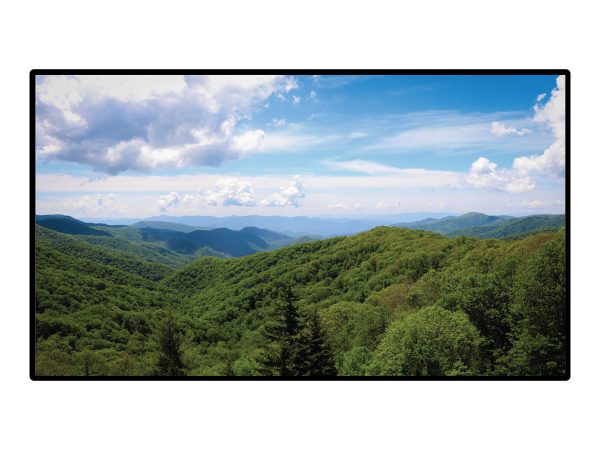
Digital signage TVs are commercial displays specifically designed for digital signage applications: showing dynamic content (advertising, information, wayfinding, menus, entertainment) in commercial environments. They differ from general commercial TVs in features and specifications tuned for signage use: longer hours of operation (24/7 typically), brighter panels for retail and hospitality lighting, portrait orientation support, integrated media players or system-on-chip (SoC) capability, and the management features that signage networks require.
Several features matter specifically in digital signage TVs. Brightness: signage TVs typically run brighter than general commercial displays (700 to 1500 nits indoor, 2500+ nits outdoor) to combat ambient light and grab attention. Hours of operation: signage TVs are typically rated for 24/7 operation, lasting much longer than consumer TVs in continuous use. Portrait orientation: signage TVs are designed for both landscape and portrait, with cooling and component layout supporting either. Integrated SoC: many signage TVs include built-in media player capability, eliminating separate external media players. Network connectivity: signage TVs include Ethernet and Wi-Fi for content delivery and remote management.
Modern signage TVs increasingly include built-in computing for content playback: the SoC inside the display runs the signage software directly, eliminating the need for an external media player. SoC signage simplifies installations significantly: one device per display location, with no external player to fail or be stolen. The trade-off is processing power: SoC players are less powerful than dedicated external media players, limiting the complexity of content. For most digital signage (still images, text, basic video), SoC capability is sufficient; for complex content (4K video, advanced animations, multi-zone displays), external media players still offer better performance.
Digital signage TVs include various connectivity options for content delivery. Ethernet for wired network content management (the most reliable). Wi-Fi for installations where running cable is impractical (some retail, temporary installations). USB ports for local content updates (legacy approach, less common in modern installations). HDMI inputs for external media players. Some include cellular options for installations without local network connectivity. For enterprise signage networks, Ethernet is the standard; for remote outdoor or mobile installations, cellular may matter.
Digital signage TVs integrate with content management systems (CMS) for centralized content control. Major CMS platforms (BrightSign, Scala, Stratacache, Navori, Signagelive) support various display manufacturers; some platforms are specific to certain display brands. The integration handles content scheduling, playlist management, live data feeds (weather, news, social media), monitoring and reporting, and remote control. The CMS is the day-to-day interface for the operators running the signage; the display itself is just the rendering endpoint.
Outdoor digital signage TVs need additional features beyond indoor models. High brightness: 2500 to 5000 nits for sunlight readability. Weather resistance: IP65 or higher rating against rain and dust, sometimes with vandal resistance. Temperature range: operating from below freezing (with built-in heaters) to high heat (with active cooling). Glare-reducing coatings to combat direct sun. Quality outdoor signage displays cost significantly more than indoor models but are essential for retail building exteriors, transportation hubs, drive-through restaurants, and outdoor public spaces.
Many digital signage installations use video walls: multiple display panels assembled into one larger display. The panels include thin or zero bezels, color uniformity across the array, video wall processing for splitting content across panels, and daisy-chain capability for content distribution. Common configurations: 2x2 (4 panels for moderate-size lobbies), 3x3 (9 panels for larger displays), 4x3 or larger for major installations. Video walls scale to very large displays (50+ panels in massive applications).
Digital signage TVs increasingly support standardized protocols for integration: HDBaseT for combined video plus control plus power over CAT cable, JEITA CL-1117 for serial control across manufacturers, DAS (Digital Display Auto-Sense) for various legacy features, and emerging IoT protocols for smart building integration. These standards reduce vendor lock-in and let installations mix displays from different manufacturers more easily.
Digital signage TVs serve retail (advertising, product information, promotional content, in-store branding, point-of-sale displays), quick-service restaurants (digital menu boards, drive-through pricing displays), hospitality (lobby information, conference schedules, wayfinding in hotels and convention centers, in-room information), corporate environments (lobby information, internal communications, conference room scheduling displays), education (cafeteria menus, event announcements, wayfinding in school campuses), transportation (airports, train stations, bus terminals with departure information and advertising), healthcare (waiting room information, wayfinding in hospitals and clinics), and any commercial environment where dynamic information or advertising matters.
Digital signage TVs have features specifically tuned for signage use: brighter panels for ambient-light environments (700 to 1500 nits indoor, much brighter than the 300 to 500 nits of typical commercial displays), 24/7 operation rating (vs. 16/7 for general commercial displays), portrait orientation support, integrated system-on-chip media playback capability, network connectivity for content delivery, and integration with content management systems. General commercial displays handle some of these features but signage displays optimize for them specifically. For dedicated signage applications, signage displays are worth the small additional cost.
A system-on-chip (SoC) signage display includes built-in computing for content playback. The SoC inside the display runs the signage software directly, eliminating the need for an external media player. The display handles content storage, scheduling, network connectivity, and rendering all in one unit. SoC displays simplify installations: one device per location with no external player to fail or be stolen. The trade-off is processing power: SoC chips are less capable than dedicated external media players, limiting the complexity of content (4K video and advanced animations may stutter on SoC players). For most digital signage (still images, text, basic video), SoC is sufficient.
Match brightness to the environment. Standard indoor environments (offices, restaurants with normal lighting): 350 to 700 nits. Bright indoor environments (retail stores with bright LED lighting, lobbies with natural light): 700 to 1500 nits. Bright window-facing displays (storefront signage seen through windows in daytime, displays near skylights): 1500 to 2500 nits. Outdoor signage in shade: 2500 to 3500 nits. Outdoor signage in direct sunlight: 3500 to 5000+ nits with specialty high-bright outdoor displays. Always specify the right brightness; too-dim signage in bright environments wastes the investment, while too-bright signage in dark spaces is uncomfortable.
Use a single display for typical signage applications: menu boards, single information displays, retail point-of-sale displays. Single displays are simpler to install, easier to maintain, and more cost-effective for the size needed. Use a video wall when you need very large display area (typically larger than 86 to 98 inches, beyond practical single-panel sizes), when the visual impact of the wall is important (large lobby walls, brand walls in retail, event venue centerpieces), or when content must be assembled across multiple panels for production reasons. Video walls require significantly more planning, installation effort, calibration, and content preparation than single displays.
Consumer TVs can work for some signage applications but have several limitations. Hours of operation: consumer TVs are rated for 8 to 12 hours daily; signage running 16+ hours per day often violates warranty and causes premature failure. Brightness: typical 300 nits is insufficient for many signage environments. No portrait orientation: consumer TVs overheat and fail when used in portrait. Limited control: no RS-232 or commercial IP control for AV system integration. Limited connectivity: typically lacks Ethernet for network content management. For occasional or temporary signage, consumer TVs may work; for serious commercial signage, professional signage displays are worth the additional cost.
Retail (the largest single segment; advertising and brand walls in stores, point-of-sale displays at checkouts, product information displays in aisles, storefront window displays), quick-service restaurants (digital menu boards, drive-through pricing displays, customer-facing content), hospitality (lobby information displays, conference schedule boards, wayfinding in hotels and convention centers, in-room information channels), corporate environments (lobby information, internal communications, conference room scheduling outside meeting rooms, employee information boards), education (cafeteria menus, event announcements, wayfinding in school campuses, athletic facility information), transportation (airports with departure information and advertising, train stations and bus terminals with arrival times), healthcare (waiting room information, wayfinding in hospitals and clinics, patient information displays), and any commercial environment where dynamic information or advertising matters.

On order over $300 and more for US and US territory

We Offer a 30-Day Money Back Guarantee

Full manufacturer's warranty and quality assurance

Safe checkout with trusted payment providers