




Start typing to see results...
Find the perfect solution
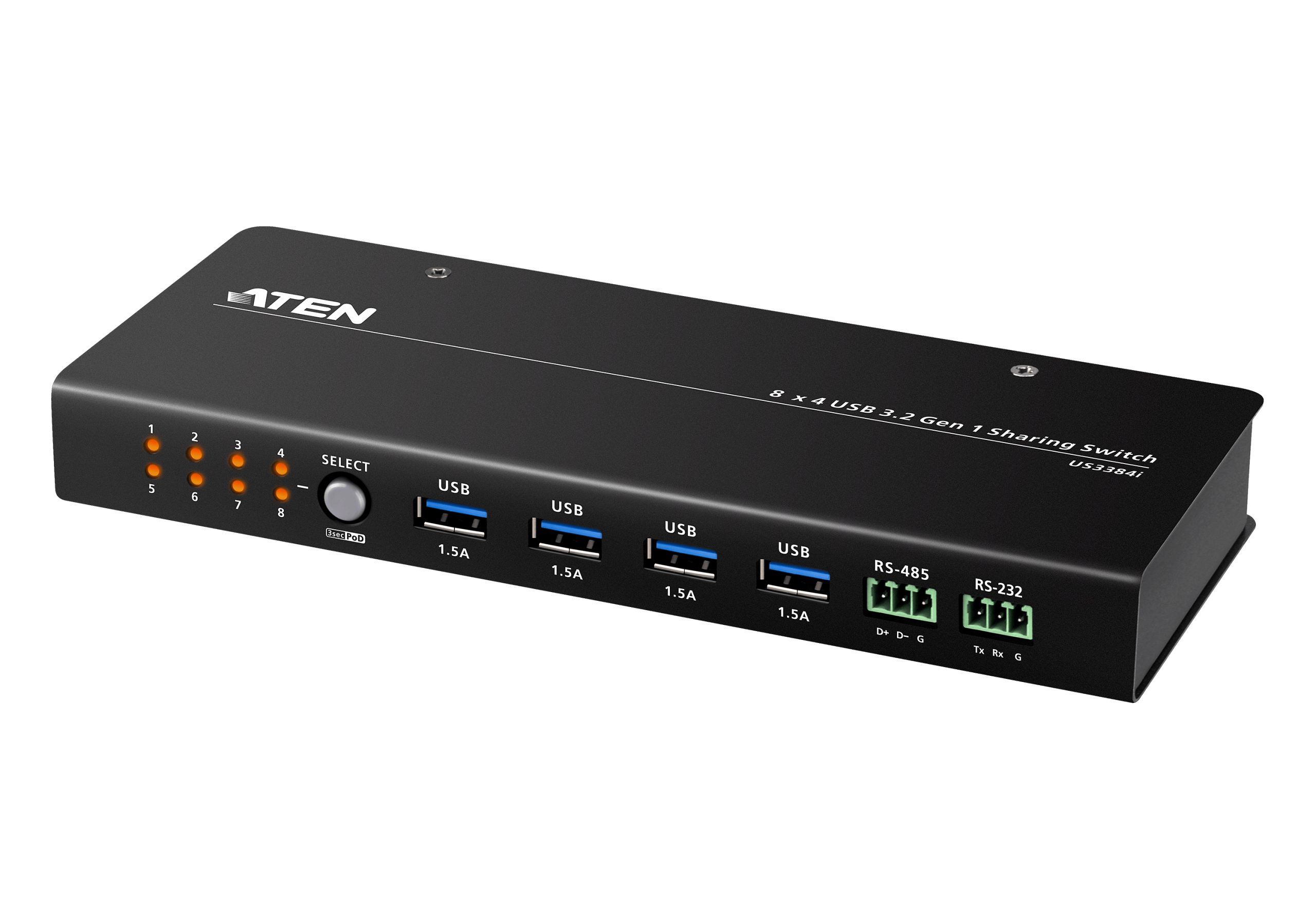
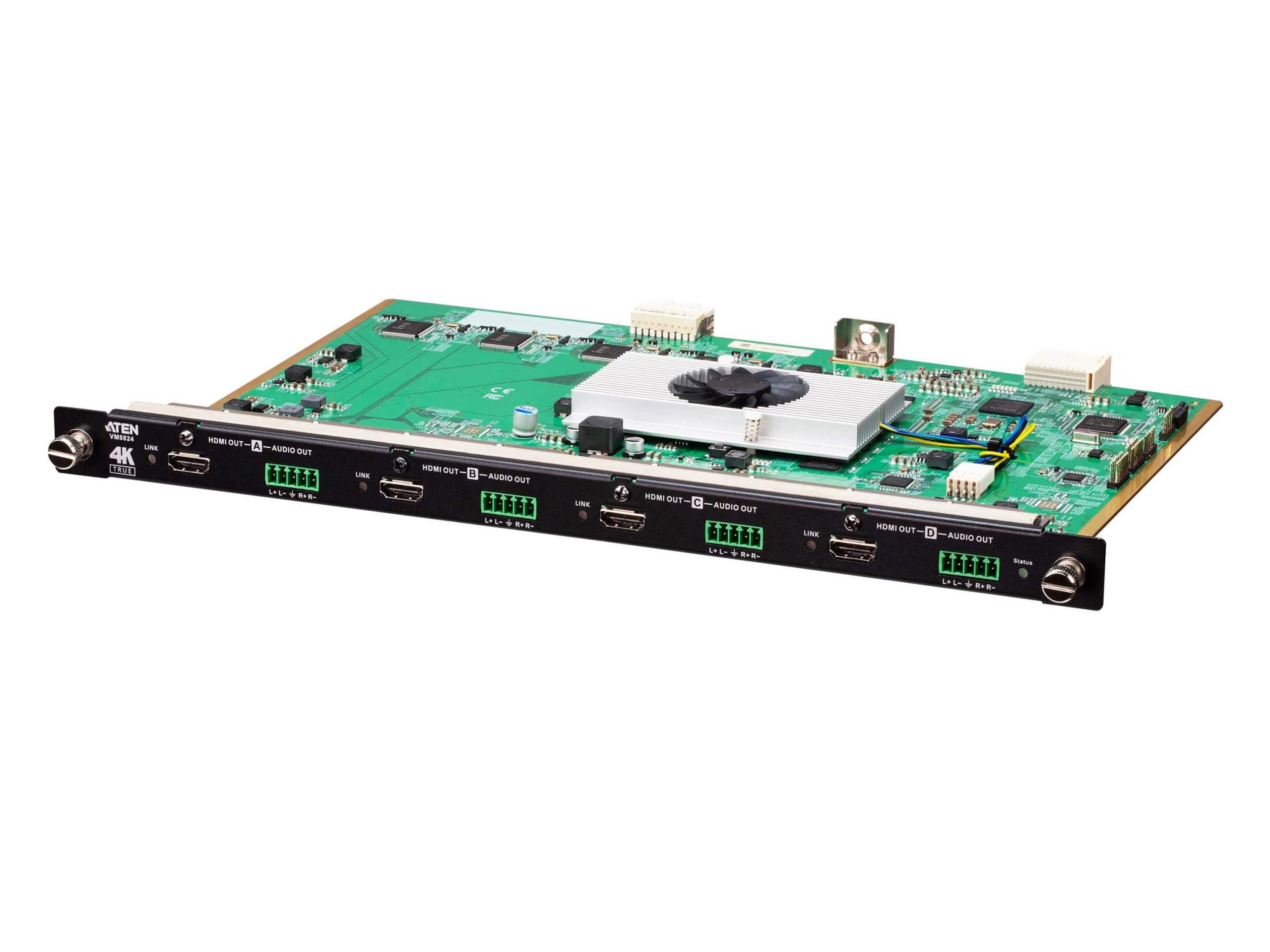
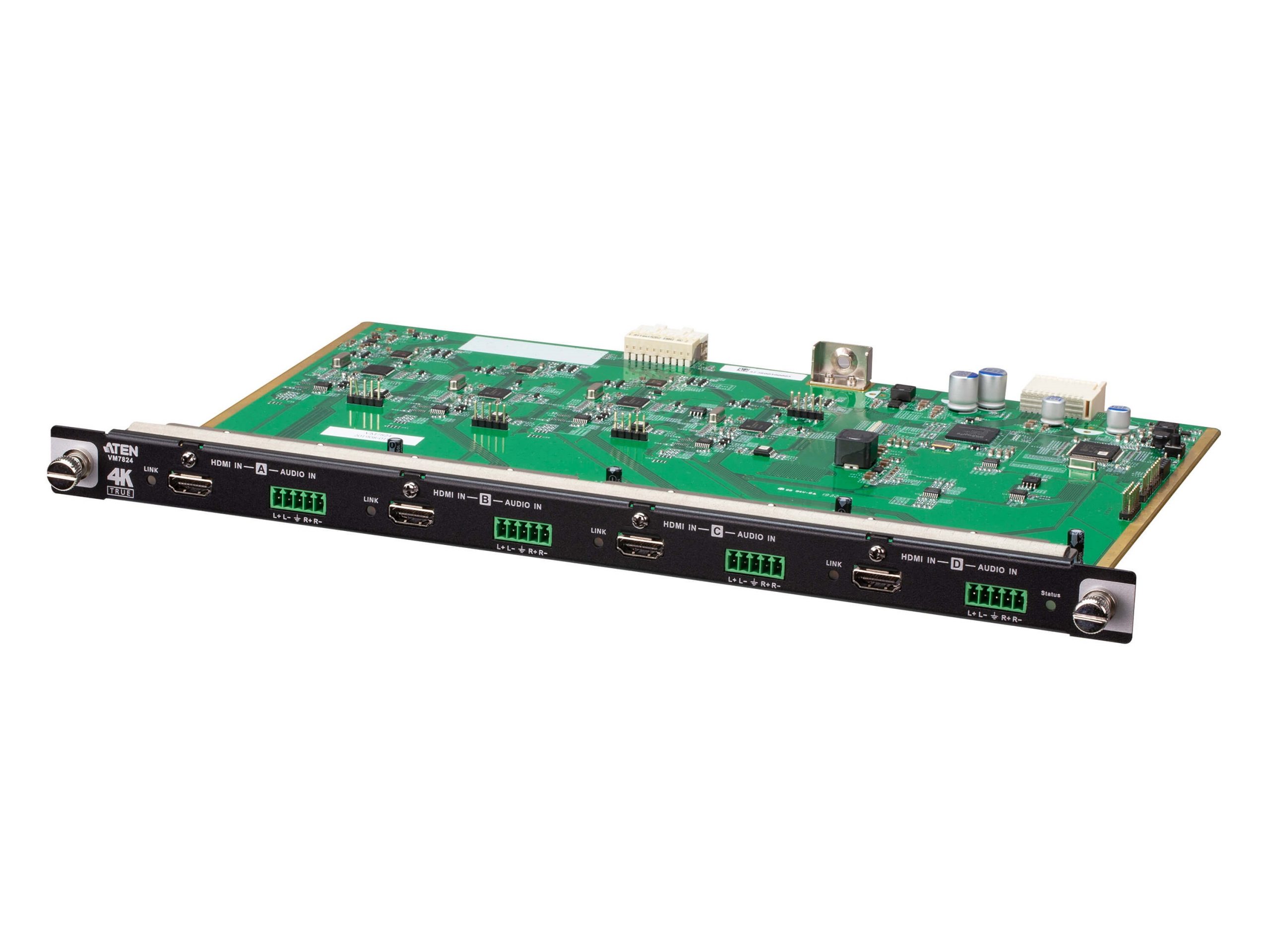
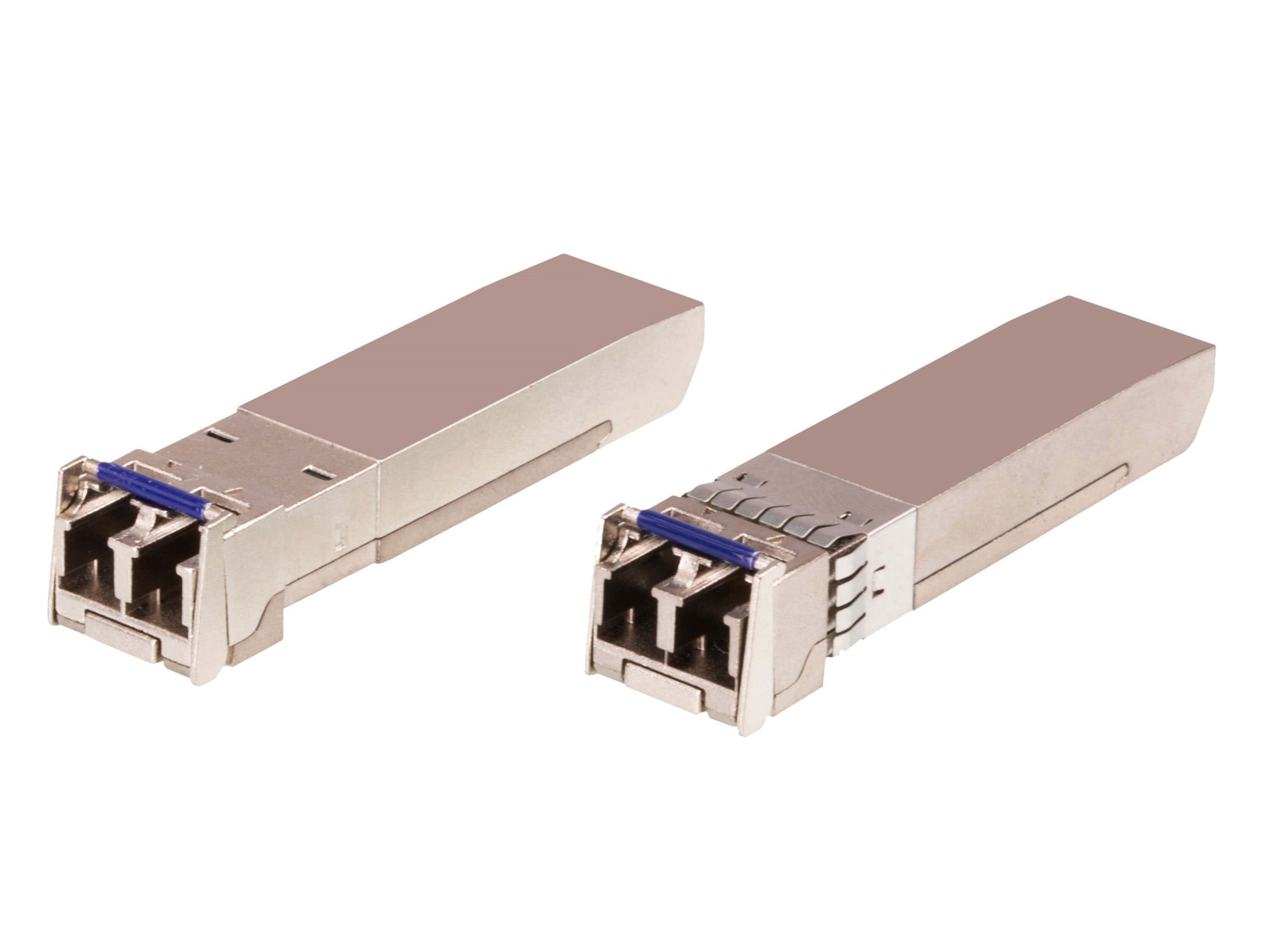
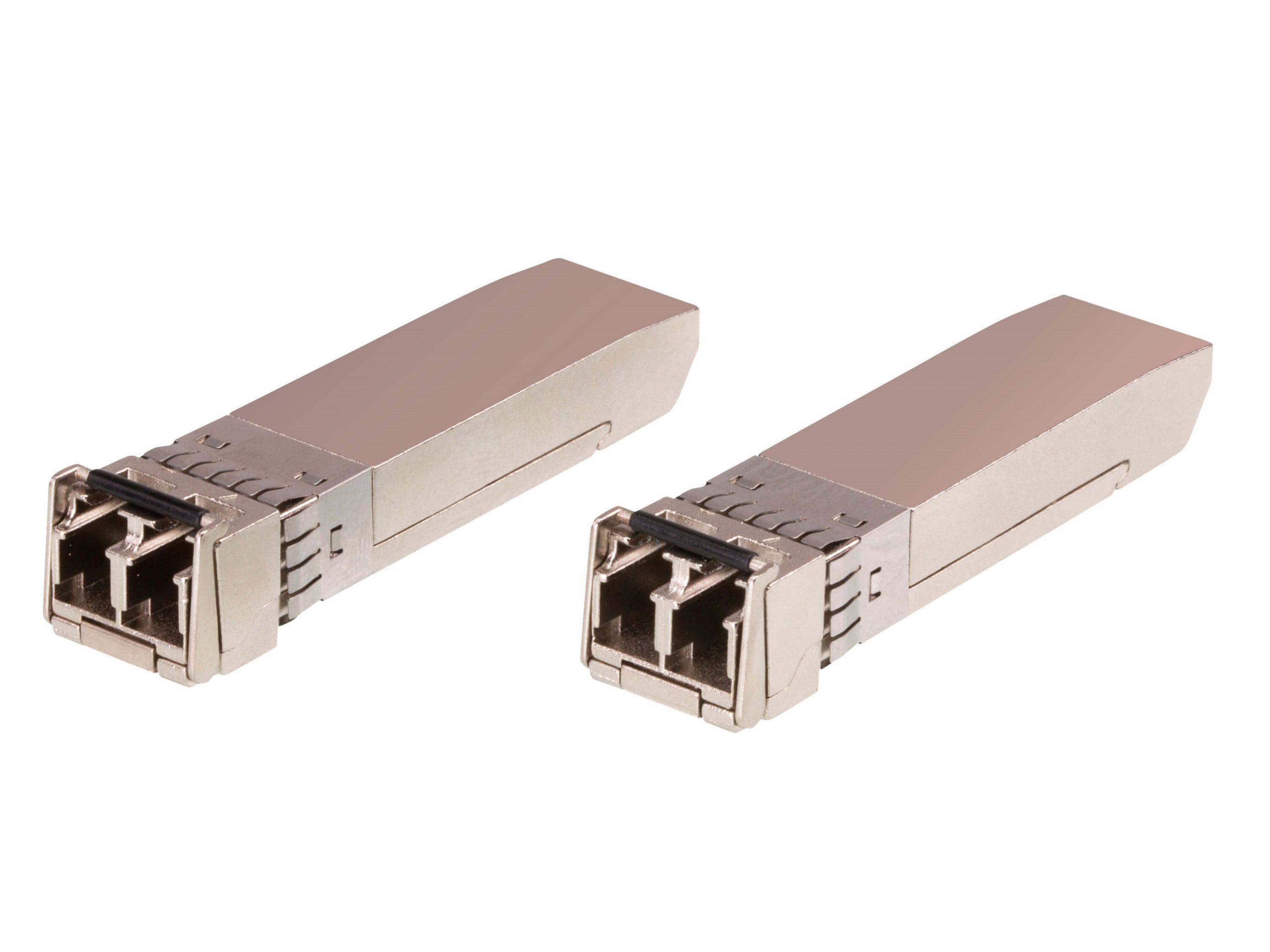
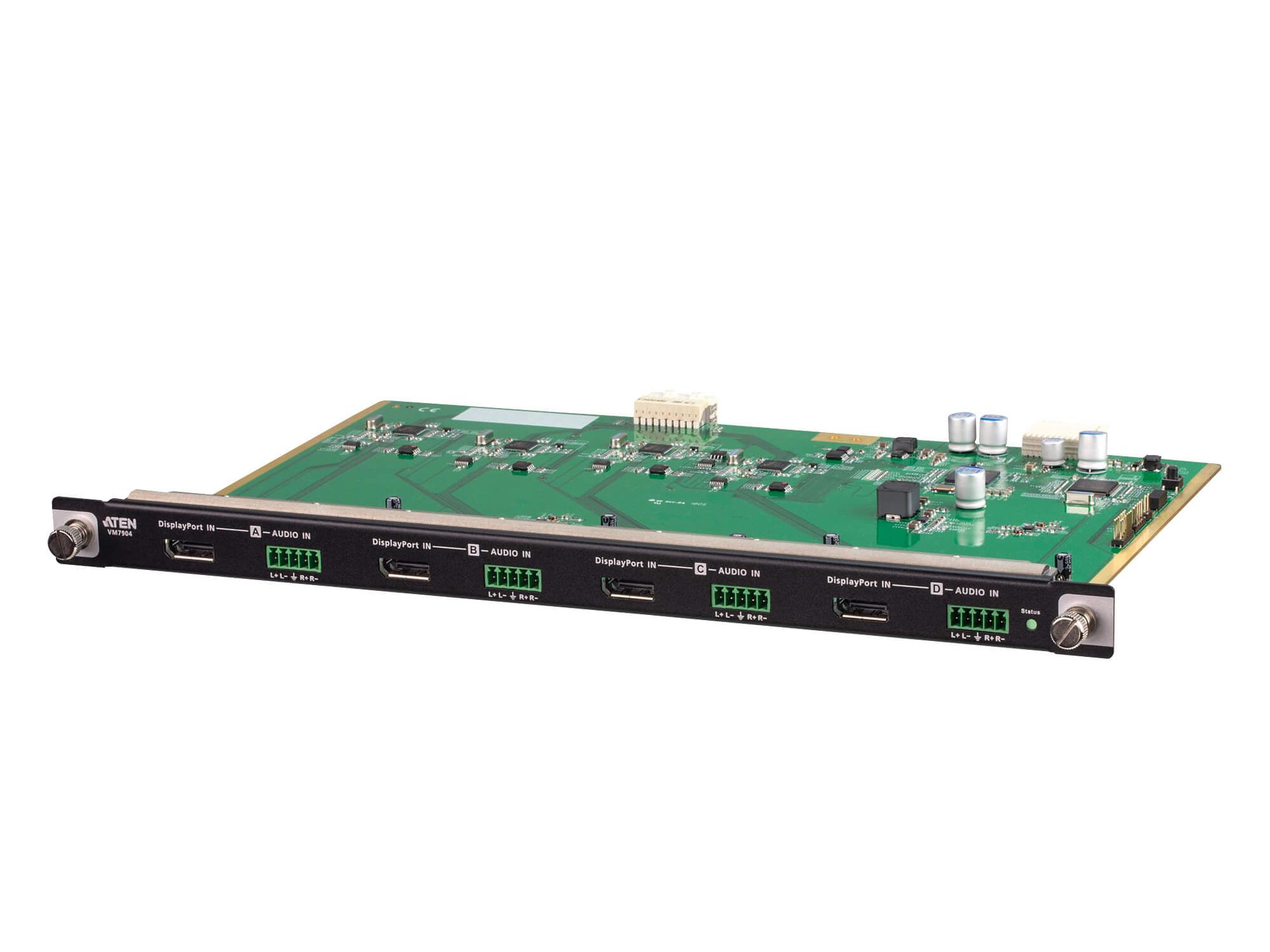
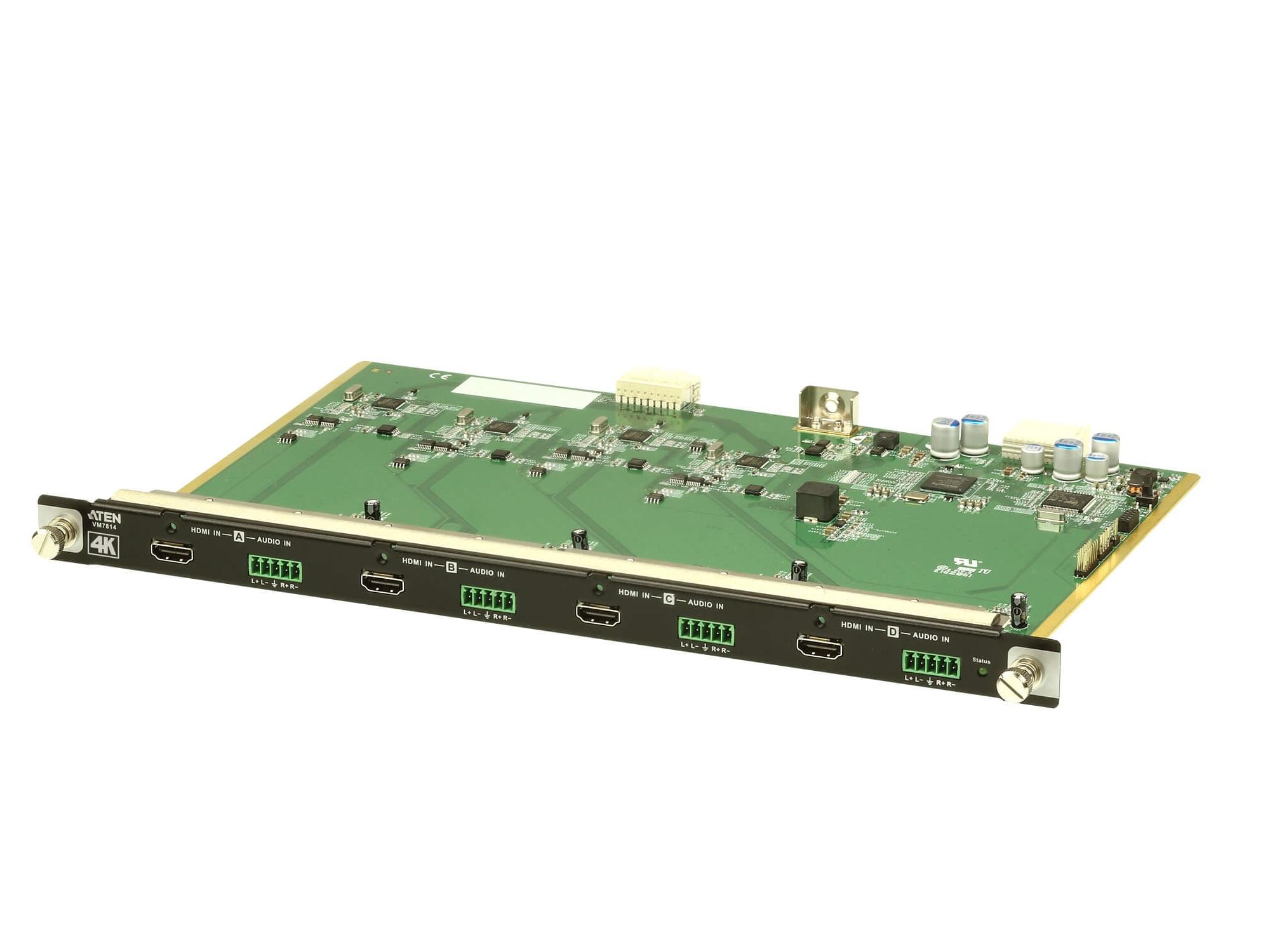
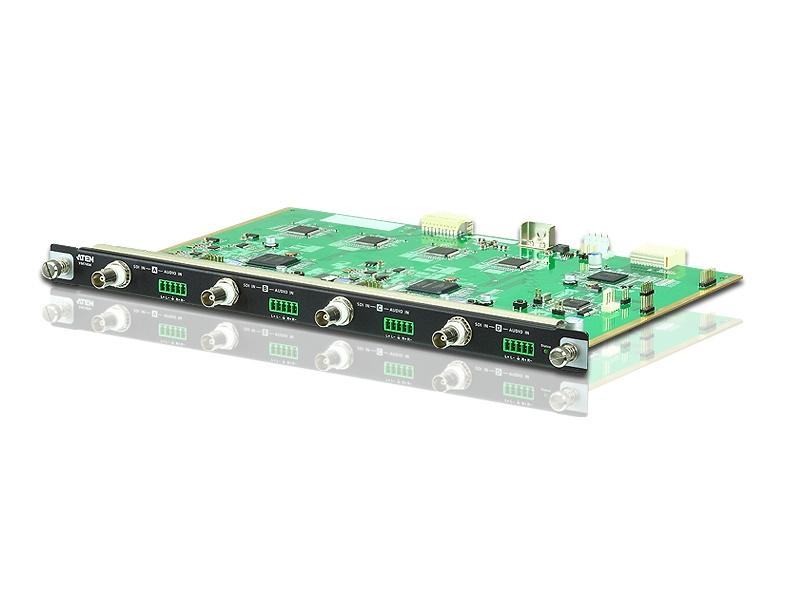
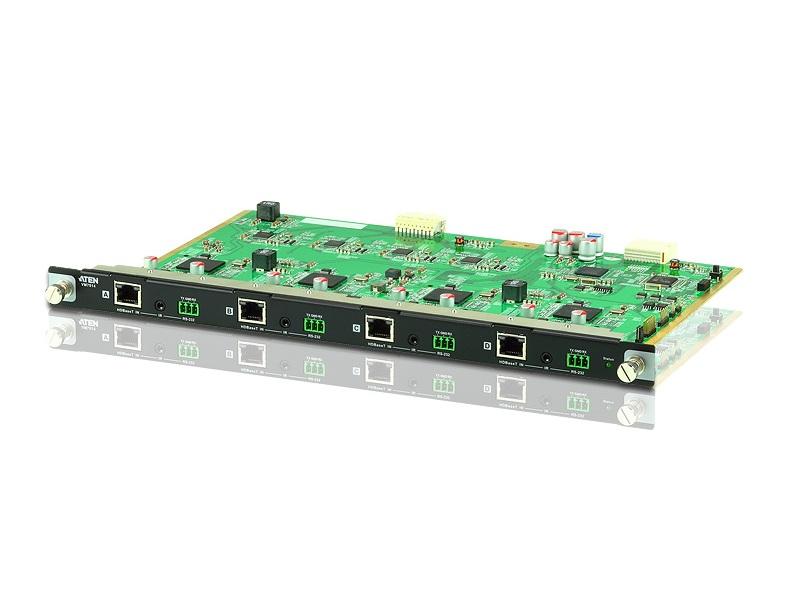
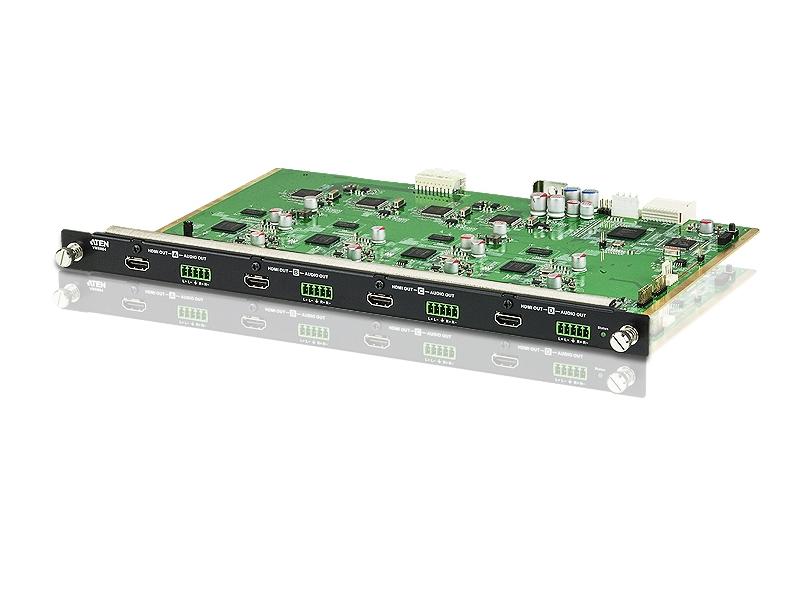
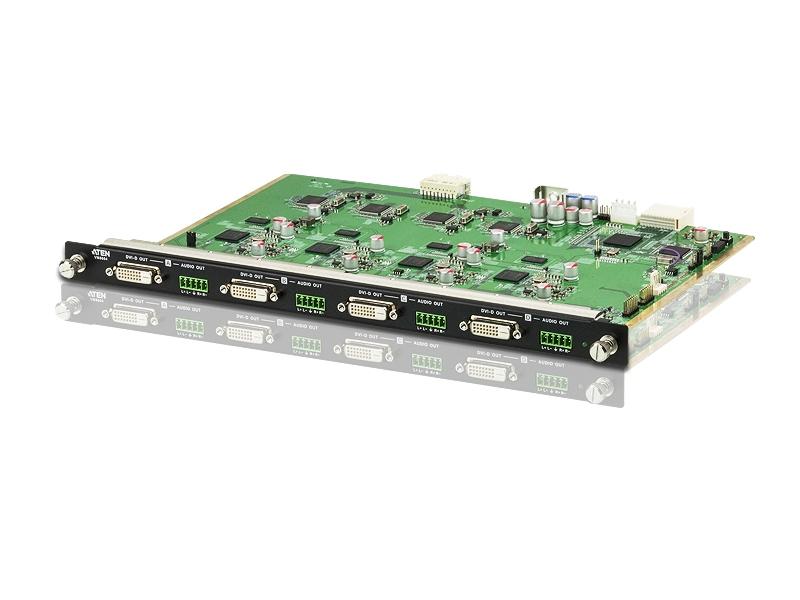
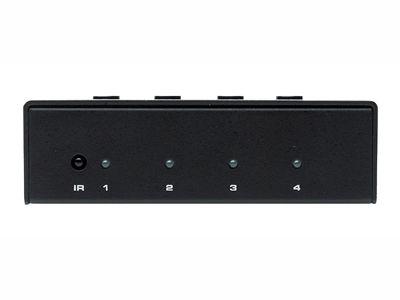
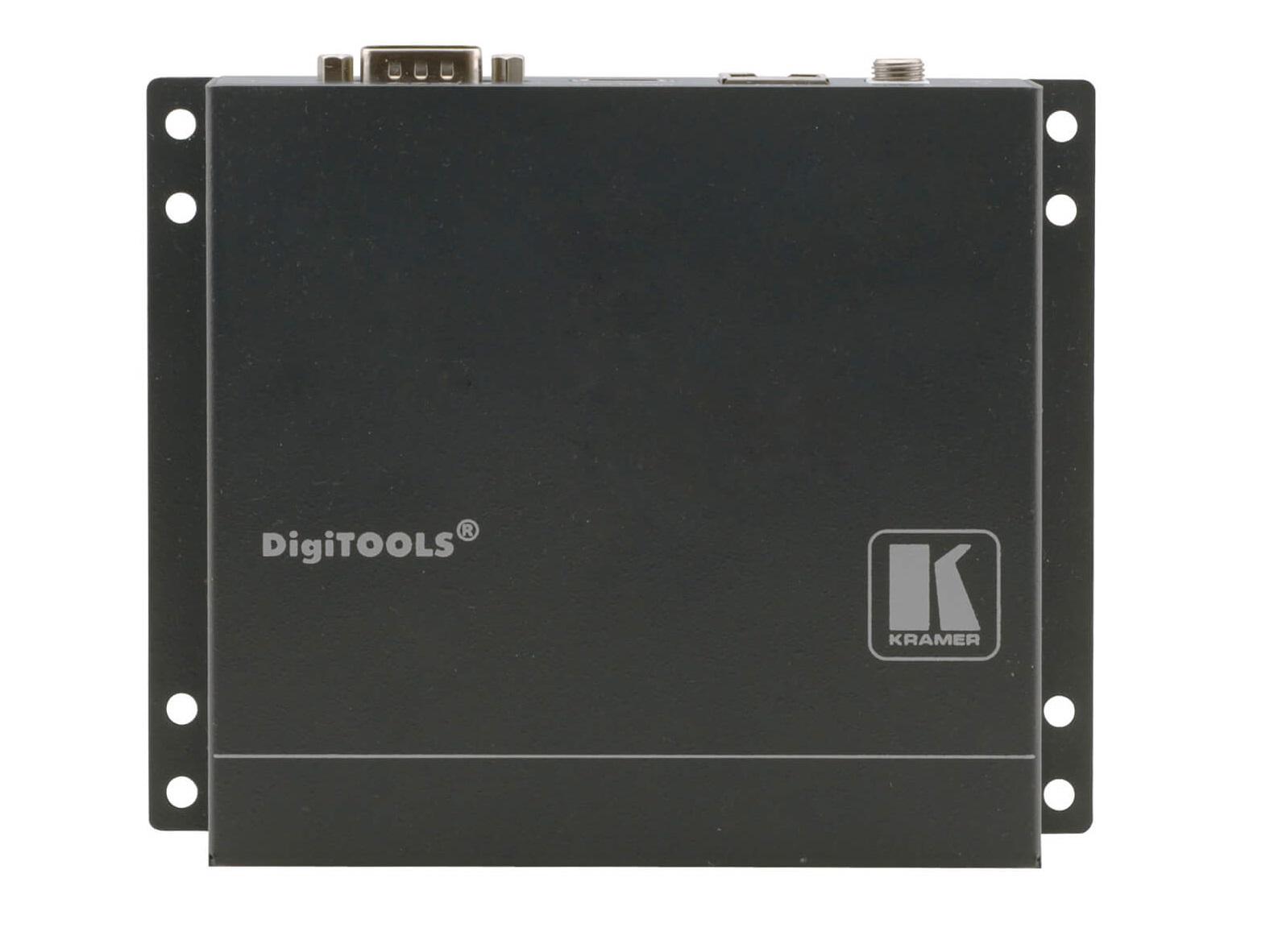
Special Switching Products groups specialty switcher products that don't fit cleanly into the main format-specific categories (HDMI, DVI, VGA, composite, SDI, audio): multi-format switchers that handle several signal types in one unit, hybrid switchers that combine signal switching with additional processing, specialty switchers for unusual signal types, switchers with built-in scaling and format conversion, and various niche products that fill specific roles in commercial AV installations.
Multi-format switchers accept various input signal types (HDMI, VGA, DVI, DisplayPort, composite, audio) at the same time and produce a unified output (typically HDMI). They are common in education and corporate AV where the room must accept whatever connection the user brings: an older laptop with VGA, a modern laptop with HDMI, a tablet with USB-C, a smartphone with HDMI dongle. The multi-format switcher's built-in scaler normalizes all sources to a single output resolution that the display accepts.
Some specialty switchers combine switching with additional functions. Switchers with built-in scalers (covered separately as a feature, common across many switcher categories). Switchers with built-in audio DSP for level matching and EQ across sources. Switchers with HDCP repeaters for handling complex protected-content chains. Switchers with built-in encoders for live streaming output. These hybrid products simplify installation by combining functions that would otherwise require separate devices in series.
HDBaseT switchers combine HDMI switching with HDBaseT extension: the switcher has HDMI inputs and HDBaseT outputs, sending the switched signal directly over CAT cable to receivers at the displays. This eliminates the need for separate extenders after the switcher, providing a clean integrated solution for installations with long cable runs. Common configurations: 4x2, 4x4, 8x4, 8x8 HDBaseT switchers. They are dominant in modern boardrooms, classrooms, and any commercial installation with displays at significant distance from the switcher.
For installations using AV-over-IP, the function of a traditional switcher is replaced by encoders, decoders, and a network. Encoders sit at each source, decoders at each display, with the network and an AV-over-IP controller acting as the matrix switcher. This architecture scales much better than traditional matrix switchers for large installations (hundreds of sources and destinations), with the additional flexibility of routing changes in software rather than physical re-cabling.
Wireless presentation switchers (Crestron AirMedia, Mersive Solstice, Barco ClickShare, AppleTV, Microsoft Wireless Display) combine wireless source selection with display output. Multiple users can connect their devices wirelessly to the switcher, with built-in switching letting one user (or the meeting controller) select which device's content displays. They are common in conference rooms because they support BYOD scenarios cleanly: any user with a laptop, tablet, or phone can present without dedicated cables.
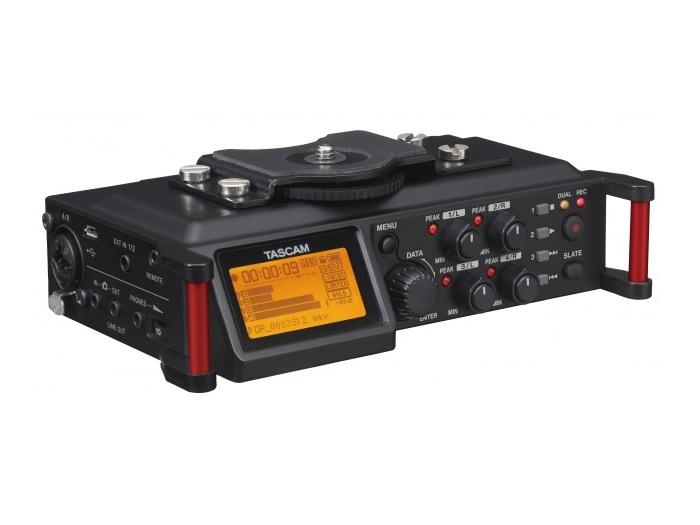
Some switchers integrate live streaming and recording: the switcher selects among inputs as usual, but the selected source is also streamed to a network destination (RTMP to YouTube, RTSP to a recorder) and optionally recorded locally. These integrated products simplify installations for streaming applications: one box does switching plus streaming plus recording instead of three separate units. Common in houses of worship, education, and small production environments.
Specialty switchers designed for video conferencing rooms combine multi-format input switching with USB camera/microphone routing to the room PC. The switcher handles both the video display side (laptop or room PC content going to the room display) and the conferencing side (room camera and microphones going to the laptop or room PC). This dual-function design simplifies BYOD conferencing rooms significantly.
Special switching products serve education (multi-format classroom switchers handling whatever the instructor brings, with built-in scaling and HDBaseT output to the projector), corporate AV (multi-format boardroom switchers, wireless presentation switchers for BYOD scenarios), houses of worship (integrated streaming and recording switchers), small production environments (combined switching plus encoding for live events), conferencing rooms (combined display and USB conferencing routing), and any installation where the standard format-specific switcher doesn't fit the specific multi-function requirements.
Specialty switcher products that don't fit the main format-specific categories: multi-format switchers (accepting HDMI, VGA, DVI, DisplayPort, audio, etc. in one unit with unified output), HDBaseT switchers (combining switching with built-in HDBaseT extension), AV-over-IP encoder/decoder systems (replacing traditional matrix switching with network-based routing), wireless presentation switchers (Crestron AirMedia, Mersive Solstice, ClickShare), streaming and recording switchers (integrated switching plus live streaming and local recording), conferencing room switchers (combined display and USB routing for video conferencing rooms), and various niche products with specialty features.
A multi-format switcher accepts various input signal types (HDMI, VGA, DVI, DisplayPort, composite, audio) at the same time and produces a unified output (typically HDMI). Multi-format switchers are useful in installations that must accept whatever connection users bring: classrooms (older laptops with VGA, modern laptops with HDMI, tablets with USB-C, smartphones with HDMI dongles), corporate training rooms with mixed-vintage equipment, and any room where the user's device is unknown until they arrive. The built-in scaler normalizes all sources to one output resolution.
Choose an HDBaseT switcher when the displays are far from the switcher (over about 25 feet, where standard HDMI cable starts to have issues). The HDBaseT switcher has HDMI inputs at the source side and HDBaseT (CAT cable) outputs to the displays, eliminating the need for separate HDMI-to-HDBaseT extenders after the switcher. Choose a regular HDMI switcher when the displays are close enough for direct HDMI cabling. HDBaseT switchers cost more but simplify long-run installations significantly: one integrated box does the work of a switcher plus multiple extender pairs.
Choose AV-over-IP when the installation has many sources and destinations (typically 16+ each, especially when scattered across a large building or campus), when the network infrastructure already exists or is being installed (saving the cost of dedicated AV cable), and when flexibility matters (routing changes happen in software rather than physical re-cabling). Choose traditional matrix switching for smaller installations (under 16 inputs and outputs), when low latency is critical, when budget is tight, or when the venue lacks the network infrastructure for AV-over-IP. Both architectures coexist in many commercial installations.
A wireless presentation switcher combines wireless source receiving with display output. Multiple users connect their devices wirelessly (laptop, tablet, phone) to the switcher, and built-in switching lets one user (or the meeting facilitator) select which device's content displays. Common products: Crestron AirMedia, Mersive Solstice, Barco ClickShare, AppleTV with AirPlay, Microsoft Wireless Display. They are common in conference rooms because they support BYOD scenarios cleanly: any user can present without dedicated cables and without learning a specific room AV system.
Education (multi-format classroom switchers handling whatever the instructor brings, with built-in scaling and HDBaseT output to ceiling projectors), corporate AV (multi-format boardroom switchers for mixed-generation BYOD scenarios, wireless presentation switchers for flexible meeting rooms), houses of worship (integrated streaming and recording switchers combining live production with online broadcast), small production environments (combined switching plus encoding for streaming live events), conferencing rooms (combined display and USB conferencing routing for hybrid meetings), digital signage with PC-based media (multi-format switchers feeding signage displays), and any installation where specialty switching functions matter more than the basic single-format switching.

On order over $300 and more for US and US territory

We Offer a 30-Day Money Back Guarantee

Full manufacturer's warranty and quality assurance

Safe checkout with trusted payment providers