




Start typing to see results...
Find the perfect solution
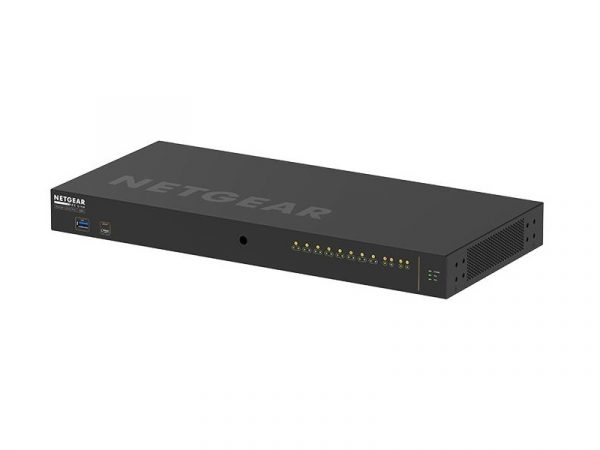
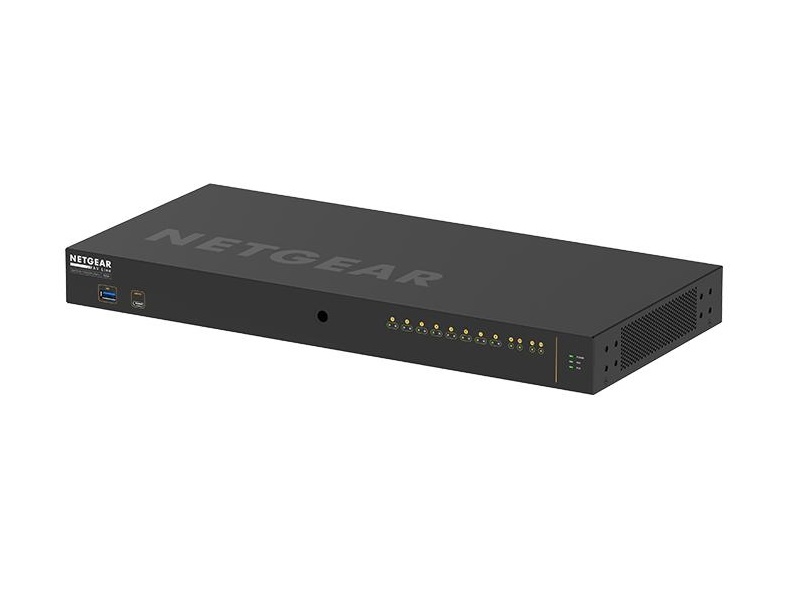
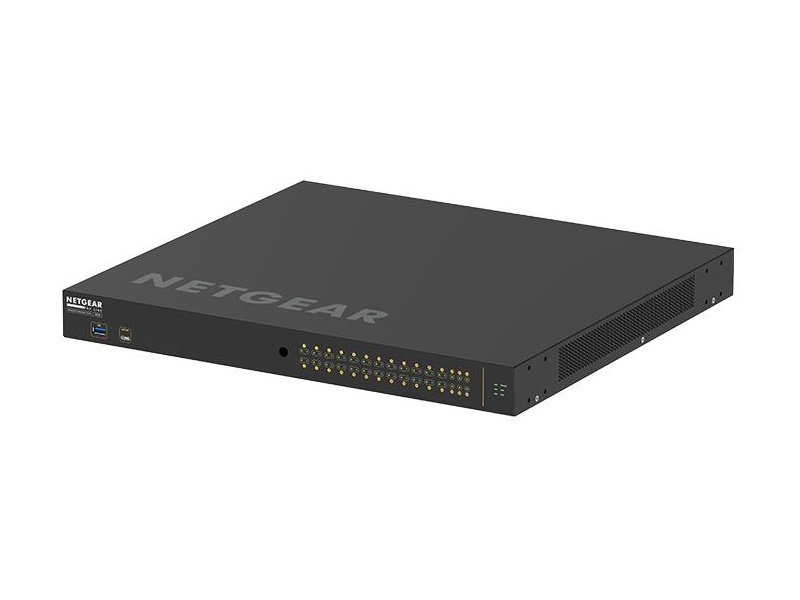
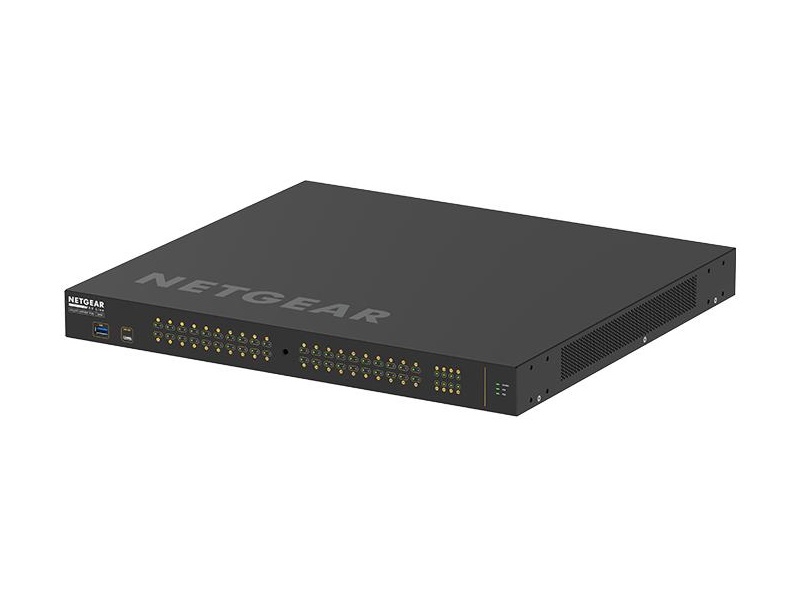
Network switchers in AV refer to Ethernet network switches used in AV-over-IP installations and AV control networks. They handle the network traffic that modern AV depends on: AV-over-IP video and audio streams, control system communications, IP-based device management, IP cameras, and the various IP-based AV technologies that have largely replaced traditional point-to-point AV cabling. While network switches are IT equipment fundamentally, AV-specific requirements distinguish AV network switches from generic IT network switches.
AV-over-IP places specific demands on network switches. Bandwidth: AV-over-IP video streams use 100 Mbps to 1 Gbps per stream depending on resolution and compression, with multi-channel installations requiring substantial total bandwidth. Multicast: many AV-over-IP protocols use multicast for one-to-many distribution, requiring switches with proper IGMP snooping support. Quality of Service (QoS): AV traffic must be prioritized over general data traffic to prevent jitter and dropouts. Low latency: AV-over-IP latency adds to the total system latency, so the switch must have minimal forwarding delay. Modern Layer 2 and Layer 3 managed switches with these features serve AV-over-IP well.
Power over Ethernet (PoE) capability in network switches powers connected AV equipment: IP cameras, IP phones, wireless access points, AV-over-IP decoders, and other PoE-capable AV devices. PoE classes determine power available: PoE (15.4W), PoE+ (30W), PoE++ (60W or 90W). PoE-capable switches in AV installations significantly simplify installation by eliminating separate power runs to remote devices. Always verify the switch's total PoE budget (the maximum power across all PoE ports combined) against the total connected device requirements.
Unmanaged switches are simple plug-and-play devices: connect cables and traffic flows automatically. They serve basic AV installations with limited features. Managed switches allow configuration: VLAN isolation (separating AV traffic from data traffic), QoS prioritization (giving AV traffic priority over general data), IGMP snooping (handling multicast properly), port mirroring (for troubleshooting), and remote monitoring. For any serious AV-over-IP installation, managed switches are essential. Some installations use Layer 3 switches with routing capabilities for inter-VLAN traffic and integration with larger network infrastructure.
VLAN (Virtual Local Area Network) isolation separates AV traffic from general IT traffic on the same physical network infrastructure. The AV-over-IP system runs on a dedicated VLAN that doesn't share bandwidth with email, web browsing, file sharing, or other general data traffic. This prevents general data spikes from causing AV streams to drop, and prevents AV streams from saturating the network during peak production periods. Modern enterprise AV installations almost always use VLAN isolation.
Multicast is essential to many AV-over-IP protocols because it efficiently distributes one stream to many receivers without duplicating bandwidth for each receiver. However, multicast can flood networks if not properly handled. IGMP snooping (Internet Group Management Protocol) on managed switches restricts multicast traffic to only the ports that have subscribed receivers, preventing network flooding. Without IGMP snooping, multicast traffic floods all ports, saturating the network. For AV-over-IP installations using multicast (most), IGMP snooping is essential.
4K AV-over-IP video streams may exceed 1 Gbps per stream for high-quality content. For installations distributing many 4K streams, 10 GbE infrastructure provides the bandwidth needed. Modern AV-over-IP encoders, decoders, and switches increasingly support 10 GbE for 4K applications. For installations planning future 4K expansion, 10 GbE-capable infrastructure is worth the investment over standard 1 GbE.
Some manufacturers (NetGear M4250, Cisco Catalyst, Aruba, etc.) market AV-specific managed switches with built-in configurations for common AV-over-IP protocols (Dante audio, AV-over-IP video standards like SDVoE and NDI). These pre-configured switches reduce the IT expertise needed to deploy AV-over-IP successfully. For installers without strong network expertise, AV-specific switches with vendor-supported configurations significantly simplify deployments.
Network switches serve AV-over-IP installations (the primary application; every encoder, decoder, and control device connects to the network switch), security camera installations (IP cameras with PoE power and network connectivity), houses of worship (network-based audio with Dante, network-based control systems, IP cameras for streaming), broadcast facilities (modern broadcast infrastructure with networked audio, control, and increasingly video), corporate AV (control systems, IP audio, networked digital signage), education (modern classroom AV with networked components), and any modern commercial AV installation where IP networking is part of the infrastructure.
AV traffic has specific requirements that general data traffic doesn't: bandwidth (AV streams use 100 Mbps to multiple Gbps), low latency (AV-over-IP delay adds to total system latency), multicast support (efficient one-to-many distribution with proper IGMP snooping), QoS prioritization (AV must take priority over general data to prevent dropouts), and VLAN isolation (separating AV from data traffic for predictable performance). Standard unmanaged consumer or office switches don't handle these requirements well, leading to AV streams dropping out, audio glitches, and video pixelation. Managed AV-aware switches are essential for serious AV-over-IP installations.
For any serious AV-over-IP installation, managed switches are essential. Managed switches allow configuration of VLANs (isolating AV from general data), QoS (prioritizing AV traffic), IGMP snooping (handling multicast properly), and many other features that AV-over-IP needs. Unmanaged switches are sufficient only for very simple installations with one or two AV devices and no multicast or QoS needs. The cost difference between managed and unmanaged switches is small compared to the operational benefit: managed switches let the AV-over-IP system run reliably.
IGMP snooping is a feature on managed switches that intelligently forwards multicast traffic only to the ports that have subscribed receivers. Many AV-over-IP protocols use multicast for efficient one-to-many distribution (one encoder feeds many decoders). Without IGMP snooping, multicast traffic floods all switch ports, saturating bandwidth and potentially crashing the network. With IGMP snooping, multicast goes only where needed. For AV-over-IP installations using multicast (most), IGMP snooping is essential. Always enable IGMP snooping on switches in AV-over-IP networks.
Add up the power consumption of all PoE devices you plan to connect, with margin for safety and future additions. Common consumptions: IP cameras (5 to 25W depending on model and features), IP phones (5 to 15W), wireless access points (15 to 30W for newer Wi-Fi 6 models), PoE-powered AV-over-IP decoders (10 to 30W). For a typical commercial AV installation with 16 IP cameras (averaging 15W each), 8 IP phones (averaging 10W each), and 4 access points (averaging 25W each): total about 420W plus margin, so a switch with 500+ W PoE budget. Always verify the switch's PoE budget against actual device requirements.
For 1080p AV-over-IP video distribution, standard 1 GbE infrastructure is sufficient: each stream uses about 100 to 500 Mbps depending on compression. For 4K AV-over-IP video distribution with multiple streams or high-quality encoding, 10 GbE provides the bandwidth needed: 4K streams may exceed 1 Gbps each. For installations planning future 4K expansion, 10 GbE-capable infrastructure is worth the investment. For installations limited to 1080p and basic 4K with modest compression, 1 GbE remains adequate. Modern AV-over-IP equipment increasingly supports both 1 GbE and 10 GbE depending on the model.
AV-over-IP installations (the primary application; every encoder, decoder, and control device connects to network switches, with managed switches and VLAN isolation as the standard architecture), security camera installations (IP cameras connect to PoE-capable network switches throughout the facility), houses of worship (network-based audio with Dante, network-based control systems, IP cameras for streaming, often on dedicated VLANs), broadcast facilities (modern broadcast infrastructure with networked audio, control, and increasingly networked video like SMPTE 2110), corporate AV (control systems, IP audio, networked digital signage, video conferencing with cloud connectivity), education (modern classroom AV with networked components, lecture capture, hybrid learning infrastructure), and any modern commercial AV installation.

On order over $300 and more for US and US territory

We Offer a 30-Day Money Back Guarantee

Full manufacturer's warranty and quality assurance

Safe checkout with trusted payment providers