




Start typing to see results...
Find the perfect solution
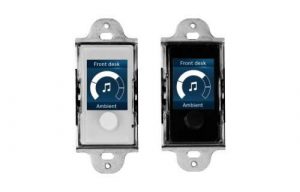
Wall plates provide clean professional cable termination at user-accessible locations, replacing dangling cables with permanent connectors mounted in standard electrical wall boxes. They are essential in any commercial AV installation where users need to connect their devices: conference rooms (HDMI and USB at the table or wall for presenter laptops), classrooms (instructor connections at the podium or front wall), hospitality (in-room AV connections for guest devices), digital signage and kiosk installations, and any installation where the look matters and connections must be reliable.
Several types of wall plates serve different needs. Keystone wall plates accept modular keystone jacks (HDMI, USB, network, audio, etc.) that snap into the plate, allowing customizable connector mixes. Pre-configured wall plates have fixed connector arrangements matched to specific applications (an HDMI plus USB plate for conferencing, an HDMI plus VGA plus audio plate for classrooms). Active wall plates include electronics (HDBaseT transmitters, switchers, or scalers) that process the signal before sending it through the wall. Decorative or designer plates match specific architectural aesthetics.
Keystone modules are the standardized snap-in connectors used in keystone wall plates. Common keystones include HDMI (passing video and audio through the plate), USB (charging, peripheral connection), network RJ45 (data network drops), audio 3.5 mm or RCA (analog audio connections), VGA (legacy video), DisplayPort, and many specialty types. The keystone standard lets installers customize wall plate connector mixes to match specific room needs, replacing keystones as the installation changes.
Wall plates fit in standard electrical wall box sizes. Single-gang plates fit in standard single boxes (about 2.75 inches wide by 4.5 inches tall), suitable for one to three connectors. Multi-gang plates (2-gang, 3-gang, 4-gang) fit in larger boxes, accommodating more connectors for installations with many simultaneous connections. Always match the plate size to the wall box installed during construction; retrofitting a larger box into an existing wall is significant work.
Active HDBaseT wall plates include built-in HDBaseT transmitters that take HDMI input from the wall plate, convert to HDBaseT, and send it over CAT cable to a receiver near the display. This eliminates the need for a separate transmitter box behind the wall plate, providing a clean single-unit solution for boardroom and classroom installations. Some active wall plates include additional features: built-in switchers (HDMI plus VGA inputs combined), scalers (handling different source resolutions), and control signaling for room automation.
Beyond traditional wall plates, similar concepts apply to tabletop installations. Cable cubbies and pop-up boxes (covered in detail in the Table Mounts category) provide the same connections at the table rather than the wall. The same keystone modules and connectors work in both wall and table form factors. For complete installations, both wall plates and table cubbies typically combine, with each location serving different connection needs.
Wall plates come in various materials and finishes to match architectural aesthetics: standard plastic plates (typically white, ivory, or black for commercial installations), brushed aluminum for premium and modern designs, brushed stainless steel for industrial and high-end installations, and various decorative finishes. For boardrooms and executive spaces, the wall plate finish often matches other room elements (door hardware, light switches) for a coordinated look.
Wall plates are essential in every commercial AV installation: conference rooms and boardrooms (HDMI and USB at the table or wall for laptop connections), classrooms (instructor connections at the podium or front wall, student device connections at desks for BYOD), hospitality (in-room AV connections for guest devices, lobby AV in hotels and convention centers), retail and digital signage (back-of-house connections for media players and signage configuration), houses of worship (platform connections, control booth connections), corporate offices (employee workstation AV connections), and residential AV (entertainment room connections, kitchen TV connections, outdoor patio AV).
A wall plate provides permanent professional cable termination at user-accessible locations, mounting in standard electrical wall boxes. Instead of having a cable dangling out of a wall or hanging from the back of a display, the wall plate presents a clean connector face at the wall with the cable routing through the wall behind it. You need wall plates in every commercial AV installation where users need to connect devices: conference rooms, classrooms, hospitality rooms, lobbies, and anywhere the appearance and reliability of connections matter to the room's professional look.
A keystone module is a standardized snap-in connector that fits into a keystone wall plate or patch panel. Different keystone types serve different signals: HDMI, USB-A and USB-C, RJ45 network, audio 3.5 mm or RCA, VGA, DisplayPort, and many specialty types. The keystone standard lets installers mix and match connector types in the same wall plate, customizing the connector layout to match each room's specific needs. Keystone wall plates are more flexible than pre-configured plates with fixed connectors.
An active HDBaseT wall plate has built-in HDBaseT transmitter electronics. The user connects a laptop or device to the HDMI port on the wall plate, and the active electronics convert the HDMI signal to HDBaseT for transmission over CAT cable to a receiver near the display. This eliminates the need for a separate transmitter box behind the wall plate, providing a clean integrated solution. Active wall plates are common in boardrooms, classrooms, and any installation where a clean professional look matters and the source connection is at the wall rather than a table.
Wall plates serve installations where the user connects at the wall: classrooms with the instructor connecting at the front of the room, conference rooms with the presenter at a wall-mounted display, lobbies with media player connections. Cable cubbies (covered in the Table Mounts category) serve installations where the user connects at the table: most modern conference rooms have laptops on the table needing convenient table-top connections. Many installations use both: wall plates for wall-mounted equipment and cable cubbies for table-top connections.
Yes, but with significant work. Retrofitting requires cutting an opening in the wall, installing an electrical wall box (or "old work" box that mounts directly to drywall without a stud), routing cables through the wall to the location, and terminating cables at the keystone connectors. For walls without existing AV cable, the cable run is the major work. Surface-mount wall plate enclosures (mounted on the wall surface rather than recessed into it) avoid cutting the wall but are less elegant. Plan wall plate locations during construction or major renovations when possible.
Every commercial AV installation needs wall plates: conference rooms and boardrooms (HDMI and USB at the wall for presenter laptops, sometimes with active HDBaseT for clean single-cable runs to displays), classrooms (instructor connections at the podium or front wall, student device connections at desks for BYOD), hospitality (in-room AV connections for guest devices, lobby AV in hotels and convention centers), retail and digital signage (back-of-house connections for media players and signage configuration), houses of worship (platform connections at the front, control booth connections), corporate offices (employee workstation AV connections, lobby information displays), and residential AV (entertainment room connections, kitchen and outdoor TV connections).

On order over $300 and more for US and US territory

We Offer a 30-Day Money Back Guarantee

Full manufacturer's warranty and quality assurance

Safe checkout with trusted payment providers