




Start typing to see results...
Find the perfect solution

Although Avprosupply has the legal right to set our own prices, some manufacturers place restrictions on how those prices may be advertised. This is why you may sometimes see requests like “add to cart for price”, “click here for price”, or “call for price”.
Specific actions required may vary based on the manufacturer's minimum advertised price policy. We'd love to show you our lowest price, quite simply, at the earliest possible time while shopping, but in these circumstances the manufacturers don't allow it. We realize this is an inconvenience and apologize. By ensuring we follow manufacturer advertising guidelines, Avprosupply is able to offer the very best pricing and value to our customers.

Although Avprosupply has the legal right to set our own prices, some manufacturers place restrictions on how those prices may be advertised. This is why you may sometimes see requests like “add to cart for price”, “click here for price”, or “call for price”.
Specific actions required may vary based on the manufacturer's minimum advertised price policy. We'd love to show you our lowest price, quite simply, at the earliest possible time while shopping, but in these circumstances the manufacturers don't allow it. We realize this is an inconvenience and apologize. By ensuring we follow manufacturer advertising guidelines, Avprosupply is able to offer the very best pricing and value to our customers.
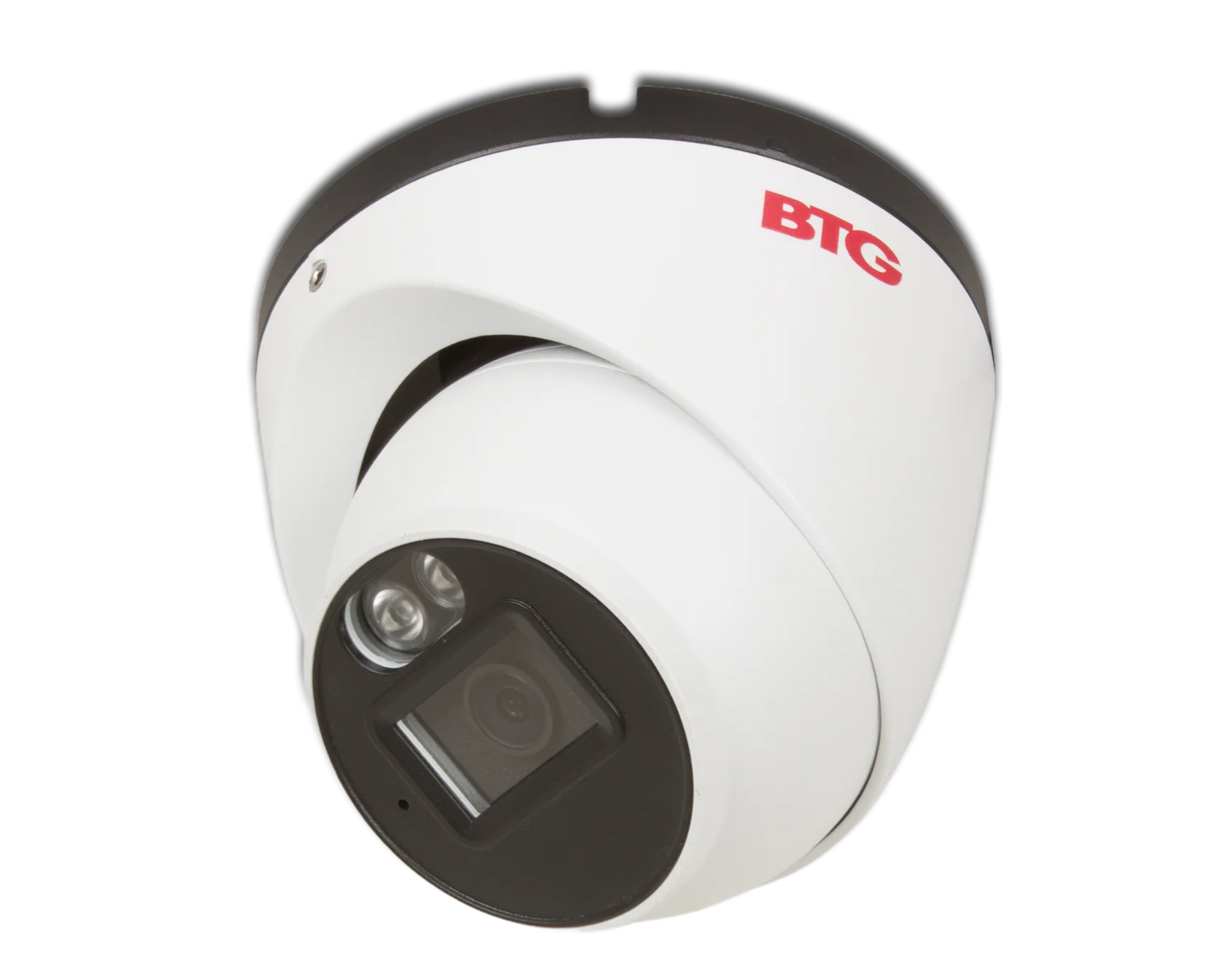
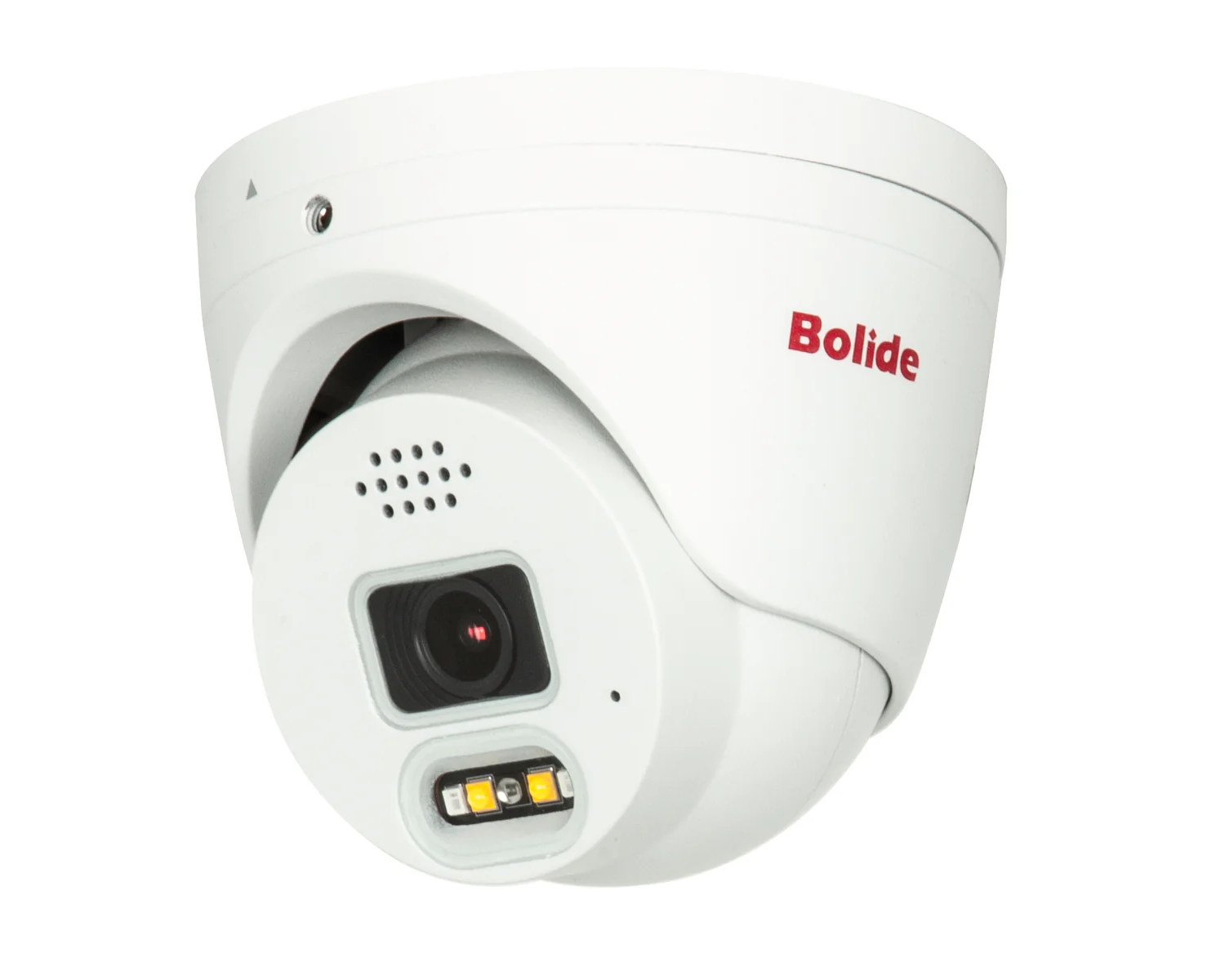
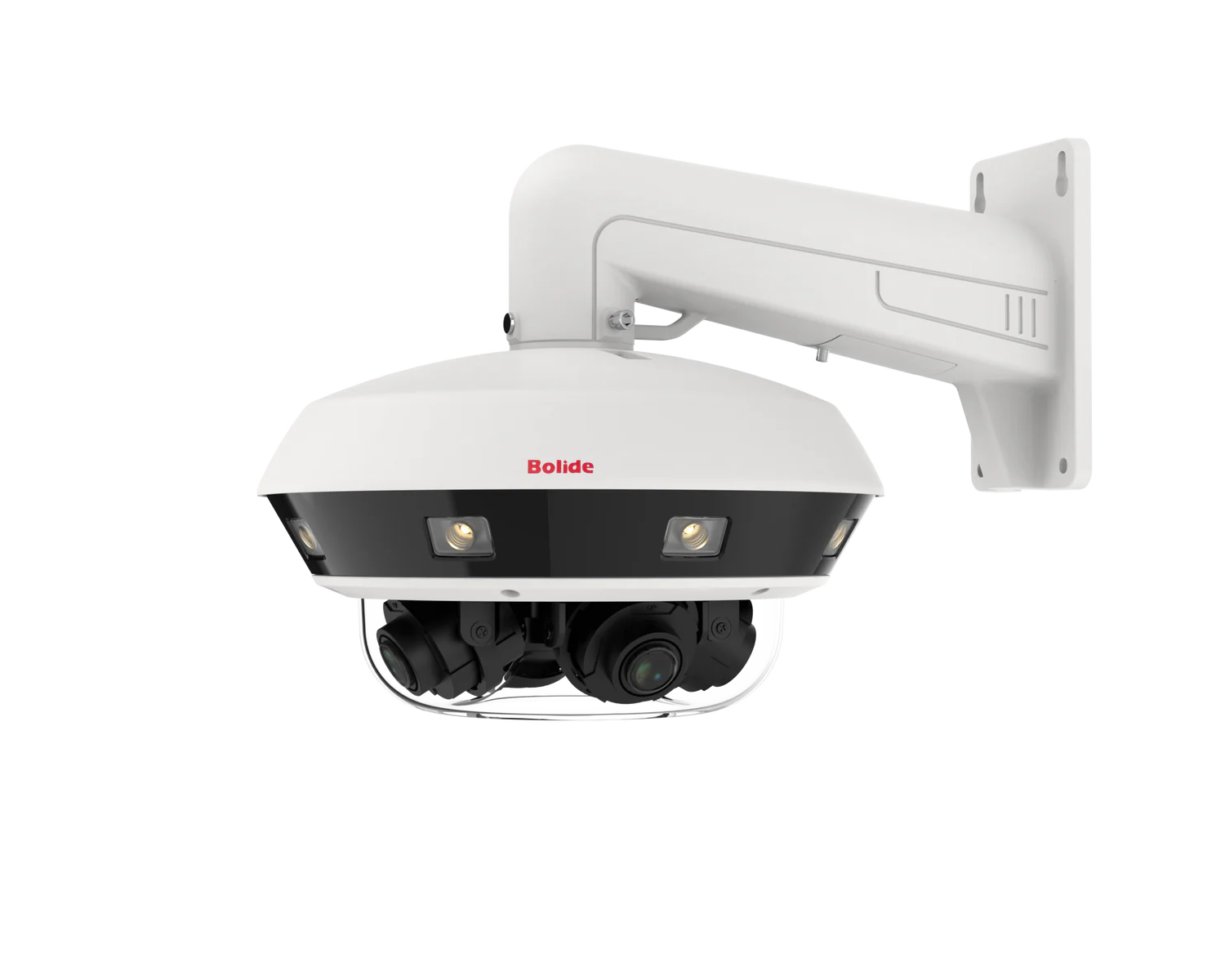
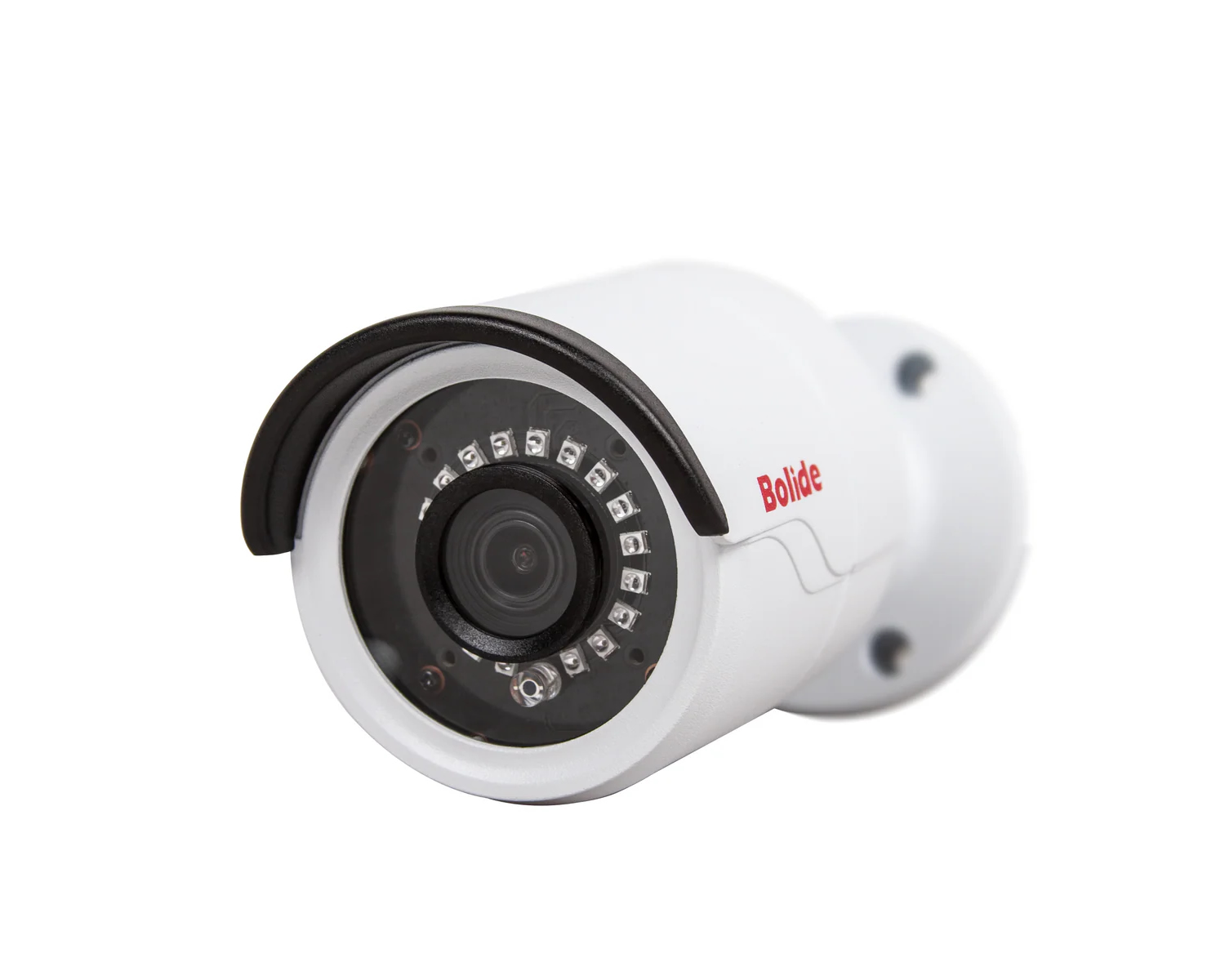
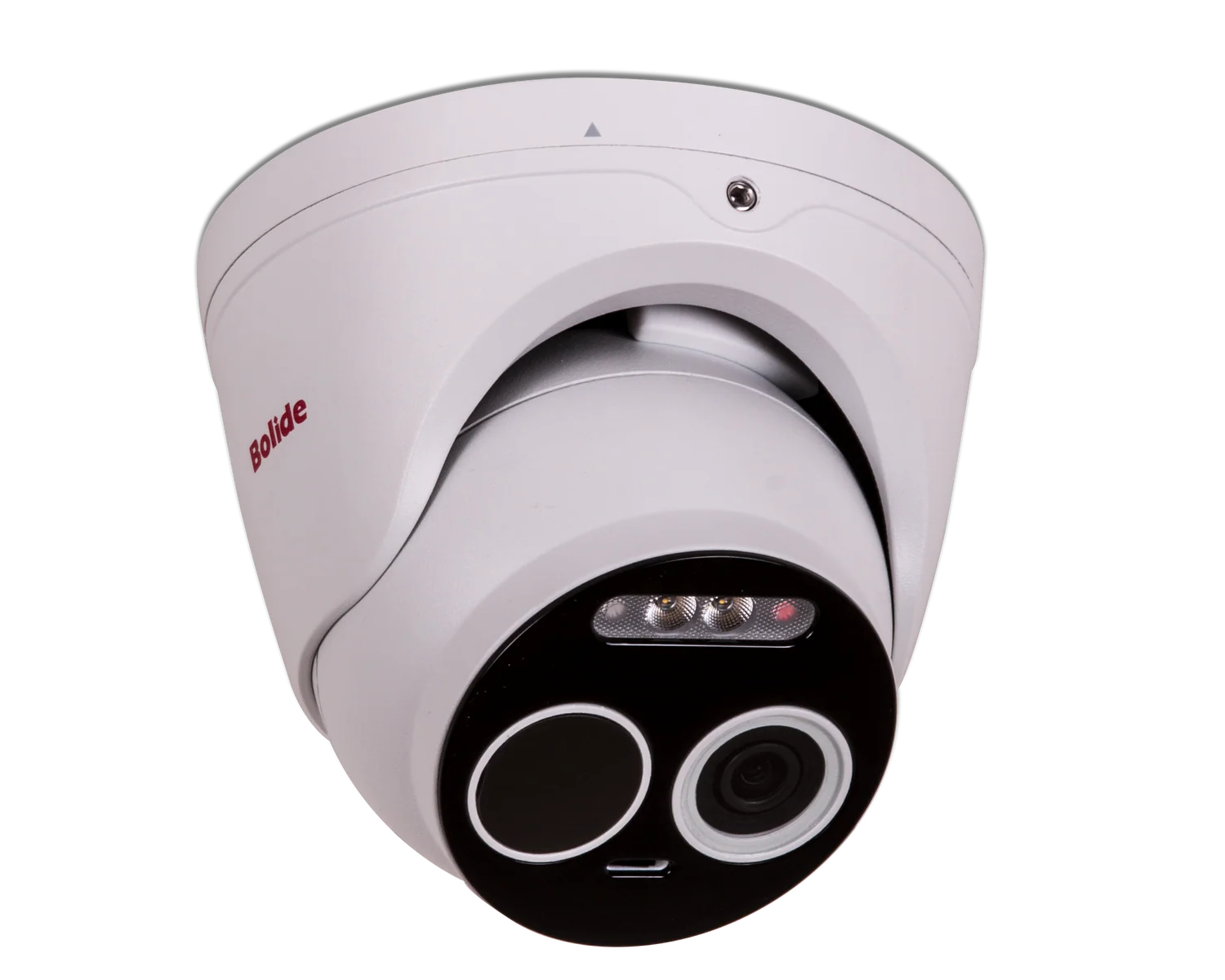
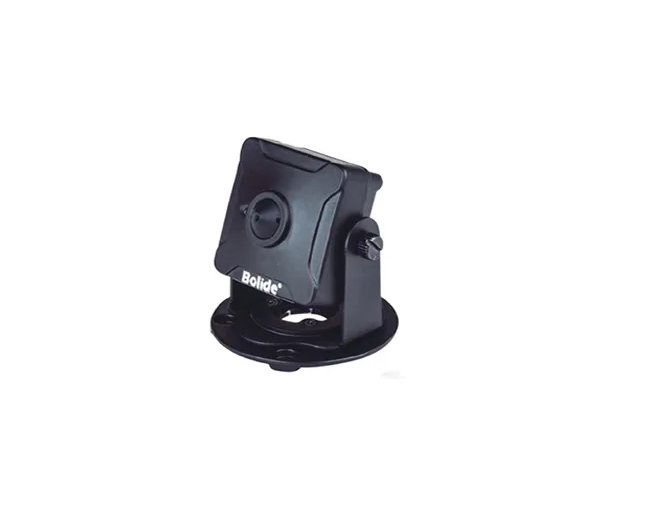
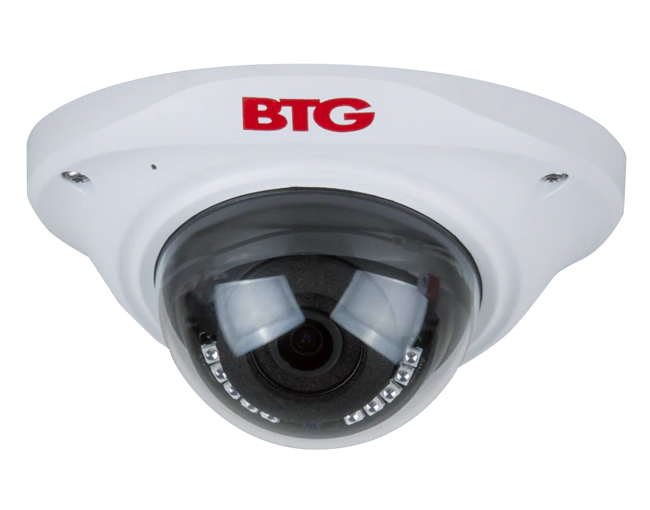
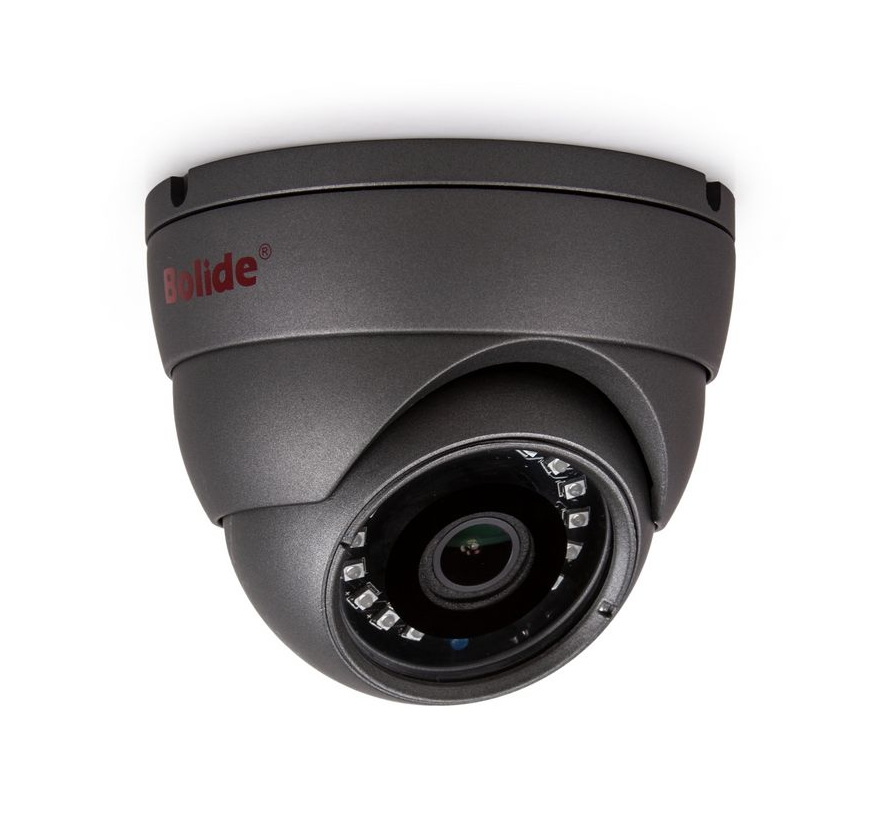
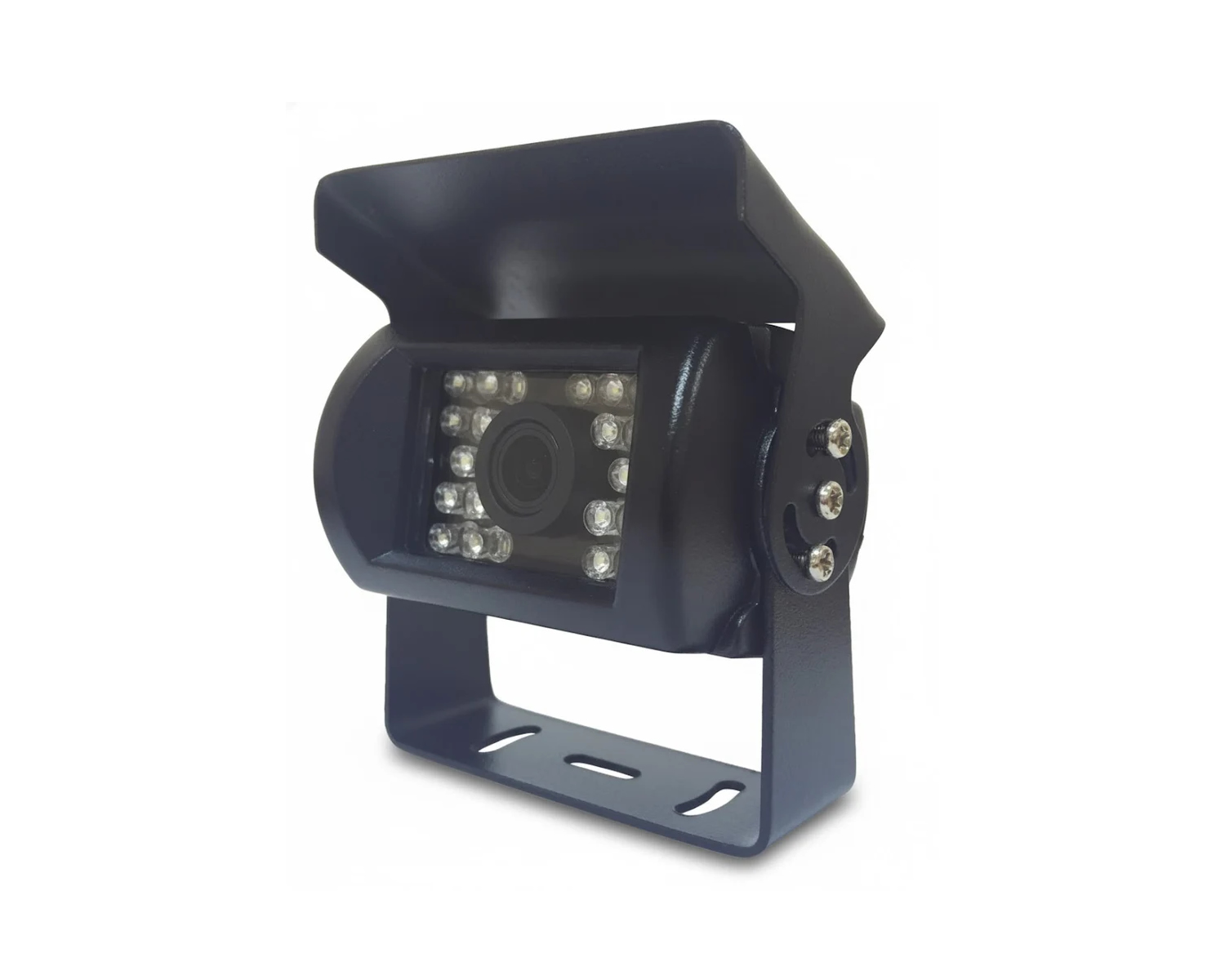
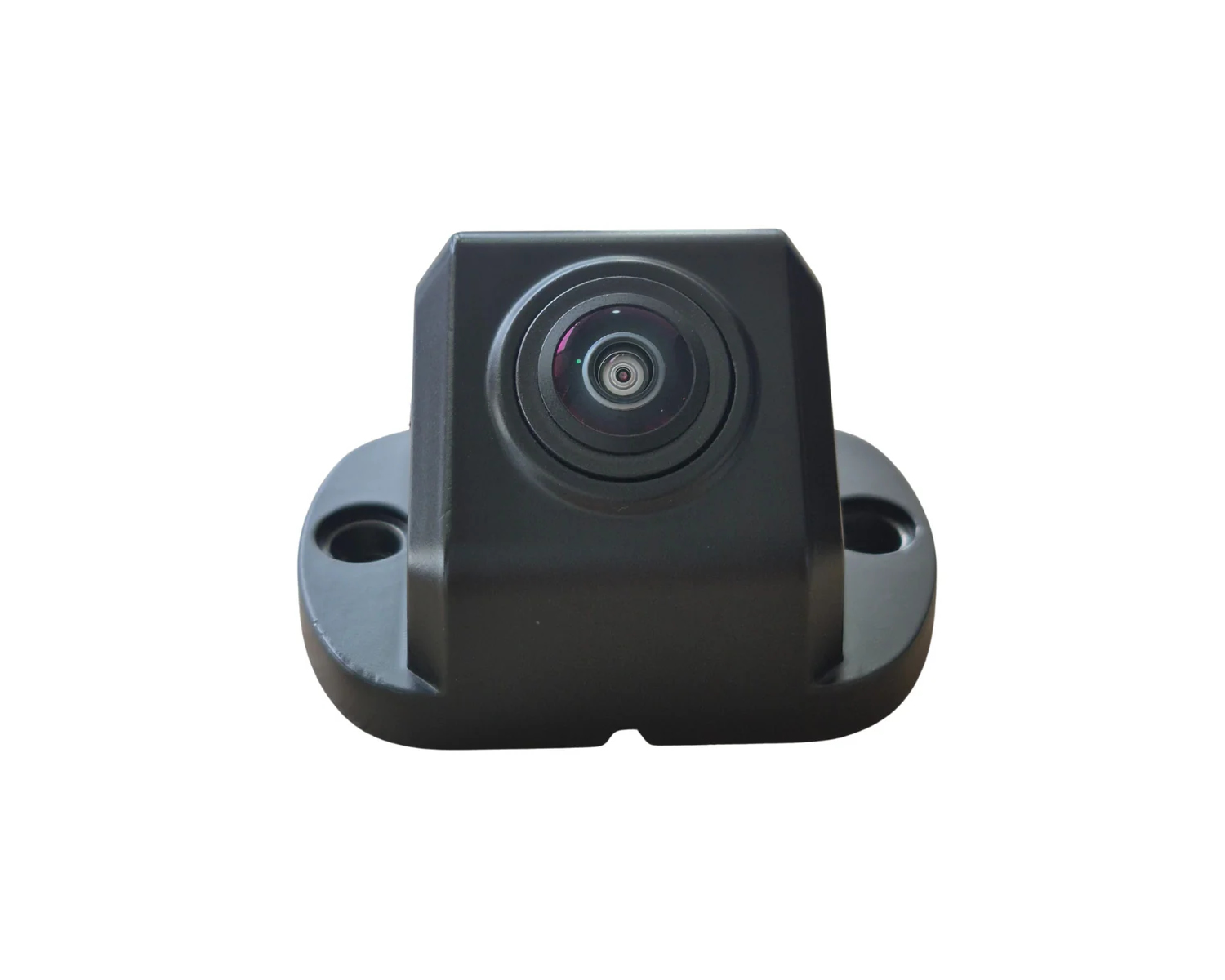
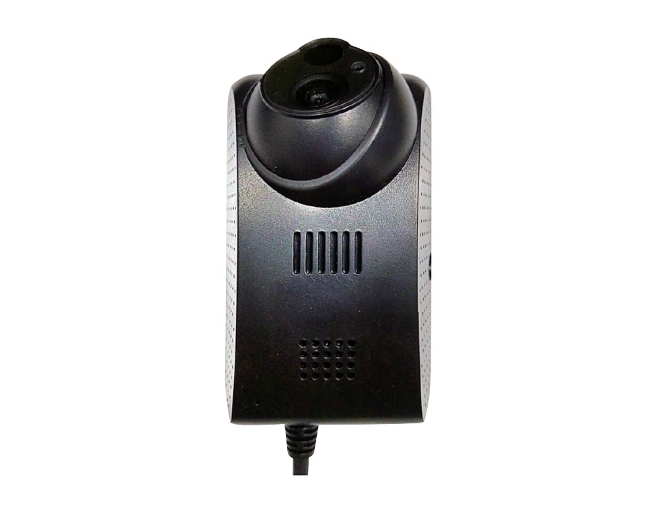
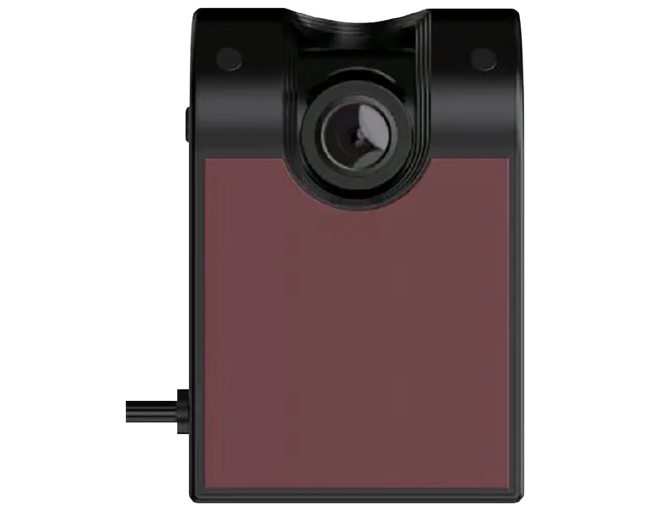
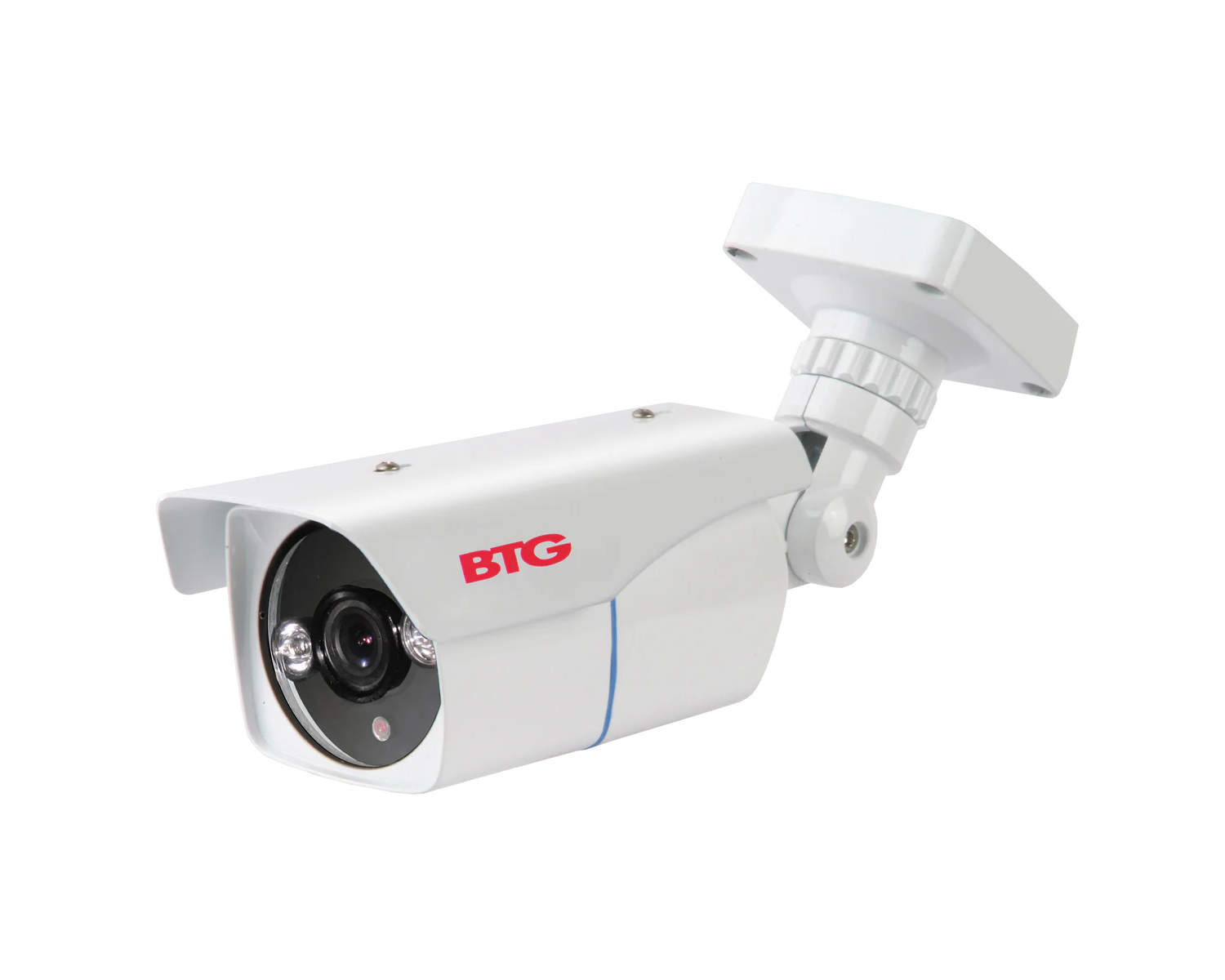
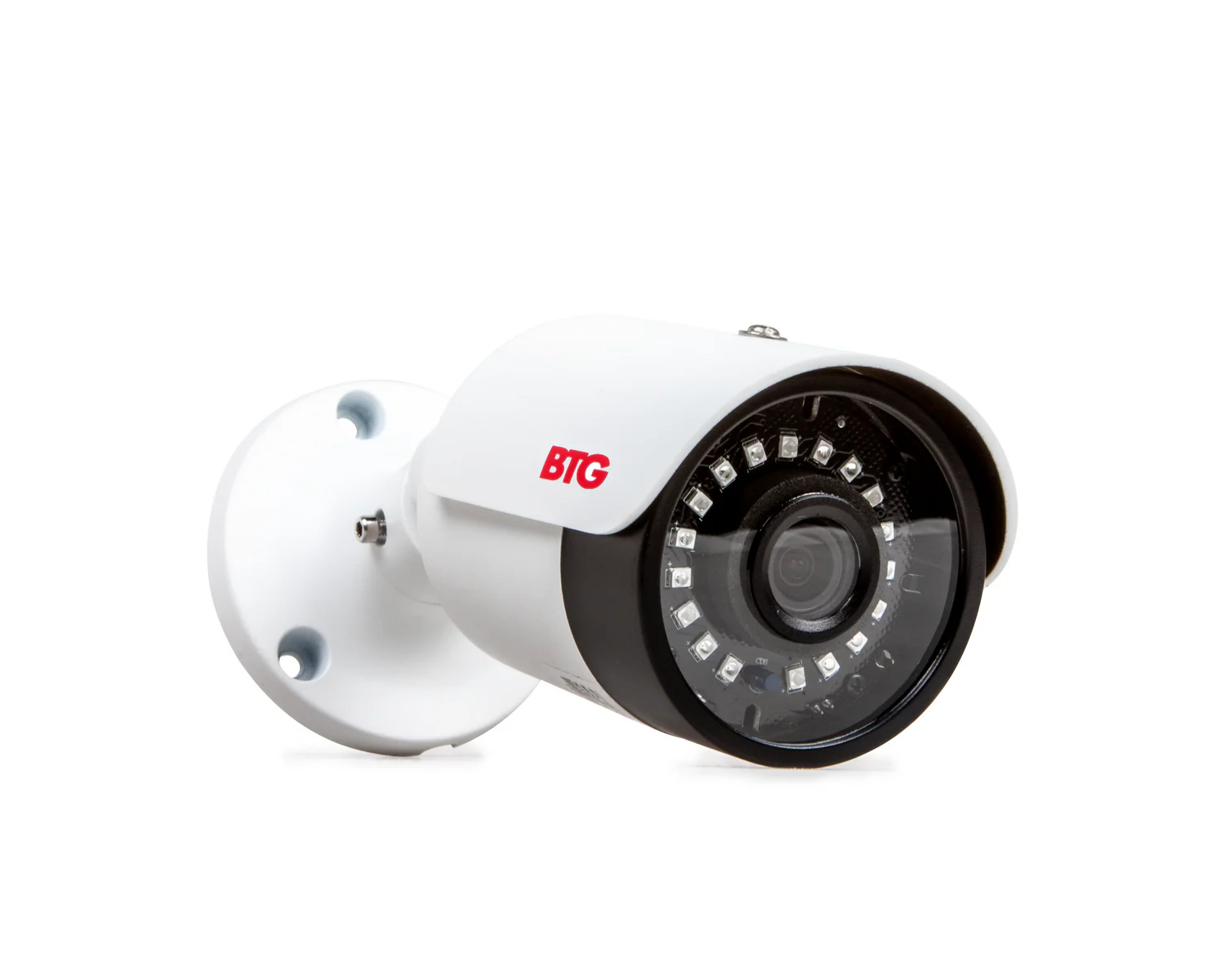
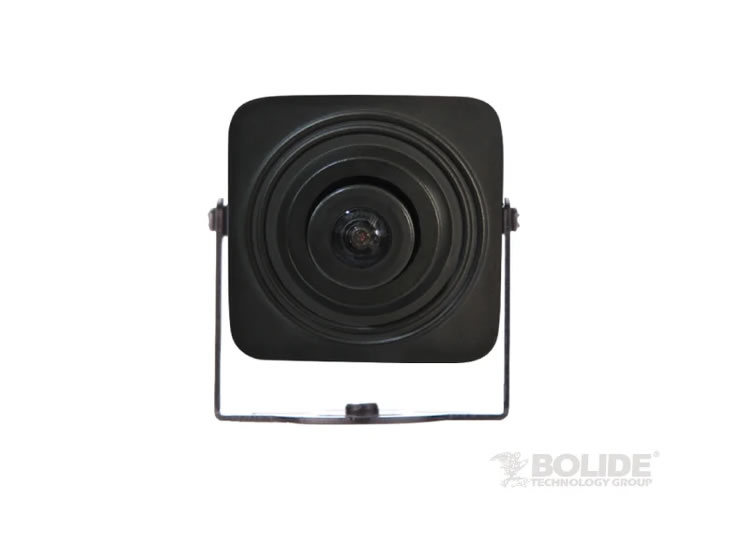
Security cameras capture video of areas of interest, sending the video stream to recorders, monitoring systems, or video management software for live viewing and recording. They are the primary input device for any video surveillance system. Modern security cameras are dominantly IP cameras (network-connected, often PoE-powered, with built-in encoding), though significant numbers of analog cameras remain in service in existing installations.
Several camera form factors dominate the market. Dome cameras are housed in a smoked-glass dome, making them visually discreet and vandal-resistant. They are common in retail, hospitality, healthcare, and any environment where blending into the architecture matters. Bullet cameras are cylindrical and highly directional, with their orientation visible from outside; they are common for perimeter and dedicated point surveillance. PTZ (Pan-Tilt-Zoom) cameras can be remotely controlled to move and zoom, useful for large areas where one camera covers many positions. Box cameras are rectangular with interchangeable lenses, common in specialty applications and broadcast.
Outdoor cameras need additional features beyond indoor cameras: weather resistance (IP66 or higher ratings for protection against rain and dust), vandal resistance (IK10 ratings for impact protection on dome cameras), temperature range (operating from below freezing to high heat), and built-in heaters or defrosters for very cold climates. Outdoor cameras also often include IR illumination for night vision (built-in IR LEDs that produce invisible IR light to illuminate the scene for the camera's sensor). Always specify the right environmental ratings for outdoor installations.
Modern security cameras come in resolutions from 1080p (the most common minimum for new installations) through 4K and higher. Higher resolution provides more detail for forensic review and supports larger digital zoom from a single camera, but consumes more storage and network bandwidth. Many installations use a mix: 1080p for broad coverage cameras, 4K for cameras at key locations (entrances, cashiers, sensitive areas).
Modern IP cameras include intelligent features powered by built-in AI and computer vision: motion detection in defined zones, people detection, vehicle detection, license plate recognition, face detection, and behavior pattern recognition. These analytics turn passive recording into active monitoring by alerting on relevant events rather than requiring constant human observation. Quality analytics significantly reduce the operational burden of monitoring many cameras.
Many security applications require operation in low light or darkness. Camera low-light performance is rated in lux (a measure of scene brightness): a 0.01 lux rating means the camera can produce usable images in moonlight or less. Cameras with very low lux ratings often use larger sensors, wider apertures, and noise-reduction algorithms. For complete darkness, IR illumination (built into the camera or provided by separate IR illuminators) supplies infrared light that the camera sees but humans don't.
Beyond standard cameras, specialty types serve specific applications. Thermal cameras detect heat rather than visible light, useful for perimeter security in any lighting conditions, finding people in smoke, or industrial monitoring. Multi-sensor cameras combine multiple sensors in one housing for 180 or 360 degree coverage. License plate recognition cameras are optimized for capturing license plates at the speed and angle vehicles approach the camera. Underwater cameras serve pool, harbor, and specialty applications.
Security cameras are used in retail (loss prevention, customer flow analysis, employee monitoring), hospitality (lobby, parking, public area monitoring), healthcare (patient safety, asset protection, common area monitoring), education (campus safety, building entrances, parking areas, athletic facilities), corporate environments (access control integration, lobby and reception, parking facilities, executive areas), industrial facilities (perimeter security, production area safety, equipment monitoring), transportation (airports, train stations, bus terminals with extensive camera coverage), and government and military installations.
Dome cameras are discreet, vandal-resistant, and ideal for indoor commercial spaces where blending into the architecture matters (retail, hospitality, healthcare). Bullet cameras are highly directional with visible orientation, ideal for clear perimeter monitoring or pointing at specific areas (parking lots, building entrances). PTZ cameras can move and zoom remotely, ideal for large areas where one camera covers multiple positions (parking facilities, large warehouses, stadium concourses), especially with active operators. Most installations use a mix: dome cameras for general indoor coverage, bullet for specific exterior positions, PTZ for large areas with operator interaction.
1080p is the modern minimum for new installations, providing enough detail for general surveillance and basic identification. 4K cameras provide more detail for forensic review (license plate reading, face identification at distance, digital zoom into specific areas of the scene) at the cost of higher storage and bandwidth requirements. Many installations use a mix: 1080p for broad coverage where general motion detection is enough, 4K for cameras at critical locations (entrances, cash registers, sensitive areas, parking lot entrances for license plate capture). Higher than 4K is rare in security but appears in specialty applications.
Video analytics use AI and computer vision to analyze camera feeds in real time, detecting specific events: motion in defined zones, people entering or leaving areas, abandoned objects, crowd density, vehicle detection, license plate recognition, face detection, and behavior patterns. Analytics turn passive recording into active monitoring: instead of an operator having to watch many cameras, the system alerts on relevant events. Useful in retail (loss prevention, traffic counting, queue length monitoring), hospitality (perimeter alerts), industrial (safety zone violations), and any installation where active alerting is more valuable than passive recording.
Modern security cameras handle low light through a combination of approaches: large sensors with high sensitivity (rated in lux), wider apertures that gather more light, noise reduction algorithms that produce usable images at very low light levels, and IR illumination (built-in IR LEDs that produce invisible IR light to illuminate the scene). Cameras with day/night switching automatically switch between color mode (for daytime) and monochrome with IR (for nighttime). For complete darkness, IR illumination is essential; for very dim light, sensitive sensors may suffice without IR.
For outdoor installations, look for IP66 or higher rating (protected against dust ingress and powerful water jets), and IK08 or higher for impact protection (for cameras at reach from the ground). For very harsh environments (industrial, coastal, exposed locations), IP67 or IP68 (protected against immersion) and IK10 may be appropriate. Always check operating temperature range: outdoor cameras in cold climates need ratings below freezing (typically -30°C to 50°C operating range), often with built-in heaters or defrosters for very cold weather. Marine environments need additional corrosion resistance.
Retail (loss prevention with cameras over registers and exits, customer flow analysis with cameras in aisles, employee monitoring in back rooms), hospitality (lobby and reception, parking facilities, public areas, hotel hallways), healthcare facilities (patient safety in common areas, asset protection in pharmacies and labs, perimeter security, emergency department coverage), education campuses (building entrances, classrooms in some K-12 environments, parking areas, athletic facilities, perimeter), corporate environments (lobby and reception, parking, executive areas, sensitive labs and data centers, perimeter), industrial facilities (perimeter, production areas, loading docks, equipment), and transportation hubs (airports, train stations, bus terminals with extensive camera coverage at gates, ticketing, and platforms).

On order over $300 and more for US and US territory

We Offer a 30-Day Money Back Guarantee

Full manufacturer's warranty and quality assurance

Safe checkout with trusted payment providers