




Start typing to see results...
Find the perfect solution
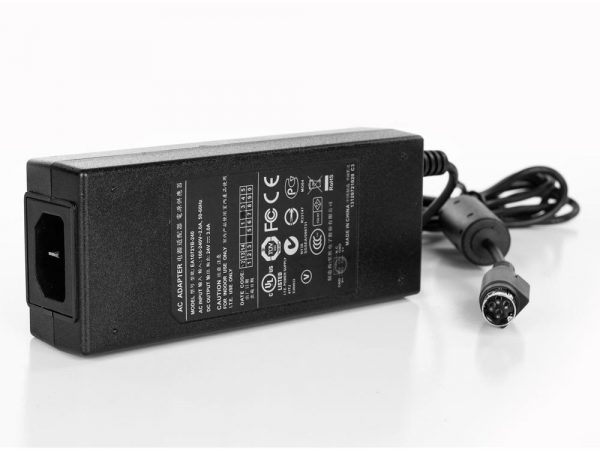
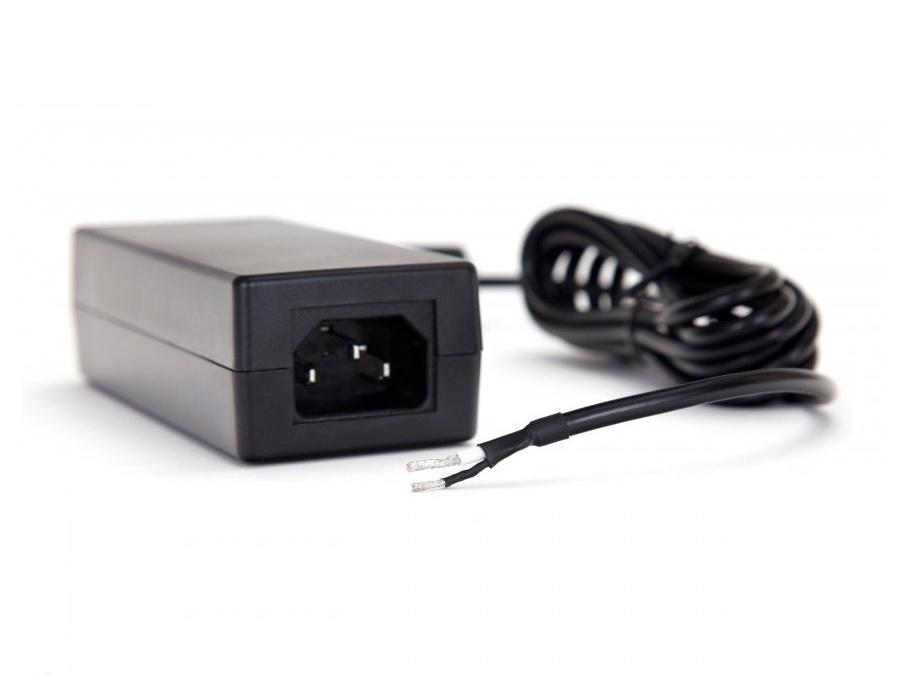
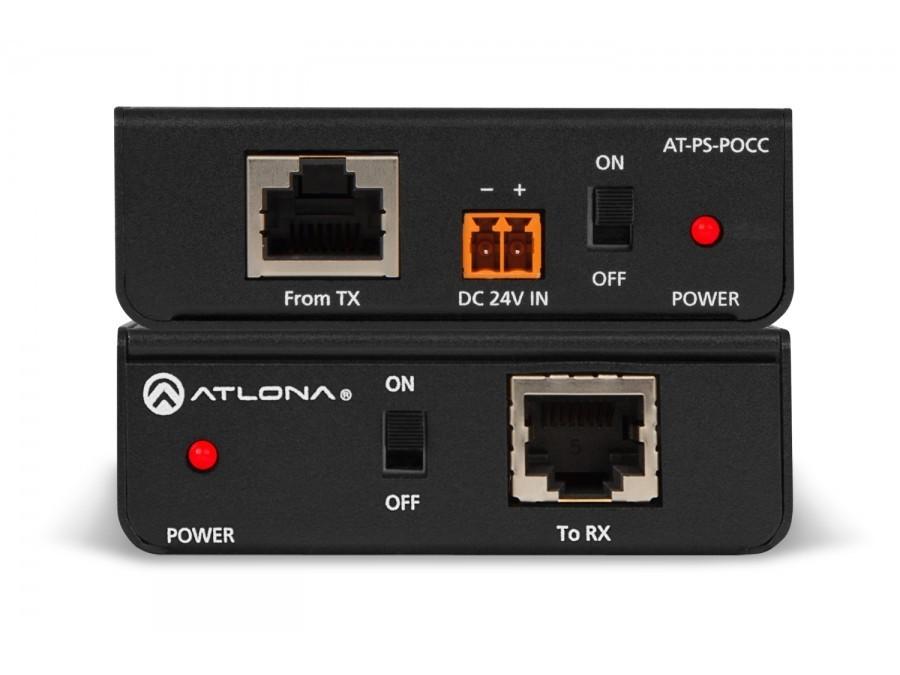
Power supplies provide regulated DC power to AV equipment that needs it. Many AV devices (cameras, audio interfaces, small switchers, control panels, network equipment, lighting) operate on low-voltage DC (5V, 9V, 12V, 24V, 48V) rather than AC mains, using power supplies to convert and regulate the power. Power supplies come in many forms: wall-mount adapters ("wall warts"), desktop bricks, rack-mount multi-output supplies, and replacement supplies for specific equipment.
Wall-mount power adapters (wall warts) are the most common power supply form factor for small AV equipment: cameras, audio interfaces, small switchers, control panels, IR receivers, and similar low-power devices. They convert AC mains to a specific DC voltage and current, with the output connector matched to the equipment's input. Common output voltages include 5V (USB devices), 9V (effects pedals, some audio gear), 12V (most cameras, AV equipment, computer accessories), and 24V (some industrial and specialty equipment).
Desktop power bricks (the type used with most laptops) provide higher current than wall warts and serve equipment with higher power needs: larger cameras, professional audio interfaces, network switches, and some computer peripherals. They typically include AC line cord plus output cable with matched connector. Higher-quality desktop supplies include features like LED status indicators, regulated output for clean voltage, and overload protection.
Rack-mount power supplies serve installations with many devices needing DC power. They take AC mains and produce multiple DC outputs (typically multiple voltages at multiple current ratings), in a 1U or 2U rack-mount chassis. Common in broadcast facilities (many cameras and accessories on shared DC power), in live sound (DC power for in-ear monitor systems, wireless microphone receivers), and in industrial AV (centralized DC for security camera installations).
Power supply replacement is critical to get right: the wrong supply can damage equipment. Verify three things: voltage (must exactly match the equipment's requirement), current rating (must be at least the equipment's required current, ideally higher), and polarity (the inner pin and outer sleeve of the connector must be correctly assigned positive and negative). Connector compatibility (size and shape) matters too; many similar-looking connectors aren't interchangeable. The equipment's manual or label typically shows the required specifications.
Modern power supplies typically use switching design (high-frequency conversion) rather than older linear regulators. Switching supplies are smaller, lighter, more efficient, and run cooler than linear supplies. Many switching supplies accept universal AC input (100 to 240 volts, 50 or 60 Hz), letting the same supply work worldwide and in environments with varying mains voltage. For installations in multiple countries or with unstable mains, universal-input supplies eliminate compatibility headaches.
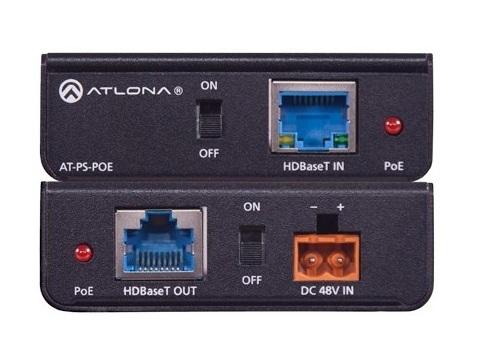
PoE injectors are a specific kind of power supply that delivers power along with Ethernet data on the same CAT cable. Used for security cameras, IP phones, wireless access points, and modern PoE-capable AV devices, PoE injectors eliminate the need for separate power adapters at remote device locations. PoE classes determine the power available: PoE (15.4W), PoE+ (30W), PoE++ (60W or 90W). PoE injectors and PoE-capable network switches serve the same function.
Power supplies are essential throughout commercial AV: every wall-mount adapter on every small AV device, desktop supplies for higher-power equipment, rack-mount supplies in broadcast and large installations, PoE injectors and switches for IP cameras and modern AV-over-IP infrastructure, and replacement supplies for service work. Maintaining a stock of common power supplies saves time on installations and service calls; a missing or damaged power supply can disable equipment that otherwise works fine.
Check the equipment's existing power supply or the label on the equipment itself for three critical specifications: voltage (typically printed as "Input" voltage to the equipment, e.g., "9VDC" or "12VDC"), current rating (in amps or milliamps, e.g., "2A" or "500mA"), and polarity (which contact is positive). For the connector, measure the inner and outer diameters of the barrel connector (typical sizes include 2.1mm, 2.5mm, 3.5mm). Match all four specifications: voltage exactly, current at least equal (ideally higher), polarity correctly assigned, connector dimensions matching. Mismatches can damage equipment.
Yes, this is generally fine and often beneficial. The equipment draws only the current it needs; excess capacity in the supply doesn't force higher current into the equipment. A 12V 3A power supply works for equipment that needs 12V 2A: the equipment still draws 2A, the supply just has more headroom. Higher-current supplies run cooler at the same load and may last longer. Do not use higher-voltage supplies (voltage must match exactly); higher voltage can damage equipment. Match voltage exactly, exceed current capacity comfortably.
Switching power supplies use high-frequency electronic conversion to step AC voltage down to the required DC output, rather than using older linear designs with large transformers. Switching supplies are much smaller, lighter, more efficient, and run cooler than linear supplies of the same output rating. They also typically accept universal AC input (100-240V, 50/60Hz), making them suitable worldwide. The downside is more complex internal circuitry (more potential failure points) and occasional EMI that can affect sensitive nearby equipment. For nearly all modern AV equipment, switching supplies are the standard.
PoE is a technology that delivers DC power along with Ethernet data on the same CAT cable, eliminating the need for separate power adapters at remote device locations. PoE-capable network switches provide power to connected PoE devices (IP cameras, IP phones, wireless access points, PoE-capable AV equipment); alternatively, PoE injectors add PoE capability to non-PoE switches. PoE classes determine available power: PoE (15.4W), PoE+ (30W), PoE++ (60W or 90W). PoE simplifies installation by eliminating separate power runs to each remote device.
Several symptoms indicate a failing power supply. Equipment power-cycling intermittently or refusing to start cold is often a power supply problem. Audible whining or buzzing from the power supply itself suggests internal issues. Heat: power supplies should be warm but not painfully hot; excessive heat indicates failure or overload. Voltage measurement: a multimeter on the supply's output can reveal voltage that's outside specification. Visual inspection: bulging or leaking capacitors visible through ventilation slots indicate failure. When in doubt, swap with a known-good supply of the same specifications; if the equipment works correctly with a different supply, the original is failing.
Throughout commercial AV: every wall-mount adapter on every small AV device (cameras, audio interfaces, IR receivers, small switchers, control panels, security cameras), desktop power bricks for higher-power equipment (laptops, larger cameras, network switches), rack-mount power supplies in broadcast and large installations (centralized DC for multiple devices), PoE injectors and PoE-capable switches throughout modern IP-based AV installations (security cameras, AV-over-IP infrastructure), and replacement supplies for service work (any time a power supply fails, a quick replacement gets equipment back online). Maintaining a stock of common power supplies saves significant time on installations and service calls.

On order over $300 and more for US and US territory

We Offer a 30-Day Money Back Guarantee

Full manufacturer's warranty and quality assurance

Safe checkout with trusted payment providers