




Start typing to see results...
Find the perfect solution

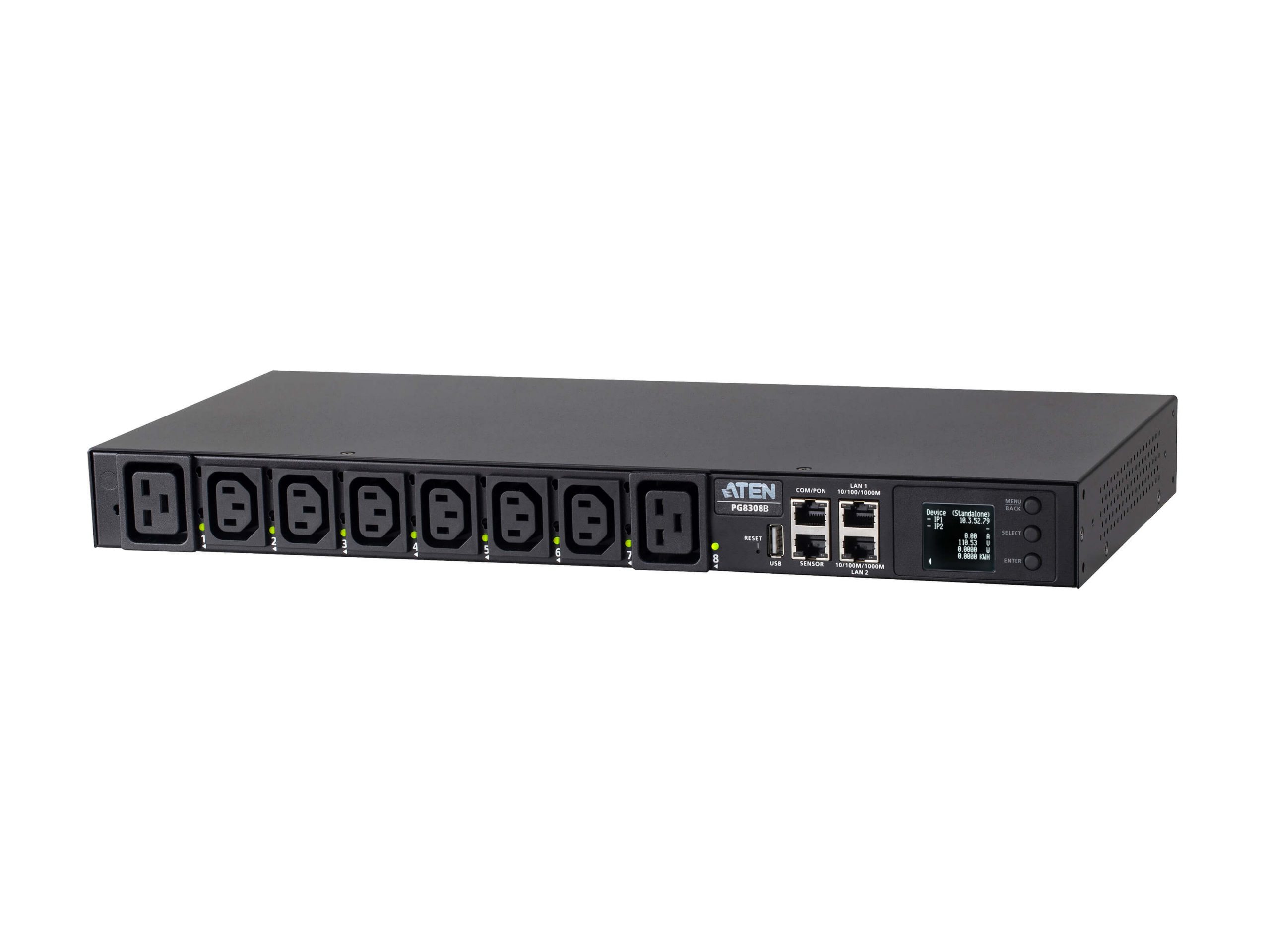
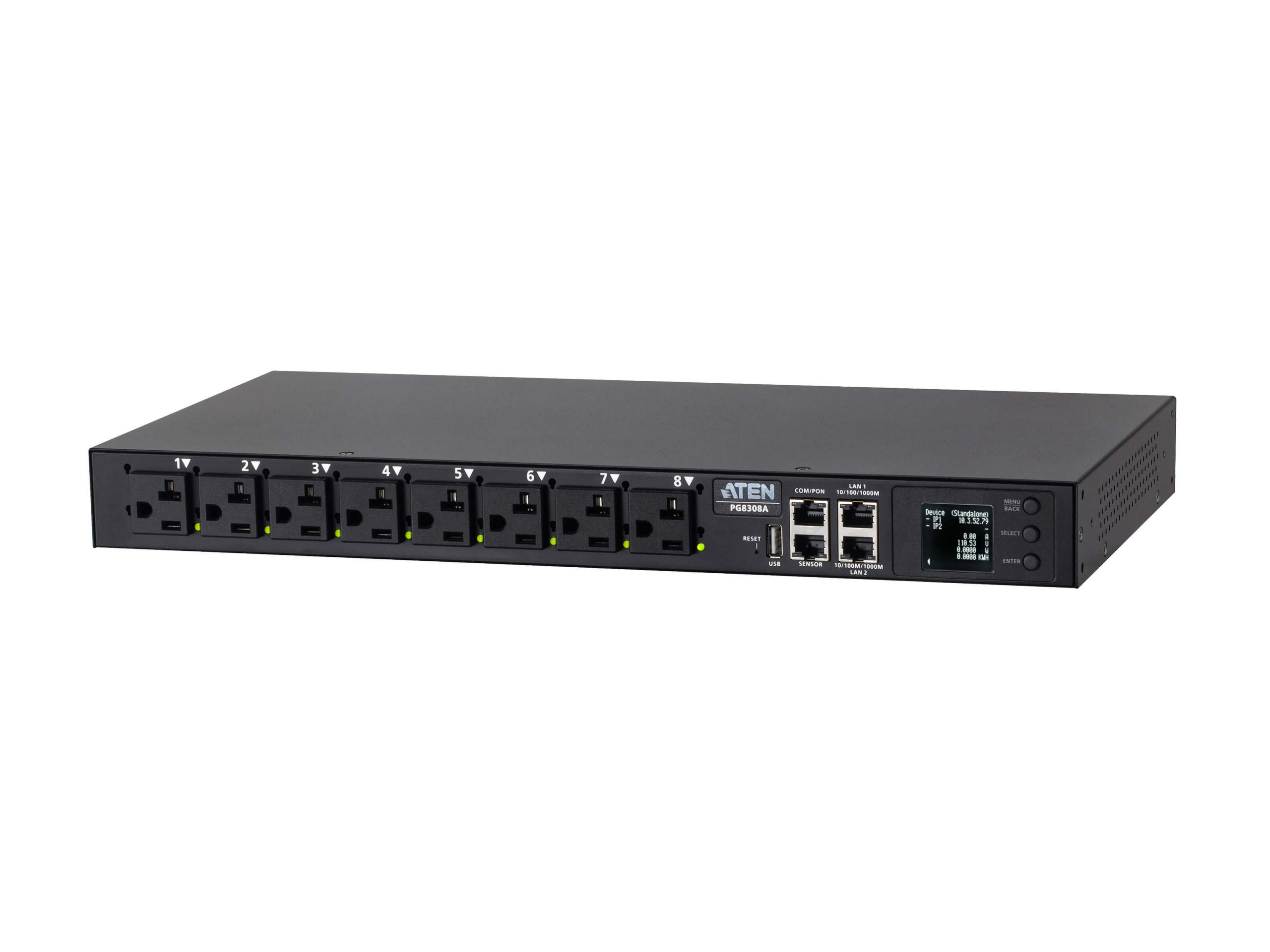
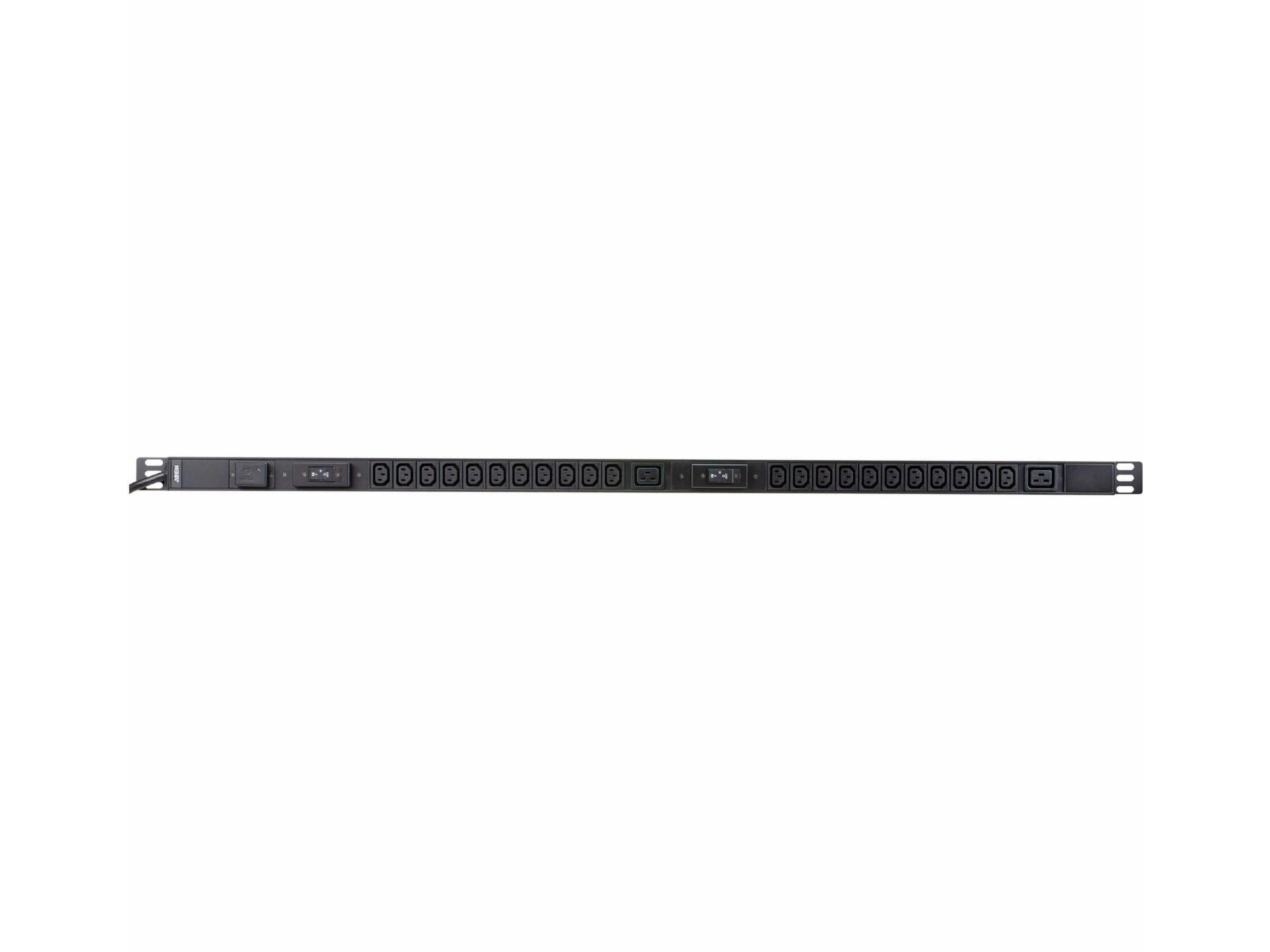
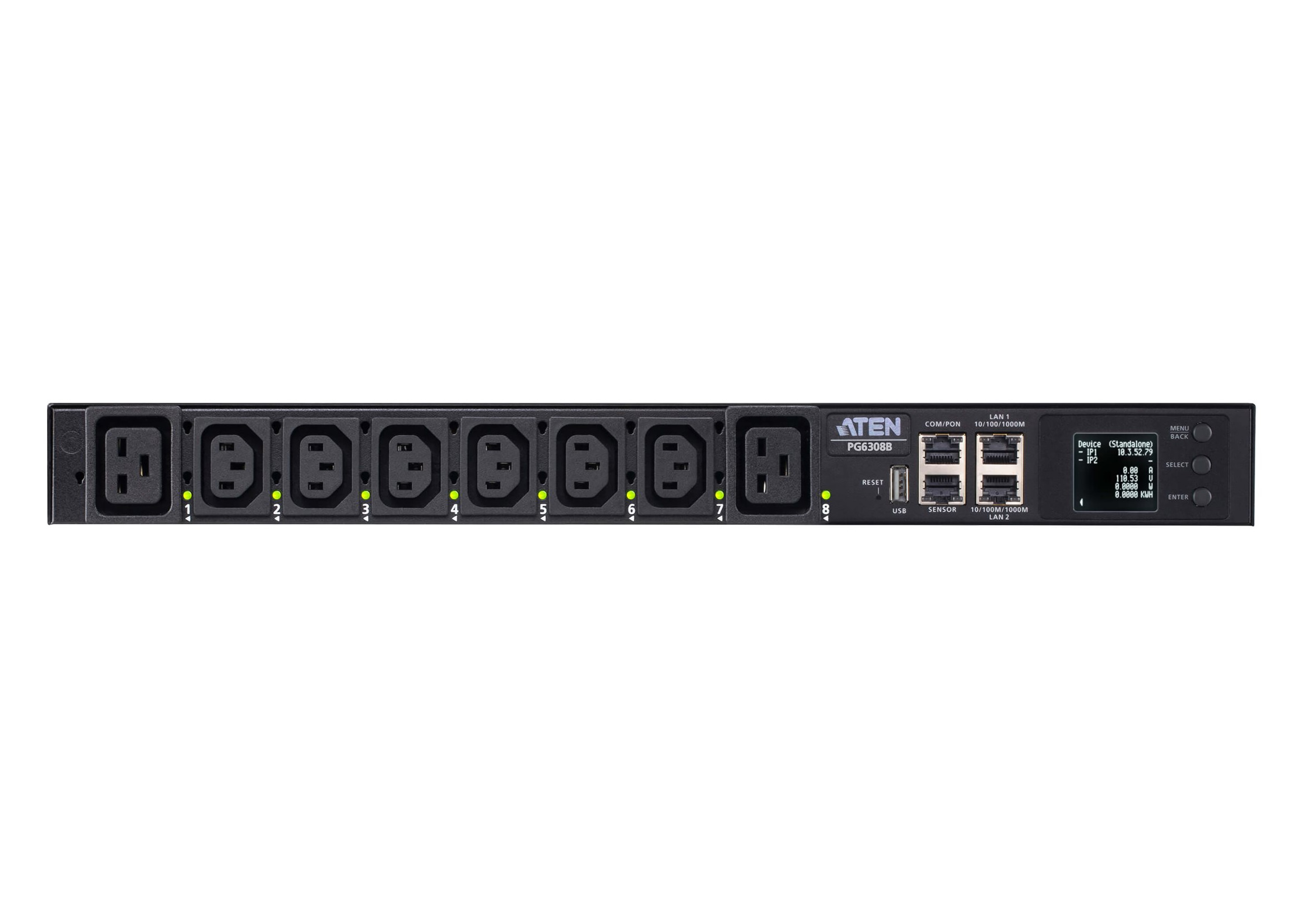
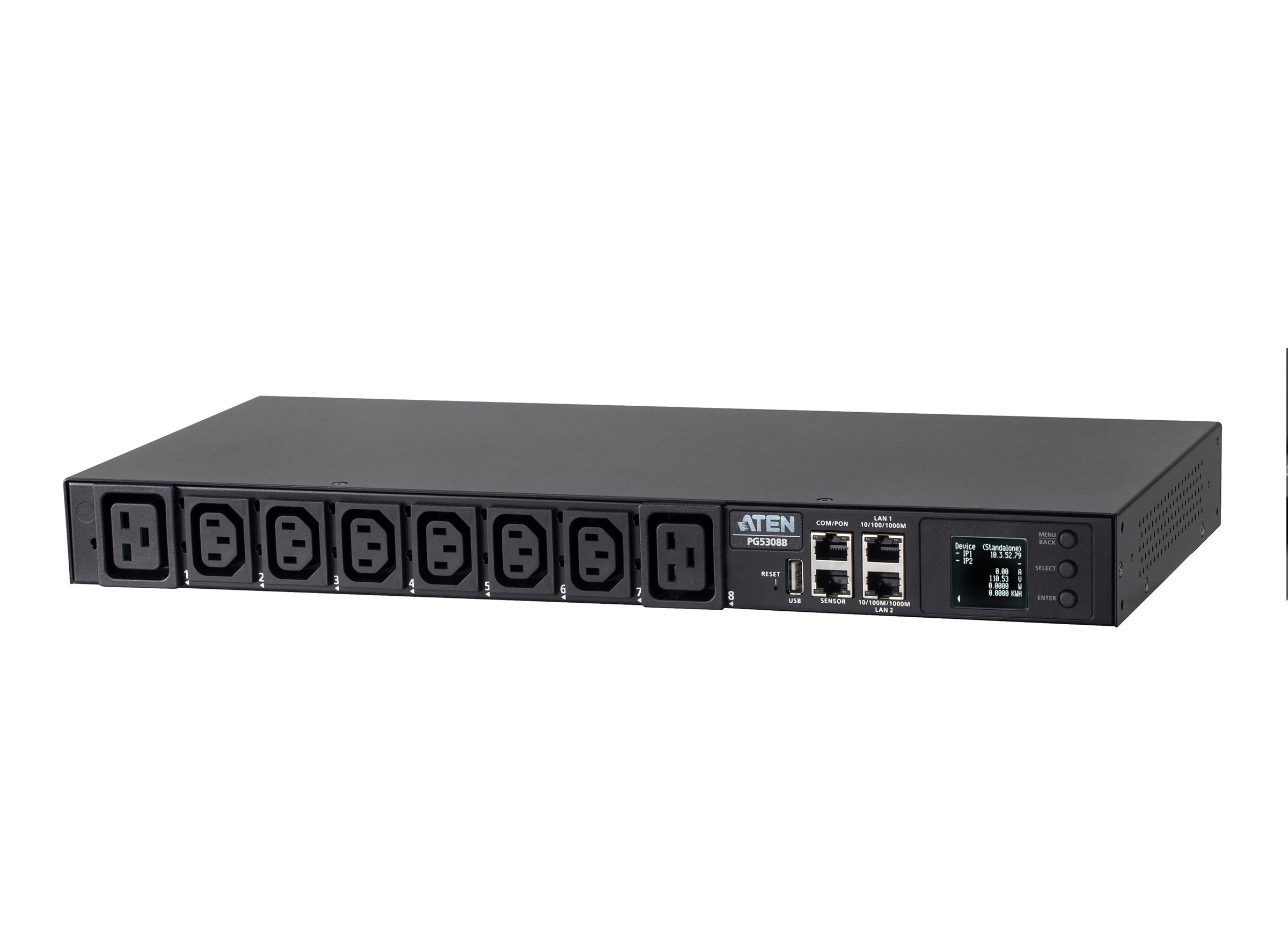
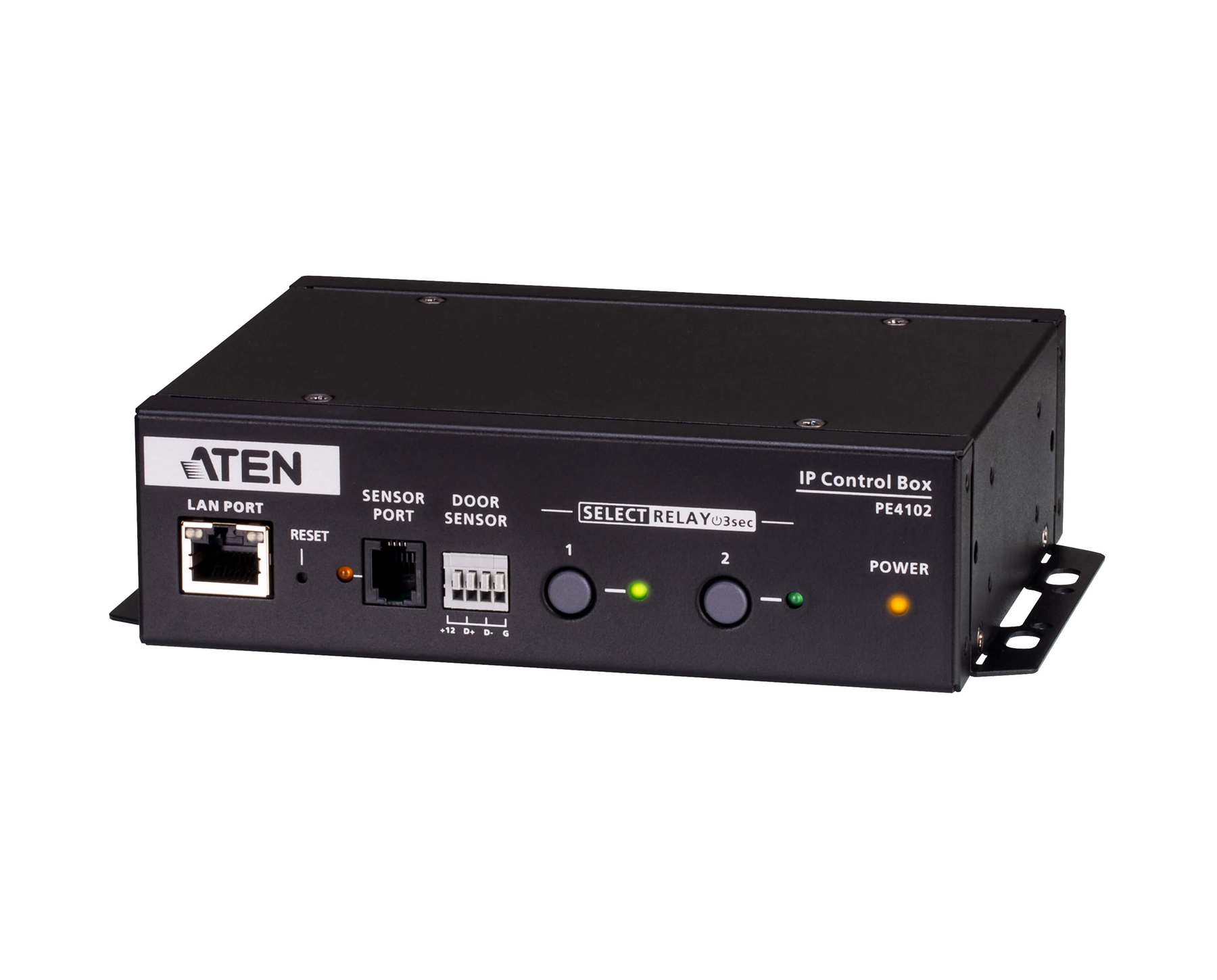
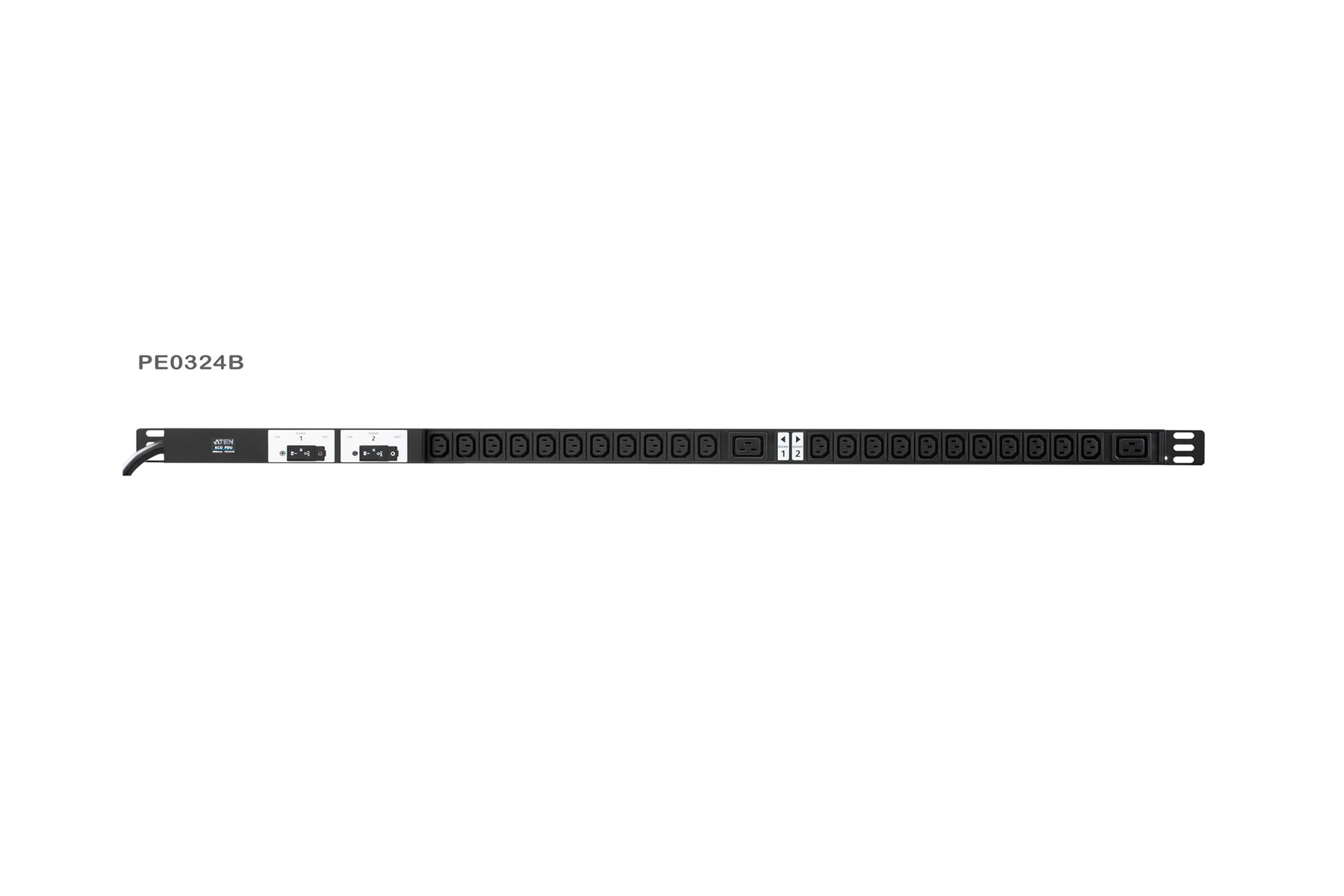
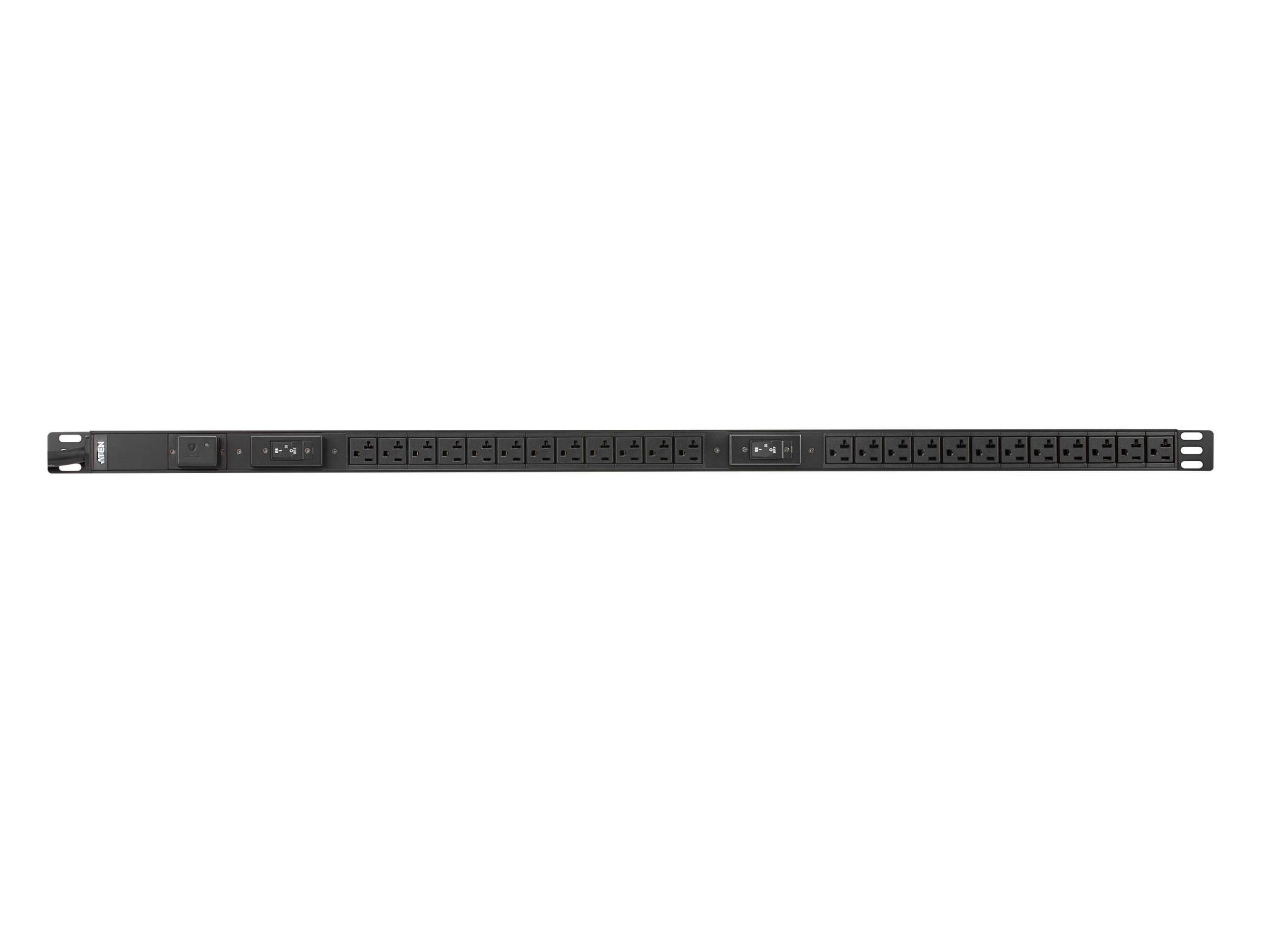
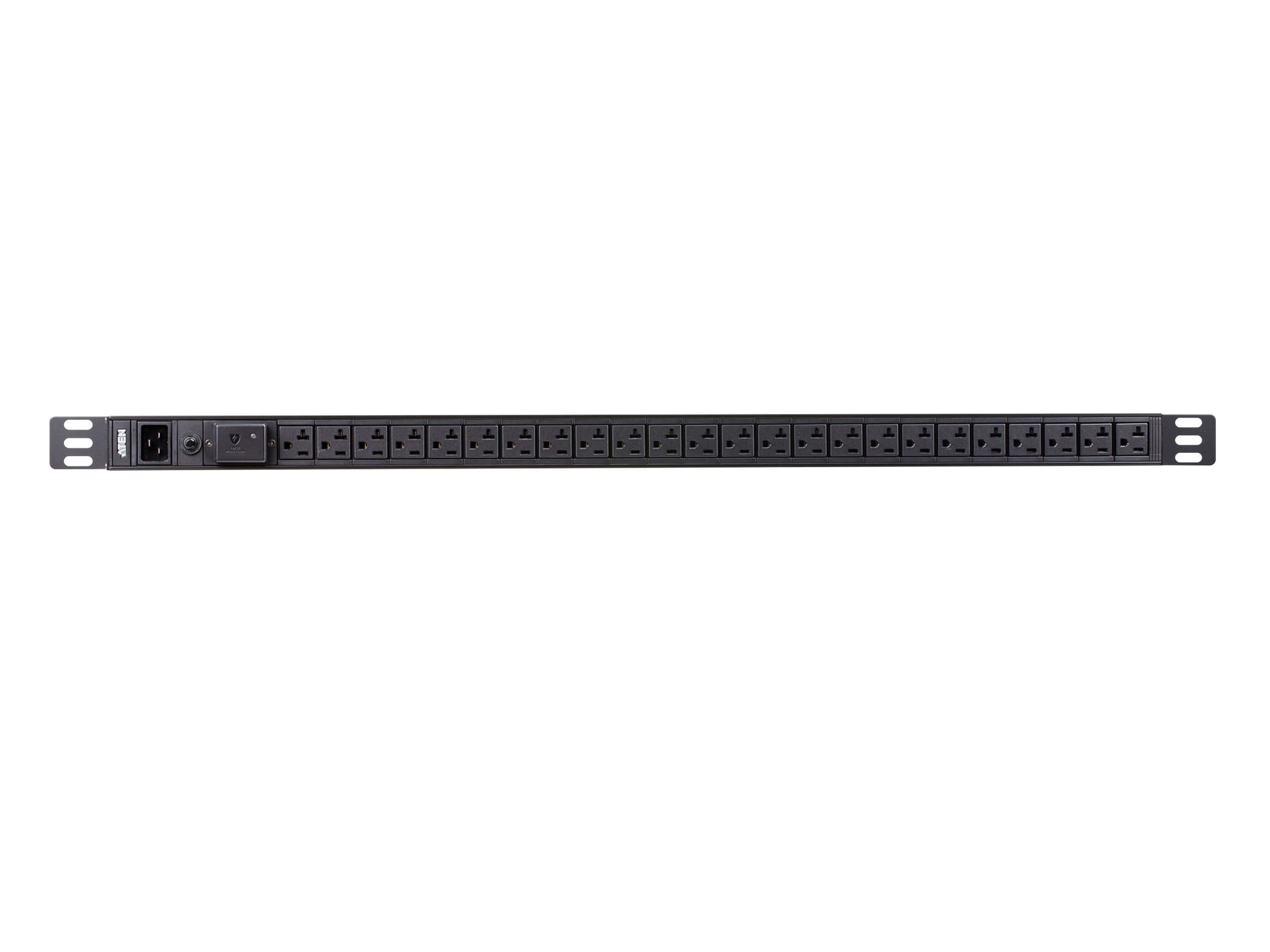
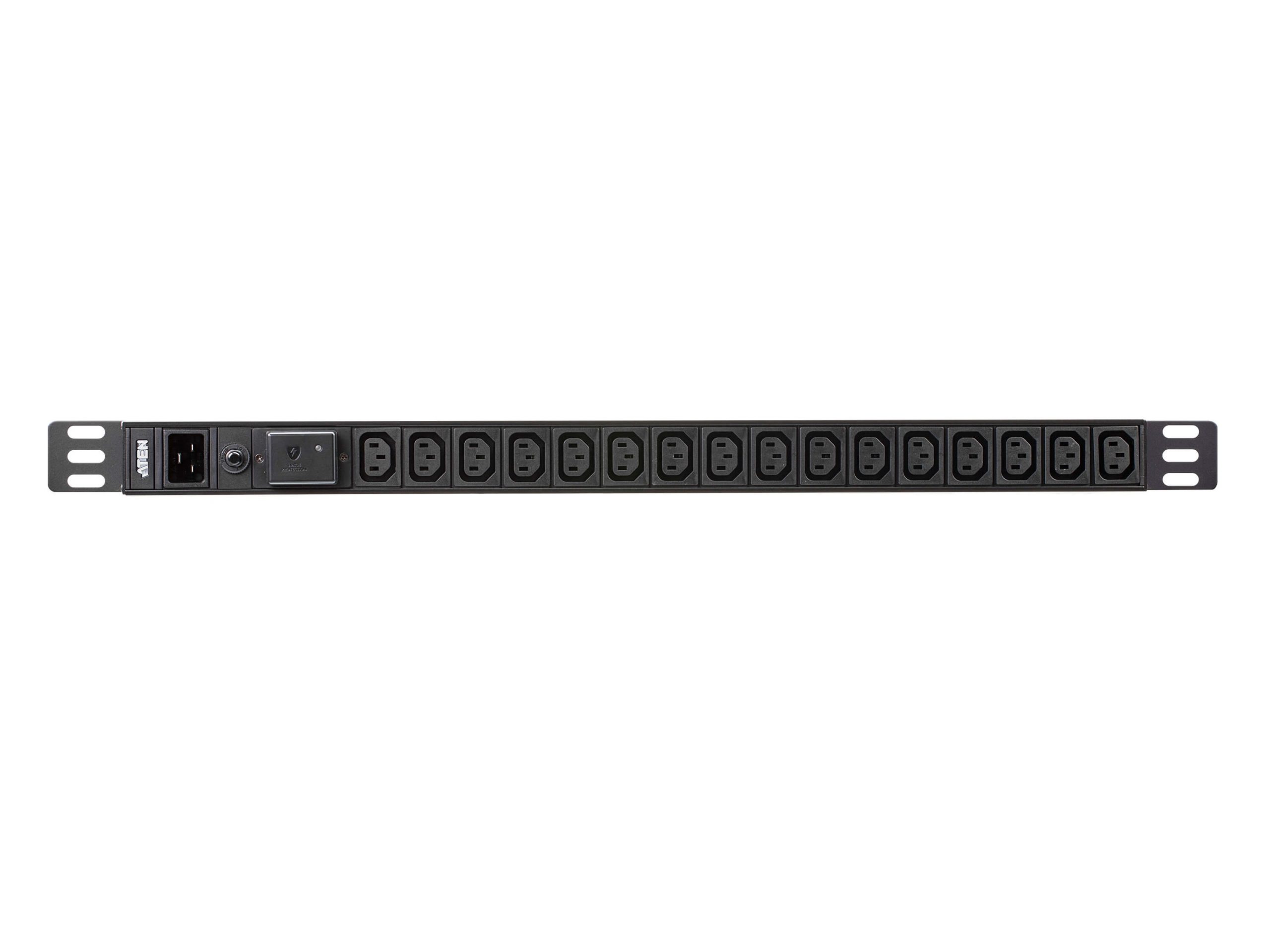
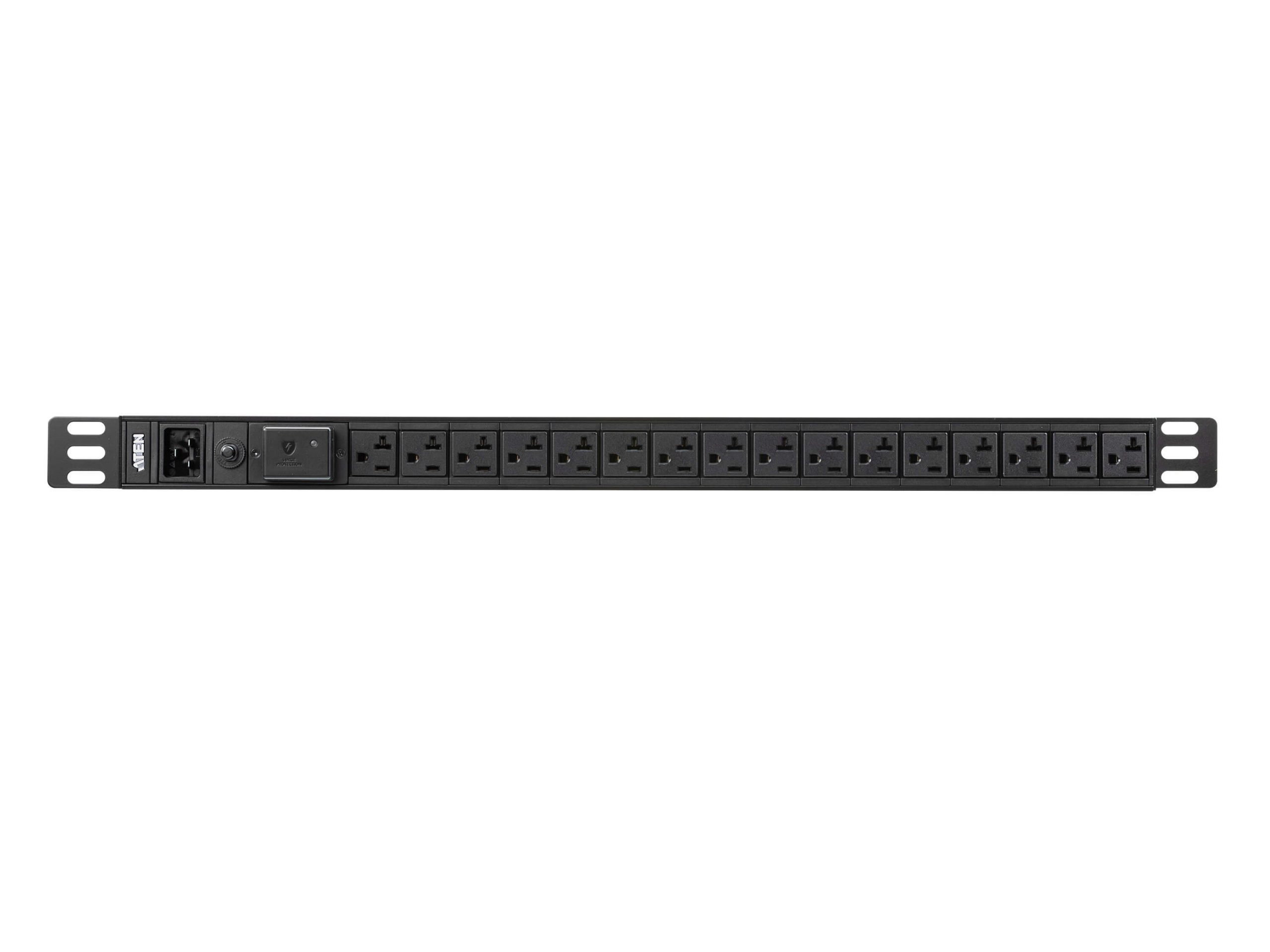
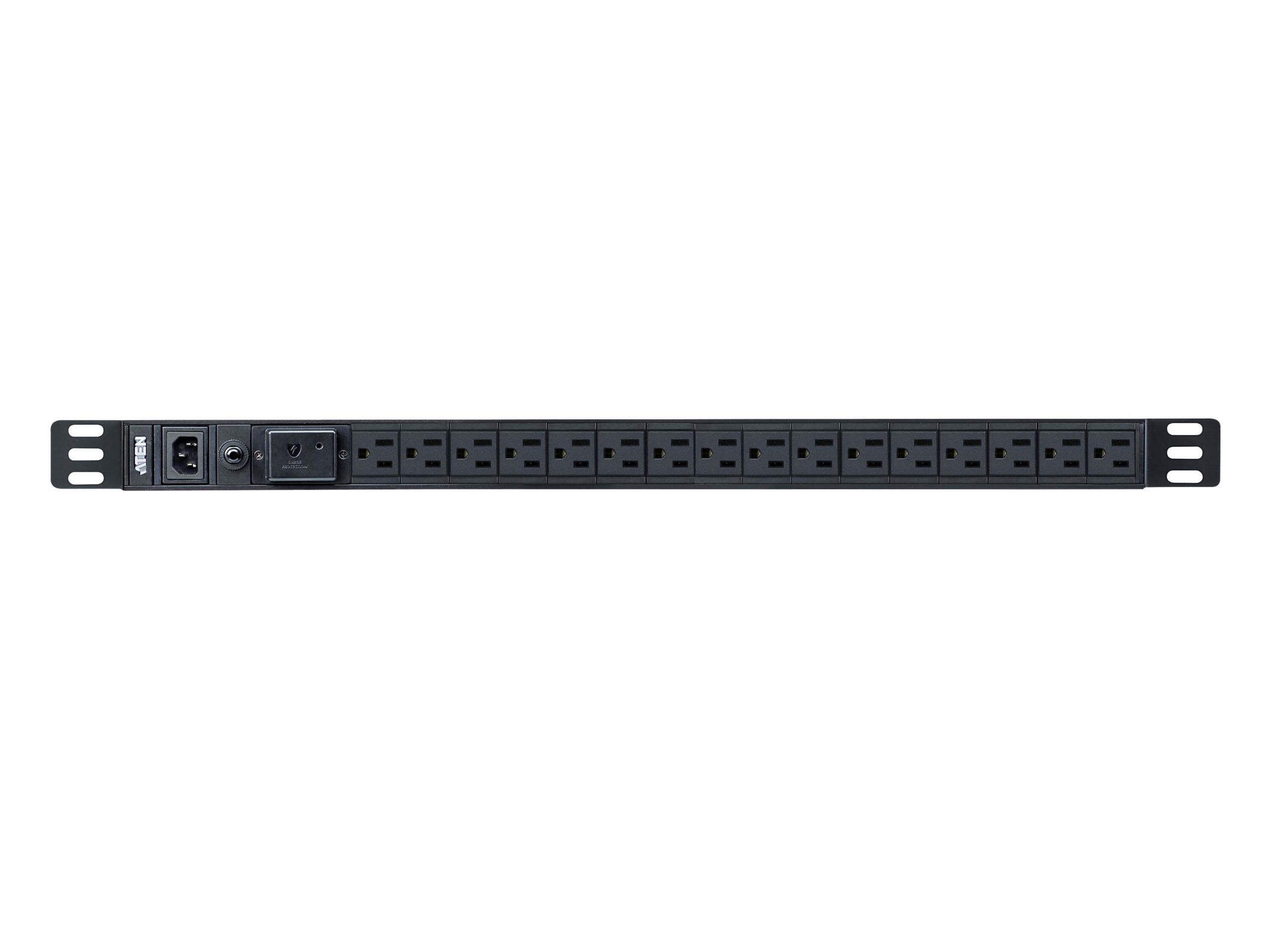
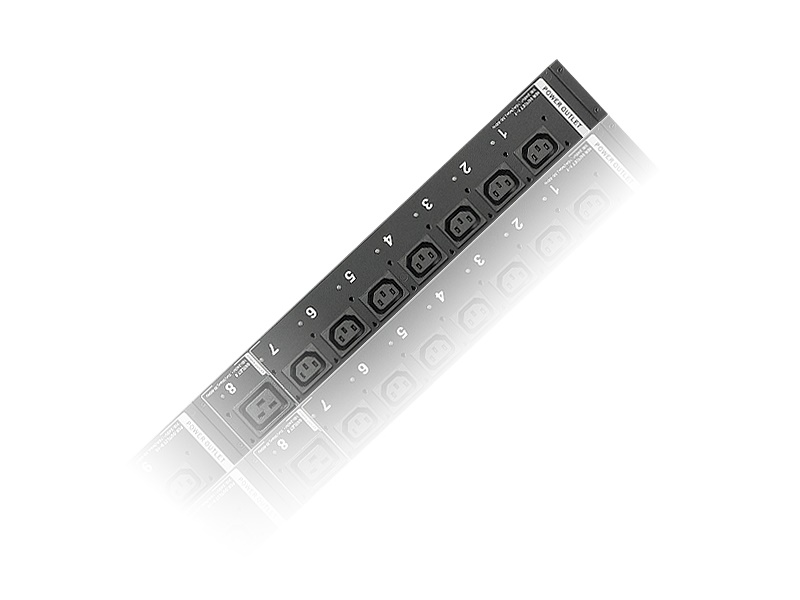
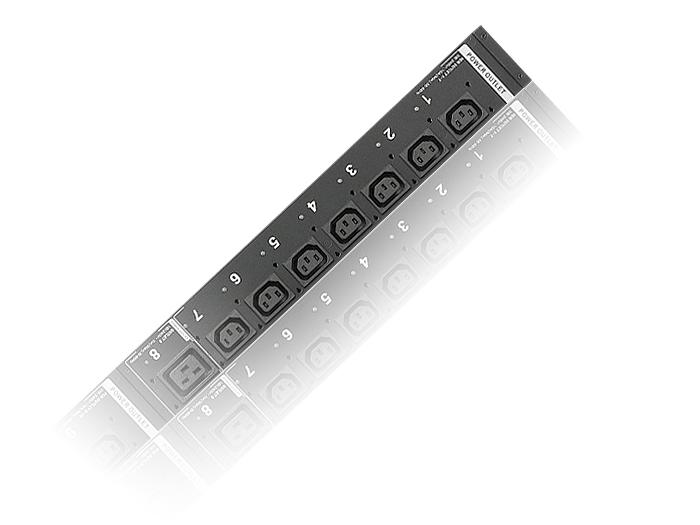
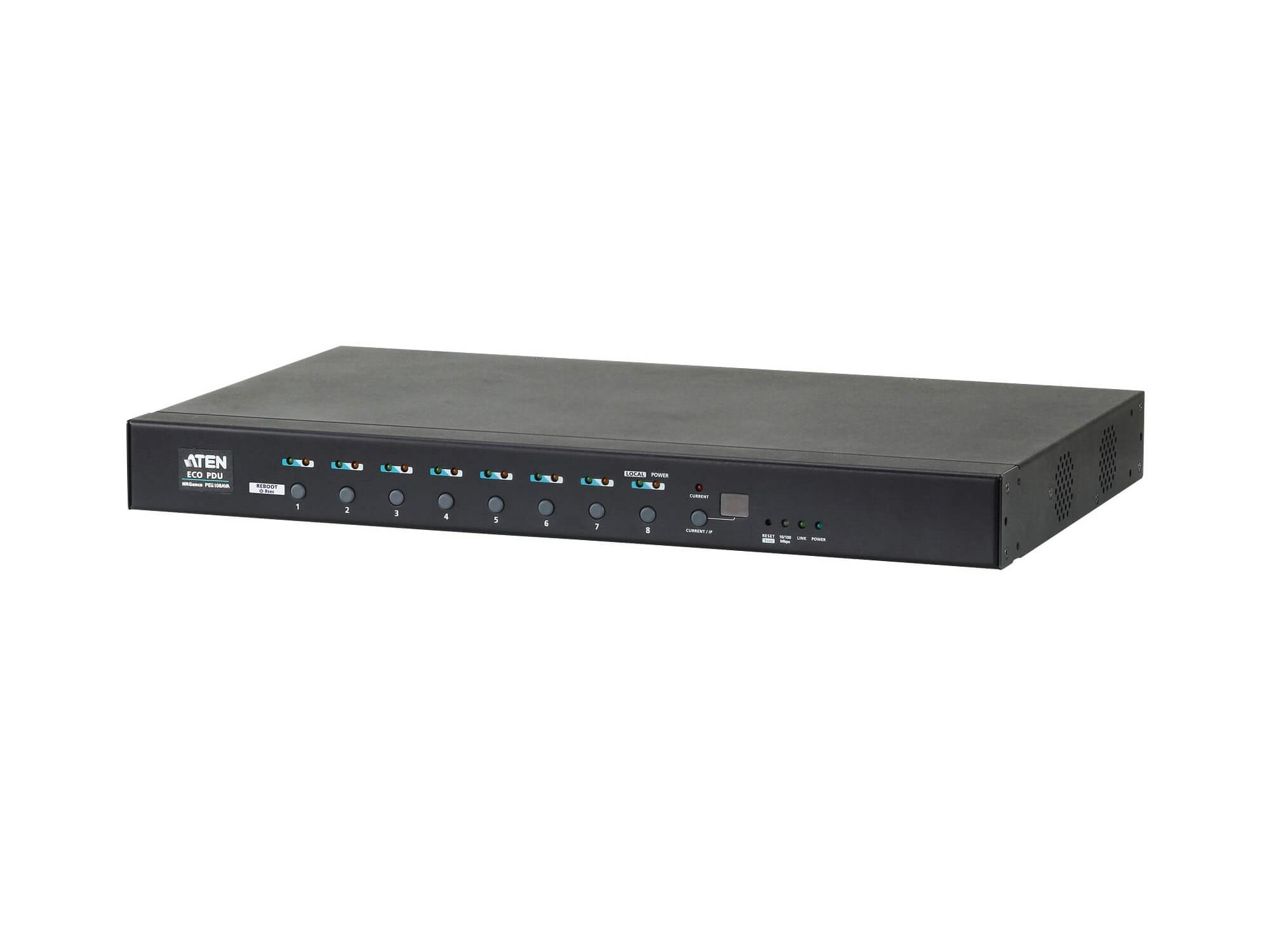
Power Distribution Units (PDUs) are the rack-mount power strips that deliver electrical power to multiple devices in an equipment rack. They take a single high-current input (typically 15 to 30 amps at 120V or 208V, sometimes higher) and distribute it across many outlets, providing organized power management for the equipment in the rack. PDUs are the workhorse power product in every commercial AV equipment room.
PDUs come in increasing levels of capability. Basic PDUs are simple multi-outlet strips with surge protection and the rack mount form factor: lowest cost, simplest, suitable for installations where power monitoring isn't needed. Metered PDUs add power monitoring: a display shows the total current being drawn through the PDU, useful for verifying the rack isn't approaching its power limit and for tracking power consumption. Switched PDUs add remote control: each outlet can be turned on or off from a web interface, network commands, or integration with control systems. Smart or intelligent PDUs combine metering, switching, and environmental monitoring (temperature, humidity inside the rack).
PDUs come in many outlet configurations to fit different equipment needs. The most common in North America: NEMA 5-15R (standard 120V outlets), NEMA 5-20R (20A 120V outlets), NEMA L5-30R (30A 120V locking outlets), C13 (the common rack equipment connection in many countries), and C19 (higher-current rack equipment connections for amplifiers and servers). Many PDUs mix outlet types to accommodate varied equipment. Always specify the right outlet types for your equipment; mismatches require expensive adapter cables.
PDU input power comes from the building's electrical infrastructure. Single-phase 120V circuits provide 15 to 20 amps typically; single-phase 208V or 240V provides higher current capacity; three-phase 208V or 480V serves the largest power loads. The PDU's input plug (NEMA 5-15P, 5-20P, L5-30P, L6-30P, IEC 60309, or others) must match the wall outlet or hardwired circuit. For new installations, plan the electrical infrastructure with appropriate circuits for the PDU loads.
Quality PDUs often group outlets into zones with separate breakers or current monitoring per zone. This serves several purposes: protecting against overload on individual zones (if one zone trips, others continue working), allowing different equipment groups to be controlled separately (in switched PDUs), and providing redundancy (some critical equipment can be served by two PDUs on different circuits, with automatic transfer if one fails). Zone-based PDUs are common in mission-critical installations.
Most quality PDUs include surge protection: passive components that absorb voltage spikes before they reach the connected equipment. Surge ratings are measured in joules (energy absorption capacity) and clamping voltage (the level at which protection activates). Quality commercial PDUs have high joule ratings (thousands of joules) and tight clamping voltage. For mission-critical installations, dedicated surge protection devices upstream of the PDU provide additional protection.
Smart PDUs provide network-based monitoring and control: a web interface for viewing real-time power consumption, SNMP for integration with monitoring systems, and APIs for control system integration. Through these interfaces, installers can remotely view power consumption (helping identify equipment that's drawing more power than expected, possibly indicating a failing device), control individual outlets (rebooting equipment remotely without a service visit), and respond to alarms (high temperature, exceeded current thresholds, lost outlet power). This monitoring capability is essential in installations with many racks across multiple buildings.
PDUs are essential in every commercial AV equipment room: every equipment rack has at least one PDU distributing power to the rack-mount gear, larger installations may have multiple PDUs per rack for redundancy or capacity, mission-critical installations use switched and smart PDUs for remote management, and the largest installations integrate PDU monitoring with central infrastructure management. From small wall-mount AV racks to large broadcast facility equipment rooms, PDUs are the foundational power product.
A power strip is a consumer product, typically with 6 to 8 outlets, surge protection, and a 6-foot cord, designed for desktop or floor use. A PDU (Power Distribution Unit) is a commercial/industrial product designed for rack mount in equipment racks: it includes the rack mount form factor (typically 1U or 2U), higher current capacity (15 to 30 amps or more), multiple outlet configurations (mixing standard outlets with high-current C19 or NEMA L5-30 outlets), and often advanced features (metering, switching, environmental monitoring). PDUs are also designed for continuous heavy-duty use in equipment rooms, with much higher reliability and capacity than consumer power strips.
Basic PDUs are sufficient for installations where power monitoring and remote control aren't important: simple AV equipment racks with a small number of devices, residential installations, budget-constrained projects. Switched PDUs are worth the additional cost in installations where you might need to remotely cycle equipment (avoiding service visits to power-cycle a stuck device), where power monitoring helps detect problems early (a device drawing more power than expected often indicates impending failure), and where control system integration enables automated startup/shutdown for energy efficiency. For most modern commercial AV equipment rooms, switched PDUs are worth the investment.
Calculate the total current draw of all equipment in the rack, with margin for safety and future expansion. A typical PDU is rated for 15, 20, or 30 amps. The PDU and its input circuit should be sized for at least 80 percent of capacity at full load (NEC requirement for continuous loads), so a 20A PDU should serve no more than 16A of continuous load. Common AV equipment current draws: small switchers and processors (under 1A each), amplifiers (highly variable, 1 to 10A or more depending on size), servers (3 to 5A each at full load), large network switches (3 to 8A). Add up the loads with margin; if you'll exceed 80 percent of the PDU rating, use multiple PDUs or higher-capacity circuits.
A 120V PDU connects to a standard 120V circuit, distributing 120V to its outlets. This is the typical configuration in North American residential and small commercial installations. A 208V PDU connects to a 208V circuit (common in commercial buildings with three-phase electrical service), distributing 208V to its outlets. 208V circuits can deliver more power at the same current rating (208V at 20A is 4160 watts vs. 120V at 20A being 2400 watts), making them more efficient for high-power equipment. Many modern AV amplifiers and servers accept 100-240V input universally and work with either configuration; some equipment requires specific input voltage.
Environmental monitoring in smart PDUs typically includes temperature and humidity sensors inside the rack. The PDU reports environmental conditions through its monitoring interface, alerting if temperatures exceed safe operating limits or humidity falls outside acceptable ranges. This is valuable in equipment rooms where HVAC failures could damage equipment, in unmanned remote locations, and in any installation where environmental conditions affect equipment reliability. Some PDUs support additional external sensors (water leak detection, door sensors, additional temperature points) for comprehensive environmental monitoring.
Every commercial AV equipment room: every equipment rack has at least one PDU distributing power to the rack-mount gear (basic PDUs in budget installations, switched PDUs in mid-range, smart PDUs in mission-critical or large installations). Larger installations may have multiple PDUs per rack for redundancy (A and B feeds from separate circuits) or for capacity (when total power draw exceeds a single PDU's rating). Mission-critical installations (broadcast facilities, hospitals, financial trading floors) use switched and smart PDUs for remote management and monitoring. The largest installations integrate PDU monitoring with central infrastructure management.

On order over $300 and more for US and US territory

We Offer a 30-Day Money Back Guarantee

Full manufacturer's warranty and quality assurance

Safe checkout with trusted payment providers