




Start typing to see results...
Find the perfect solution
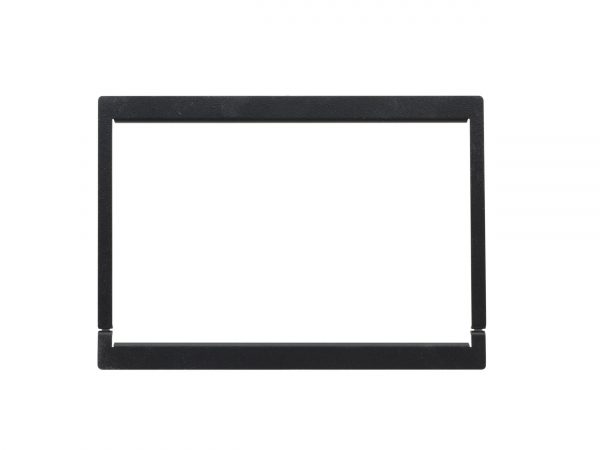
Wall mounts attach flat-panel displays, projectors, speakers, and other AV equipment to walls. They are the most common mounting solution in commercial AV: every conference room display, classroom projector, retail display, hospitality TV, and digital signage panel needs a wall mount of some kind. The right mount determines whether the installation looks professional, supports the equipment safely over the long term, and allows any required adjustment for viewing angle or service access.
Several types of display wall mounts dominate the market. Fixed mounts hold the display in one position parallel to the wall: lowest cost, simplest, suitable for installations where the viewing angle is set during installation and doesn't change. Tilt mounts allow the display to tilt up or down (typically 5 to 15 degrees) for viewing angle adjustment: useful for displays mounted higher than the viewers' eye level. Swivel or articulating mounts allow horizontal rotation: useful for displays that serve multiple viewing positions. Full-motion (articulating arm) mounts combine tilt, swivel, and extension from the wall: maximum flexibility, used where the display needs to be repositioned regularly.
Every wall mount has a maximum display size and weight rating. Match the mount to the actual display: a 65-inch 4K TV weighs about 60 pounds and needs a mount rated for at least 80 to 90 pounds. Larger displays (80+ inches) can weigh 100+ pounds and need heavy-duty mounts with proper wall anchoring. Always check both the display size range (typically 32 to 65 inches, 55 to 80 inches, or 70 to 100 inches in mount specifications) and the weight capacity. VESA pattern (the standardized mounting hole spacing on the back of displays) must also match: 200, 300, 400, 600 are common sizes.
The wall mount is only as strong as its attachment to the wall. For displays of significant weight, mount to wall studs using lag bolts (typically 1/4-inch or 3/8-inch diameter, long enough to penetrate the stud at least 1.5 inches). For concrete or brick walls, use masonry anchors rated for the weight. For drywall without a stud available, use specialty heavy-duty wall anchors specifically rated for the display weight; even these have limits and shouldn't be used for very large displays. Always treat drywall as a finishing surface, not a structural one.
Several specialty wall mount types serve specific needs. Tilt-down mounts hide the display flat against the wall when not in use, tilting down for viewing (common in conference room ceilings and overhead applications). Pull-out mounts allow the display to slide out from the wall for service access without removing the mount. Anti-theft mounts add security features (tamper-resistant fasteners, integrated cable locks) for public installations. Outdoor wall mounts include weather sealing for outdoor digital signage and hospitality applications.
Projector mounts attach projectors to walls (for short-throw projectors) or ceilings (the standard for installation projectors). Ceiling mounts hang from the ceiling structure with adjustable arms for proper aim. Quality projector mounts include precise micro-adjustment for keystone and image positioning, cable management for the often-long cable runs to projectors, and security features (locking covers) for installations where the projector is at risk of tampering or theft.
Wall mounts for speakers are covered in the dedicated Speaker Mounts category, but overlap with this general Wall Mounts category. The same principles apply: weight rating with margin, proper wall anchoring, aim adjustment for coverage, and corrosion resistance for outdoor installations.
Wall mounts are essential in every commercial AV installation with wall-mounted equipment: conference rooms and boardrooms (display wall mounts, sometimes with projectors on ceiling mounts), classrooms and training rooms (interactive display wall mounts, projectors on ceiling mounts), retail and hospitality (display mounts throughout customer-facing spaces), digital signage (mounts at every display location, often outdoor-rated for exterior signage), houses of worship (main display mounts, overflow room displays), and residential installations (every TV needs a wall mount). The mount determines the installation's professional appearance and long-term reliability.
Choose fixed mounts when the display is in a single position with the viewer in a single primary location, and the mount can be aimed correctly during installation (residential bedroom TVs, lobby displays, conference room main displays where the viewing position is established). Choose tilt mounts when the display is mounted higher than the viewers' eye level and needs a downward tilt for proper viewing angle (above fireplaces, on high walls). Choose swivel or full-motion mounts when the display must serve multiple viewing positions or needs repositioning regularly (kitchens, multi-purpose rooms, BYOD conference rooms where laptops connect at various positions). Full-motion costs more but provides significant flexibility.
Find the display's actual weight in the manufacturer's specifications. The mount should be rated for at least 1.25 to 1.5 times that weight, providing margin for safety. So a 60-pound display should have a mount rated for at least 75 to 90 pounds. Larger displays in commercial environments (80+ inches, 100+ pounds) need heavy-duty mounts with proper wall anchoring to studs or masonry. Always check both the size range (mount's stated display size compatibility) and the weight capacity; both must match. For overhead or high-mounted displays, never use undersized mounts.
VESA pattern is the standardized hole spacing on the back of displays where the mount attaches. Common patterns: VESA 75 (75mm x 75mm), VESA 100 (100x100), VESA 200 (200x100 or 200x200), VESA 400 (400x200 or 400x400), VESA 600 (600x400). The pattern is specified in the display's manual or on its back. Find your display's VESA pattern, then verify the mount supports it (most mounts cover multiple patterns). For displays without VESA holes, an adapter plate may work, or you'll need a different mount style.
Only very lightweight displays can hang from drywall anchors alone. For most flat-panel TVs (40 inches and larger, weighing 30+ pounds), mount to the wall stud behind the drywall using lag bolts, or to a wood blocking plate installed during construction. For brick or concrete walls, use masonry anchors rated for the weight. For installations where you can't reach a stud (the mount location is between studs), use specialty heavy-duty wall anchors specifically rated for the TV's weight; even these have limits and shouldn't be used for very large displays. Always plan the mount location relative to wall structure before installation.
A tilt-down mount hides the display flat against the wall (or ceiling) when not in use, tilting down to viewing position when activated. The mechanism is typically motorized, with a button or control system command lowering the display. Tilt-down mounts are common in conference rooms with overhead displays (the display hides in the ceiling when not in use, lowers for meetings), in residential applications where the display should hide when not in use (above fireplaces, in formal rooms), and in any installation where the display needs to disappear when not active. Quality tilt-down mounts include safety features (obstacle detection) and integrate with room control systems.
Every commercial AV installation with wall-mounted equipment: conference rooms and boardrooms (display wall mounts on the front wall, sometimes with projectors on ceiling mounts), classrooms and training rooms (interactive display wall mounts, projectors on ceiling mounts), retail and hospitality (display mounts throughout customer-facing spaces, often with anti-theft features), digital signage (mounts at every display location, often outdoor-rated for exterior signage), houses of worship (main display mounts visible to the congregation, overflow room displays, lobby information displays), residential installations (every TV needs a wall mount), and any environment where AV equipment must be wall-mounted for clean appearance and proper positioning.

On order over $300 and more for US and US territory

We Offer a 30-Day Money Back Guarantee

Full manufacturer's warranty and quality assurance

Safe checkout with trusted payment providers