




Start typing to see results...
Find the perfect solution
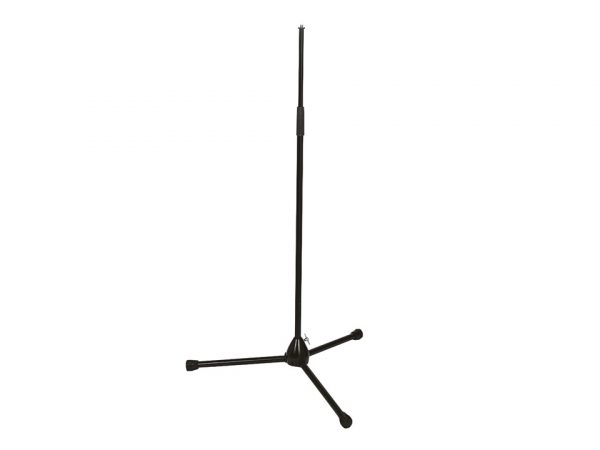
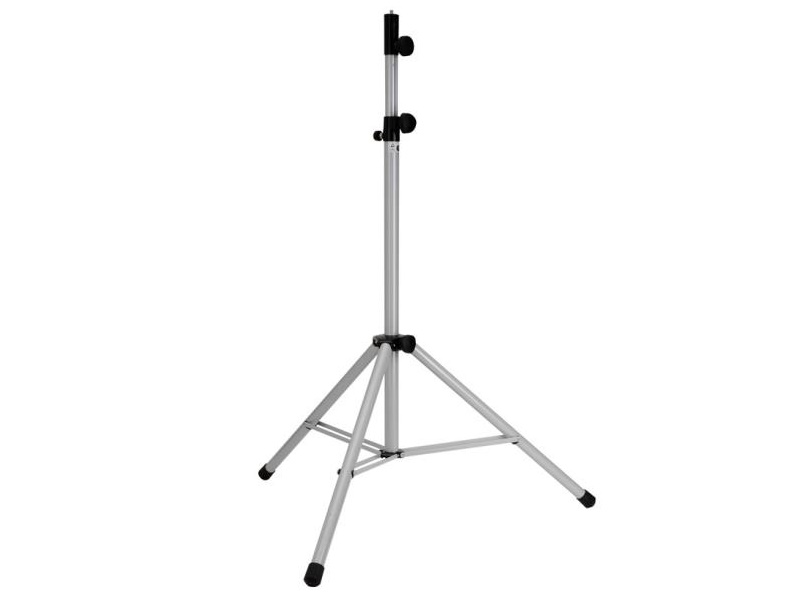
Stands and carts hold AV equipment without permanent attachment to a building structure. They are essential for events, rental and staging, training rooms, and any installation where flexibility matters more than permanent installation. Common types include speaker stands and tripods (elevating speakers for live sound and events), display stands and carts (holding flat-panel displays at viewing height with wheels for moving), equipment carts (holding AV racks and equipment for portable installations), and specialty stands for specific equipment.
Speaker stands elevate speakers for proper coverage of audiences seated below them. Tripod stands are the dominant style for portable applications: lightweight, fold flat for transport, adjustable height for different audience sizes and seating arrangements. Heavy-duty tripod stands support large PA speakers used in live concerts and events. Lighter tripod stands handle monitor speakers and small portable speakers. Quality stands include locking mechanisms to prevent collapse, weight ratings appropriate for the speakers, and stable bases for safe operation.
Display stands hold flat-panel displays at viewing height, ranging from floor stands (a single column with weighted base, supporting displays from 32 to 86 inches) to multi-screen carts (holding two or more displays for video walls or comparison work) to mobile carts with wheels (for moving the display between rooms). Display stands are common in classrooms (the instructor can move the display where needed), in conference rooms with flexible setups (the display moves between different room configurations), in retail (rolling displays for product demonstrations), and in rental and staging (every event needs displays that move easily).
Equipment carts hold AV equipment plus the cables and accessories needed for portable installations. They typically include rack mounting (for rack-mount AV gear), wheels for mobility, drawers or compartments for cables and accessories, and integrated power management. Common scenarios: a school's media cart that moves between classrooms, a hospital's mobile AV cart for training and procedure rooms, a corporate event AV cart that travels between meeting spaces. Quality equipment carts are rated for the weight they carry, with quality casters and safety features.
Projection screens come in stand-mounted versions for portable applications: a tripod or roll-up base supporting a screen that pulls up vertically or unfolds for use, then collapses for storage and transport. Projection screen stands are essential for events without permanent screens (corporate meetings in hotels, training in temporary spaces, rental and staging applications). Quality stands include adjustable height, stable bases, and tensioning systems that keep the screen flat for sharp projected images.
Beyond standard speaker, display, and equipment stands, specialty stands serve specific applications: microphone stands (boom and straight stands for vocalists, instrument stands for music applications, broadcast stands for studio use), camera stands and dollies (for video production), lighting stands (for stage and event lighting), and music stands (for performers reading sheet music). Each serves a specific use in events, performance, and production.
Stands and carts are typically subject to less rigorous installation than permanently mounted equipment, but safety still matters. Stable bases prevent tipping when bumped. Weight ratings prevent collapse under load. Locking mechanisms prevent height adjustments from slipping. Quality casters resist failure under heavy load. For rental and staging where stands see daily heavy use, professional-grade products from established manufacturers (Atlas Sound, Manfrotto, K&M, Avenger, similar) last far longer than budget consumer products.
Stands and carts are essential in events and rental and staging (every event needs portable equipment support), education (classroom carts for AV equipment that moves between rooms), corporate (training rooms with flexible setups, executive briefing centers), hospitality (rolling AV equipment for various event spaces in hotels and convention centers), houses of worship (portable equipment for outdoor services and outreach events), broadcast and production (camera stands, microphone stands, specialty equipment supports), and any installation where AV equipment must be portable or repositionable.
Use stands for portable applications: events and rental and staging (where equipment moves between venues), education where AV equipment must travel between classrooms, corporate training rooms with flexible layouts, hospitality and convention centers with varying event setups, and any installation where flexibility matters more than permanent placement. Use permanent mounts (walls, ceilings, racks) for installations where the equipment lives in one place long-term: most conference rooms, residential AV, retail digital signage, fixed broadcast facilities. Stands cost less to install (no wall anchoring or rack installation) but offer less professional aesthetics for visible permanent equipment.
Quality matters significantly in stands and carts because they support equipment under load. Budget stands often have undersized weight ratings (failing under heavier speakers), unstable bases (tipping under accidental impact), weak locking mechanisms (slipping height adjustments mid-show), and short useful lifespans (failing after a few months of regular use). Professional stands from established manufacturers (K&M, Atlas Sound, Ultimate Support, similar) have higher weight ratings, stable bases with proper geometry, reliable locking mechanisms, and lifespans measured in years of heavy use. For rental and staging companies, professional stands pay for themselves through reliability and longevity.
Match the stand to the display size and weight. Floor stands typically specify a size range (32 to 65 inches, 55 to 80 inches, 70 to 100 inches) and weight capacity. The stand should be rated for the actual display weight with margin. Consider the base: floor stands with weighted bases are stable but heavy; carts with wheels are mobile but need locking casters for safety once positioned. Consider height adjustment: some stands have fixed height, others adjust for different viewing positions. For commercial use, consider cable management and accessory mounts (for media players, cameras, accessories that go with the display).
A tripod speaker stand is a free-standing stand with three legs and a vertical pole that supports a speaker at the top. The legs fold for transport. Subwoofer poles are different: they attach to a subwoofer on the floor, providing a vertical pole on top of the subwoofer for mounting a satellite speaker (full-range tops on subwoofer for ground-stacked PA). The subwoofer's weight provides stability for the satellite speaker above. Subwoofer pole mounting eliminates the need for a separate stand for the satellite speaker and creates a cleaner overall appearance.
The right cart depends on the equipment and how it moves. For school media carts (TV plus DVD player or Blu-ray, occasional document camera): a basic AV cart with vertical column, top shelf for the display, and lower shelves for sources. For mobile equipment racks (full AV equipment that moves between event spaces): a rolling rack with full 19-inch rack mounting, integrated power, and quality casters. For broadcast and production (cameras, monitors, control gear): specialty carts with deep storage, multiple shelves, and heavy-duty casters. Quality carts have weight ratings appropriate for the contents and locking casters for safety once positioned.
Events and rental and staging (every event needs portable equipment support; rental and staging companies own large inventories of speaker stands, display stands, microphone stands, lighting stands), education (classroom carts that move AV equipment between rooms, specialty stands for science and demonstration labs), corporate (training rooms with flexible setups, executive briefing centers, conference centers with movable equipment), hospitality and convention centers (rolling AV equipment serving multiple event spaces), houses of worship (portable equipment for outdoor services and outreach events), broadcast and production (camera stands, microphone stands, specialty equipment supports for shoots on location), and any installation where AV equipment must be portable or repositionable.

On order over $300 and more for US and US territory

We Offer a 30-Day Money Back Guarantee

Full manufacturer's warranty and quality assurance

Safe checkout with trusted payment providers