




Start typing to see results...
Find the perfect solution
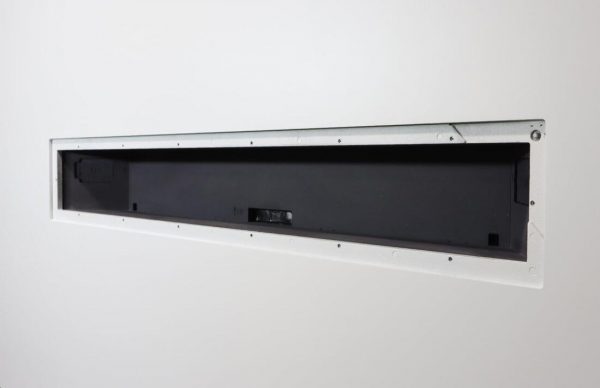
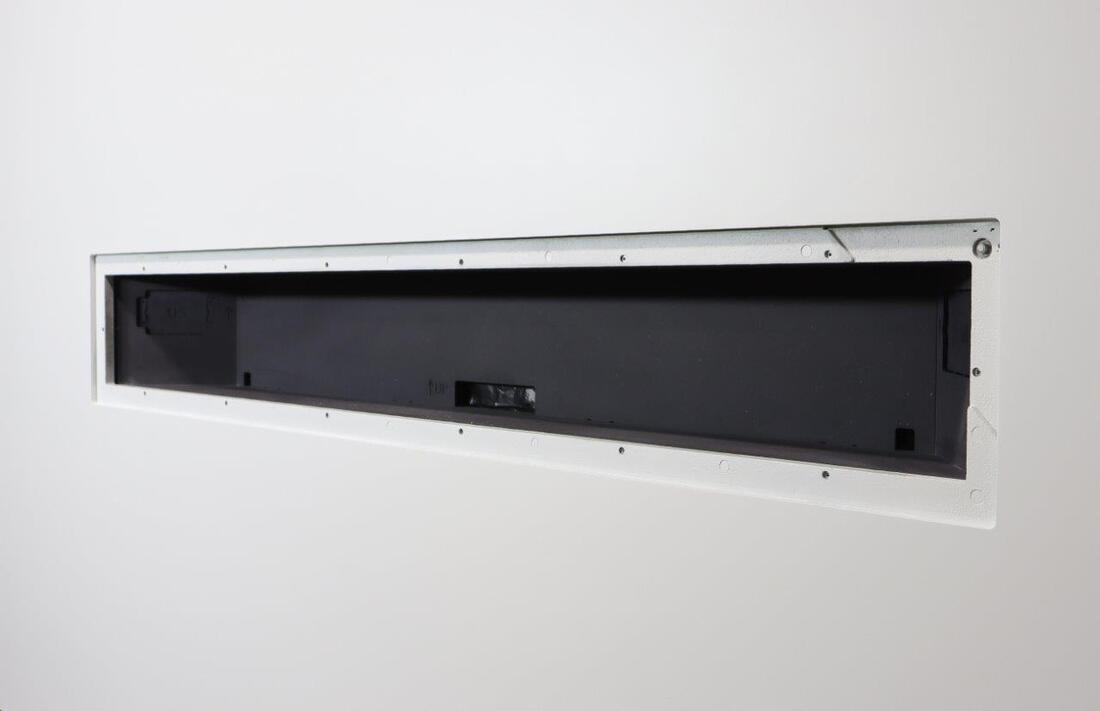
Speaker mounts physically attach loudspeakers to walls, ceilings, poles, trusses, and other structures. The right mount supports the speaker's weight safely over the long term, allows proper aim adjustment for coverage, resists environmental conditions (corrosion outdoors, vibration in industrial settings), and looks appropriate for the installation environment. Speaker mounts are deceptively important: a wrong mount can cause coverage problems, safety hazards, and aesthetic issues that are difficult and expensive to fix after the install.
Wall mount brackets are the most common speaker mount, attaching speakers to building walls or interior columns. Quality wall mounts include tilt-and-swivel adjustment so the speaker can be aimed at the listening area after installation. Wall mounts come in various weight capacities and mounting hole patterns to match different speakers. Fixed wall mounts (no adjustment) are simpler and cheaper, used where aim doesn't need to change. Tilt-only or swivel-only mounts are intermediate options.
Ceiling mounts attach speakers to ceiling structures, either flush-mounted into the ceiling itself (in-ceiling speakers) or hanging below the ceiling on pendant mounts. Pendant mounts are common in spaces with high ceilings where in-ceiling speakers would be too far above the audience: industrial spaces, gymnasiums, warehouses, large worship spaces. Quality pendant mounts include tilt adjustment for aiming the speaker at the listening area, with cable management for the speaker wire.
Pole mounts attach speakers to vertical poles, used outdoors in stadiums, sports facilities, amusement parks, parking lots, and any installation where speakers are mounted on dedicated poles or existing light poles. Yoke mounts use a U-shaped bracket that supports the speaker between two arms, providing rotation around the vertical axis. Yokes are common on outdoor speaker boxes, on high-power speakers needing structural support, and on speakers that need to be aimed precisely in azimuth.
For concert, theater, and live event applications, speakers are often flown from overhead truss systems. Rigging hardware includes shackles, slings, motors and chain hoists for raising speakers, structural plates and bumpers that interface speaker arrays with truss, and the safety hardware that prevents falls. Flying speakers requires certified equipment and proper engineering; never improvise rigging for overhead speakers.
Every speaker mount has a maximum load rating, expressed in pounds or kilograms. The mount must always be rated above the actual weight of the speaker, with comfortable safety margin (typically 1.5 to 2 times the speaker's weight). Overloading a mount is a safety hazard: a falling speaker can injure people below and damage other equipment. For overhead speakers especially, never use undersized mounts and never assume "it will probably be fine".
Outdoor speaker mounts need corrosion-resistant materials. Stainless steel and anodized aluminum resist rust indefinitely; powder-coated steel works in most outdoor environments but can fail where the coating wears or chips. Marine-grade hardware adds higher corrosion resistance for coastal and shipboard installations. Always specify the right corrosion class for the environment; replacing a failed outdoor mount is more expensive than buying the right mount initially.
Speaker mounts are essential in commercial AV (conference rooms, restaurants, retail, fitness centers all have mounted speakers), live sound (PA stacks, monitor wedges, side fills, flown arrays), houses of worship (main speakers, choir monitors, overflow room speakers), outdoor venues (sports fields, amusement parks, marine installations, stadium concourses), industrial spaces (paging speakers in warehouses and factories, plant-floor announcements), and any installation where speakers must be mounted off the floor. The mount is often a small line item in the overall budget but a critical one for safety, performance, and longevity.
The mount should be rated for at least 1.5 to 2 times the actual weight of the speaker. So a 20-pound speaker should hang from a mount rated for at least 30 to 40 pounds. This safety margin accounts for dynamic loads (someone bumping the speaker, vibration over time, accidental impact) and the long-term effects of fatigue and slight movement. Always check both the speaker's published weight and the mount's load rating. For overhead speakers especially, never use undersized mounts; a falling speaker is a real safety hazard.
Tilt mounts allow up-and-down movement (vertical aim adjustment), useful for pointing the speaker at audience seats that aren't at the speaker's height. Swivel mounts allow side-to-side movement (horizontal aim adjustment), useful for pointing the speaker at different parts of the room. Most quality speaker brackets offer both tilt and swivel, with adjustable angle range. This is important when the mount is in a fixed location (a wall or ceiling) but the listening area is off-axis from where the speaker naturally points. Fixed mounts without aim adjustment are cheaper but assume the speaker can be aimed correctly during installation.
Use outdoor-rated mounts for any installation exposed to weather: sports facilities, parking lots, outdoor stages, amusement parks, hospitality patios. Standard indoor mounts will rust and fail outdoors, especially at the fasteners and attachment points. Use marine-grade hardware for installations near saltwater: coastal venues, marinas, shipboard installations. Marine-grade adds resistance to salt corrosion that standard outdoor mounts can't match. The cost difference is small compared to the failure cost; failed outdoor speaker mounts are expensive to service and can be dangerous.
Only very lightweight speakers can hang from drywall anchors alone. For anything heavier than about 5 pounds, mount to the wall stud behind the drywall (using lag bolts of appropriate diameter and length), to a wood blocking plate installed during construction, to a steel back-plate that distributes the load, or to specialty heavy-duty wall anchors specifically rated for the weight. Drywall is a finish surface, not a structural one; treating it that way is unsafe for heavy or overhead speakers.
A yoke mount is a U-shaped bracket that supports the speaker between two arms, providing rotation around the vertical axis. Yokes are common on outdoor speaker boxes (where they provide structural strength and corrosion resistance), on high-power live sound speakers needing serious support, and on speakers that need to be aimed precisely in azimuth (the horizontal direction). They are often used for outdoor sports venue speakers, large worship space speakers, and outdoor stage monitors. Yoke mounts are typically larger and more visible than wall brackets, suited to applications where structural integrity matters more than aesthetics.
Commercial AV (conference rooms, restaurants, retail, fitness centers with mounted speakers throughout), live sound (PA stacks, monitor wedges, side fills, flown line arrays), houses of worship (main loudspeakers, choir monitors, overflow room speakers, lobby and outdoor speakers), outdoor venues (sports fields, amusement parks, marine installations, parking lots, stadium concourses), industrial spaces (paging speakers in warehouses and factories, plant-floor announcements, evacuation systems), residential (in-wall and in-ceiling speakers throughout the home, outdoor patio and pool speakers), and any installation where speakers must be mounted off the floor for proper coverage and clean appearance.

On order over $300 and more for US and US territory

We Offer a 30-Day Money Back Guarantee

Full manufacturer's warranty and quality assurance

Safe checkout with trusted payment providers