




Start typing to see results...
Find the perfect solution
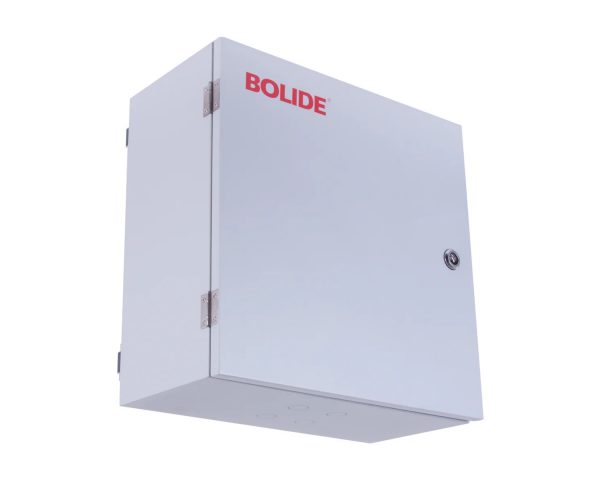
Racks and enclosures are the metal frames that house rack-mount AV equipment in commercial installations. They provide standardized mounting (the 19-inch internal width is universal), proper airflow for equipment cooling, cable management, physical security, and the organized professional appearance that distinguishes commercial AV from amateur installations. Quality racks and enclosures last 20+ years and accommodate generations of equipment changes within the same physical infrastructure.
Open-frame racks consist of vertical rails plus basic structural framing, with no doors, sides, or top. They are the lowest-cost rack option and provide excellent airflow because no enclosure restricts air movement. Open-frame racks are common in equipment rooms with controlled access (only authorized personnel enter), in environments where security against tampering isn't a concern, and where maximum cooling is needed. The trade-off is no physical security and no dust protection.
Enclosed racks have doors, sides, and top covers, providing physical security and dust protection. Doors typically include vents or perforations for airflow, with key or combination locks for access control. Side panels are often removable for service access. Enclosed racks are common in offices, retail spaces, hospitality, and any environment where the rack is in a public or shared area and physical security matters. They cost more than open-frame and offer slightly less cooling, but the security and professional appearance are usually worth it.
Wall-mount racks attach to walls rather than standing on the floor. They are smaller (typically 4U to 25U) and serve smaller installations where floor space is limited: conference room equipment closets, small retail back rooms, residential equipment areas. Quality wall-mount racks include proper anchoring to wall studs (or to wood blocking plates installed during construction), with weight ratings appropriate for the loaded rack weight. Always anchor wall-mount racks to structural elements; never to drywall alone.
Floor-standing racks sit on the floor on casters or fixed feet, supporting more equipment and heavier loads than wall-mount racks. Common heights: 12U (small), 25U (mid-size), 42U (full size for typical equipment rooms), and 48U or 52U (extra tall for dense installations). Floor-standing racks support hundreds of pounds of equipment when properly designed and anchored. Casters provide mobility during installation and service; fixed feet provide stability for permanent installations.
Rack depth determines what equipment fits inside. Shallow racks (12 to 20 inches deep) suit small equipment: audio gear, light AV switchers, smaller media players. Standard depth (22 to 28 inches) accommodates most AV equipment: amplifiers, larger switchers, control system processors. Deep racks (30+ inches) are needed for servers and high-power audio amplifiers that require space behind the equipment for cables and connections. Always specify depth carefully; equipment that doesn't fit must be moved to a different rack.
Some specialty enclosures provide sound isolation: foam-lined interiors that absorb fan noise from equipment, sealed designs that contain noise within the enclosure, and quiet cooling solutions that reduce the noise the rack contributes to the room. These specialty racks are common in recording studios, boardrooms, and other environments where equipment noise must not disturb users. The trade-off is reduced cooling capacity; high-power equipment may not fit in sound-isolated enclosures.
Quality racks include cable management as standard: vertical cable rings or channels along the rack rails, horizontal cable management between equipment, brushed openings for cable pass-through, and adequate space for cables to reach equipment from the rear. Without proper cable management, racks quickly become tangled nightmares that are difficult to service; with good cable management, racks remain organized and serviceable for decades.
Racks and enclosures are essential in every commercial AV installation: equipment rooms (every installation has at least one rack), conference rooms with on-site equipment racks (rather than central equipment rooms), retail installations (small wall-mount racks in back offices), broadcast and production facilities (many racks in tightly organized rows), houses of worship (production equipment racks in booth or rack room), data centers (rows of racks with AV gear alongside servers), and any installation where rack-mount AV equipment needs to be organized and protected.
Choose open-frame for equipment rooms with controlled access (only authorized personnel enter), where maximum airflow is needed, and where physical security against tampering isn't a concern. Open-frame is cheaper and provides better cooling. Choose enclosed racks for environments where the rack is in a public or shared area, where physical security matters, where dust protection is needed (industrial environments), and where the professional appearance of a clean enclosure matters for the room's aesthetic. Most commercial AV installations use enclosed racks; broadcast facilities and data centers often mix both styles depending on the specific room.
Add up the rack units (U, where 1U = 1.75 inches) of all your equipment, then add at least 25 percent margin for cable management, blanking panels, and future expansion. Typical sizes: 12U (small wall-mount for a few pieces of equipment), 25U (mid-size for moderately complex installations), 42U (full-size, the most common for equipment rooms), 48U or 52U (extra tall for dense installations or installations with rack-mount monitors). Always size with margin; running out of rack space later requires either replacing the rack or running cables to a second rack, both of which are expensive.
Choose wall-mount racks for small installations with limited floor space: conference room equipment closets (typically 6U to 12U), small retail back rooms, residential equipment areas. Wall-mount racks save floor space and are economical for smaller equipment loads. Choose floor-standing racks for larger installations with significant equipment: full equipment rooms, broadcast and production facilities, large commercial AV installations. Floor-standing racks support more weight and provide more depth for cable management. The break point is usually around 12U to 16U: smaller is wall-mount, larger is floor-standing.
Match the rack depth to the deepest equipment going inside. Audio gear, light switchers, and most consumer-grade equipment fits in 12 to 20 inch racks. Standard AV equipment (commercial switchers, control processors, amplifiers) fits in 22 to 28 inch racks. Servers, high-power audio amplifiers, and deep-chassis equipment need 30+ inch racks. Add 6 to 12 inches behind the equipment for cables and connections; equipment crammed against the rear of the rack without cable space is difficult to service and may pinch or damage cables. Most general AV installations use 28 to 30 inch deep racks.
Yes, most racks loaded with equipment need supplemental cooling. The equipment inside generates heat (proportional to power consumption); without airflow, temperatures climb until equipment fails. Open-frame racks provide good passive cooling. Enclosed racks need active cooling: doors with vents and perforations, top-mounted fans that pull hot air out, side fans for cross-flow, or fully ducted cooling for very high-density racks. Quality racks include thermometers or environmental monitoring to track interior temperatures and alert on overheating.
Every commercial AV installation has at least one rack: equipment rooms (the main collection of AV gear in floor-standing racks), conference rooms with on-site equipment (wall-mount or smaller floor-standing racks in equipment closets), retail installations (small wall-mount racks in back offices), broadcast and production facilities (many racks in tightly organized rows, often with specialty acoustic and electrical features), houses of worship (production equipment in booth racks or dedicated equipment rooms), data centers (rows of racks with AV gear alongside servers), and any installation where rack-mount AV equipment needs to be organized, protected, and serviceable long-term.

On order over $300 and more for US and US territory

We Offer a 30-Day Money Back Guarantee

Full manufacturer's warranty and quality assurance

Safe checkout with trusted payment providers