




Start typing to see results...
Find the perfect solution
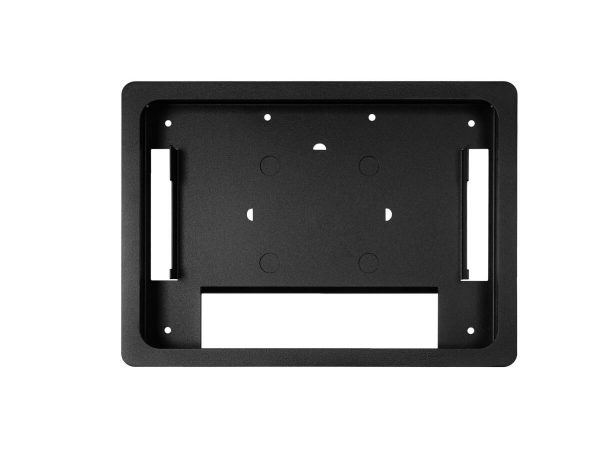
Mounting accessories integrate computers into commercial AV installations: rack mount kits for converting desktop and tower PCs to rack-mount, VESA mount adapters for attaching small PCs behind displays, under-table mounts for hiding PCs in conference rooms while keeping them serviceable, wall mounts for kiosk and signage installations, and the related hardware that makes computers fit physically into the AV environment.
Rack mount kits convert tower or desktop PCs to rack-mount format for installation in standard equipment racks. They typically include a shelf or sliding tray that supports the PC and rack ears that attach to the rack rails. Sliding rack mounts let the operator slide the PC out for service access without removing it from the rack. For PCs designed for rack mount from the factory, the chassis already includes rack ears; for converting consumer or business desktops, third-party rack mount kits provide the necessary hardware.
The VESA mount pattern (a standard hole spacing on the back of displays) provides a flexible mounting interface for small-form-factor PCs. VESA-mountable PCs (or VESA-mount adapters for non-VESA PCs) attach directly to the back of a display, hiding the PC behind the screen with no separate stand or shelf. This is the dominant architecture in digital signage (one display plus one small PC mounted on its back), in conference rooms with single-display setups, and in any installation where space is at a premium and clean aesthetics matter.
Under-table mounts attach to the underside of conference tables, hiding the PC from view while keeping it accessible for service. The mount typically includes mounting holes for the PC's screws (matching standard SFF or thin-client mount patterns), cable pass-through for the connections that come up through the tabletop to the user-accessible cable cubby or pop-up box, and adjustment for proper installation. Under-table mounts are common in conference rooms and boardrooms where the PC must be hidden but reachable for service.
Wall mounts attach PCs to walls in kiosk installations, industrial environments, retail signage, and other applications where the PC needs to be near a specific location but not hidden in a rack or behind a display. Wall mounts come in various weight ratings and mounting hole patterns to match different PC sizes, from thin clients and Intel NUC-sized PCs through full-size workstations. For outdoor or industrial environments, look for ruggedized wall mounts with weather protection and tamper-resistant fasteners.
The proliferation of small-form-factor PCs (Intel NUC, similar products from other manufacturers, thin clients) has created a market for specialty mounts. These small PCs fit under monitors, behind displays via VESA, inside furniture cavities, and in many tight spaces where full-size PCs wouldn't go. Specialty mounts match the specific mounting patterns of each manufacturer's products.
Quality PC mounts include cable management considerations: routing paths that keep cables organized, strain relief for cables exiting the PC, and clearance for the connection ports the PC uses (USB, HDMI, network, power). Poor cable management makes service difficult and can damage cables over time as the PC is moved or accessed. Always look for mounts with thoughtful cable management, especially for permanent installations.
Mounting accessories for computers are essential in digital signage (VESA mounts behind every display for media players), conference rooms and boardrooms (under-table mounts for hidden room PCs, VESA mounts for displays with integrated computers), classrooms and training rooms (under-podium or under-table mounts for instructor PCs), kiosks and self-service installations (wall and floor mounts for kiosk PCs), control rooms and broadcast facilities (rack mounts for production and control PCs), and any commercial AV installation where computers are physically integrated into the AV environment.
Several types serve different applications: rack mount kits convert desktop and tower PCs to rack-mount format for installation in standard equipment racks; VESA mount adapters attach small PCs to the back of displays using the standard VESA hole pattern; under-table mounts hide PCs under conference tables while keeping them accessible for service; wall mounts attach PCs to walls in kiosk and signage installations; and specialty mounts serve thin clients and small-form-factor PCs (Intel NUC, similar products). Each type matches a specific architectural choice for where the PC lives in the installation.
VESA-mount the PC when you want a clean single-device appearance (one display, no separate PC visible), when space is at a premium (conference rooms with limited floor space, retail digital signage where everything must look polished), and when the PC is small enough to fit cleanly behind the display without affecting display mounting. The architecture is dominant in digital signage (one small PC behind each display, often a thin client or Intel NUC), in single-display conference rooms (clean aesthetics matter), and in kiosks and self-service installations where the device should appear as one unit.
Three common approaches. Under-table mount hides the PC under the conference table with cable management to connections on the tabletop (via cable cubbies or pop-up boxes). VESA mount behind the display hides the PC entirely from view, integrated with the display. Equipment rack puts the PC in a separate equipment room with extension over CAT cable (HDBaseT or AV-over-IP) for the video and USB peripherals. Each approach has trade-offs: under-table is most accessible for service but adds clutter under the table; VESA-mount is cleanest but limits the PC's size; equipment rack provides full access for service but requires extension infrastructure.
A thin client is a small-form-factor PC designed for specific applications: digital signage, kiosks, basic computing in conference rooms and other simple environments. Thin clients are much smaller than desktop PCs (often 1 to 2 inches thick, 6 to 8 inches in other dimensions), typically with low-power CPUs, no hard drive (booting from network or flash), and minimal cooling needs. The small size enables specialty mounts: behind displays via VESA, in furniture cavities, on the back of monitors, in tight spaces where full PCs don't fit. The compact form is the entire point of using a thin client over a full PC.
Most PC mounts are passive (just providing physical support); the PC's power comes from its own power supply connected to an AC outlet. Some specialty mounts include integrated power for installations where running power cable to the mount location is impractical: kiosks with integrated power and data, modular table systems with built-in power for connected PCs, and similar applications. For standard installations, separate power management (in the rack, under the desk, on the wall) is more flexible and easier to service than integrated mount power.
Digital signage (every display has a small PC behind it via VESA mount, often a thin client or Intel NUC for content playback), conference rooms and boardrooms (under-table mounts for hidden room PCs, VESA mounts for integrated display-PC setups), classrooms and training rooms (under-podium or under-table mounts for instructor PCs that serve presentations, document cameras, and BYOD presentations), kiosks and self-service installations (wall, floor, and specialty mounts for the kiosk PC), control rooms and broadcast facilities (rack mounts for production and control PCs), and any commercial AV installation where computers need to be physically integrated into the AV environment.

On order over $300 and more for US and US territory

We Offer a 30-Day Money Back Guarantee

Full manufacturer's warranty and quality assurance

Safe checkout with trusted payment providers