




Start typing to see results...
Find the perfect solution
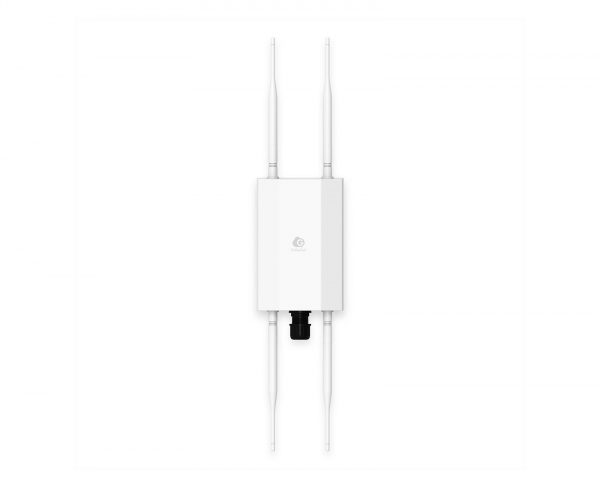
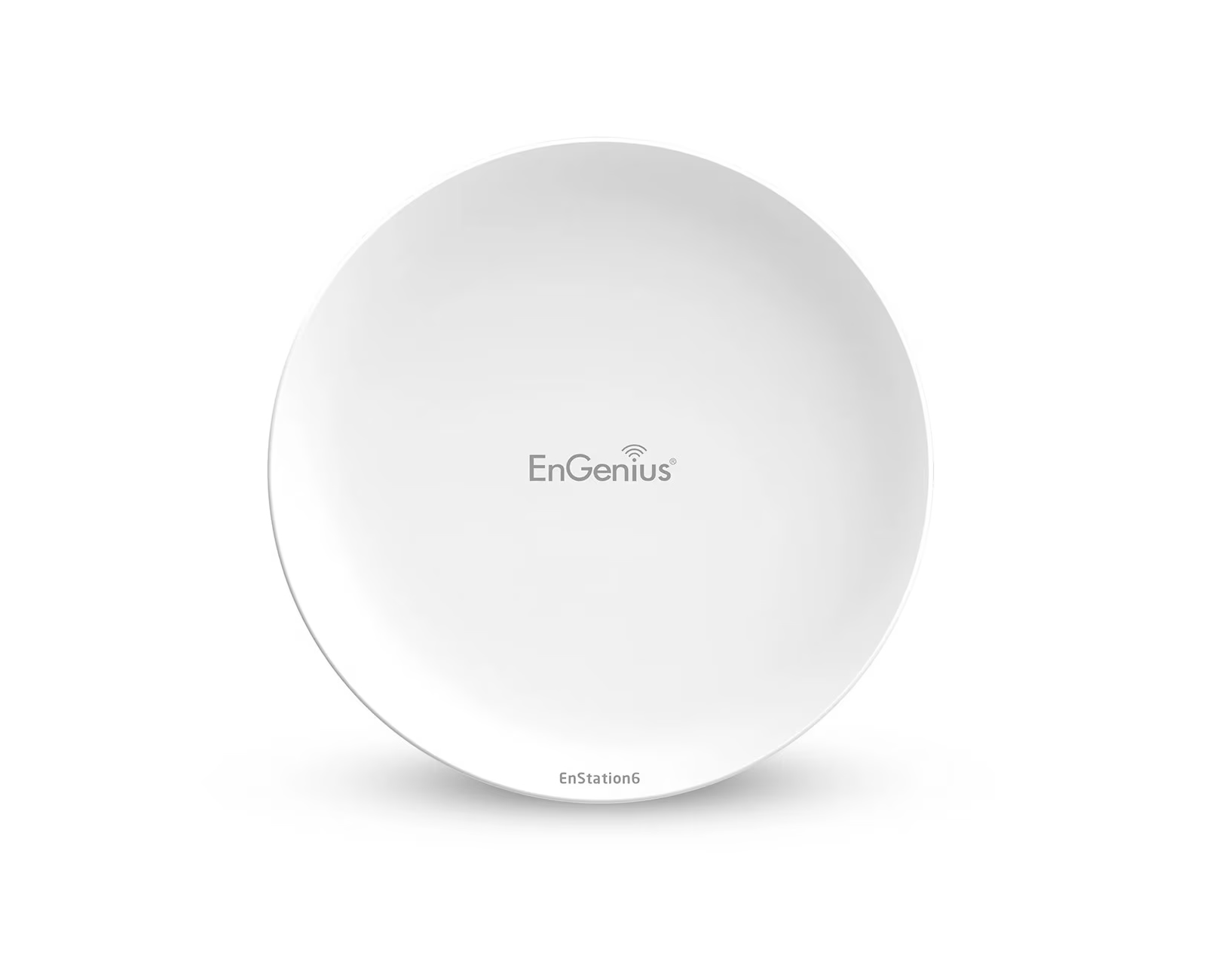
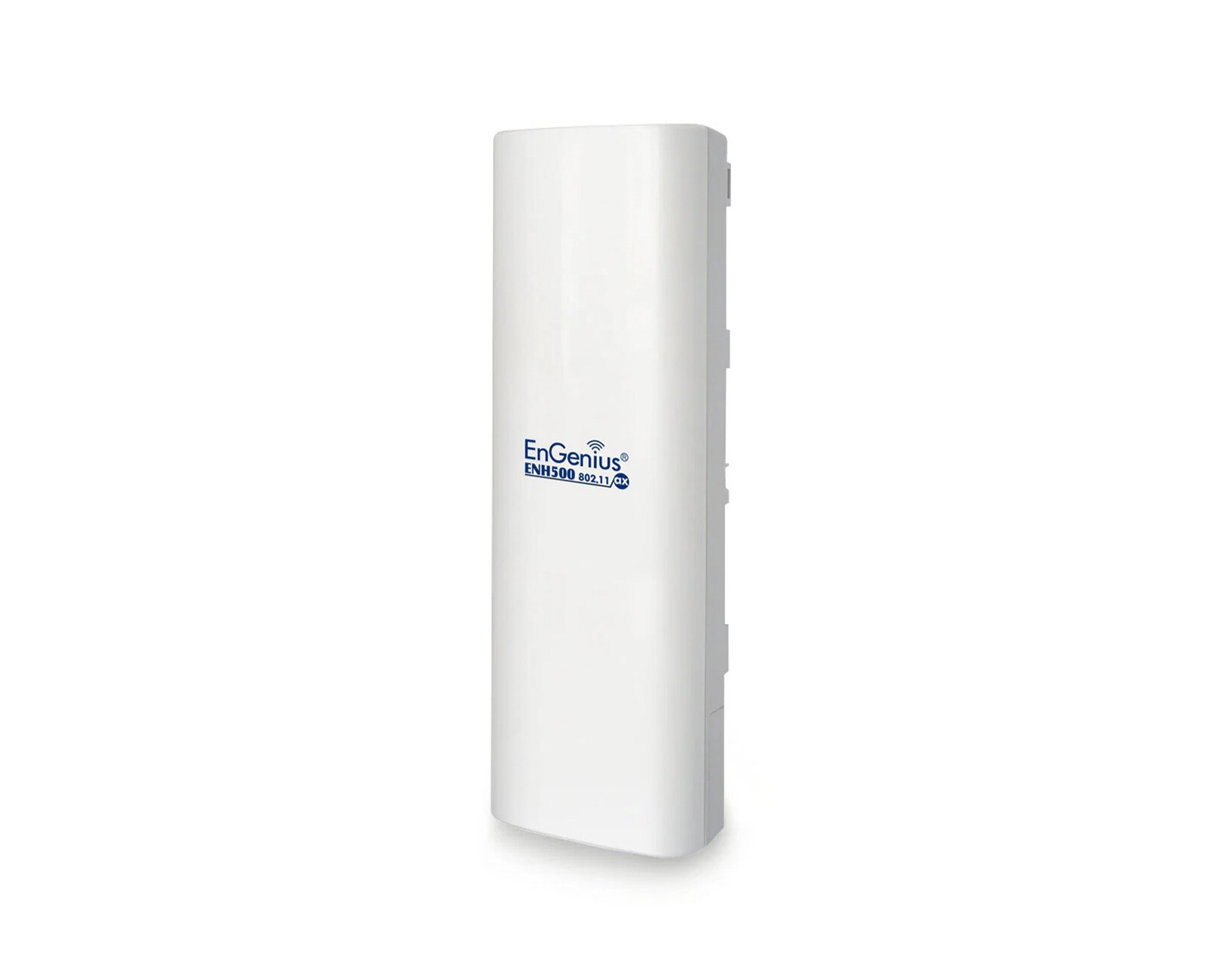
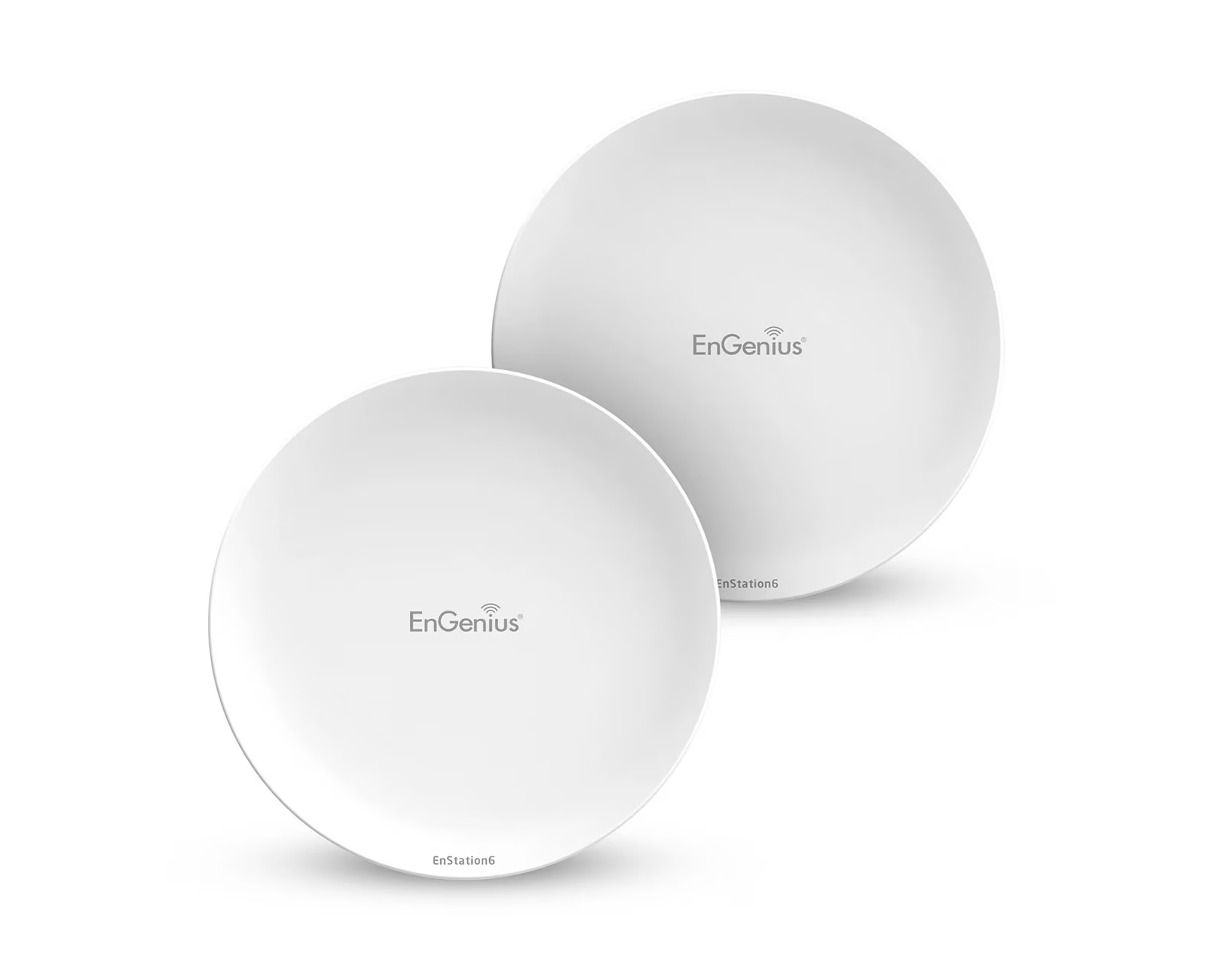
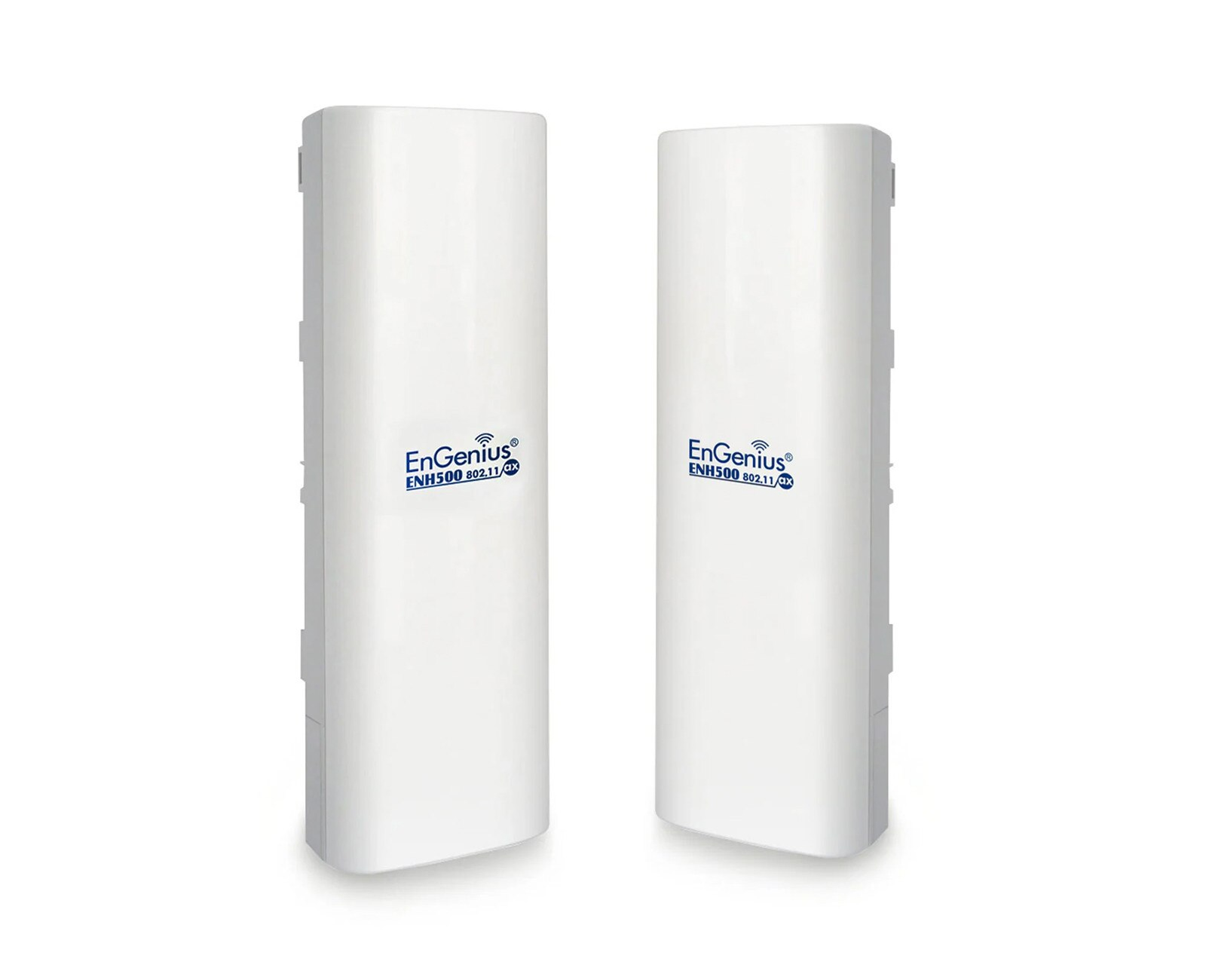
Ethernet extenders carry Ethernet network signals over distances greater than the standard 100-meter (328-foot) limit of CAT5e or CAT6 cable. Beyond 100 meters, Ethernet signals degrade and packet errors become unacceptable. Ethernet extenders use one of several technologies (signal regeneration, coaxial extension, fiber conversion, or specialized long-reach Ethernet protocols) to extend the network connection cleanly. They are essential in installations where network drops must reach beyond standard Ethernet distance limits.
The 100-meter Ethernet limit is generous for most office and commercial buildings, where switch closets sit within reasonable distance of any drop. But many installations face longer runs: cross-building campus links (one building's switch room to another's), large warehouses and factories with network drops far from the IT room, security camera installations with cameras hundreds of feet from the recording system, parking facilities and outdoor areas, sports venues, and any large facility where running fiber to every drop is impractical.
Coaxial Ethernet extenders carry Ethernet over existing coax infrastructure (often the same RG-6 used for cable TV in residential or hospitality installations). The extender pair converts Ethernet to a signal that travels over coax for 500 to 2000 feet, then converts back to standard Ethernet at the receiver. This is useful in installations where coax is already pulled (older buildings, hospitality, residential) but Ethernet would require new cable. The bandwidth is typically limited compared to direct Ethernet (often 100 Mbps), so the technology suits security cameras, control panels, and other moderate-bandwidth applications.
Specialized long-reach Ethernet extenders use modified signaling to push Ethernet further on twisted-pair cable: 500 meters, 1000 meters, or more on quality CAT cable. Bandwidth is typically lower than standard Ethernet (often 10 to 100 Mbps), but the simplicity (just CAT cable plus the extender pair) makes this attractive for installations where running fiber is impractical. Long-reach Ethernet is common in industrial automation, security, and large outdoor installations.
For long-distance high-bandwidth Ethernet, media converters bridge between copper Ethernet and fiber optic cable. A media converter pair (one at each end) takes copper Ethernet on standard RJ45 input, converts to fiber, runs through standard fiber patch cable, and converts back to copper at the receiver. Fiber Ethernet extension supports the full 1 Gbps, 10 Gbps, or higher data rates over kilometers, ideal for cross-building campus installations.
Some Ethernet extenders use specialized protocols developed for specific applications: G.SHDSL for legacy long-distance Ethernet over phone lines (used in industrial automation and remote site connectivity), Ethernet over Power Line for residential and small commercial installations using existing electrical wiring, and proprietary long-reach Ethernet protocols from specific manufacturers. Each serves specific niches where standard cable infrastructure doesn't fit.
Many modern Ethernet extenders include Power over Ethernet (PoE) pass-through, so the network device at the far end (security camera, IP phone, wireless access point) gets both data and power over the extended Ethernet connection. PoE pass-through is essential when the remote device location lacks AC power. Always verify the extender's PoE class and total power capacity for the devices being powered.
Ethernet extenders are widely used in security and CCTV (IP cameras hundreds of feet from network switches, often with PoE pass-through), large warehouses and factories (network drops to remote production and storage areas), parking facilities and outdoor areas (cameras, sensors, and control devices), sports venues (network connectivity throughout stadiums and arenas), hospitality (extending hotel and resort network infrastructure to outdoor and remote areas), industrial automation (factory floor networking with long cable runs), and cross-building campus installations (where running fiber to every drop is impractical).
You need an Ethernet extender whenever the network cable run exceeds 100 meters (328 feet), the standard maximum for CAT5e/6/6a. Common scenarios: IP security cameras hundreds of feet from the recording system, network drops in large warehouses or factories far from the IT room, parking facilities with cameras and access controllers, outdoor sports venues with cameras and signage, cross-building campus installations where fiber to every drop is impractical, and industrial automation with control devices on the production floor far from the network room. Extenders carry Ethernet cleanly the full distance, with various technologies for different distance and bandwidth requirements.
A coaxial Ethernet extender pair (transmitter at the network side, receiver at the device side) converts Ethernet packets into a signal that travels over standard 75-ohm coaxial cable (RG-6 or RG-59), typically 500 to 2000 feet. The receiver converts back to standard Ethernet for the connected device. This is useful in installations with existing coax infrastructure (older buildings, hospitality with cable TV runs, residential whole-home wiring) where running new Ethernet would be expensive. The bandwidth is typically limited to 100 Mbps, suitable for security cameras and other moderate-bandwidth devices.
Long-reach Ethernet uses modified signaling protocols to push Ethernet further on twisted-pair cable than standard 100 meters. Specialized extenders support 500 meters, 1000 meters, or more on quality CAT cable. The trade-off is typically lower bandwidth (10 to 100 Mbps depending on the technology and distance) compared to standard Gigabit Ethernet. Use long-reach Ethernet for installations where running fiber is impractical but distance exceeds standard Ethernet limits: industrial automation, security camera installations, large warehouses, and outdoor commercial environments.
Fiber media converters are the right choice when you need full bandwidth (1 Gbps, 10 Gbps, or higher) over long distances. They convert copper Ethernet to fiber and back, using standard fiber patch cables for the long run between them. Fiber supports kilometers of distance with no bandwidth loss, immunity to electrical interference, and clean separation between buildings. Long-reach Ethernet on twisted pair is cheaper and simpler but limits bandwidth. For modern installations where full Gigabit or 10 Gigabit Ethernet is required at the remote endpoint, fiber is the right choice.
Many modern Ethernet extenders include PoE pass-through, so the device at the far end (security camera, IP phone, wireless access point) gets both data and power over the extended Ethernet connection. The PoE injector is typically at the network side (the switch or a separate injector), and the extender carries both data and power through to the receiver, where the connected device draws power. Always verify the extender's PoE class (PoE, PoE+, PoE++) and total power capacity match the connected device's requirements.
Security and CCTV (IP cameras hundreds of feet from network switches, with PoE pass-through for powering the cameras), large warehouses and factories (network drops in remote production and storage areas), parking facilities and outdoor areas (cameras, sensors, access controllers, and signage in locations far from the IT room), sports venues (network connectivity throughout stadiums and arenas for cameras, point-of-sale terminals, and digital signage), hospitality (extending hotel and resort network infrastructure to outdoor pool areas, golf courses, and remote facilities), industrial automation (factory floor networking with long cable runs to control devices and machines), and cross-building campus installations.

On order over $300 and more for US and US territory

We Offer a 30-Day Money Back Guarantee

Full manufacturer's warranty and quality assurance

Safe checkout with trusted payment providers