




Start typing to see results...
Find the perfect solution
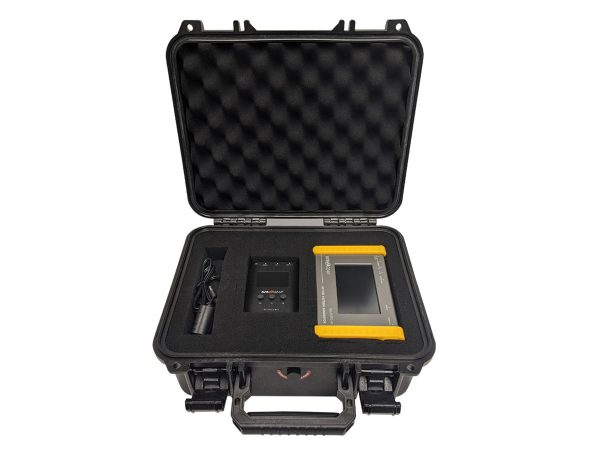
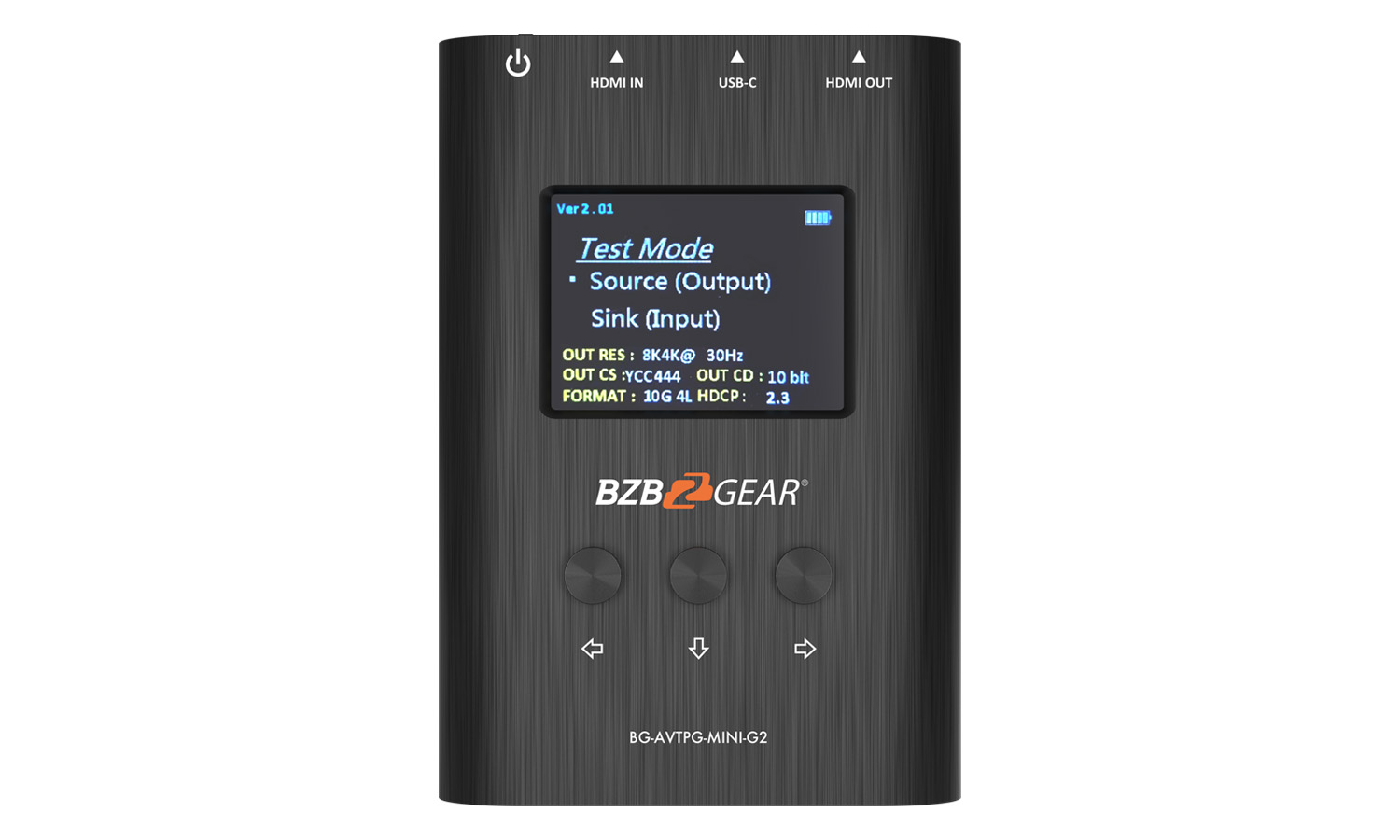
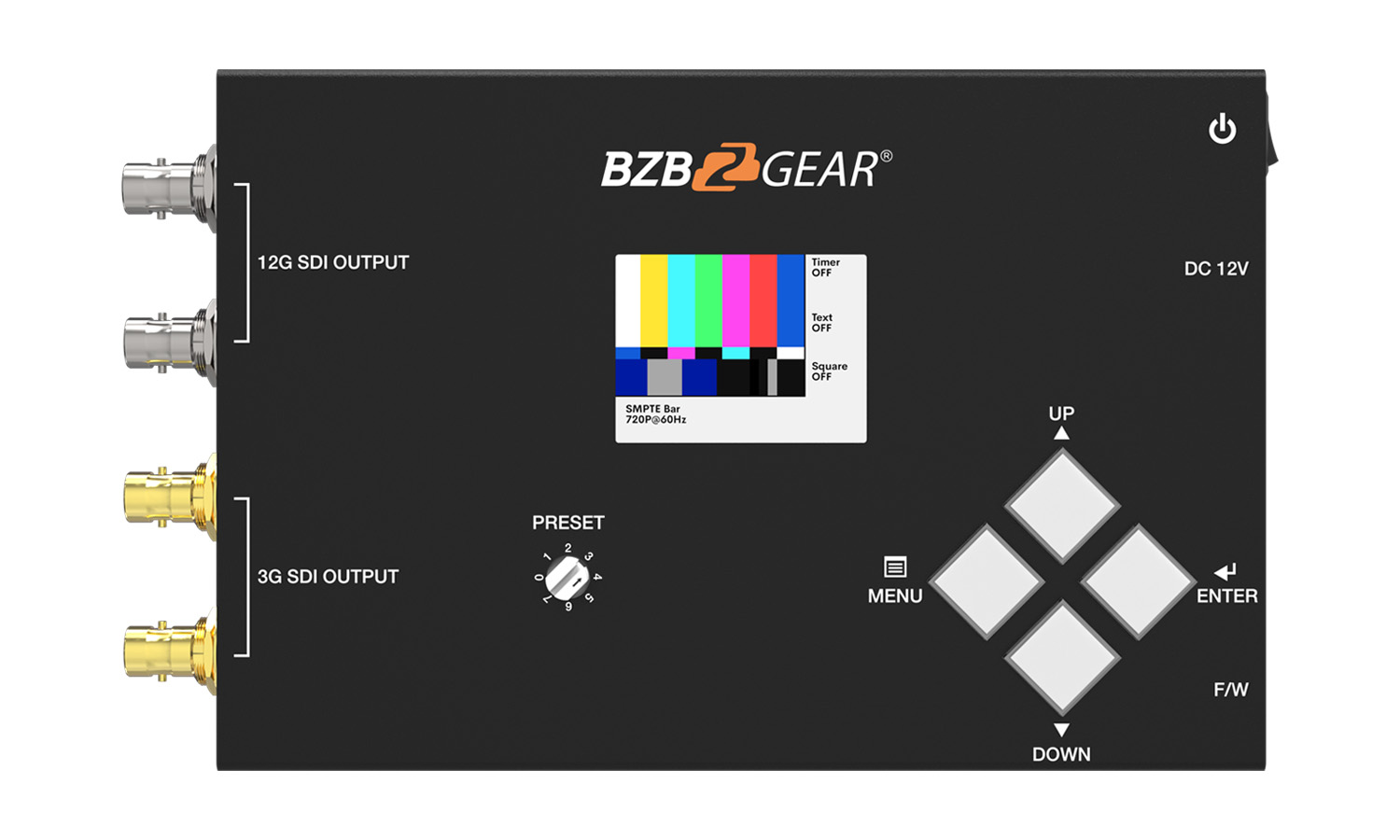
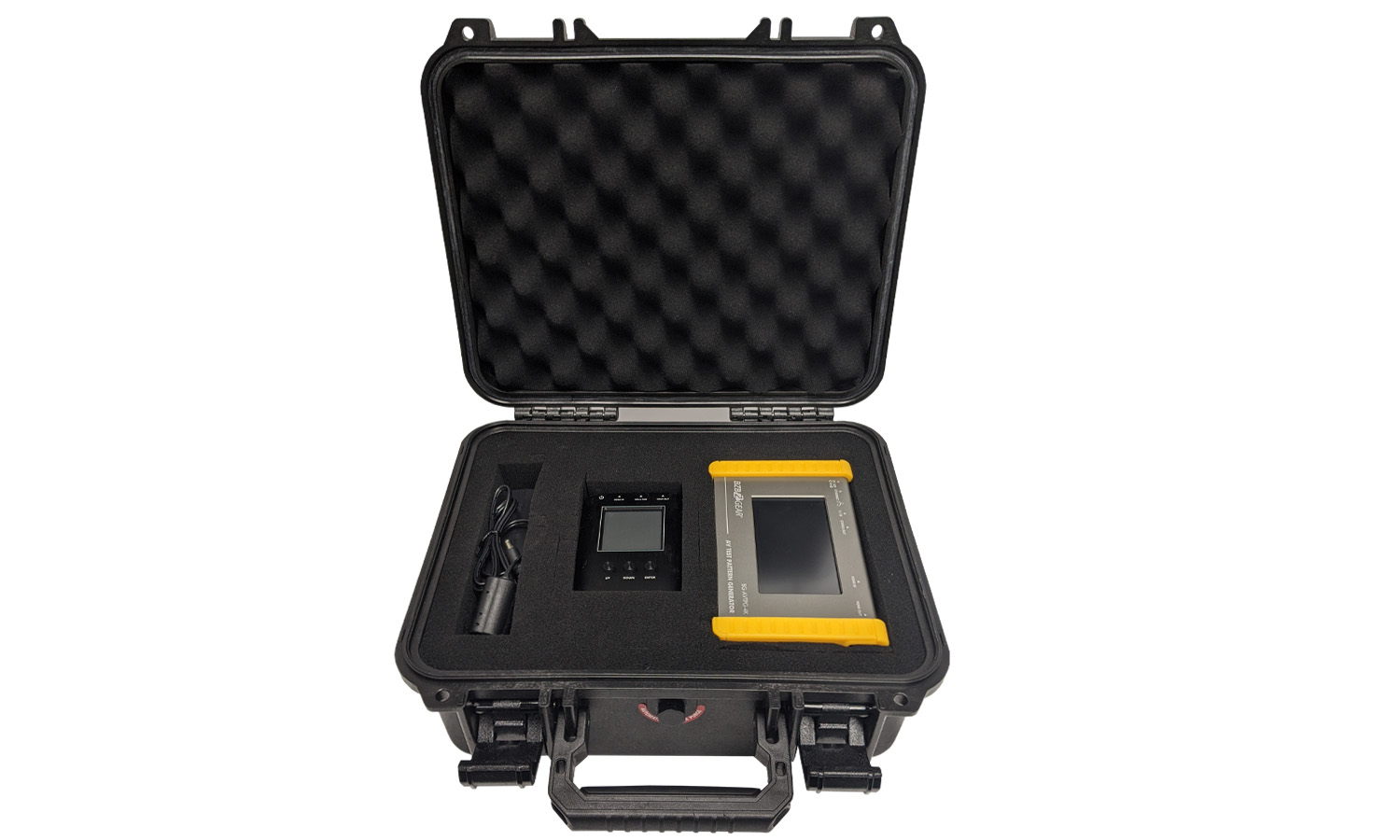
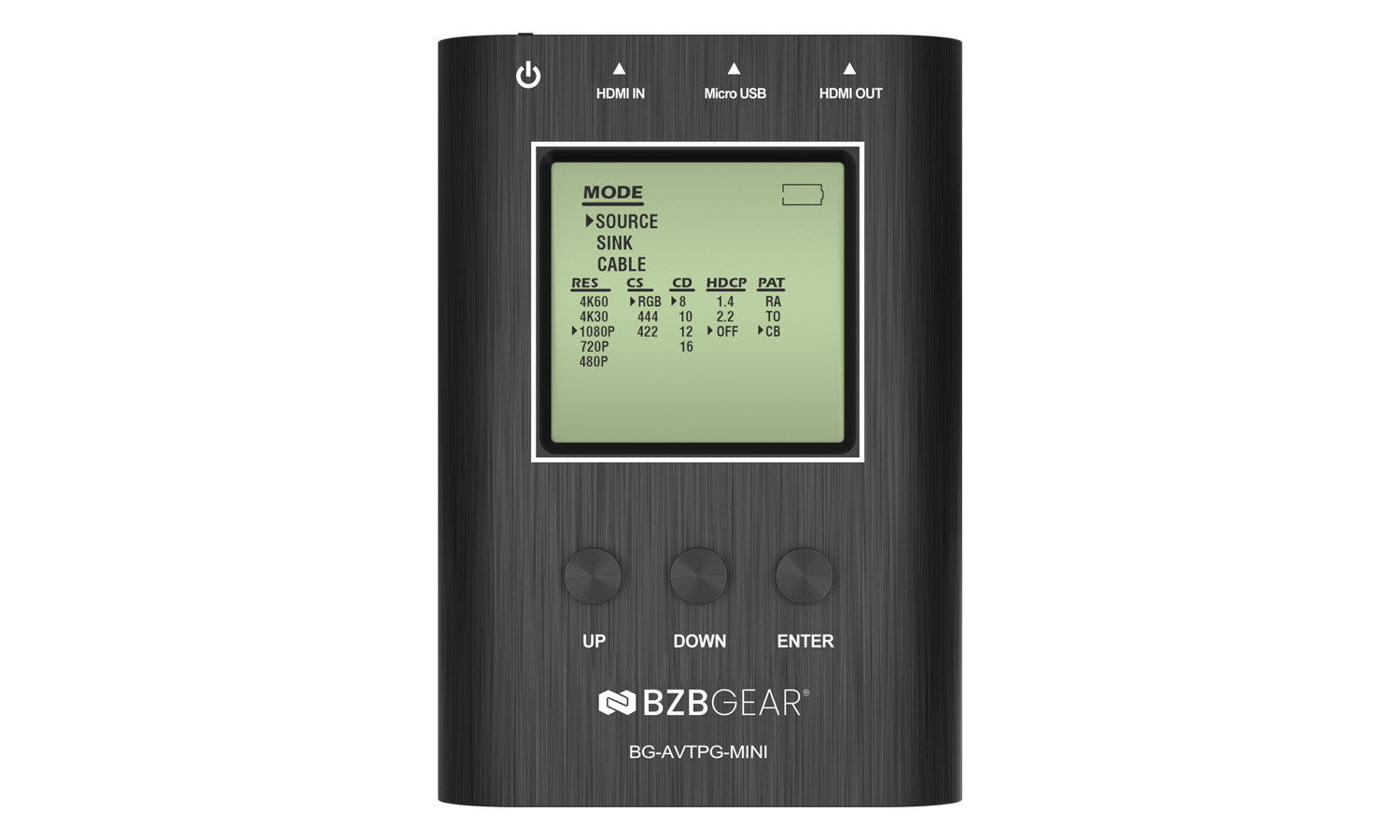
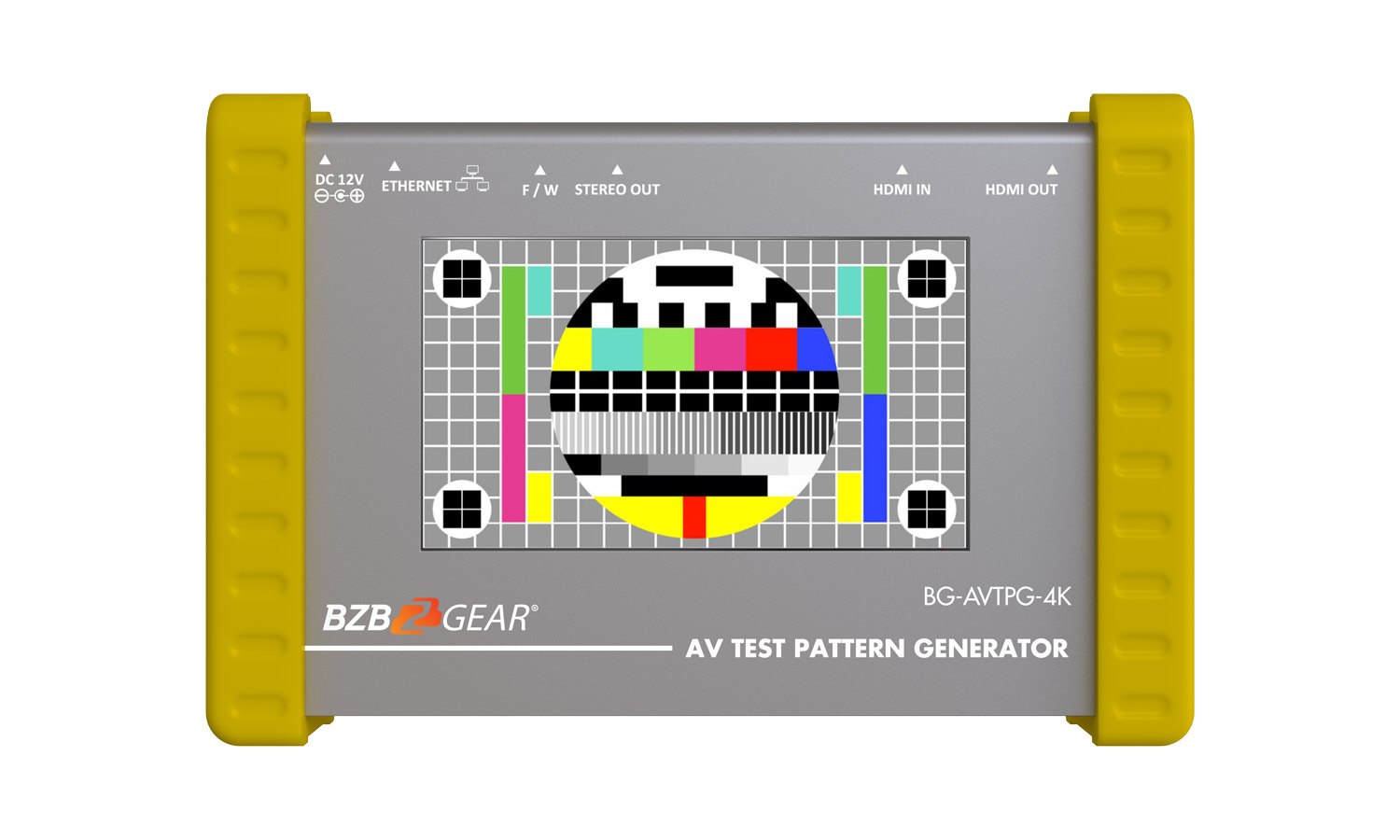
Video test signal generators are converters and standalone instruments used in testing, designing, repairing, and troubleshooting AV systems. They produce known reference signals (color bars, patterns, audio tones, test sequences) that AV professionals use to verify equipment, calibrate displays, isolate problems, and certify installations. The signals are repeatable, predictable, and standardized, making them the foundation of any serious AV testing workflow.
Video test generators produce many standardized patterns: SMPTE color bars (the standard broadcast test pattern), full-field colors (red, green, blue, white, black, gray), gradient patterns (for testing color depth and dynamic range), text and overlay patterns (for testing scaling and aspect ratio), motion patterns (for testing frame rates and motion handling), and audio tones (1 kHz sine wave at -20 dBFS or other reference levels). Each pattern reveals specific aspects of the AV chain: color accuracy, contrast, geometry, motion handling, audio level matching.
Modern test signal generators support both digital (HDMI, SDI, DVI) and analog (composite, component, VGA, S-Video) signal formats. A typical test generator can output the same test pattern simultaneously on multiple formats, letting installers verify a complete signal chain that includes both digital and analog stages. The waveforms covered typically include sine, square, triangle, sawtooth, step pulse, and audio frequency modulation.
Quality test generators output a wide range of resolutions and refresh rates: SD (480i, 576i), HD (720p, 1080i, 1080p), 4K (2160p), with various refresh rates (24, 25, 30, 50, 60, 120 fps). This is essential for testing modern AV systems that span multiple generations of equipment. Some generators also support uncommon resolutions for specific applications (industrial control displays, medical imaging, specialty broadcast formats).
Test generators are essential when commissioning a new installation (verifying that every display in a video wall shows the same colors at the same intensity, that audio levels match across zones, that scalers handle all expected resolutions correctly), when troubleshooting existing systems (isolating whether a problem is in the source, the cable, the switcher, or the display), when calibrating displays (using known reference patterns to set color, brightness, contrast), and when training operators or installers (showing them what to expect from a working system).
The category includes both AV-specific test generators (with TV and computer test patterns) and general electronic signal generators (oscillators producing arbitrary waveforms for circuit testing and design). Both types appear in this category because they share the underlying purpose: producing known reference signals for testing and analysis. AV professionals primarily use the video and audio test generators; electronics designers and repair technicians may use the general signal generators.
Test generators come in field-portable form (battery-powered, rugged, designed for installation and service work) and lab-grade form (rack-mounted, AC-powered, designed for engineering and broadcast facilities). Field generators are essential in service kits for any commercial AV installer; lab generators are part of engineering labs, broadcast technical operations, and AV manufacturing.
Video test signal generators are used in AV system commissioning, in installation and service work, in broadcast and post-production for system calibration, in education for teaching AV technology, in design and engineering for testing new equipment, in display manufacturing for quality control, and in any environment where AV equipment needs to be verified, calibrated, or repaired with known reference signals.
A video test signal generator produces known reference patterns (color bars, gradients, test sequences) used to verify, calibrate, and troubleshoot AV systems. You need one whenever you need to confirm that the AV chain is working correctly: commissioning a new installation, isolating a problem in an existing system, calibrating displays to known references, or verifying that scalers and switchers handle expected resolutions properly. Any serious AV installation or service tech kit includes a test generator.
SMPTE color bars are the broadcast standard for color reference. Full-field test patterns (solid red, green, blue, white, black, gray) verify uniformity, contrast, and brightness across a display or video wall. Gradient patterns reveal color depth and dynamic range issues. Motion patterns test refresh rate and motion handling. Text overlays verify scaling, sharpness, and aspect ratio. Audio tones at standard reference levels (1 kHz at -20 dBFS) test audio level matching across the system. A good test generator produces all of these.
Modern multi-format test generators output the same test pattern simultaneously on multiple formats (HDMI, SDI, DVI, VGA, component, composite). This lets you test a complete signal chain with mixed format conversions in one workflow. The alternative is dedicated single-format generators, which are cheaper individually but require multiple devices for complex installations. For commercial AV service kits, a quality multi-format generator is more cost-effective.
Most quality test generators include audio outputs alongside video, producing standard reference tones (typically 1 kHz at -20 dBFS or other standard levels) for audio level testing and channel verification. Some generators output multi-channel audio (5.1 surround, Atmos test signals) for surround sound testing. Audio outputs are embedded in the video signal where the format supports it (HDMI, SDI) and on separate analog outputs (XLR, RCA, TRS) for testing audio paths independently of video.
The basic workflow: connect the test generator to the source position in the AV chain, set it to a known pattern (color bars or a test sequence), follow the signal through the chain to each output (displays, recorders, monitoring positions), and verify at each stage that the signal arrives intact with no color shifts, geometry distortion, level mismatches, or other artifacts. Document the results. If problems appear, work backward toward the source to isolate the failing component. Repeat for each test pattern relevant to your installation: color accuracy, motion handling, audio sync, level matching.
AV system commissioning (verifying every display, scaler, and signal path in a new installation), installation and service work (any field tech installing or repairing AV systems carries a test generator in their kit), broadcast and post-production (calibrating monitoring chains and reference displays), education (teaching AV technology in trade schools and certification programs), AV design and engineering (testing new equipment, verifying performance claims), display manufacturing and quality control, and any environment where AV equipment must be verified, calibrated, or repaired against known references.

On order over $300 and more for US and US territory

We Offer a 30-Day Money Back Guarantee

Full manufacturer's warranty and quality assurance

Safe checkout with trusted payment providers