




Start typing to see results...
Find the perfect solution
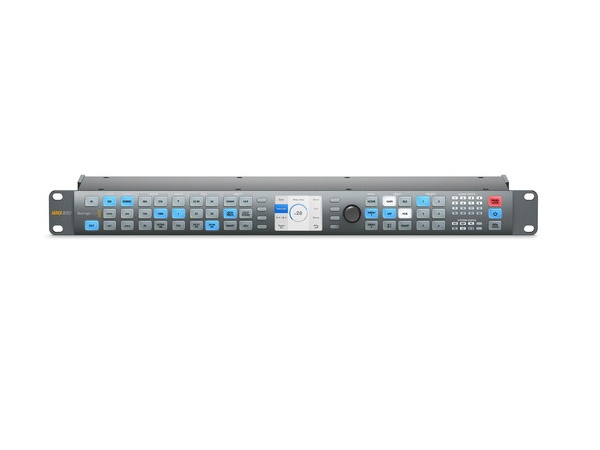
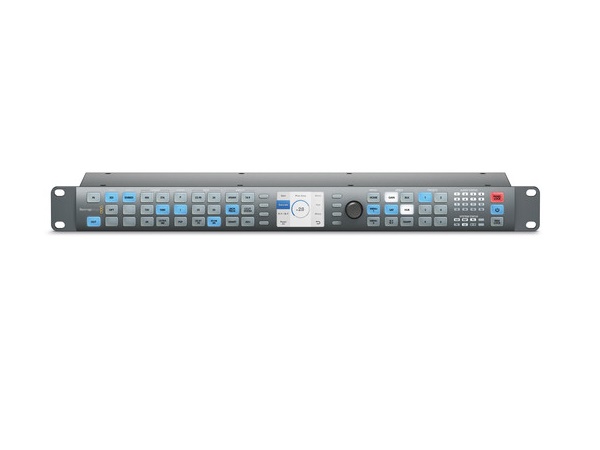
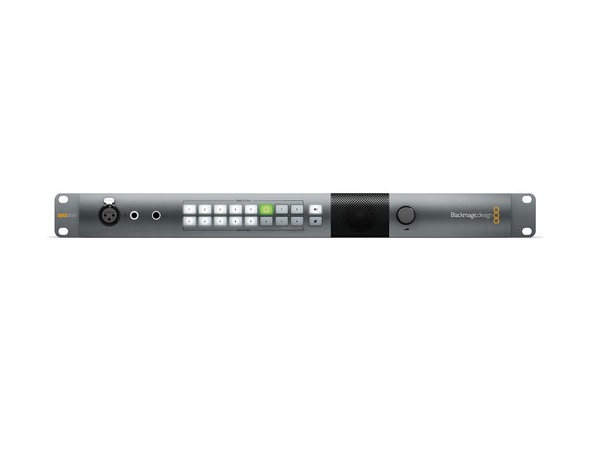
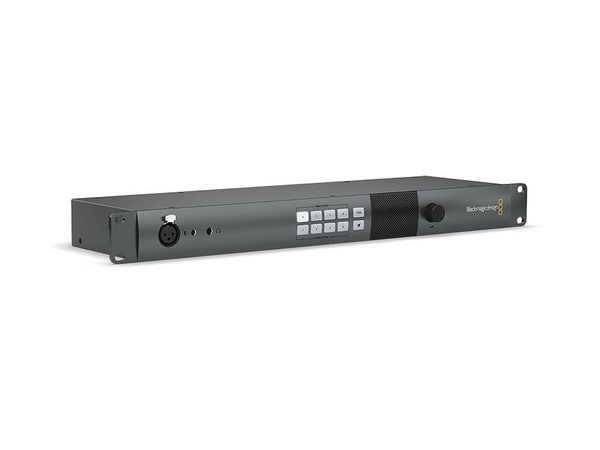
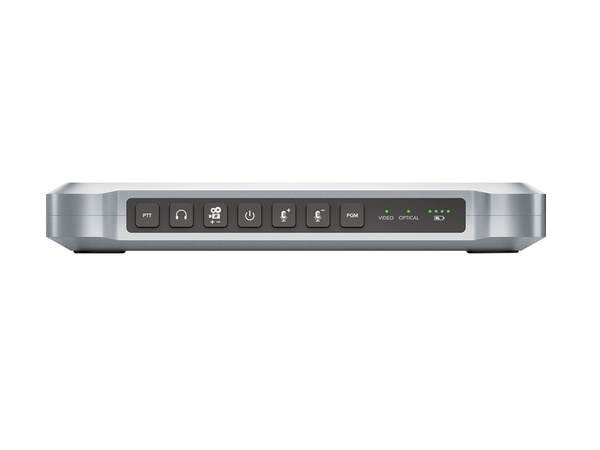
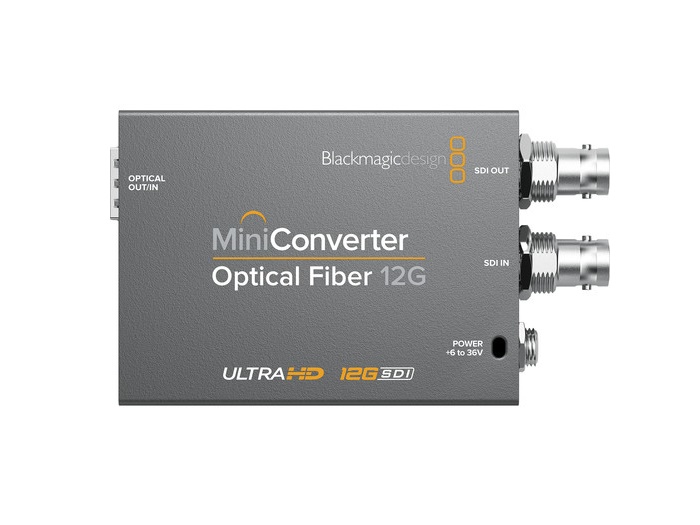
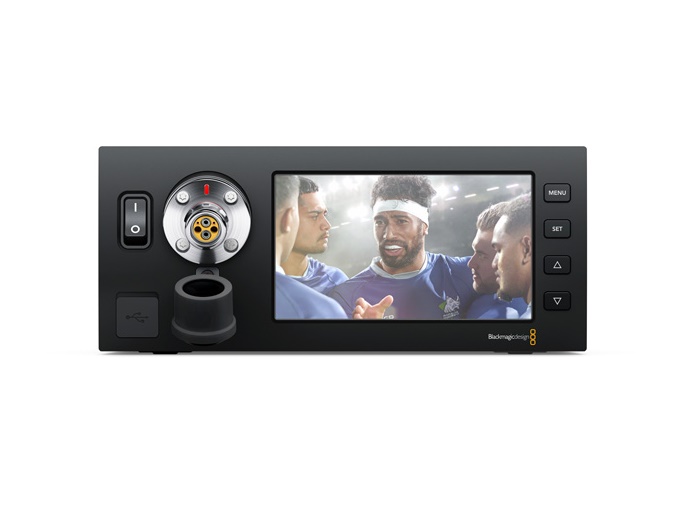
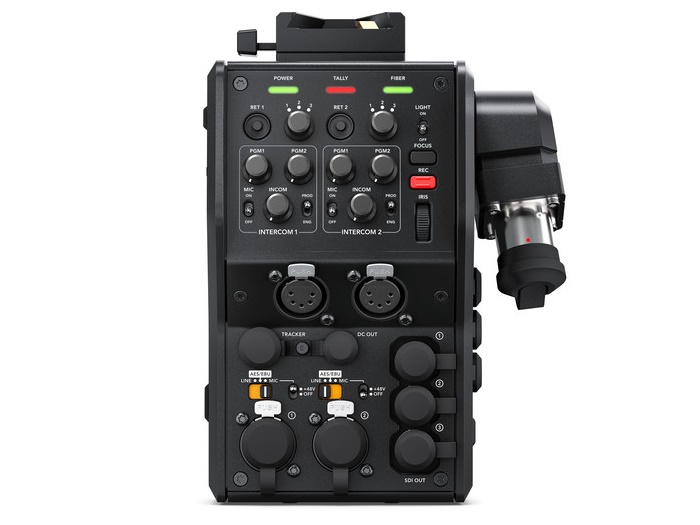
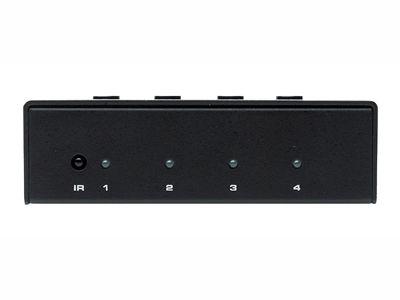
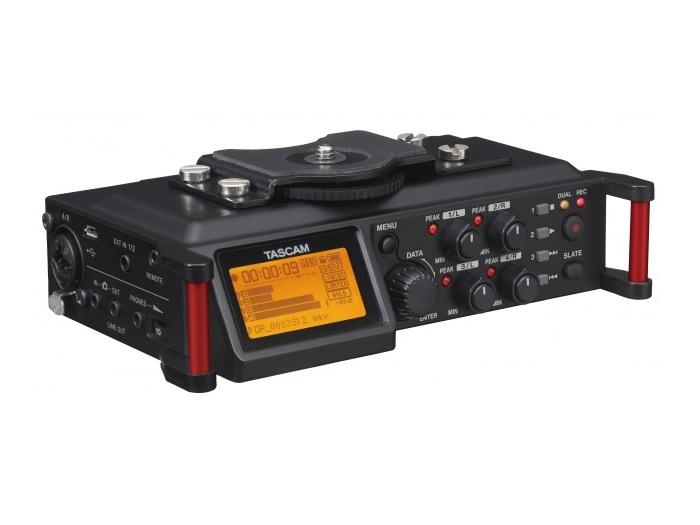
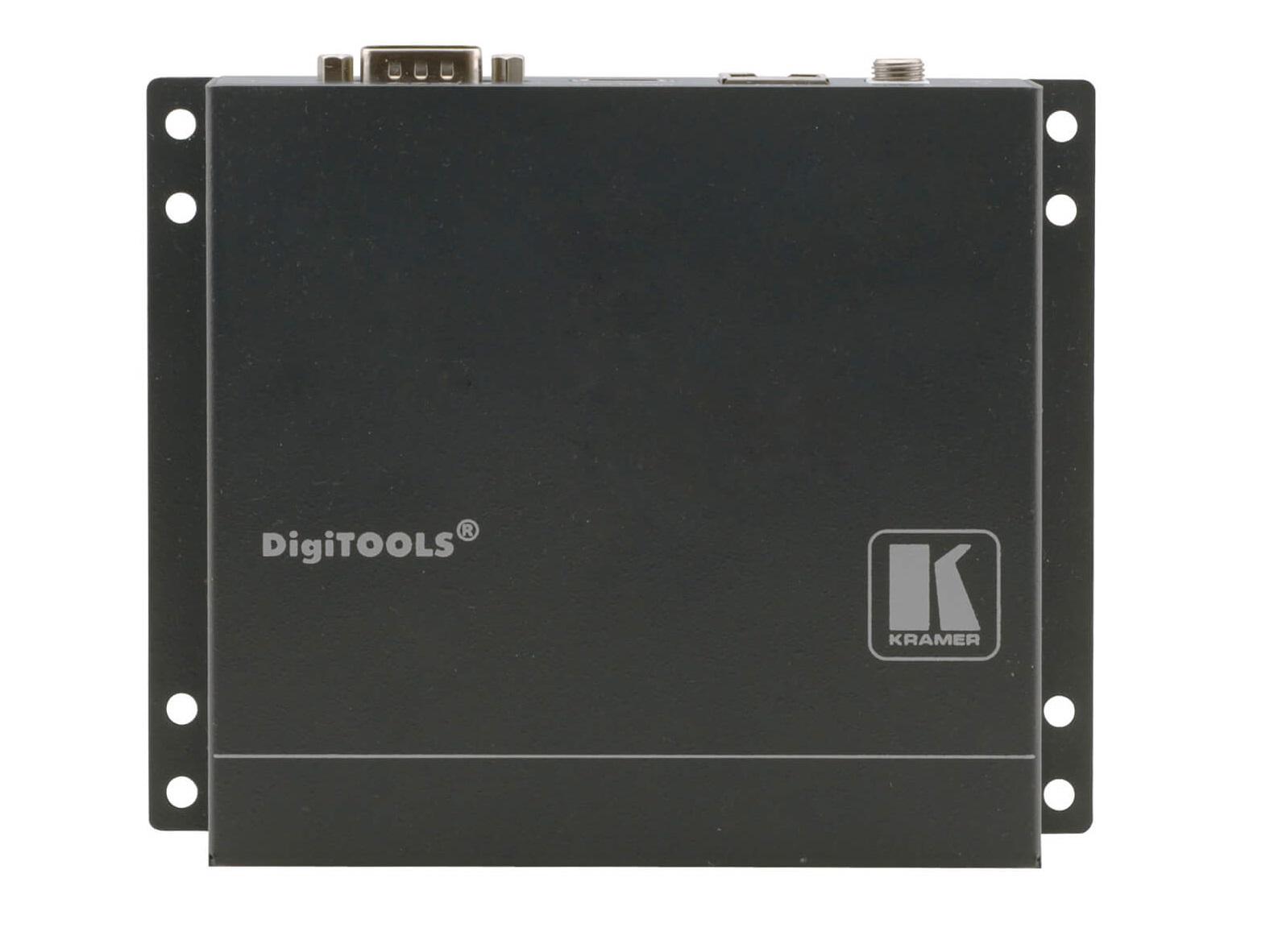
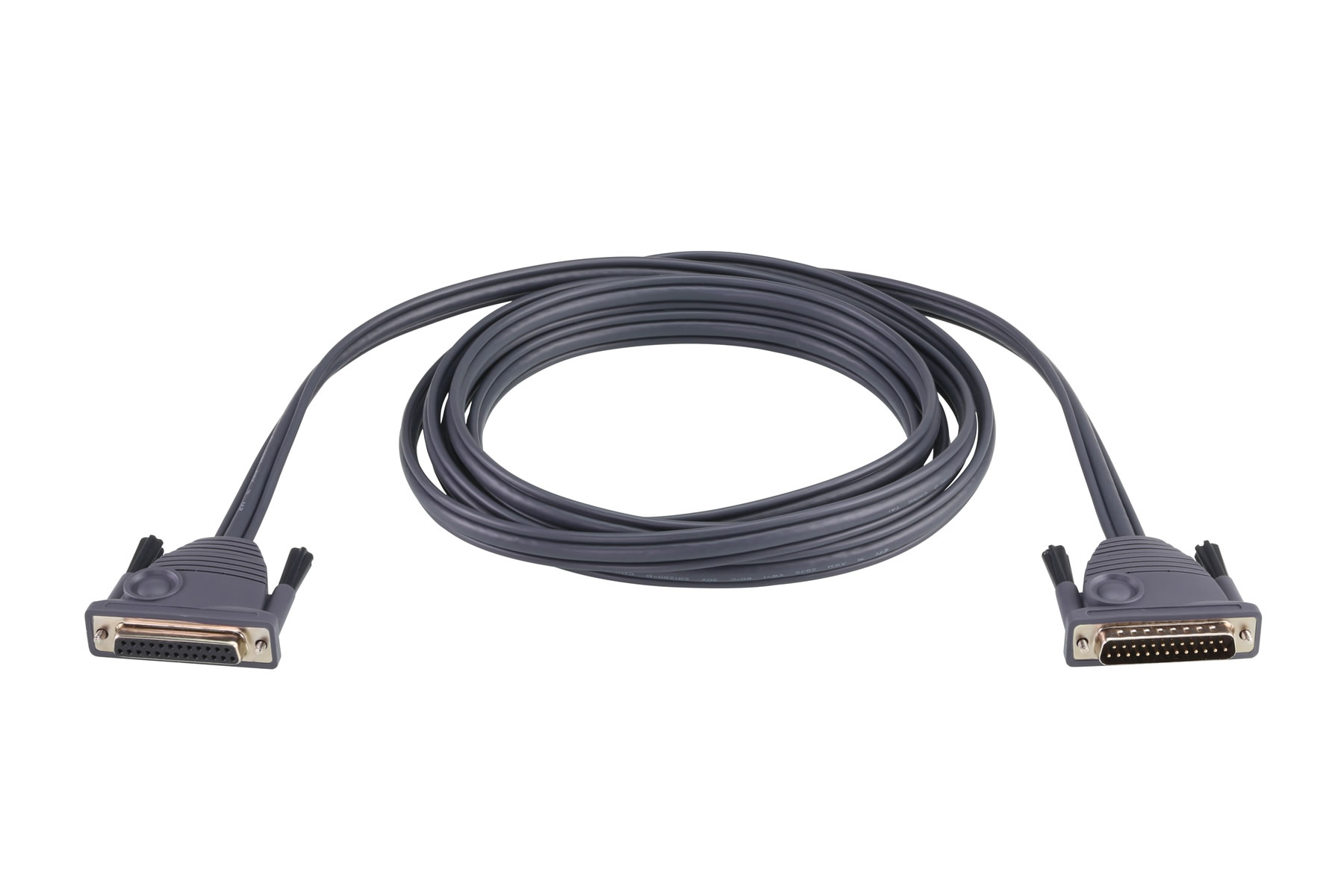
This subcategory groups the AV products that do not fit cleanly into the named converter, scaler, or display subcategories: specialty signal processors, sync generators, signal frame buffers, video processors with unusual feature combinations, specialty test and measurement instruments, custom interface boxes, signal injectors and de-injectors, and the wide range of niche AV products that fill specific roles in commercial AV installations.
In broadcast and multi-camera production, all video sources must be synchronized to a common timing reference so the switcher can switch cleanly between them without timing artifacts. Sync generators produce the reference timing signals (black burst, tri-level sync, word clock, timecode) that lock cameras, switchers, recorders, and other equipment to a common rhythm. They are essential in any production facility with multiple synchronized cameras. Some sync generators also distribute Word Clock for digital audio synchronization.
Specialty signal processors handle unusual processing tasks: aspect ratio conversion (cropping, padding, or stretching between 4:3, 16:9, and 21:9 ratios), frame rate conversion (cleanly converting 60 Hz NTSC to 50 Hz PAL or vice versa for international distribution), color space conversion (between Rec. 709, Rec. 2020, P3, and custom color spaces), and de-interlacing (converting interlaced 1080i to progressive 1080p with good motion handling). These processors are common in broadcast facilities, post-production, and any installation handling content with mixed formats.
Frame buffers store one or more frames of video to handle timing problems: a frame synchronizer aligns asynchronous sources to a common reference clock so they can be switched cleanly; a glitch eliminator buffers brief signal interruptions; a logo inserter overlays graphics or station logos on the signal. These are specialty broadcast products with specific roles in production workflows.
Beyond standard test signal generators, specialty test instruments include vectorscopes (color analysis), audio loudness meters (broadcast loudness compliance), eye-pattern analyzers (signal quality testing for SDI), and various spectrum analyzers and protocol analyzers for digital signals. These are typically used by AV engineers, broadcast technical operations, and AV manufacturing quality control.
This category also includes specialty conversion products: HDMI signal injectors and de-injectors for testing HDMI without a full source or display, HDCP test boxes, EDID emulators and managers, signal injectors for impairment testing, and various niche conversion products that solve specific real-world problems. AV installers and service techs sometimes need these specialty tools for advanced troubleshooting.
Search this subcategory when the device you need does not match a more specific subcategory (HDMI converter, SDI converter, scaler, etc.) and serves a specialized function: timing synchronization, format conversion in unusual ways, signal buffering or storage, specialty test and measurement, or niche conversion. These products typically serve specific industries (broadcast, post-production, professional AV engineering) rather than general commercial AV.
Specialty AV products are used in broadcast facilities (sync generation, frame synchronization, specialty processors), post-production (color space conversion, frame rate conversion, professional test instruments), live event production (frame synchronization for multi-camera switching, sync generation for camera networks), AV engineering labs (specialty test and measurement, prototype interface boxes), houses of worship with serious production (frame sync for multi-camera switching), and any installation requiring specialty signal processing beyond standard commercial AV.
A wide range of niche products that do not fit standard converter, scaler, or display subcategories: sync generators and frame synchronizers, specialty signal processors (frame rate conversion, color space conversion, de-interlacing), specialty test and measurement instruments (vectorscopes, audio loudness meters, eye-pattern analyzers), custom interface and conversion boxes (HDMI injectors, EDID managers, HDCP test boxes), and various specialty products that solve specific real-world problems in commercial AV, broadcast, and professional AV engineering.
A sync generator produces reference timing signals (black burst, tri-level sync, word clock, timecode) that synchronize multiple cameras, switchers, recorders, and other production equipment to a common rhythm. In broadcast and multi-camera production, all video sources must be locked to a common reference so the switcher can switch cleanly between them without timing artifacts (rolling pictures, flashes, dropped frames during transitions). You need a sync generator in any production facility with multiple cameras feeding a switcher; smaller production setups often use one camera as the master sync source.
A frame synchronizer buffers an incoming video signal and outputs it locked to a reference clock, eliminating timing mismatches between sources. You need a frame synchronizer when bringing an external feed into a synchronized production environment: a satellite feed entering a broadcast facility (the satellite signal is not locked to the local sync), a remote camera over IP entering a local switcher, or any source that arrives with its own timing that doesn't match the local reference. Without frame sync, switching between unsynchronized sources causes visible glitches.
Frame rate conversion changes a video signal from one frame rate to another: 60 Hz NTSC to 50 Hz PAL for international distribution, 24 fps cinematic content to 60 fps broadcast, 30 fps to 60 fps for smoother motion. The conversion involves interpolating new frames or duplicating frames depending on the algorithm. Quality frame rate conversion preserves motion smoothness; budget conversion shows visible motion artifacts (judder, motion blur). You need frame rate conversion when content with one frame rate must enter a production chain locked to a different rate, common in international broadcasting and any content that crosses between cinema and broadcast.
An EDID emulator is a small device that sits between an HDMI source and display, presenting a fixed EDID (Extended Display Identification Data) to the source regardless of what the actual display reports. This solves problems where the source defaults to the wrong resolution or output mode based on the display's EDID: a 4K source may downscale to 1080p because the display reports a 1080p preferred resolution, or a source may refuse to output to a specific display because of EDID negotiation failures. The EDID emulator overrides these problems by presenting a controlled, consistent EDID.
Broadcast facilities (sync generation throughout the facility for multi-camera production, frame synchronization for external feeds, specialty processors for international format conversion), post-production (color space conversion between Rec. 709 and P3, frame rate conversion between cinema and broadcast, professional test instruments), live event production (frame synchronization for multi-camera switching, sync generation for camera networks), AV engineering labs and manufacturing quality control (specialty test and measurement, prototype interface boxes, signal analysis tools), houses of worship with serious production (frame sync for multi-camera switching), and any installation requiring specialty signal processing beyond standard commercial AV.

On order over $300 and more for US and US territory

We Offer a 30-Day Money Back Guarantee

Full manufacturer's warranty and quality assurance

Safe checkout with trusted payment providers