




Start typing to see results...
Find the perfect solution
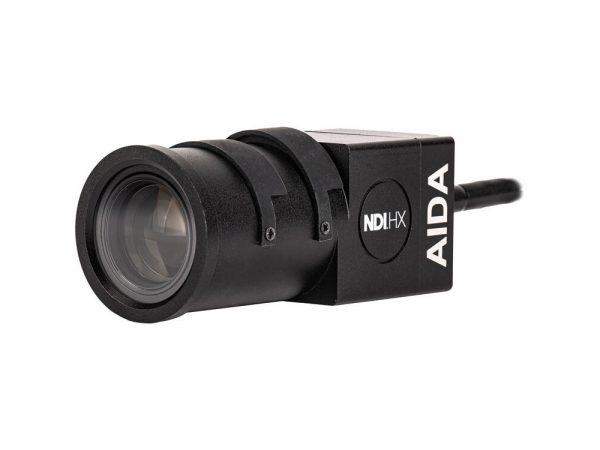
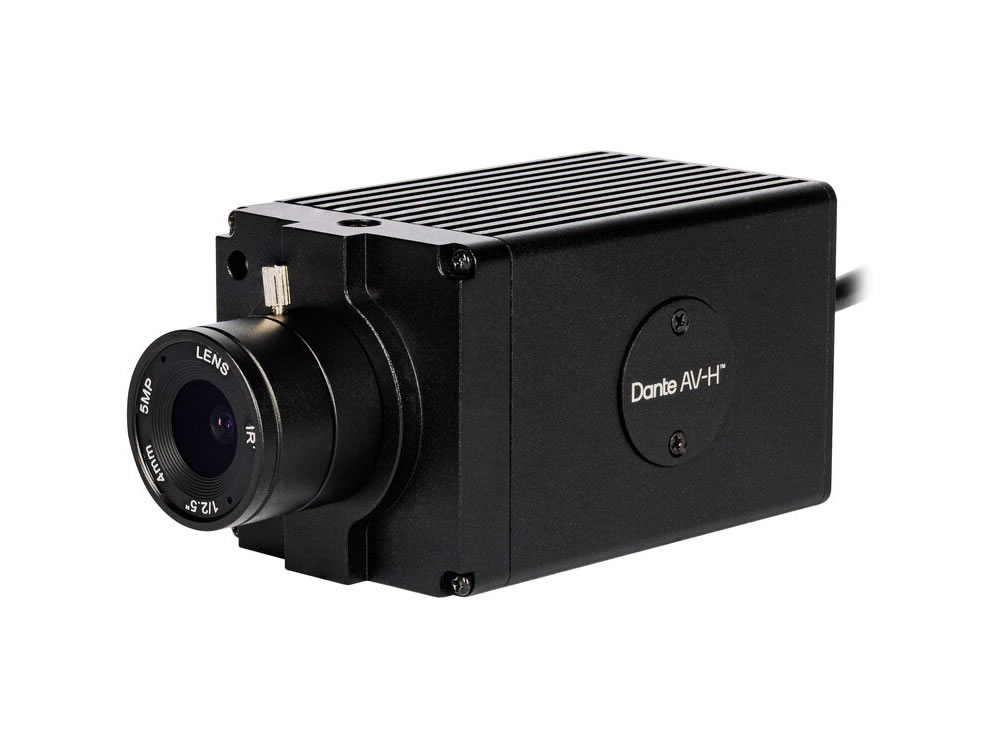
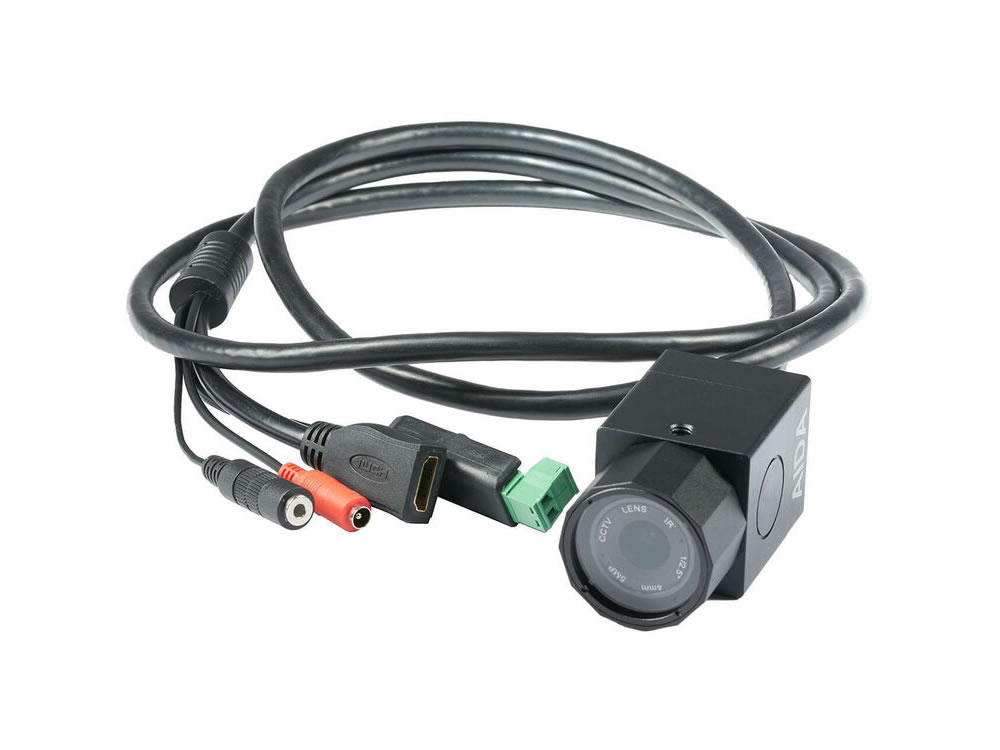
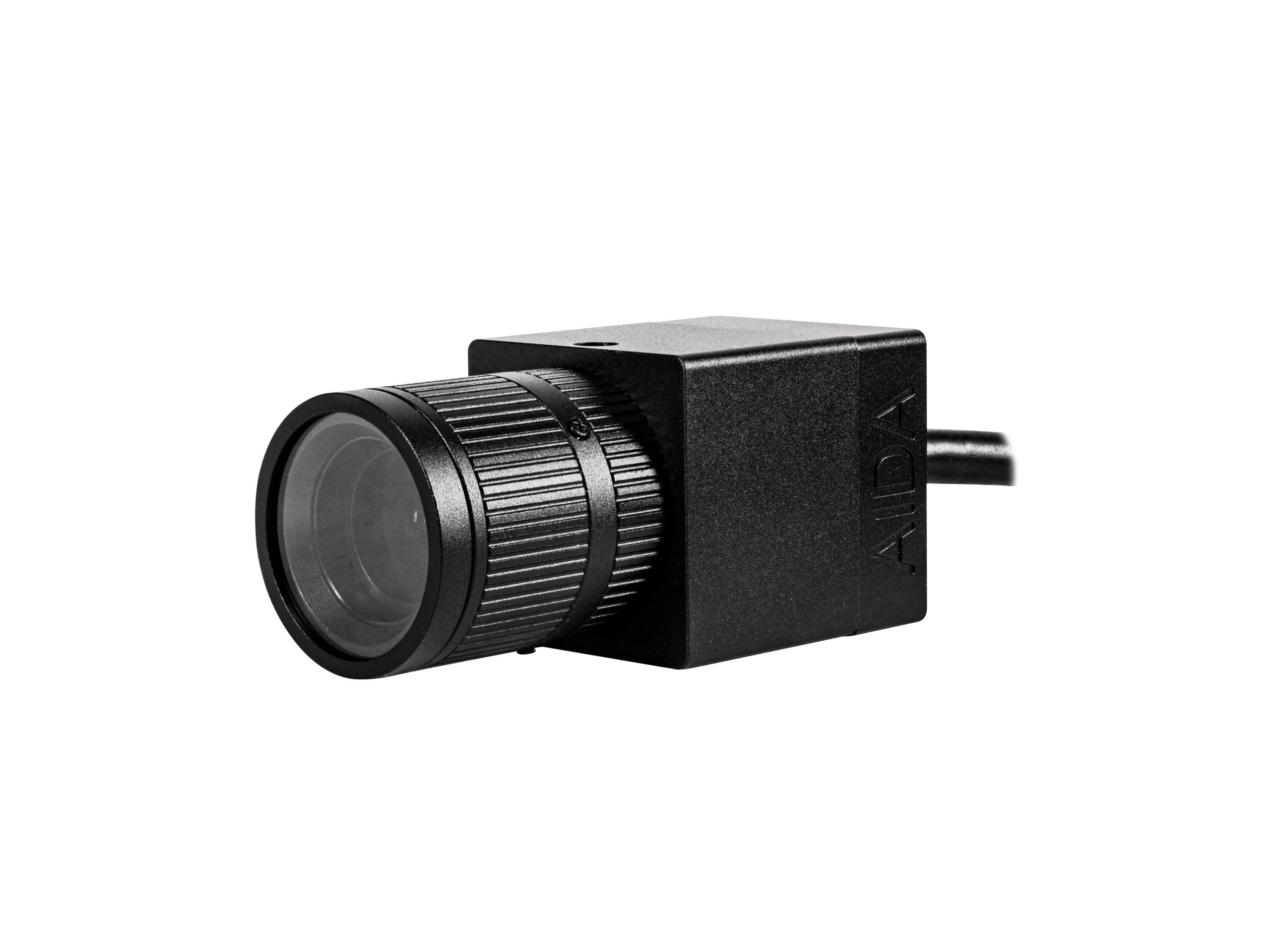
HDMI and SDI cameras are professional video cameras with HDMI or SDI outputs (or both), designed for live production, broadcast, content creation, and integration with professional AV infrastructure. Unlike webcams or simple conference cameras, these cameras provide the image quality, control, and connectivity needed for serious production: higher-resolution sensors, professional lenses or optical zoom, manual exposure and focus controls, broadcast-quality audio inputs, and locking output connectors.
SDI cameras output professional 75-ohm coaxial video with locking BNC connectors, supporting cable runs of 100 meters or more. They are the standard in broadcast facilities, OB trucks, live event production, and any installation where reliability and long-distance signal transport matter. HDMI cameras output consumer/commercial HDMI signal, with HDMI Type A or mini-HDMI connectors. HDMI suits commercial AV integration, houses of worship, education, smaller productions, and content creation. Many camera bodies provide both HDMI and SDI outputs for flexibility.
PTZ (pan-tilt-zoom) cameras with HDMI and SDI outputs are the dominant choice for unattended production: live worship services with one or two operators in a control booth, hybrid classrooms with no on-camera operator, sports facilities with overhead and corner camera angles, board and meeting rooms with preset views. PTZ cameras typically support standard control protocols (VISCA over RS-232 or IP, NDI, ONVIF) so they can be operated from broadcast switchers, joysticks, or touch panels. Many PTZ models combine HDMI, SDI, and network outputs in one device.
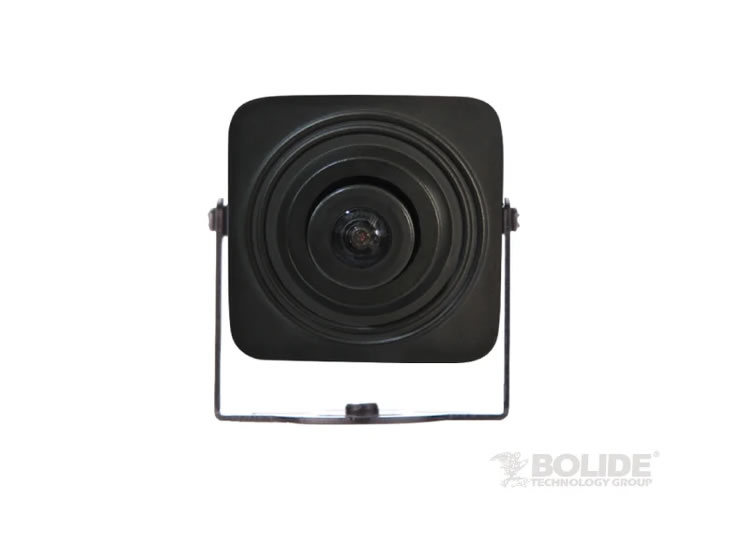
Box cameras are compact cameras designed for permanent installation in specific positions: corners of a worship sanctuary, ceiling mounts in classrooms, behind a podium in a courtroom, overhead views of a presentation table, and similar fixed-position uses. POV (point-of-view) cameras are small and rugged for action and unusual positions: bodyworn for video, mounted to vehicles, in tight spaces. Both types provide HDMI and/or SDI output for routing through standard production infrastructure.
Production-grade HDMI and SDI cameras include features that consumer cameras lack: SMPTE timecode input for syncing multiple cameras, genlock input for frame synchronization in multi-camera production, broadcast-quality color science and color reproduction, professional audio inputs (XLR with phantom power for microphones), manual exposure controls that don't auto-shift mid-shot, and clean output (no overlays or menus on the live signal). These features are essential in live production where the camera output goes directly to a switcher and on to viewers.
Modern HDMI and SDI cameras output 1080p (standard for broadcast and most live production) or 4K (increasingly common for content creation, sports, and high-end production). Frame rates range from 24/25/30 frames per second for cinematic and broadcast use, to 50/60 fps for sports and fast action. Some cameras offer 100 to 240 fps slow-motion for replay applications. Match the camera's output to what the rest of the production chain (switcher, recorder, streaming encoder) supports.
HDMI and SDI cameras serve live production (concerts, sporting events, theater, festivals), broadcast (TV studios, news, sports production), houses of worship (capturing services for live streaming, overflow rooms, and archive), education (lecture capture, hybrid classrooms, training video), corporate communications (executive broadcasts, all-hands meetings, internal video), content creation (podcasts, YouTube channels, online courses), and security and surveillance (high-quality cameras for monitoring critical areas).
Choose SDI when cable runs exceed 25 to 50 feet (the practical limit of passive copper HDMI), when the camera needs to integrate with a professional broadcast switcher or routing infrastructure, when locking connectors matter (broadcast trucks, live events, rugged environments), or when the rest of the production chain uses SDI. Choose HDMI when integrating with commercial AV equipment that uses HDMI inputs, when cable runs are short (in-room only), when budget matters (HDMI cameras are typically less expensive), or for content creation and smaller productions where pro broadcast features are not needed. Many cameras support both outputs, giving flexibility for different deployments.
PTZ stands for Pan-Tilt-Zoom: cameras that can be remotely controlled to move left and right (pan), up and down (tilt), and zoom in or out, all without an operator physically touching the camera. PTZ cameras are the right choice for unattended production where camera operators are not available or where the camera needs to cover multiple positions: houses of worship (one operator handles multiple cameras from the booth), hybrid classrooms (camera follows the instructor automatically), corporate boardrooms (presets for different speakers), sports facilities (corner and overhead angles operated remotely), and any installation where the camera position needs to change during the production.
Genlock and timecode synchronize multiple cameras in a production. Genlock is a reference signal (typically a black-burst or tri-level sync signal) that locks all cameras to the same frame timing, so the program switcher can switch cleanly between them without timing artifacts. Timecode is a numerical address for each frame (hours, minutes, seconds, frames) that lets editors align material from multiple cameras after the fact. Both are essential in multi-camera live broadcast and post-production. Cameras without genlock and timecode inputs can be used in single-camera production but cause problems in multi-camera workflows.
1080p remains the standard for live streaming because most streaming platforms cap the transmitted resolution at 1080p anyway (some support 4K but at much higher bandwidth costs). 1080p cameras are less expensive, produce less data through the production chain, and integrate with the broadest range of switchers and recorders. 4K cameras are useful when you want to digitally crop the image during production (creating multiple virtual cameras from one 4K source), when archiving in higher resolution matters, or when the streaming platform and audience support 4K. For most current commercial AV streaming, 1080p is the right choice; consider 4K for premium installations and future-proofing.
The most common protocols are VISCA (originally a Sony serial protocol, now widely supported over RS-232, RS-485, and IP), NDI (network-based control that often pairs with NDI video transport), ONVIF (an IP camera standard widely used in security but also in some AV applications), and proprietary protocols from specific camera manufacturers. Many cameras support multiple protocols simultaneously. When integrating a PTZ camera with a switcher, controller, or AV control system, verify protocol compatibility, especially for advanced features like recall of presets, smooth movement profiles, and tally light integration.
Live production (concerts, sporting events, theater, festivals, corporate events), broadcast (TV studios, news production, sports broadcast, OB trucks), houses of worship (capturing services for live streaming, overflow rooms, archive recording), education (lecture capture in auditoriums, hybrid classrooms with remote students, training video production), corporate communications (executive broadcasts, all-hands meetings, internal video production), content creation studios (podcasts with video, YouTube channels, online courses), and any installation where professional video output and integration with broadcast or commercial AV infrastructure matters more than the convenience of a webcam or USB conference camera.

On order over $300 and more for US and US territory

We Offer a 30-Day Money Back Guarantee

Full manufacturer's warranty and quality assurance

Safe checkout with trusted payment providers