




Start typing to see results...
Find the perfect solution
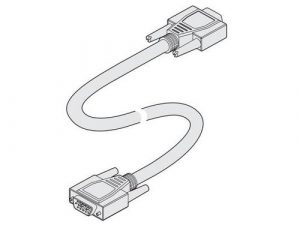
VGA (Video Graphics Array) and SVGA (Super Video Graphics Array) cables carry analog computer video signals between a PC or other VGA-output device and a monitor, projector, or large-format display. Both terms refer to the same physical 15-pin D-Sub connector and the same RGBHV analog signal; "SVGA" historically referred to higher resolutions than the original VGA standard, but in modern usage the names are essentially interchangeable. Although VGA has been replaced by HDMI and DisplayPort in most new installations, vast amounts of existing equipment still use VGA.
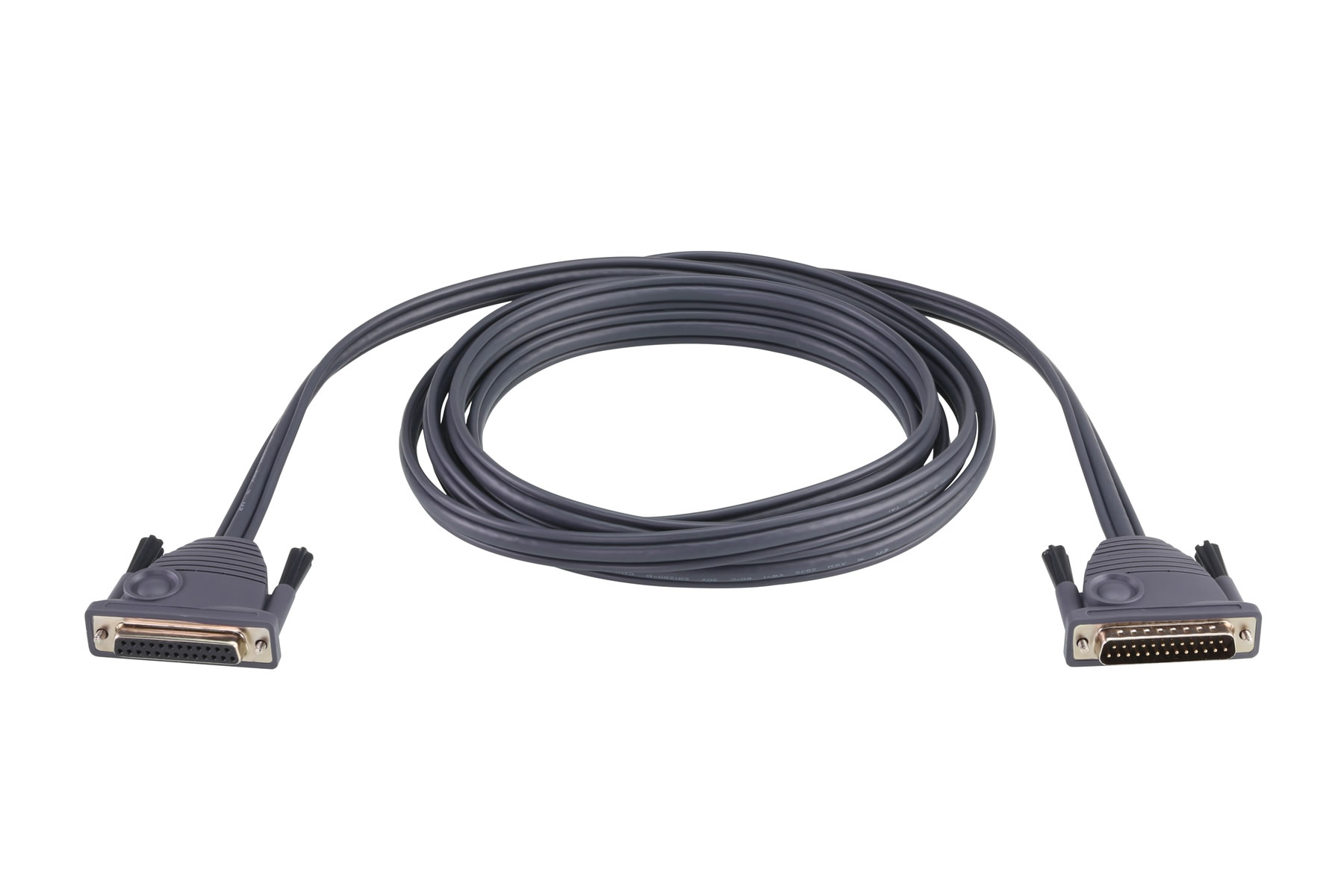
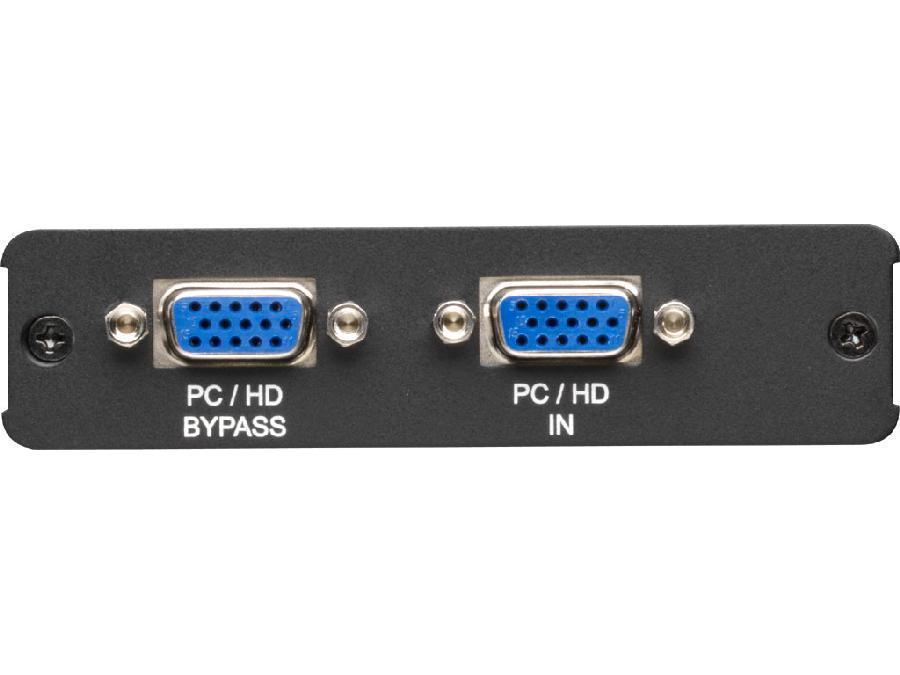
VGA uses a 15-pin D-Sub (DE-15) connector arranged in three rows of five pins. The connector is usually blue on consumer equipment, with thumbscrews on the cable side that screw into matching standoffs on the device side. The thumbscrews keep the cable securely connected even under vibration or accidental tugs, which is one reason VGA remains popular in industrial and education environments where reliability matters.
VGA is video only: separate analog red, green, and blue color channels, plus horizontal and vertical sync signals, all on the same cable. It does not carry audio; any installation that needs audio along with VGA video must run audio separately on a 3.5 mm or RCA cable. Most VGA cables therefore come with a parallel 3.5 mm stereo audio cable attached or in a bundle, so video and audio reach the destination together.
VGA supports resolutions up to 2K (2048x1536) on quality cables at short distances. As an analog signal, VGA quality degrades with cable length and electrical noise. Practical limits: 5 meters (15 feet) for 1920x1080 with good quality, 15 meters (50 feet) for 1024x768 in moderate environments, and shorter at higher resolutions. Beyond these distances, ghosting, color shifts, and softness become visible. For longer runs, use a VGA extender pair over CAT5/6 cable or fiber, which can carry VGA 100 meters or more.
VGA cable quality has a big effect on picture quality, more than digital interfaces where signal integrity is largely pass/fail. Quality VGA cable uses coaxial construction for each of the RGB lines (each color on its own 75-ohm coax inside the bundled cable), with proper shielding and rugged connectors. Cheap thin VGA cable produces ghosting, color fringing, and softness even at moderate lengths. For commercial or permanent installations, always buy quality cable.
VGA and SVGA cables are still common in schools (legacy projectors and student monitors), training facilities, multimedia rooms, gaming and arcade installations, hospitals (some legacy displays still use VGA), and corporate boardrooms that have not been upgraded to HDMI. They also connect older laptops to current displays through a VGA-to-HDMI adapter or converter, and serve as a backup interface in conference rooms that need to support visitors with older laptops.
Yes, primarily in schools, training rooms, hospitals with legacy equipment, and any environment where the installed base of VGA projectors and monitors has not been upgraded to HDMI. While VGA-only equipment is no longer manufactured at scale, vast numbers of existing projectors, classroom displays, budget monitors, and older laptops still have VGA inputs and outputs. Education in particular runs mixed environments where VGA must continue to work alongside newer interfaces, often for many more years before the equipment is retired.
In practice, none. Both terms refer to the same 15-pin D-Sub connector and the same analog RGBHV signal. Historically, "VGA" was the original IBM standard for 640x480 resolution, and "SVGA" was a later extension for higher resolutions (800x600 and up). Today the names are used interchangeably, and any modern VGA cable supports SVGA and higher resolutions up to 2K on quality cable at short distances. When buying a "VGA cable" or "SVGA cable", you are buying the same physical product.
No. The 15-pin VGA connector carries only video (RGB plus horizontal and vertical sync). Audio runs on a separate cable, usually 3.5 mm stereo or RCA. Most VGA cables for commercial use come bundled with a parallel 3.5 mm audio cable, so video and audio travel together. In a typical install, the source (laptop, PC) plugs its VGA out to the cable's VGA end, and its 3.5 mm headphone out to the audio end of the cable; the destination (projector, display) connects to both at the other end.
Up to 2048x1536 at 60 Hz on quality cables and short distances. As an analog signal, VGA's achievable resolution depends on cable quality and length. At very short runs (under 2 meters) with quality cable, 2K is achievable. At 5 meters, 1920x1080 is reliable. At 15 meters with budget cable, 1024x768 may be the limit before noticeable degradation. Going above the practical limit causes ghosting, color shifts, and softness even if the picture still appears.
About 5 meters (15 feet) for 1080p with quality cable, and shorter at higher resolutions. Beyond this distance, ghosting, color fringing, and image softness become visible. For longer runs, use a VGA extender pair that converts the signal for transport over CAT5/6 cable (typically up to 100 meters or more depending on resolution) or fiber optic for very long distances. A common architecture in education installs is one teacher's PC feeding a VGA distribution amplifier, then extenders to each remote display.
Schools and universities (legacy projectors, classroom displays, student monitors), training facilities and corporate education rooms (laptops to projectors in rooms that have not been upgraded), hospitals (some legacy medical and administrative displays still use VGA), industrial and SCADA environments (older PCs driving fixed displays), arcade and gaming installations (preserving the look of period equipment), corporate boardrooms with mixed-generation infrastructure, and any installation where one device with a VGA port still needs to connect to another. VGA-to-HDMI converters extend the life of legacy VGA equipment by bridging to modern displays.

On order over $300 and more for US and US territory

We Offer a 30-Day Money Back Guarantee

Full manufacturer's warranty and quality assurance

Safe checkout with trusted payment providers