




Start typing to see results...
Find the perfect solution
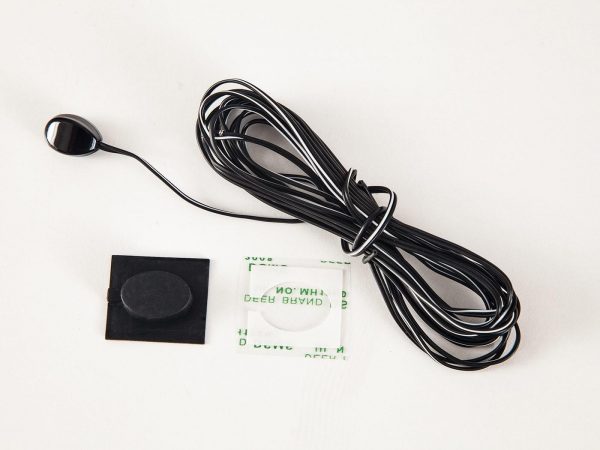
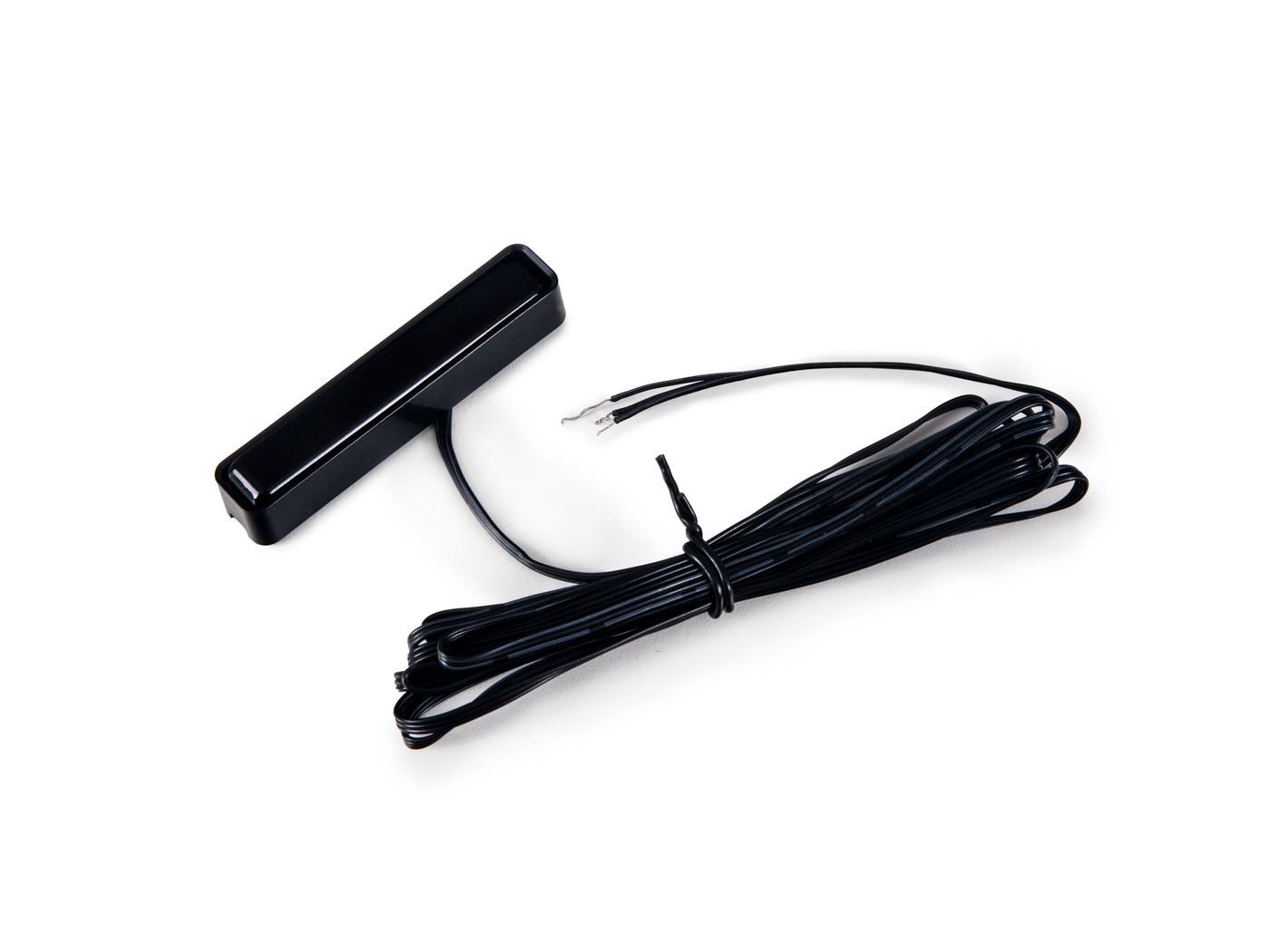
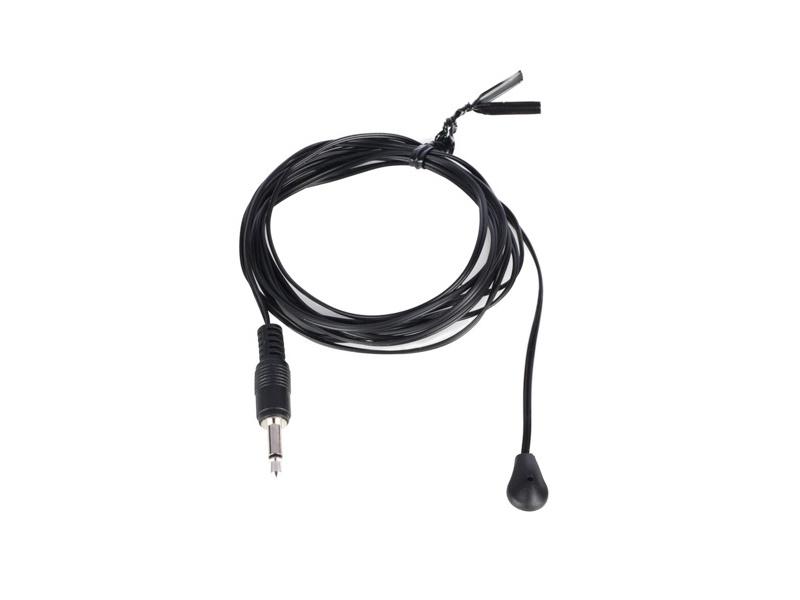
Many AV systems rely on IR (infrared) control signals to operate source and display equipment. Remote controls use IR to send commands to TVs, AV receivers, source devices, and projectors. However, in many commercial AV installations, the source equipment is hidden in an equipment rack or another room, where the line-of-sight that IR requires is blocked. IR cables and IR distribution systems extend the IR signal to a location where the IR emitter can reach the equipment it controls, while keeping the equipment itself hidden.
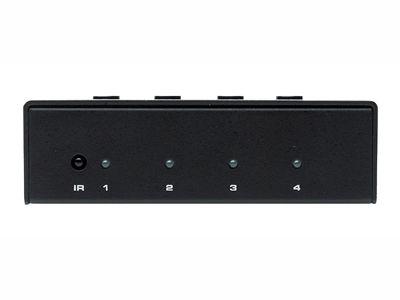
A typical IR distribution system has three parts. An IR receiver (placed where users can point their remote control) accepts the IR signal from the remote, converts it to an electrical signal, and sends it down a cable. An IR distribution block or IR router (usually rack-mounted with the AV equipment) accepts the signal from the receiver and distributes it via cable to IR emitters. Each IR emitter is a small device with an IR LED that sticks to the front of the equipment it controls (over the equipment's IR sensor), re-emitting the IR signal at very close range.
This subcategory groups the cables used to interconnect the IR system: IR emitter cables (with a 3.5 mm mono plug at one end and an IR emitter LED at the other), IR receiver cables (with a 3.5 mm mono plug and an IR receiver), IR extension cables (extending the run between receiver and distribution block), and bulk IR cable for custom-length runs. Some IR systems also use 1/8-inch (3.5 mm) stereo cables for combined IR and DC power.
In commercial installations where the IR cable runs through ceilings, floors, or walls in plenum spaces, plenum-rated IR cable is required by code. Plenum IR cables use the same connectors and signal as standard IR cables, but with plenum-rated jackets that produce minimal toxic smoke when burned.
Many modern AV devices support IP control over the network, which eliminates the need for IR distribution in those parts of the system. However, IR remains essential for source equipment that does not have IP control: many TVs, projectors, AV receivers, and source devices use IR as the primary or only control interface. Modern AV control systems often use a mix of IP, RS-232, and IR control depending on what each device supports.
IR cables are used in any commercial or residential AV installation that requires controlling equipment hidden in an equipment rack or another room. Specific applications include conference rooms (control system in the rack, equipment in the same rack, but the IR receiver near the user's seat for remote control), home theaters (source equipment in a closet with IR emitters, IR receiver in the viewing room), hospitality (TVs and AV equipment behind walls or in cabinets), bars and restaurants (AV equipment in a back-of-house rack, IR receivers near the bar), and houses of worship (control booth with IR distribution to platform equipment).
An IR distribution system extends infrared remote-control signals from a user-accessible location to AV equipment hidden in an equipment rack or another room. You need an IR distribution system whenever the source equipment is not in line-of-sight of the user's remote control: source equipment in an equipment rack inside a cabinet or closet, hidden behind a wall, or in a different room than the user. The system makes the AV setup look clean while keeping full remote control functionality. Common scenarios include conference rooms (rack in a closet), home theaters (equipment in a closet), hospitality (TVs and devices behind cabinets), and any installation with hidden gear.
An IR receiver cable has a small IR receiver at one end (sometimes called an "IR eye") that accepts signals from the user's remote control. The cable carries the signal to an IR distribution block or directly to an IR emitter. An IR emitter cable has a small IR LED at one end (the emitter, sometimes called a "blaster") that sticks to the front of the equipment it controls, near the equipment's IR sensor. The emitter re-broadcasts the original IR signal at very close range to the equipment. The cable carries the signal from the distribution block to the emitter.
Sometimes, but not always. IR emitter and receiver cables use 3.5 mm mono (TS) or stereo (TRS) plugs, with the specific signaling depending on the IR control system in use. Some IR systems are interchangeable with standard 3.5 mm audio cable; others require specific IR cable construction or wiring. Always check the IR system's documentation: using the wrong cable can prevent the IR from working or, in rare cases, damage the equipment. For commercial installations, buy cables specifically rated for IR use.
Only if the cable will run through a return-air plenum space, typically above suspended ceilings in commercial buildings. Plenum-rated IR cable is required by code in those spaces because of fire safety: the cable jacket must produce minimal toxic smoke when burned. For runs within walls on the same floor (not passing through plenum), or in residential installations without plenum ceilings, standard IR cable is acceptable. Check your specific installation's plenum requirements and use plenum-rated IR cable where required.
Most IR cables work reliably up to 50 to 100 feet (15 to 30 meters) on quality cable. Beyond that distance, the IR signal can degrade or pick up noise that prevents reliable operation. For longer runs, use IR over CAT5/6 extenders (which carry IR over twisted pair cable for hundreds of feet) or IR-over-IP systems that convert the IR signal to network packets. Many modern AV control systems support IP control directly for new equipment, eliminating the need for long IR runs to those devices.
Conference rooms (control system and AV equipment in a rack in a closet, with IR receivers in the room and IR emitters on each piece of equipment in the rack), home theaters (source equipment in a closet, IR receivers in the viewing room), hospitality (TVs in hotel rooms with IR-controlled equipment in headends or cabinets), bars and restaurants (AV equipment in back-of-house racks with IR distribution to user-accessible control points), houses of worship (control booth with IR distribution to platform equipment), and any installation where AV equipment is hidden and needs to remain controllable by user remotes.

On order over $300 and more for US and US territory

We Offer a 30-Day Money Back Guarantee

Full manufacturer's warranty and quality assurance

Safe checkout with trusted payment providers