




Start typing to see results...
Find the perfect solution
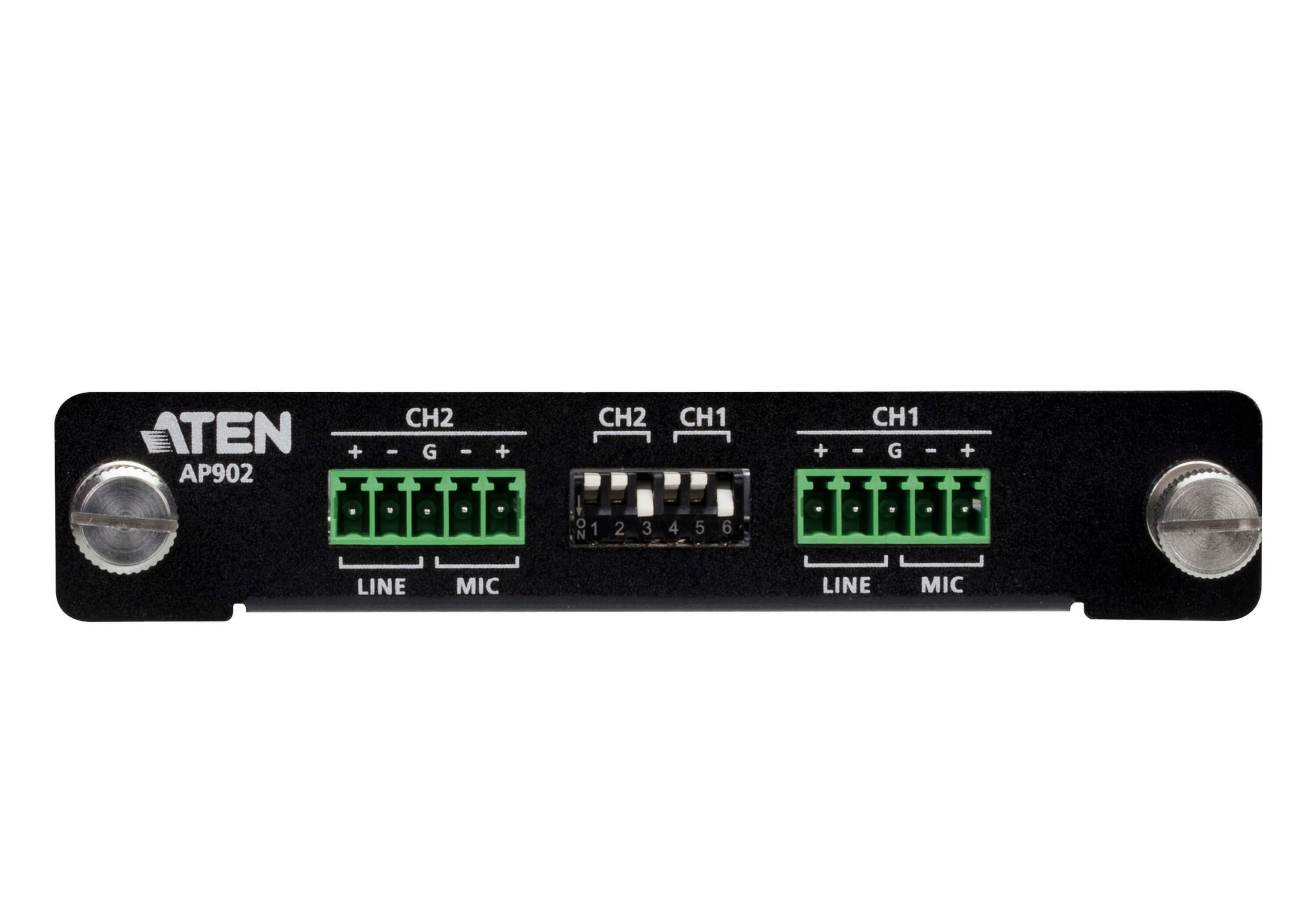
A stereo audio preamplifier (preamp) sits between audio sources and a power amplifier in a separate-component audio system. The preamp's job is to select among sources (line-level analog inputs like CD, streamer, or auxiliary, plus phono for turntables, and sometimes balanced XLR for pro or audiophile gear), apply volume and tone control, and provide a clean line-level output that drives a power amplifier.
Preamps are part of separate-component audio systems where source selection, volume control, and power amplification live in different chassis. AV receivers, integrated amplifiers, and powered speakers have preamp circuitry built in, so they do not need a separate preamp. A dedicated preamp is added when sound quality matters more than convenience (audiophile systems), when balanced or specialized inputs are needed (pro audio, studios), or when multi-zone routing requires more flexibility than a typical AV receiver offers.
Typical preamp inputs include several line-level analog stereo inputs on RCA (CD, streamer, tuner, auxiliary), a phono input for turntables (with RIAA equalization built in), and sometimes balanced XLR inputs for pro sources. Outputs are usually line-level on RCA or balanced on XLR, with one or two output pairs depending on whether the preamp supports biamping or multiple zones.
Balanced connections (XLR, TRS) use three conductors and cancel electrical noise picked up along the cable. They are standard in pro audio, broadcast, and any installation with cable runs longer than a few meters or near electrical noise. Unbalanced (RCA, TS) connections use two conductors and are universal on consumer gear, fine for short runs in clean environments. Premium preamps often include both options to bridge consumer and pro equipment.
In commercial AV and multi-room residential systems, a multi-zone preamp routes different sources to different zones simultaneously. The preamp might send the CD player to the kitchen, a streaming source to the living room, and the TV's audio to the bedroom, each with its own volume control via keypad, app, or wall control. This eliminates the need for separate amplifier chains per zone.
Stereo preamplifiers appear in residential audiophile listening rooms (paired with one or more power amplifiers), recording studios (in monitoring chains and outboard processing setups), broadcast facilities, multi-zone residential installations, hotels and restaurants with high-end audio infrastructure, and any commercial AV environment where sources need to be selected, matched in level, and fed cleanly to downstream power amplification.
No. AV receivers and integrated amplifiers already include preamp circuitry built in. They handle source selection, volume control, and tone adjustment internally, then pass the signal to their built-in power amplification stage. You would add a dedicated preamp only when sound quality matters more than convenience (audiophile systems with separate power amplifiers), when balanced or specialized inputs are needed (pro studios, broadcast), or when multi-zone routing requires more flexibility than an AV receiver offers. In a typical home theater or small commercial AV install, the AVR or integrated amp does the job of preamp plus power amp in one chassis.
A preamp has active gain, tone control, and remote control; a switcher just selects one of several inputs. A line-level switcher routes one source to the output and passes the signal at unity gain, without amplification or tone shaping. A preamp adds active gain stages, an analog or digital volume control, often tone or EQ controls, remote operation via IR or IP, and sometimes balanced outputs and multi-zone routing. If you just need to pick one of three inputs at a fixed level for a downstream system, a switcher is cheaper and simpler. If you need volume control, tone shaping, or multi-zone routing, you need a preamp.
A phono input is a specialized input that amplifies and equalizes the signal from a turntable. Turntable cartridges produce a signal that's about 1000 times weaker than a CD player's, and with a deliberate frequency response (the RIAA curve) that must be reversed during playback to sound correct. A phono input includes the high gain and RIAA equalization needed for vinyl playback. You need it only if you're connecting a turntable that lacks a built-in phono preamp. Many modern turntables include a built-in phono stage with a switch to bypass it, in which case any line-level input on the preamp works.
Balanced (XLR or TRS) inputs reject electrical noise and are useful for long cable runs and pro installs. Balanced connections use three conductors (positive signal, negative signal, ground) and cancel out interference picked up along the cable, because the noise appears equally on the positive and negative lines and is rejected at the input stage. They are standard in pro audio, broadcast, and any installation with cable runs longer than a few meters or near electrical noise (fluorescent lights, AC motors, dimmers). Unbalanced (RCA, TS) connections use two conductors and work fine for short runs in clean environments, which is why they are universal on consumer gear.
A multi-zone preamp selects different sources for different zones and controls them independently. In a residential multi-zone setup, the preamp might route the CD player to the kitchen, a streaming source to the living room, and the TV's audio to the bedroom, all simultaneously, each with its own volume control. Zone preamps usually offer keypad input, app control, or wall-mounted controls in each room so occupants can operate their own zone independently. The preamp feeds multiple power amplifier channels, one per zone, which in turn drive the speakers in that zone.
Audiophile listening rooms, recording studios, broadcast facilities, multi-zone residential installations, and high-end commercial AV are the most common environments. The most common deployment is a residential separates system that pairs a preamp with one or more power amplifiers for the best sound quality. Commercial deployments include multi-zone restaurant and retail audio, recording studio control rooms (where the preamp sits in the monitoring chain between the mixing console and the monitor amplifiers), broadcast monitoring chains, and high-end home theaters with separate processor, preamp, and amplifier components.

On order over $300 and more for US and US territory

We Offer a 30-Day Money Back Guarantee

Full manufacturer's warranty and quality assurance

Safe checkout with trusted payment providers