




Start typing to see results...
Find the perfect solution
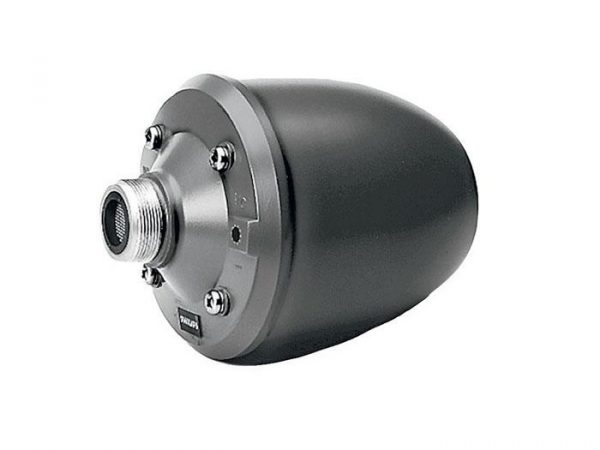
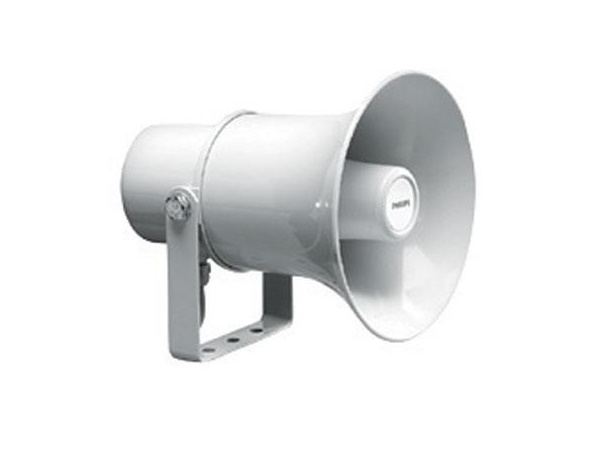
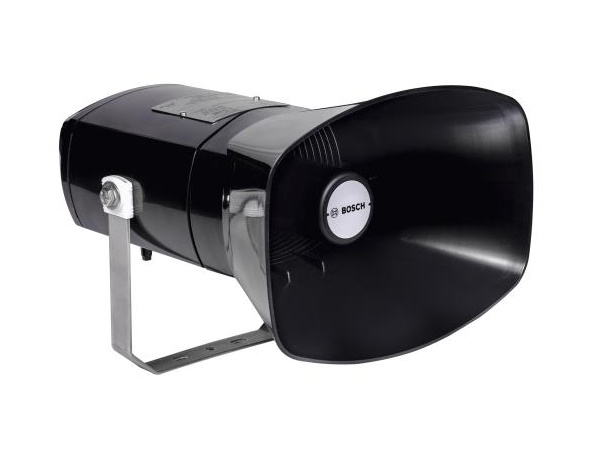
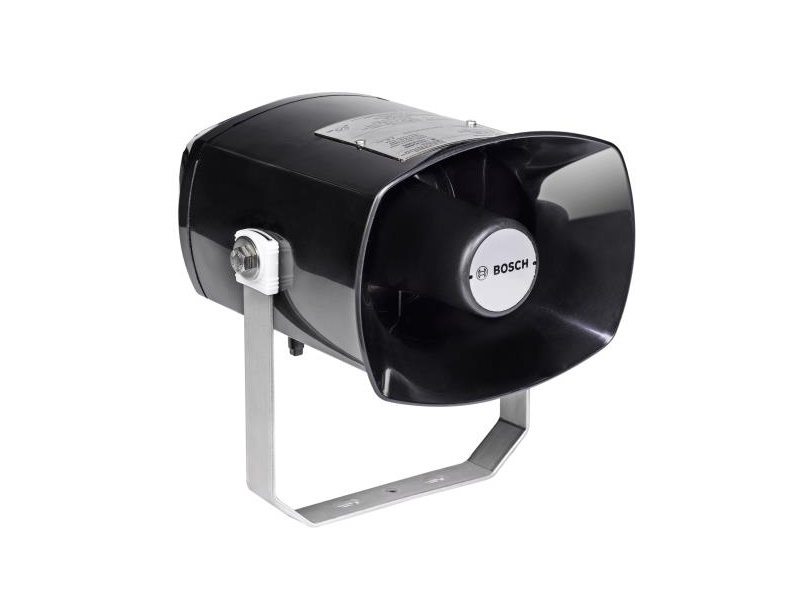
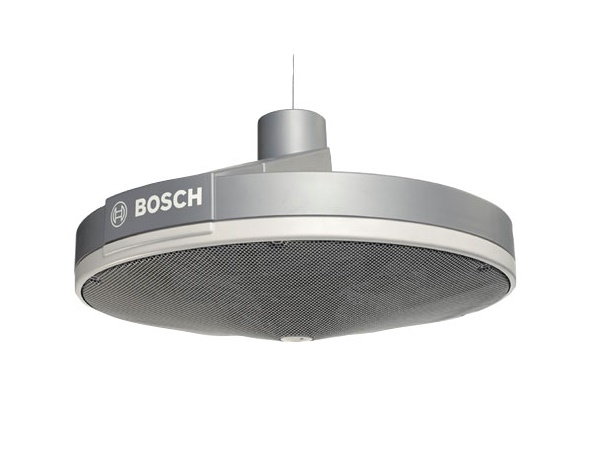
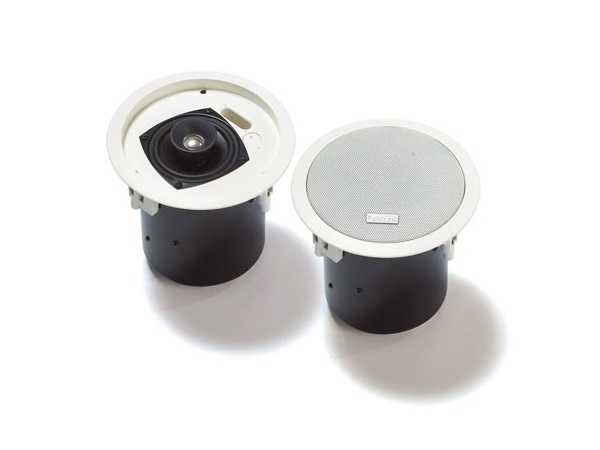
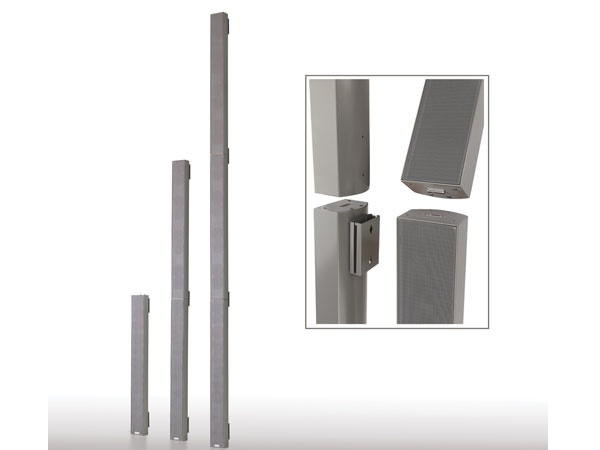
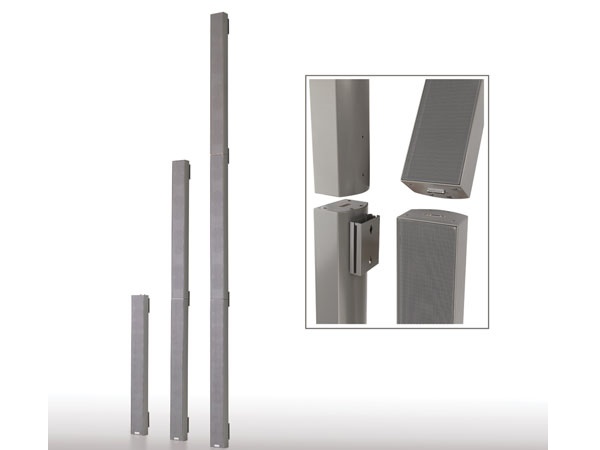
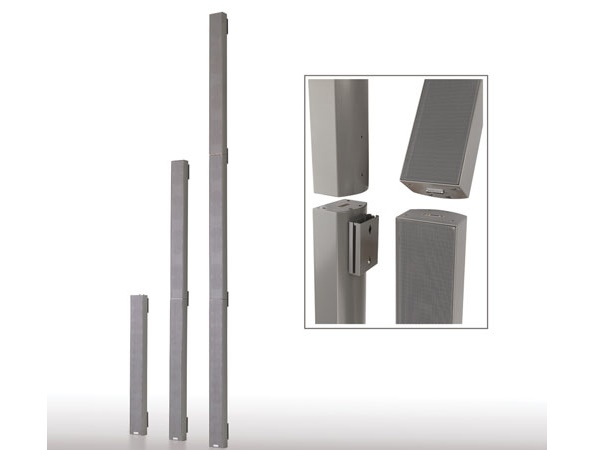
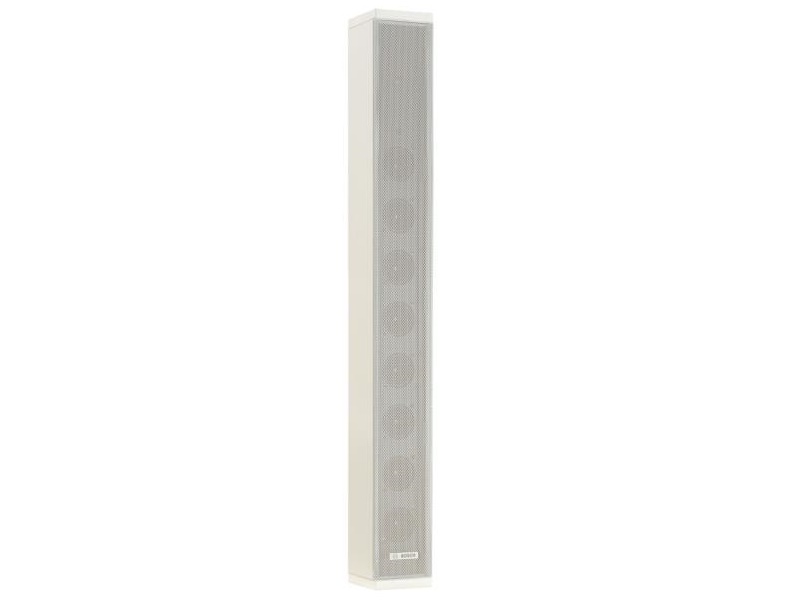
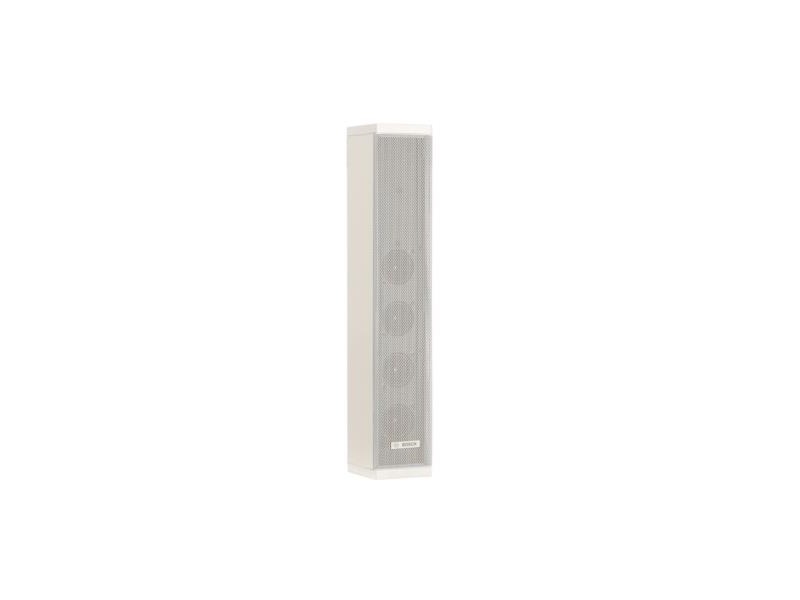
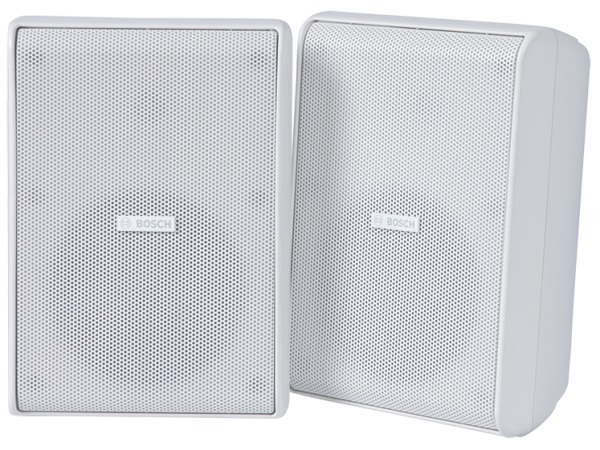
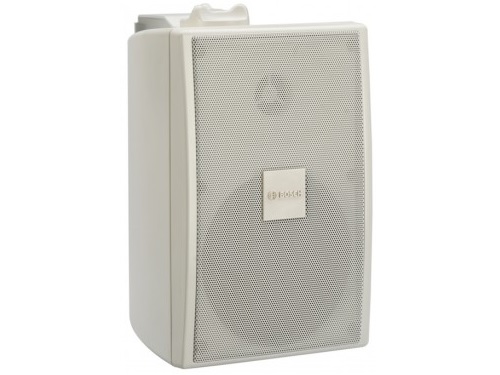
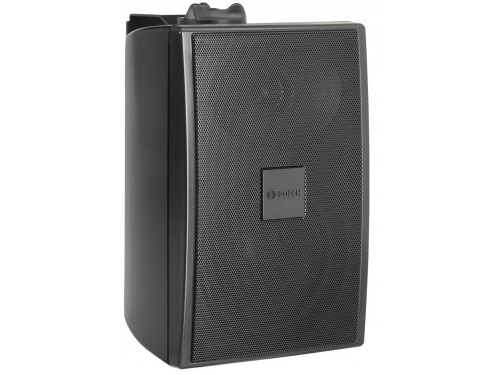
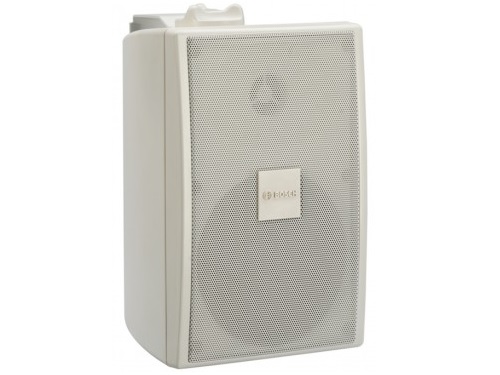
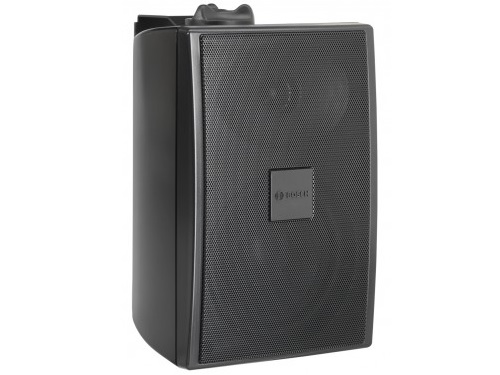
This category covers the speakers that define modern installed-audio systems: outdoor weather-resistant speakers, in-ceiling speakers, in-wall speakers, and on-wall speakers. Each form factor is designed to deliver high-quality sound without taking up floor space or visually disrupting a room. Sizes range from compact 4-inch ceiling speakers for small rooms to 8-inch primary speakers for larger spaces, plus weather-rated outdoor speakers in box, pendant, and landscape configurations.
In-wall speakers mount flush in the wall and aim sound horizontally, ideal for stereo listening at ear height and for surround channels in home theater. In-ceiling speakers mount flush in the ceiling and aim sound downward, ideal for even ambient coverage of background music or Dolby Atmos overhead channels. On-wall speakers project from the wall surface and are used where in-wall installation isn't possible (concrete walls, retrofit installations without wall access). Outdoor speakers have weather-resistant cabinets, drivers, and grilles, with IP ratings indicating tolerance to rain and humidity.
Most installed speakers are passive (driven by an external amplifier) and come in both low-impedance (4Ω or 8Ω) and 70V/100V constant-voltage variants. The choice depends on the system design. Home stereo and AV typically uses low-impedance speakers driven by a receiver or power amp, with one or two pairs per channel. Commercial background music and paging systems use 70V/100V speakers driven by a constant-voltage amplifier, with the speakers tapped at various power levels per location (0.5W, 1W, 2W, 5W, 10W), allowing dozens of speakers per amplifier channel.
Driver size affects bass response and coverage area. A 4-inch driver works in small bathrooms, hallways, and offices. A 6.5-inch driver is the workhorse size for residential ceilings and most background music rooms. An 8-inch driver delivers fuller bass and covers larger spaces, ideal for primary listening rooms, restaurants, and large open offices. For deep bass, add a dedicated subwoofer regardless of main speaker size.
Outdoor speakers need an appropriate IP rating for the install location. IP55 (dust-protected and water-jet resistant) is fine for covered patios or eaves. IP66 (dust-tight and heavy water-spray resistant) is better for fully exposed positions. Salt-air environments (coastal, marine) may also require corrosion-resistant materials beyond the IP rating. Always pair outdoor speakers with weather-resistant cable, weatherproof terminations, and amplifier locations protected from the elements.
Installed speakers serve whole-home audio (multi-room background music and stereo listening), home theater (in-wall and in-ceiling for Dolby Atmos surround), distributed commercial audio (restaurants, retail, schools, offices), outdoor entertainment areas (patios, pools, landscaping), and any installation where loudspeakers need to disappear visually while delivering clean, even sound coverage.
The differences are mounting orientation, environmental rating, and resulting sound coverage. In-wall speakers mount flush in the wall and aim sound horizontally, best for stereo listening at ear height and for surround channels in home theater. In-ceiling speakers mount flush in the ceiling and aim sound downward, ideal for even ambient coverage of background music and for Dolby Atmos overhead channels. On-wall speakers project from the wall surface and are used where in-wall installation isn't possible (concrete walls, retrofit installations). Outdoor speakers have weather-resistant cabinets, drivers, and grilles, with IP ratings indicating tolerance to rain and humidity.
4 or 8 ohm low-impedance speakers for residential stereo and home theater; 70V or 100V constant-voltage for commercial background music and paging. Low-impedance speakers are driven directly by a standard receiver or power amplifier; you can connect one or two pairs per channel safely. 70V and 100V speakers have a built-in transformer with selectable power taps (typically 0.5W, 1W, 2W, 5W, 10W), allowing dozens of speakers per amplifier channel over long cable runs with minimal loss. Commercial installations almost always use 70V/100V; residential almost always uses low-impedance. The two architectures do not mix at the speaker level.
For background music coverage, plan one in-ceiling speaker per about 150 square feet. For stereo or AV listening, always plan at least two speakers per room (left and right). For home theater, add a center channel, surrounds, and Atmos overheads per the surround format you're using (5.1, 7.1, 7.1.4, etc.). Background-music coverage depends on ceiling height and listener distance: at 8-foot ceilings, one 6-inch in-ceiling speaker covers about 12 feet of diameter at conversational level. Larger rooms with high ceilings need more speakers, while small rooms can get away with a single in-ceiling speaker for ambient sound.
At least IP55 for general outdoor use, IP66 or higher for direct exposure to rain. IP55 means dust-protected and resistant to water jets from any angle, fine for covered patios or under eaves where speakers are sheltered but exposed to humidity and occasional splashes. IP66 means dust-tight and resistant to heavy water spray, better for fully exposed positions in landscaping, by pools, or under no overhead protection. Salt-air environments (coastal, marine) may also require corrosion-resistant materials (aluminum or marine-grade plastic) beyond the basic IP rating. Always pair outdoor speakers with weather-resistant cable, weatherproof terminations, and outdoor-rated amplifier locations.
Larger drivers handle more bass and cover larger areas; smaller drivers fit smaller spaces and ceilings. A 4-inch driver works in small bathrooms, hallways, walk-in closets, and small offices, where space is tight and bass extension isn't critical. A 6.5-inch driver is the workhorse size for residential ceilings and most background music rooms; it's the most common size sold for whole-home audio and offers a good balance of bass extension and ceiling cutout size. An 8-inch driver delivers fuller bass and covers larger spaces, ideal for primary listening rooms, restaurants, retail floors, and large open offices. For deep bass below 60 Hz, add a dedicated subwoofer regardless of main speaker size.
Whole-home audio, home theater, restaurants, retail, schools, offices, and outdoor entertainment areas are the most common environments. Examples include four to six in-ceiling speakers per residential floor for ambient music throughout the home; 5.1 or 7.1 in-wall plus Atmos overheads for home theater; ceiling speakers throughout a restaurant or retail space for background music at conversation-friendly levels; 70V or 100V ceiling speakers throughout a school for paging and announcements with integrated background music; and outdoor speakers in landscaping or under eaves for patios, pools, and outdoor dining areas.

On order over $300 and more for US and US territory

We Offer a 30-Day Money Back Guarantee

Full manufacturer's warranty and quality assurance

Safe checkout with trusted payment providers