




Start typing to see results...
Find the perfect solution
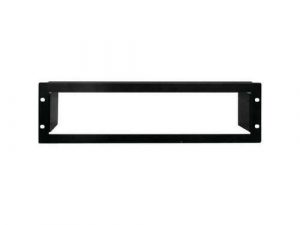
Mounting brackets and stands physically secure speakers and audio equipment to walls, ceilings, poles, trusses, and other structures. The right bracket lets you place a speaker exactly where it needs to be for proper coverage, while also supporting the speaker's weight safely over the long term and resisting environmental conditions in outdoor or industrial installations.
Speaker mounting brackets come in many form factors. Tilt-and-swivel wall brackets allow aim adjustment after installation, critical for matching speaker coverage to the listening area. Fixed wall brackets are simpler and used where aim does not need to change. Ceiling brackets and pendant mounts hang speakers from overhead structure, common in industrial spaces, gymnasiums, and warehouses where speakers must be high above the floor. Pole mounts attach speakers to vertical poles, used in outdoor venues, sports facilities, and parking lots.
For portable or temporary installations, floor stands and tripods elevate speakers without permanent fixtures. They are essential for live sound, events, rental and staging, and any application where the speaker setup changes between uses. Heavy-duty tripod stands support large PA speakers, while lighter stands handle monitor speakers and small portable speakers.
Every mounting bracket has a maximum load rating, usually expressed in pounds or kilograms. The bracket must always be rated above the actual weight of the speaker, with a comfortable safety margin (typically 1.5x or 2x the speaker's weight). Overloading a bracket is a safety hazard: a failing speaker mount can injure people below, damage other equipment, or violate insurance and code requirements.
Speakers have standardized mounting patterns built into their cabinets, with M6, M8, or M10 threaded inserts at fixed spacings. The bracket must match the speaker's mounting pattern, and the connecting hardware must use the right thread size and length. Brackets sold with adapter plates accept several mounting patterns, which is useful when standardizing on one bracket for a varied speaker fleet.
Brackets installed outdoors or in salt-air environments need corrosion-resistant materials such as stainless steel, aluminum, or powder-coated steel. Stainless and aluminum resist rust and weather over time, while painted steel can corrode where the coating wears or chips. Marine-grade hardware is rated for coastal and shipboard installations.
Speaker mounting brackets are essential in commercial AV (conference rooms, restaurants, retail, fitness centers), live sound (PA stacks, monitor wedges), houses of worship (main speakers, choir monitors, overflow rooms), outdoor venues (sports fields, amusement parks, marine installations), industrial spaces (paging speakers in warehouses and factories), and any installation where speakers must be mounted off the floor.
Start with three questions: the speaker's mounting pattern and weight, the surface you're mounting to, and whether you need to aim the speaker after installation. The bracket must physically match the speaker (mounting pattern, hole spacing, thread size) and be rated for at least 1.5 times the speaker's weight for safety. The mounting surface determines the back-plate type: drywall, concrete, brick, suspended ceiling, ceiling joist, or pole each requires different hardware. For final aim adjustment, choose a tilt-and-swivel bracket; for fixed aim, a rigid bracket is simpler and cheaper.
Tilt brackets allow up-and-down movement (vertical aim adjustment); swivel brackets allow side-to-side movement (horizontal aim adjustment). Most quality speaker brackets offer both, so the speaker can be aimed in any direction within a defined range. This is important when the bracket is mounted to a wall but the listening area is off-axis, or when ceiling-mounted speakers need to be aimed at specific seats. Fixed brackets without aim adjustment are cheaper but assume the speaker can be aimed correctly during installation, with no adjustment afterward.
The bracket should be rated for at least 1.5 to 2 times the actual weight of the speaker. So a 20-pound speaker should hang from a bracket rated for at least 30 to 40 pounds. This safety margin accounts for dynamic loads (someone bumping the speaker, a child hanging on it, vibration over time) and the long-term effects of fatigue and slight movement. Always check both the speaker's published weight and the bracket's load rating, and never assume that an undersized bracket "will probably be fine".
Only very lightweight speakers can hang from drywall anchors alone. For anything heavier than about 5 pounds, the bracket must be anchored to the wall stud, a wood blocking plate behind the drywall, a steel back-plate, or specialty heavy-duty wall anchors rated for the weight. Always treat drywall as a finishing surface, not a structural one. If you can't reach a stud, use a wall-mount kit specifically designed for the speaker's weight, with the appropriate anchor type for your wall.
Outdoor and marine installations require corrosion-resistant materials: stainless steel, anodized aluminum, or properly powder-coated steel. Stainless steel and aluminum resist rust indefinitely. Painted steel will corrode wherever the coating wears, chips, or is scratched, and rust failure is a safety hazard for overhead speakers. Marine-grade hardware adds higher corrosion resistance for salt-air environments such as coastal venues, marinas, and shipboard installations. Always specify the right corrosion class for the environment, since replacing a failed outdoor bracket usually means a service visit and downtime.
Commercial AV (conference rooms, restaurants, retail, fitness centers), live sound (PA stacks, monitor wedges, side fills), houses of worship (main array speakers, choir monitors, overflow rooms), outdoor venues (sports fields, amusement parks, marine installations), industrial spaces (paging speakers in warehouses and factories), and any installation where speakers must be mounted off the floor. The bracket is usually a small line item in the overall budget but a critical one: the wrong bracket can cause coverage problems, safety hazards, and aesthetics issues that are difficult and expensive to fix after the install is complete.

On order over $300 and more for US and US territory

We Offer a 30-Day Money Back Guarantee

Full manufacturer's warranty and quality assurance

Safe checkout with trusted payment providers