




Start typing to see results...
Find the perfect solution
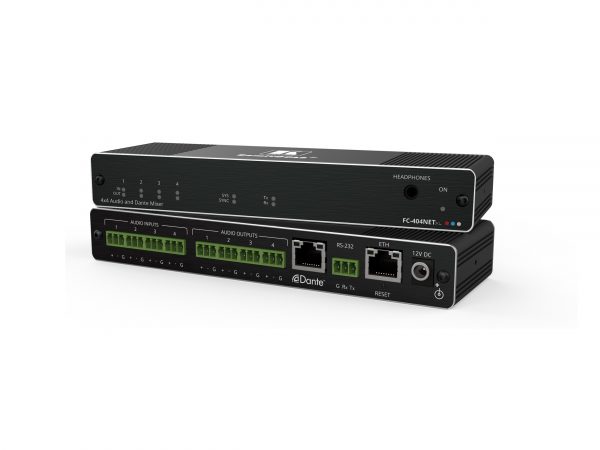
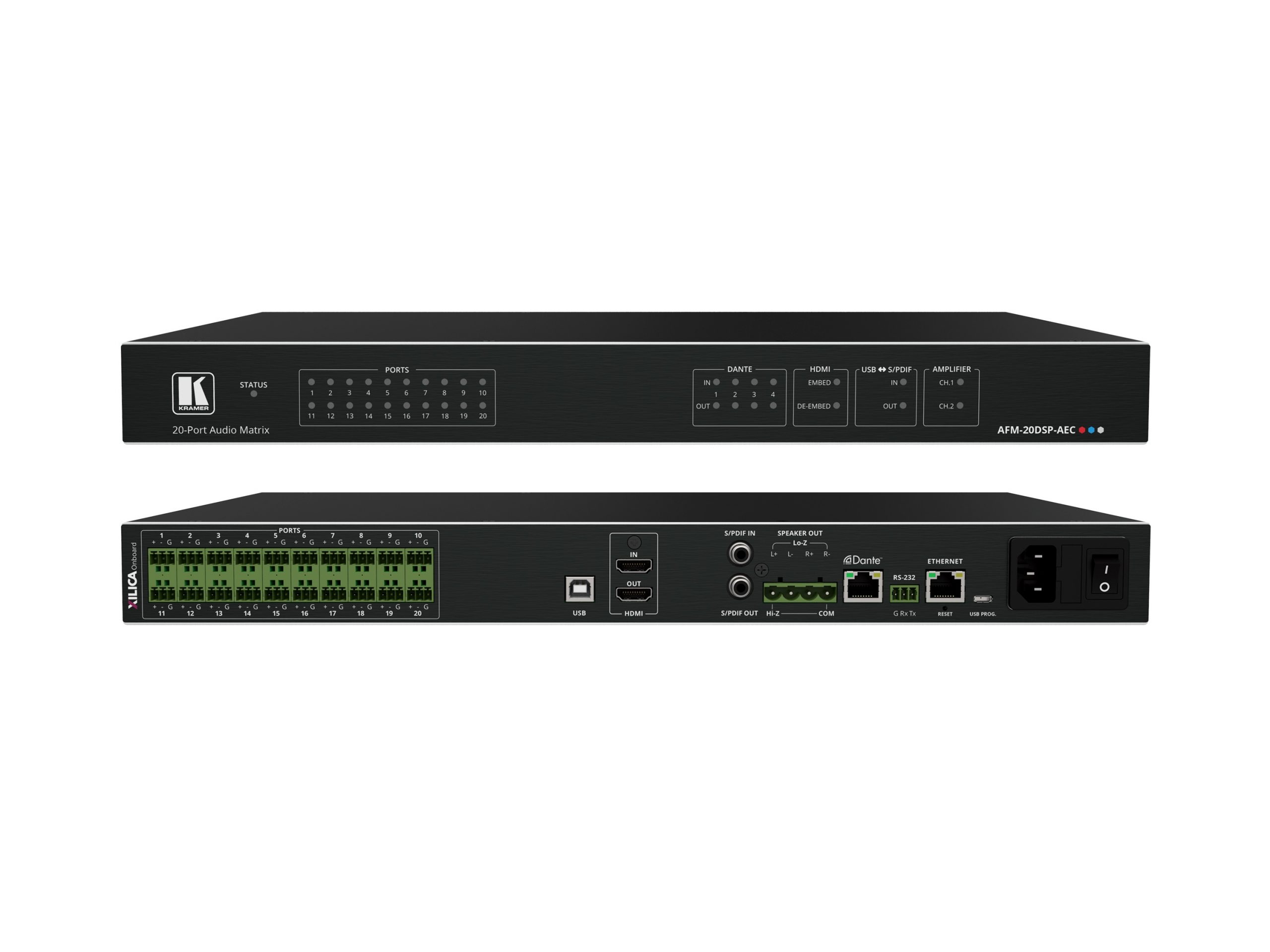
An audio mixer combines multiple audio inputs into one or more output mixes, with independent volume, equalization, dynamics, and routing on each input channel. Mixers are the central hub of any audio system that handles more than one source at a time, from a small podcast or boardroom rig with four channels to large broadcast or live sound consoles with 96 channels or more.
Analog mixers process audio in the analog domain throughout: signals enter on input channels, pass through analog faders, EQ, and routing, and exit on outputs without ever being digitized. They are simple to operate, have no boot time, and never crash. Digital mixers convert each input to digital, perform all processing in the digital domain (often with much more capability per channel than analog), and convert back to analog at the outputs (or stay digital if outputs are AES/EBU or networked). Digital mixers offer scene recall (instant setup change), full software control, and integration with networked audio.
Small mixers (4 to 12 channels) suit podcasts, small boardrooms, and basic AV. Mid-size mixers (16 to 32 channels) suit small venues, houses of worship, and broadcast studios. Large mixers (48 to 96 channels or more) handle large concerts, broadcast facilities, and complex installations. Form factor matters: traditional consoles have physical faders for every channel, which is fast to operate; rack-mount mixers (often digital) save space and are operated through a tablet or computer; touchscreen-only mixers are compact but require all operations through software.
Beyond the main mix, professional mixers provide additional outputs. Aux sends create separate mixes for monitors, recording, or zone audio (for example, a monitor mix for a singer that is different from what the audience hears). Subgroups let you combine related channels (all drums, all backing vocals) onto a single fader for easier control. Matrix outputs let you build alternative mixes from the existing buses, useful for broadcast feeds, lobby audio, recording, or hearing-assistance systems.
Most installations have at least three mix destinations: the front-of-house main mix (what the audience hears), one or more monitor mixes (what the performers hear on stage), and a recording or broadcast output (for capture or transmission). Mixers route channels to these destinations independently, so a singer's microphone might be loud in the monitor mix (so they can hear themselves), moderate in the main mix (so the audience hears them along with the band), and at recording level on the broadcast feed.
Audio mixers are central to live sound (front-of-house and monitor mixing at concerts, theater, festivals), broadcast and recording (the mixer combines all sources before recording or transmission), houses of worship (combining the many sources at a service: pastor, music team, choir, playback), conference rooms and corporate AV (combining microphones, video conferencing audio, and program audio), podcast and streaming studios, theater and film production, and any installation where multiple audio sources need to be combined.
Analog mixers process audio in the analog domain throughout, with physical knobs and faders for every parameter. They are simple to operate, have no boot time, never crash, and provide instant access to every control. Digital mixers convert each input to digital, do all processing in the digital domain (often with significantly more capability per channel: EQ, compression, gating, effects), then output digital or convert back to analog. Digital mixers offer scene recall (instant change of every parameter for a new event), full software control, network audio integration, and often a much smaller chassis for the same channel count.
Count every audio source that will be active simultaneously, then add a margin for future expansion. A small boardroom or podcast might need 4 to 8 channels (a few microphones plus computer audio). A worship service often needs 16 to 32 channels (pastor lavalier, choir microphones, band instruments, playback sources). A live concert mixer typically needs 32 to 64 channels (vocals, multiple guitars, keyboards, drum microphones, backing tracks). Large broadcast or live sound work uses 64 to 96 or more. Always provide headroom: running a mixer at full capacity with no spare channels leaves no room for an unexpected extra source like an unplanned guest performer.
An aux send is an additional output mix created from the input channels, separate from the main mix. The most common use is for monitor mixes: each performer on a stage wants to hear a different balance through their monitor speaker (the singer wants more of themselves, the drummer wants more of the click track, etc.), so the mixer creates separate aux mixes for each performer's monitor. Aux sends are also used for effects (sending channels to an external reverb or delay processor), for recording (a clean mix without effects), and for zone audio (sending different content to different parts of a venue).
Both are ways to combine multiple channels into fewer faders, but they sit at different points in the mixer's signal path. A subgroup combines several input channels (for example, all drum microphones onto one drum subgroup fader) so the engineer can control all of them with one fader; the subgroup then feeds the main mix. A matrix output combines existing mixes (main mix, aux mixes, subgroups) into a new output, useful for creating specialty feeds like a broadcast mix, lobby audio, hearing-assistance audio, or recording mix without disturbing the live performance mixes.
Both work; the choice depends on the application. A physical console (analog or digital) is the right choice for live performance, broadcast, and any application where multiple parameters need to be adjusted simultaneously and in real time. Software mixing inside a DAW (Digital Audio Workstation) is the right choice for recording, podcast production, and any application where time is not critical and the engineer is working alone with a mouse or keyboard. Many digital consoles can also serve as control surfaces for DAWs, combining the immediacy of physical faders with the recall and flexibility of software.
Live sound (front-of-house and monitor mixing at concerts, theater, festivals, corporate events), broadcast and recording studios (the mixer is the central hub for all audio coming in and out), houses of worship (combining the many sources at a service: pastor microphone, music team instruments and vocals, choir, playback sources, video audio), conference rooms and corporate AV (combining microphones, video conferencing return audio, and program audio into one clean mix), podcast and streaming studios (combining host and guest microphones with music and sound effects), theater and film production, and any installation where multiple audio sources need to be combined into one or more mixes.

On order over $300 and more for US and US territory

We Offer a 30-Day Money Back Guarantee

Full manufacturer's warranty and quality assurance

Safe checkout with trusted payment providers