




Start typing to see results...
Find the perfect solution
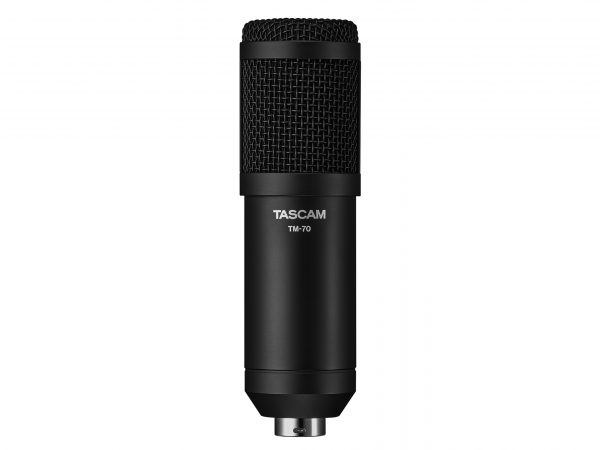
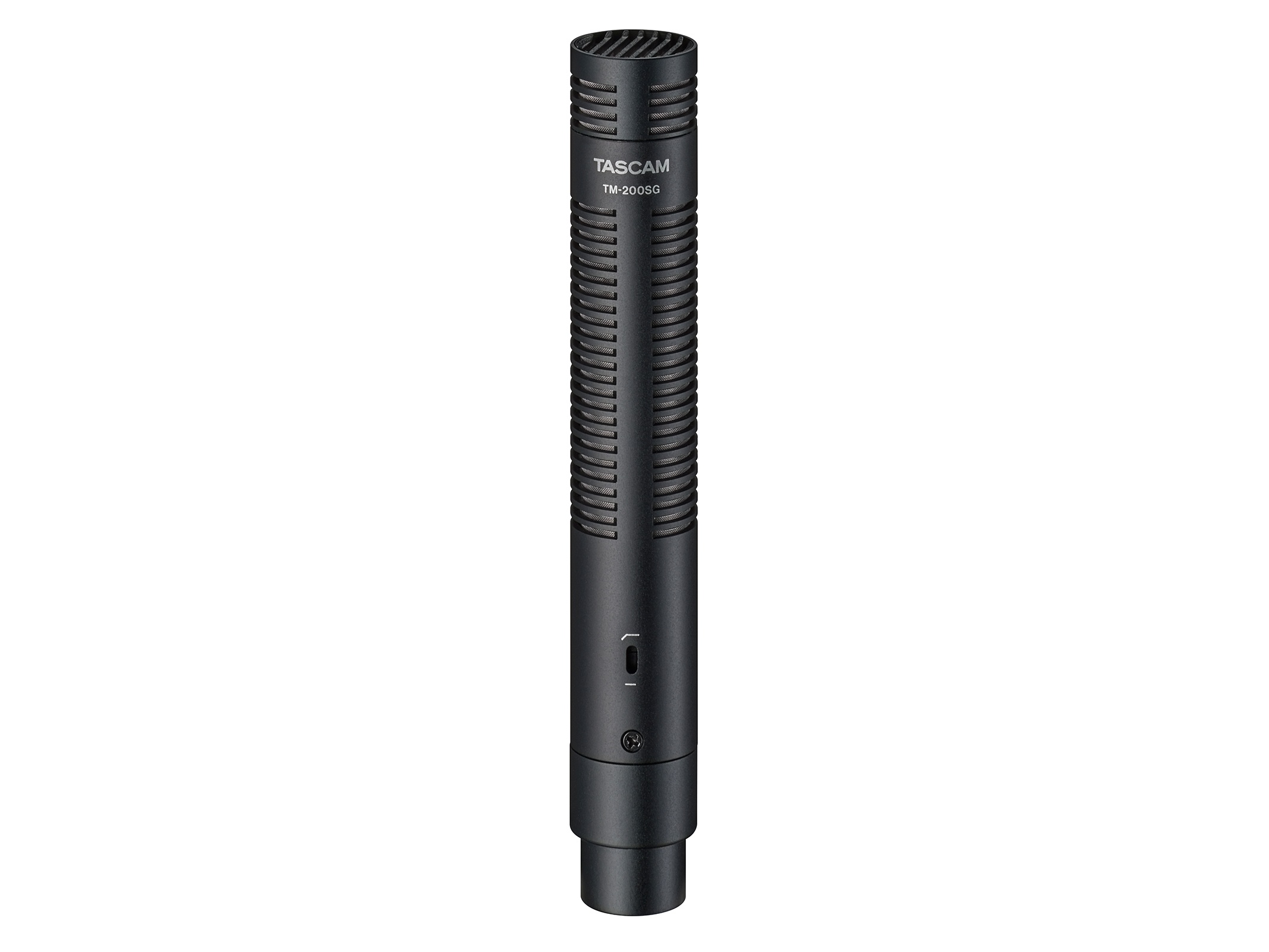
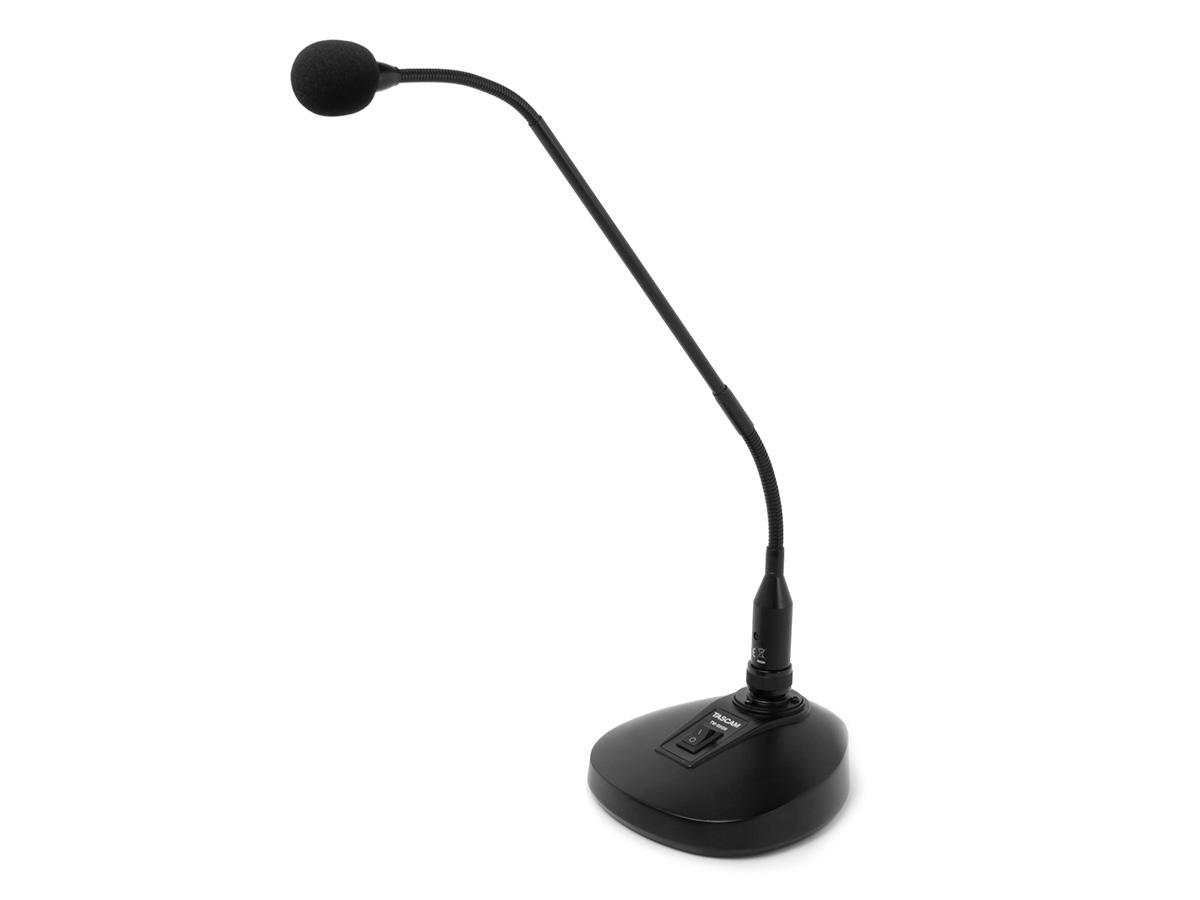
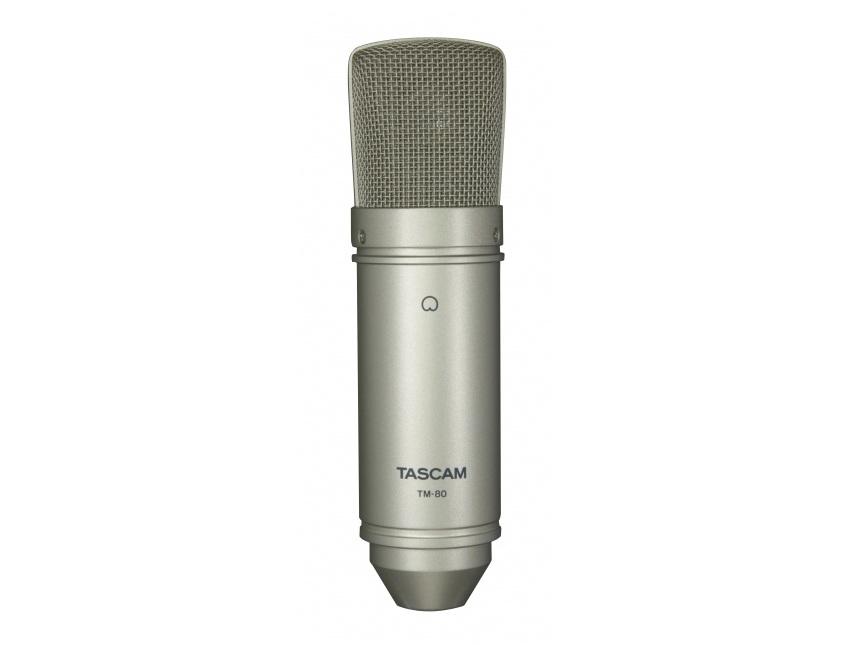
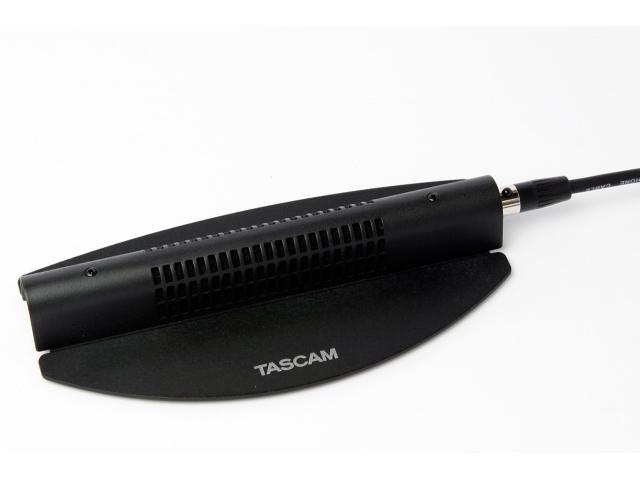
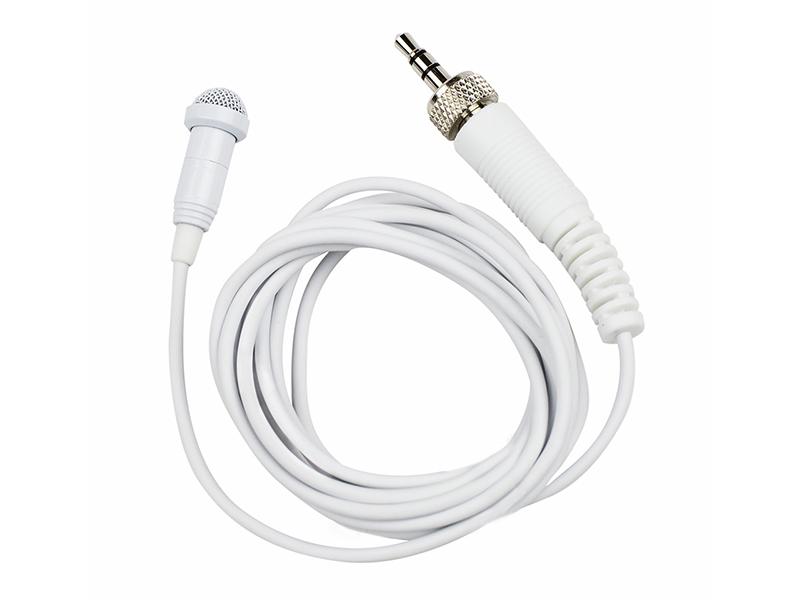
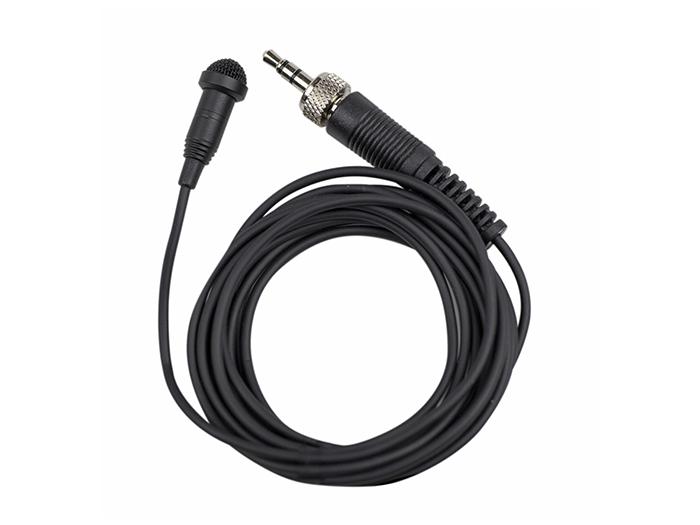
Microphones convert sound (acoustic energy) into an electrical signal that can be amplified, processed, recorded, or transmitted. They are the primary input device for any audio system that captures live sound, from a single boardroom microphone to a multi-microphone stage setup in a concert venue. The category covers wired and wireless microphones, handheld and gooseneck and lavalier and boundary mic types, and a wide range of accessories.
Three main transducer types dominate the market. Dynamic microphones use a moving coil and are rugged, inexpensive, and ideal for loud sources (vocals on stage, drums, guitar amps); they need no external power. Condenser microphones use a thin diaphragm and a capacitor; they are more sensitive and accurate, ideal for studio recording and quiet speech, but need 48-volt phantom power. Ribbon microphones use a thin metal ribbon in a magnetic field; they capture a smooth, vintage character and are popular for broadcast and high-end recording. Most live performance and corporate AV applications use dynamic and condenser mics.
Handheld microphones are the standard choice for vocalists, presenters, and emcees who hold the mic or place it on a stand. Lavalier (lapel) microphones clip to clothing for hands-free use, ideal for video, presentations, and broadcast. Gooseneck microphones mount on a podium or desk with a flexible arm, common in courtrooms, legislative chambers, and conference rooms. Boundary (PZM) microphones sit flat on a table and capture sound from multiple participants, used in boardrooms and conference rooms. Shotgun microphones are highly directional and used for video, theater, and broadcast applications.
Wired microphones use XLR cable to connect directly to a mixer or interface. They are reliable, have no battery life concerns, and provide the highest audio quality, with the downside that they restrict performer movement. Wireless microphones use a UHF or 2.4 GHz transmitter at the mic and a receiver at the mixer, freeing performers to move. Wireless adds complexity (battery management, RF interference, channel coordination) and cost but is essential in many performance and broadcast contexts. Modern digital wireless systems offer audio quality close to wired.
The polar pattern describes which directions the microphone picks up sound from. Cardioid picks up mostly from the front and rejects sound from behind, ideal for vocals and isolated sources. Supercardioid and hypercardioid are tighter patterns with more rejection at the sides. Omnidirectional picks up equally from all directions, used for ambient recording and boundary mics. Figure-8 (bidirectional) picks up from front and back equally, with deep rejection at the sides, used in stereo recording techniques and some broadcast applications.
Microphones are used in live sound (concerts, theater, houses of worship), broadcast and recording studios, corporate AV (conference rooms, training, video production), houses of worship (pulpit and lavalier microphones for clergy, condensers for choir), education (classroom and lecture-hall systems), legislative and government (chamber and courtroom microphones, gooseneck arrays), and any application where speech or sound needs to be captured electronically.
Dynamic microphones use a moving coil and are rugged, inexpensive, and tolerant of high sound pressure levels, ideal for loud sources like vocals on stage, kick drums, and guitar amplifiers. They do not need external power. Condenser microphones use a thin diaphragm and a capacitor, are more sensitive and capture detail accurately, but need 48-volt phantom power from the mixer or interface. Condensers are ideal for studio recording, quiet speech, acoustic instruments, and any source where detail matters more than ruggedness. Most live performance vocals use dynamic mics; most studio and corporate AV uses condensers.
Use a lavalier (lapel) microphone when the speaker needs hands-free operation, when video is being recorded and visible microphones look unprofessional, or when the speaker moves around (presentations, broadcast hosts, theater performers). Use a handheld microphone when the speaker is at a fixed location like a podium, when the speaker uses the mic as a presentation tool (passing it between people on a panel), or when audio quality is critical (a handheld mic is closer to the mouth and picks up less room noise). Both can be wired or wireless.
Wired microphones use XLR cable directly to a mixer or interface, which is reliable, has no battery to manage, no RF coordination, and provides the highest audio quality. The downside is restricted performer movement and visible cable on stage or in video. Wireless microphones use a UHF or 2.4 GHz transmitter at the microphone and a receiver at the mixer, freeing performers to move. Wireless adds complexity (battery management, channel coordination to avoid interference, regulatory compliance) and cost but is essential when performers move. Modern digital wireless systems offer audio quality close to wired.
Phantom power is 48 volts DC supplied from the mixer or audio interface to the microphone through the same XLR cable that carries the audio. Condenser microphones need phantom power to operate (they have an active circuit and need power for the capacitor and impedance converter); dynamic microphones do not need it and are unaffected by it. Most modern mixers can supply phantom power on each XLR input, switchable per channel. Ribbon microphones generally should not receive phantom power, so be careful with mixed setups that include older ribbon mics.
The right polar pattern depends on what you're recording and the room environment. Cardioid is the most common choice: it picks up from the front and rejects sound from behind, ideal for vocals, podcasts, presentations, and most live sound. Supercardioid and hypercardioid are tighter (narrower acceptance angle, more rejection at the sides), good for noisy environments where you need maximum isolation, with the trade-off of less natural sound. Omnidirectional picks up equally from all directions, used for ambient recording, choirs, and conference boundary mics. Figure-8 picks up from front and back, used in specialized stereo recording techniques.
Conference rooms (boundary, gooseneck, and ceiling-array microphones for video conferencing), training and lecture rooms (lavaliers or wireless handhelds for presenters), broadcast and recording studios (studio condensers, dynamic mics for voice-over), houses of worship (lavalier or handheld for pastors, condensers for choir), live sound venues (handheld for vocalists, instrument mics for the band, lavaliers for theater performers), courtrooms and legislative chambers (gooseneck microphones at every seat), and education (classroom microphones for hearing-assistance and recording).

On order over $300 and more for US and US territory

We Offer a 30-Day Money Back Guarantee

Full manufacturer's warranty and quality assurance

Safe checkout with trusted payment providers