




Start typing to see results...
Find the perfect solution
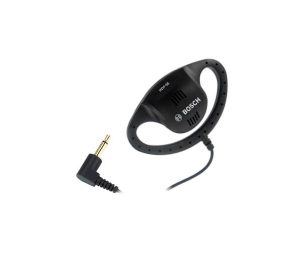
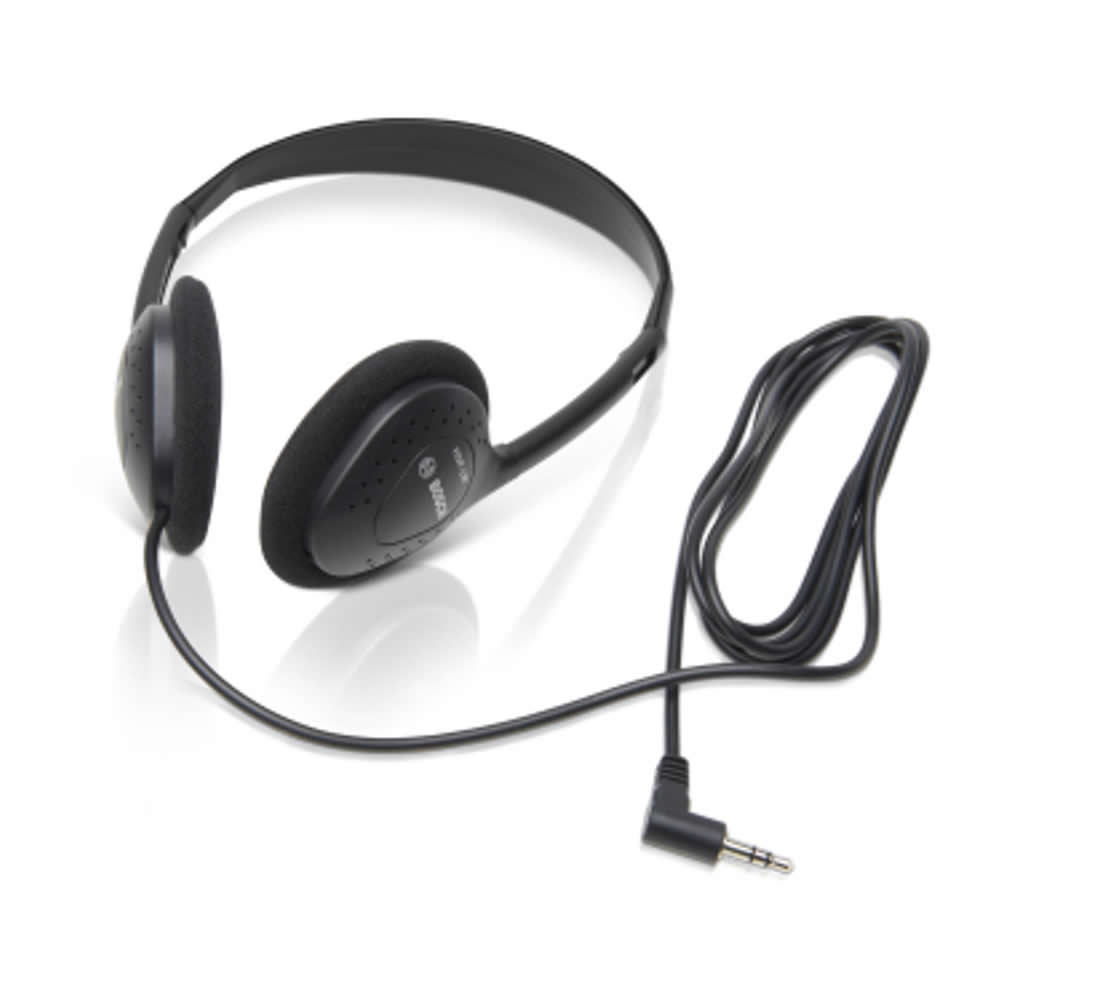
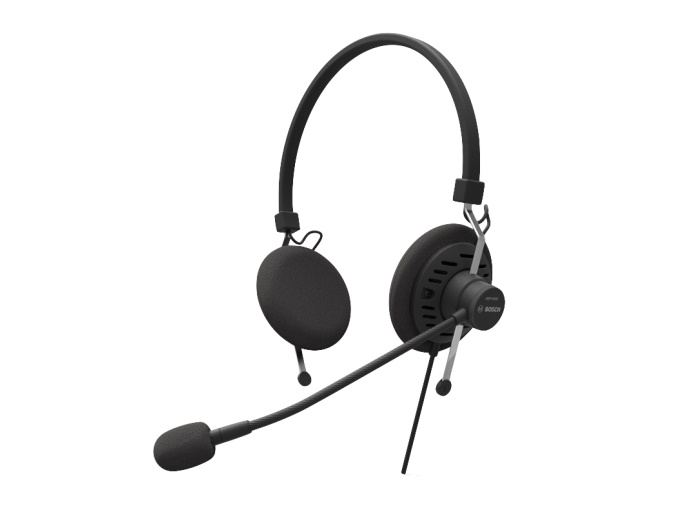
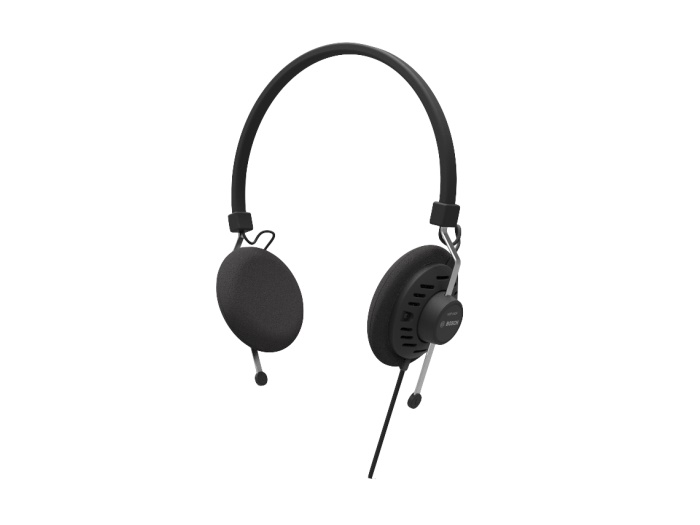
In commercial AV installations, headphones serve specific roles distinct from personal listening. They are essential tools for monitoring audio during live events and recording, for hearing-assistance receivers in venues required to provide accessibility, for closed-listening applications in libraries and exhibits, for talent and crew monitoring in broadcast, for translators and interpreters, and for quiet listening in environments where speakers cannot be used.
Several types dominate professional and commercial AV. Closed-back over-ear headphones provide isolation from ambient noise and prevent sound leakage, ideal for live sound engineers, recording vocalists, and broadcast announcers. Open-back over-ear headphones give a more natural sound stage but leak audio and provide no isolation; they are used for critical studio monitoring. In-ear monitors (IEMs) are tiny earbuds, often custom-fitted, used by stage performers who need to hear a personal monitor mix without the bulk of headphones. On-ear and earbud styles serve general AV applications, hearing assistance, and lower-cost installations.
Headphone impedance affects how loud they get from a given source. Low-impedance (16 to 80 ohms) headphones drive loudly from any source, including phones and laptops, and are common in consumer and commercial AV applications. High-impedance (250 to 600 ohms) headphones require a dedicated headphone amplifier to reach proper listening levels; they are used in professional studios where pure sound quality matters and a headphone amplifier is already part of the chain. Always match impedance to the source: high-impedance headphones plugged into a phone will sound thin and quiet.
Wired headphones provide reliable audio with no battery, no latency, and the highest quality, but restrict movement. Wireless headphones (Bluetooth, RF, infrared) free the user to move around but add battery management and (especially for Bluetooth) some latency, which matters for live monitoring and gaming. In commercial AV, wireless headphones are common in hearing-assistance systems (where each audience member needs an independent receiver), translation systems, and museum or exhibit audio.
Professional headphones use either a 1/4-inch (6.35 mm) TRS plug or a 3.5 mm TRS plug. Pro mixers, headphone amplifiers, and studio gear typically use 1/4-inch; consumer devices use 3.5 mm. Adapters between the two are common in any commercial AV install. Some pro models use detachable cables with locking connectors (XLR-style) to prevent cable damage from frequent use.
Headphones are essential in live sound (engineers monitoring the mix, performers using IEMs), broadcast and recording studios (talent, engineers, voice-over artists), hearing-assistance systems in theaters, courtrooms, houses of worship, and lecture halls (the receiver feeds headphones for the hearing-impaired listener), translation booths and conference interpretation, museum and exhibit audio (closed listening so other visitors are not disturbed), and any AV installation where a single listener needs clear audio in a public or shared space.
Closed-back headphones have sealed ear cups that block ambient noise from reaching the listener and prevent the headphone's audio from leaking out to nearby people. They are essential for tracking vocals in a studio (where leakage into the microphone is a problem), for live sound monitoring on a noisy stage, and for broadcast announce booths. Open-back headphones have perforated ear cups that allow air and sound to pass freely; they give a more natural sound stage and are preferred for critical studio mixing and audiophile listening, but they leak audio to anyone nearby and provide no isolation from external sound.
Impedance is the electrical resistance the headphones present to the audio source, measured in ohms (Ω). Low-impedance headphones (16 to 80 Ω) drive loudly from any source, including phones, laptops, and consumer audio devices. High-impedance headphones (250 to 600 Ω) require a dedicated headphone amplifier to reach proper listening levels; they will sound thin and quiet plugged directly into a phone. Most commercial AV applications use low-impedance headphones for compatibility. High-impedance headphones are mainly used in professional studios where a dedicated headphone amplifier is already part of the chain.
In-ear monitors are small earbuds, often custom-fitted to the user's ear, that act as personal monitors. They are most commonly used by stage performers (singers, musicians) who need to hear a personal monitor mix without the bulk of over-ear headphones and without the volume of traditional stage monitor wedges. IEMs are usually fed by a wireless transmitter on the performer's body and a receiver belt-pack, with audio from the mixer's monitor send. Beyond stage use, IEMs are also used in broadcast (presenter cue), high-end consumer listening, and any application where isolation and portability matter more than the larger sound of over-ear headphones.
Generally no for critical monitoring; sometimes yes for casual use. Bluetooth audio has inherent latency of 30 to 200 ms depending on the codec and connection quality, which makes it unsuitable for live performance monitoring (the performer would hear themselves delayed) or for any application where audio-video sync matters. Bluetooth is also limited in audio quality compared to wired connections. For commercial AV monitoring, broadcast, and recording, use wired headphones. For casual listening in offices, presentations, or hearing-assistance where some latency is acceptable, Bluetooth or RF wireless can work fine.
Professional headphones typically use a 1/4-inch (6.35 mm) TRS plug for studio, broadcast, and live sound applications. Consumer headphones use 3.5 mm TRS. Most pro headphones ship with a 3.5 mm plug and an adapter to 1/4-inch, so they work with both pro and consumer gear. Some studio headphones use detachable cables with locking connectors at the headphone end (often a mini-XLR or proprietary lock), so the cable can be replaced when worn out rather than discarding the entire headphone, and so the cable does not pull out accidentally during use.
Live sound (engineers monitoring the mix at front-of-house and monitor positions, performers using IEMs on stage), broadcast and recording studios (announcers, voice-over artists, engineers monitoring while recording), hearing-assistance systems in theaters, courtrooms, houses of worship, lecture halls, and conference centers (the assistive-listening receiver feeds headphones for the hearing-impaired listener), translation booths in international conferences, museum and exhibit audio (closed listening so visitors don't disturb each other), and any installation where one listener needs clear audio in a public or shared space.

On order over $300 and more for US and US territory

We Offer a 30-Day Money Back Guarantee

Full manufacturer's warranty and quality assurance

Safe checkout with trusted payment providers